Why running a supercarrier like USS Abraham Lincoln could bankrupt small nation

Maintaining the USS Abraham Lincoln costs millions daily. Between crew salaries, aircraft maintenance, and nuclear overhauls, the financial demands could easily overwhelm a small nation's budget.
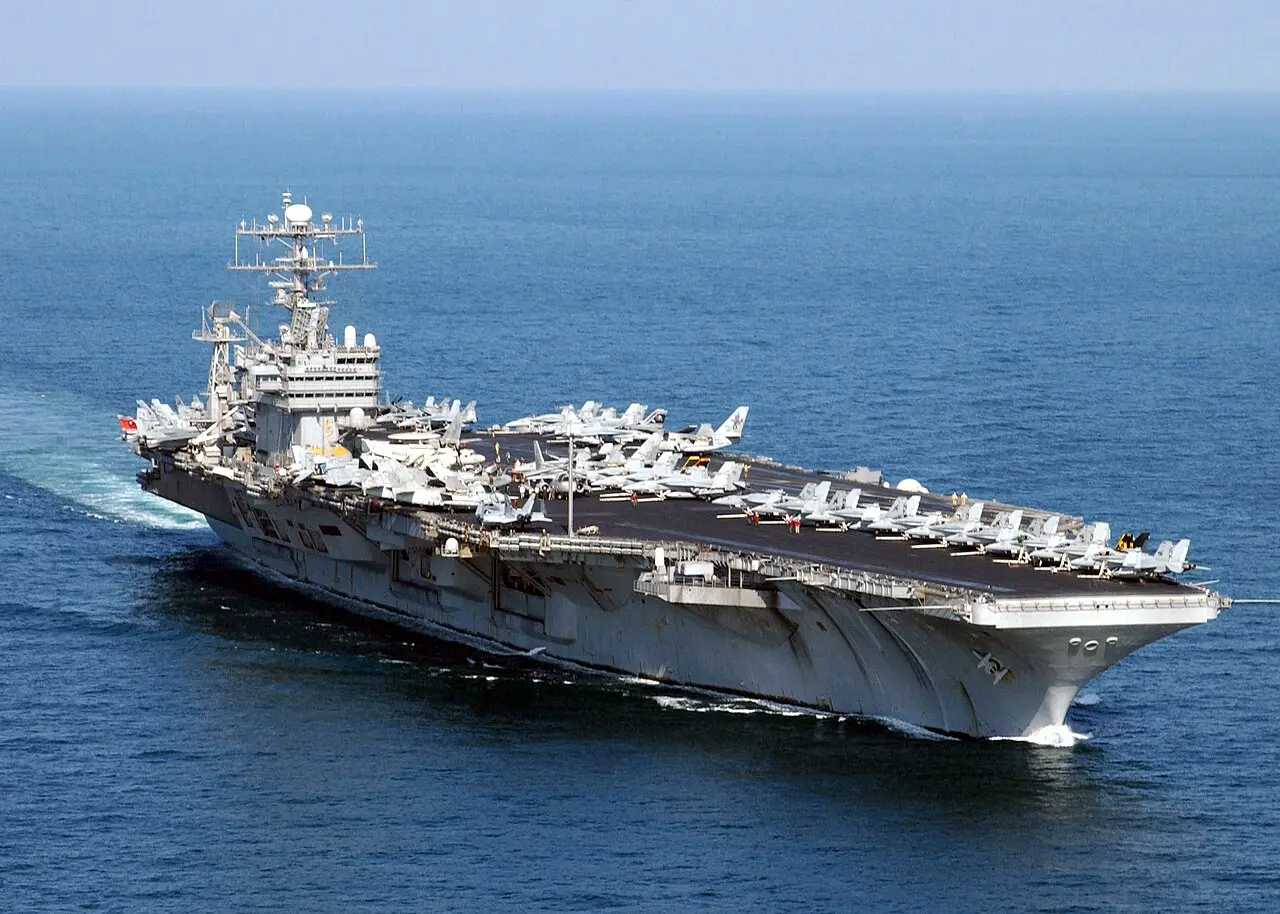
High initial construction costsHigh initial construction costs
Building a Nimitz-class ship like the USS Abraham Lincoln costs billions of dollars today. The newer Ford-class carriers have seen price tags exceeding $13 billion. For many small nations, this single purchase would consume their entire annual gross domestic product or national budget.
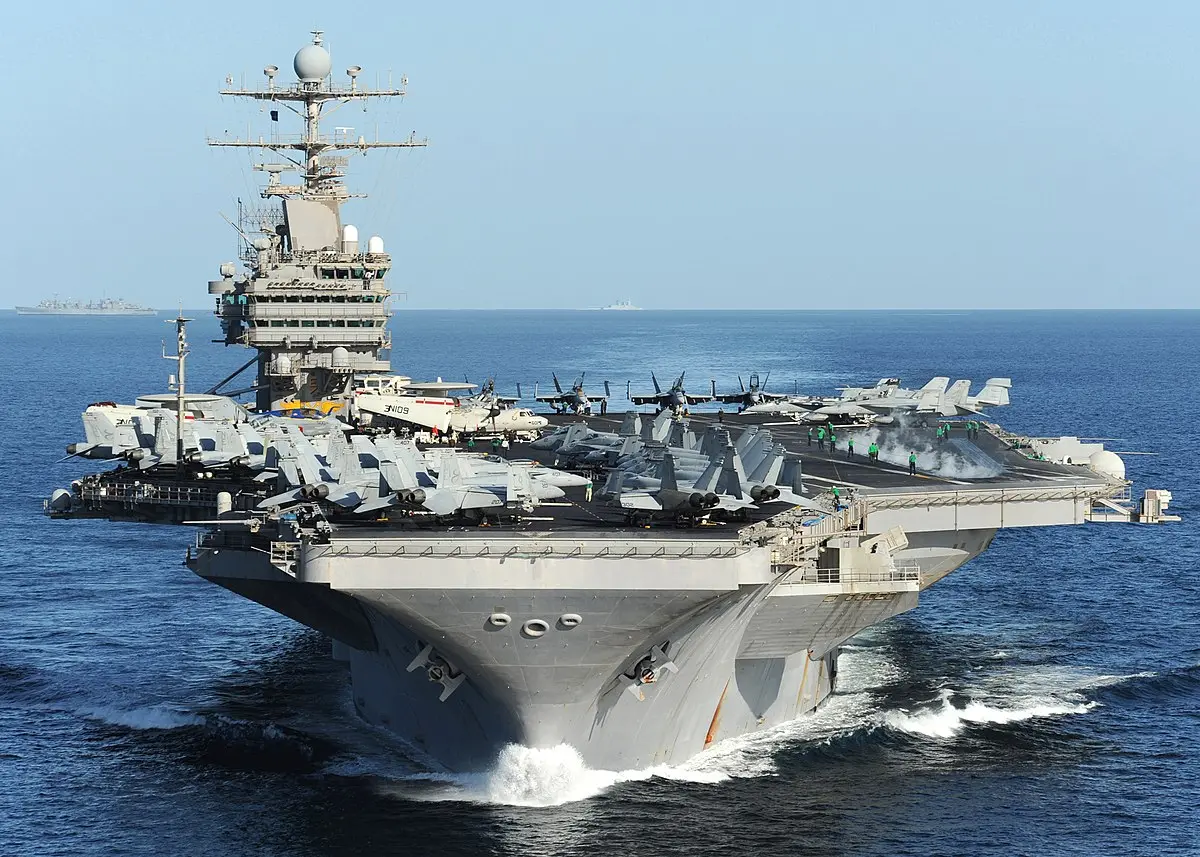
Massive daily operating expenses
It costs approximately $2 million to $2.5 million every single day just to keep a supercarrier active. This covers the basic needs of the ship while it is at sea. Over a year, the operating budget alone reaches hundreds of millions of dollars, excluding the cost of the aircraft.
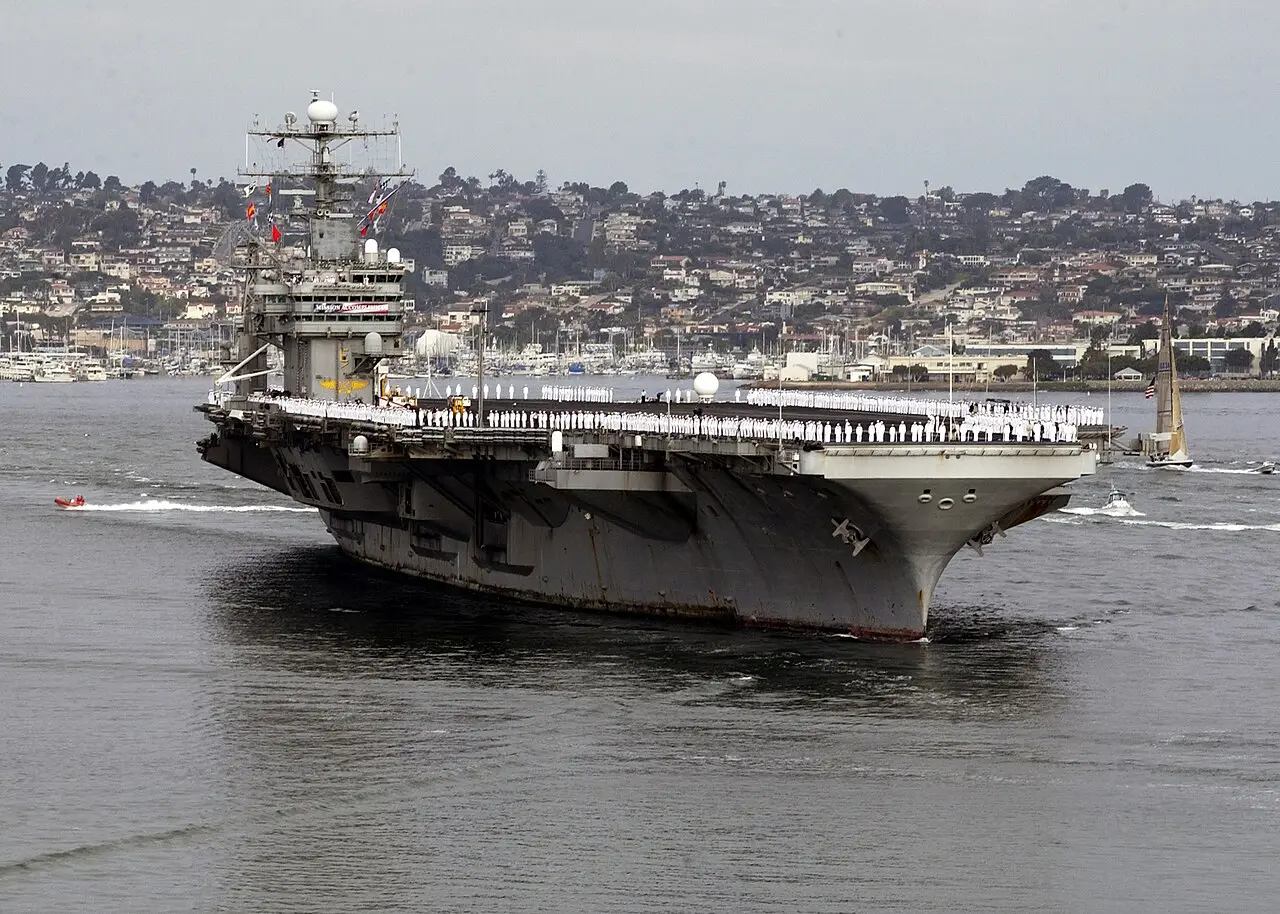
Salaries for 5,000 personnel
The ship carries a crew of roughly 5,000 sailors and marines who require monthly salaries, insurance, and benefits. Managing such a large workforce is comparable to funding the entire civil service of a small country. The payroll remains a fixed and heavy financial obligation for the Navy.
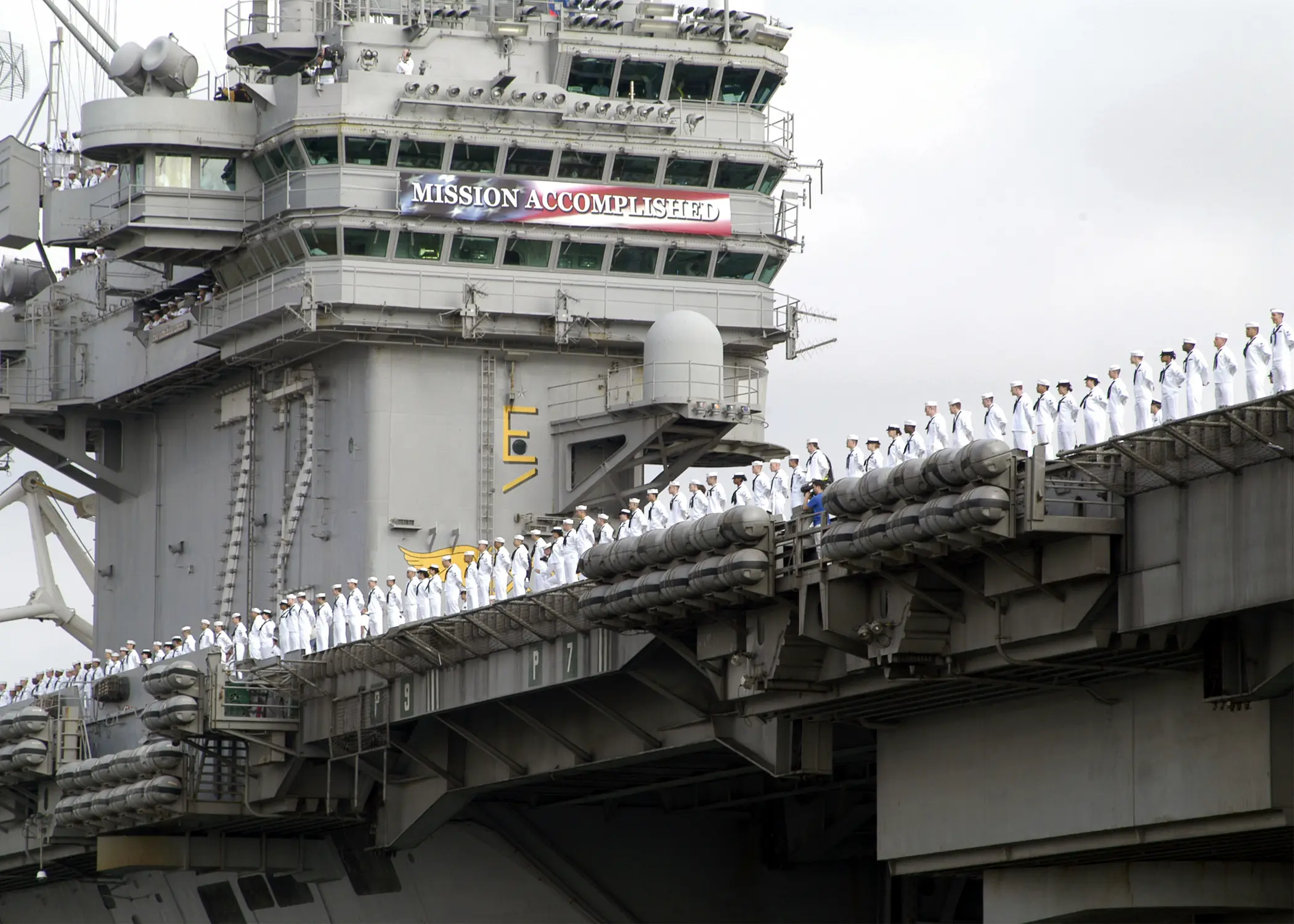
Feeding a floating city
The galley serves nearly 18,000 meals every day to keep the crew fed and fit for duty. The logistics of sourcing, transporting, and storing thousands of tonnes of food for months at sea is a massive expense. A small nation’s treasury would struggle to fund this constant supply chain.
The expensive air wing
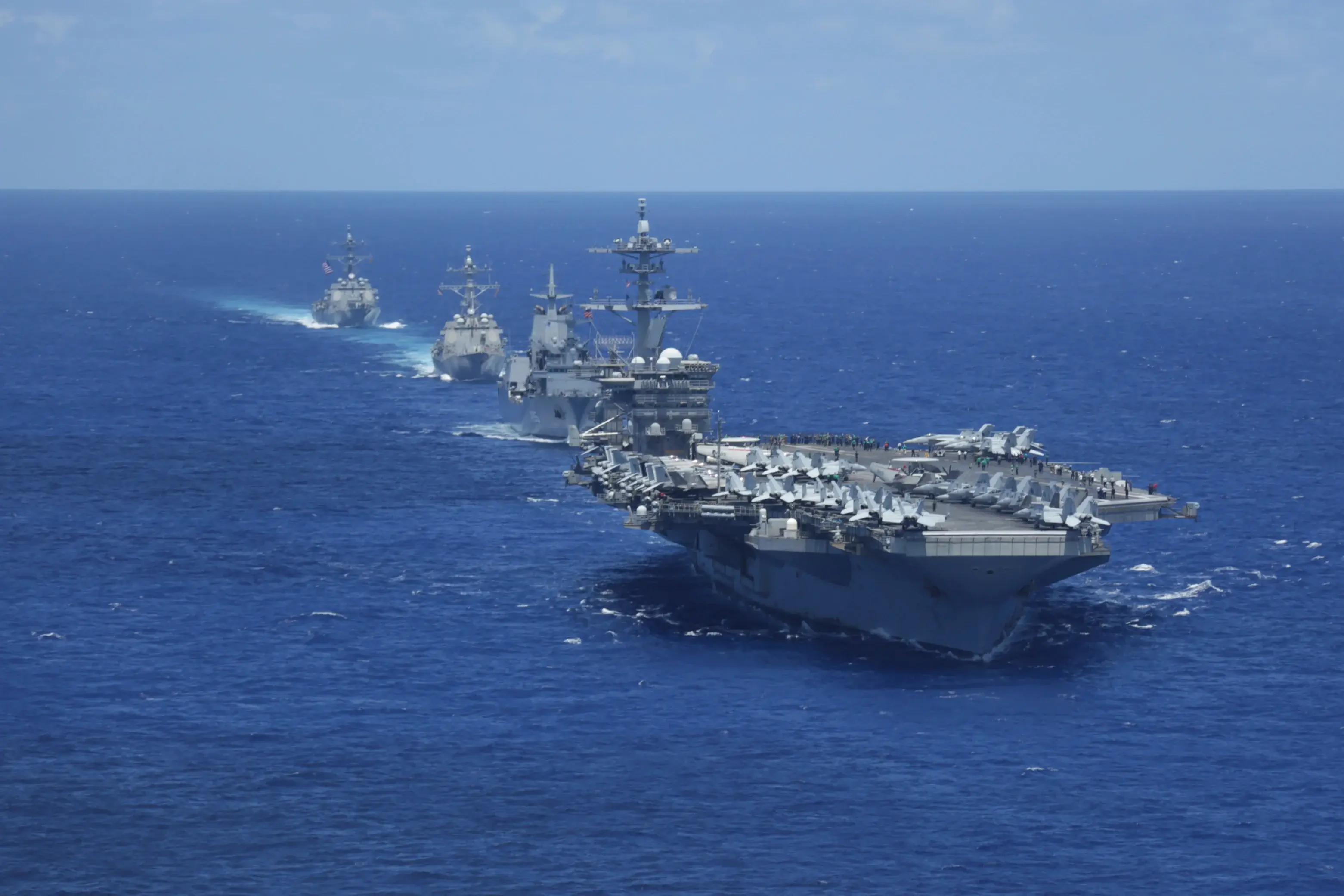
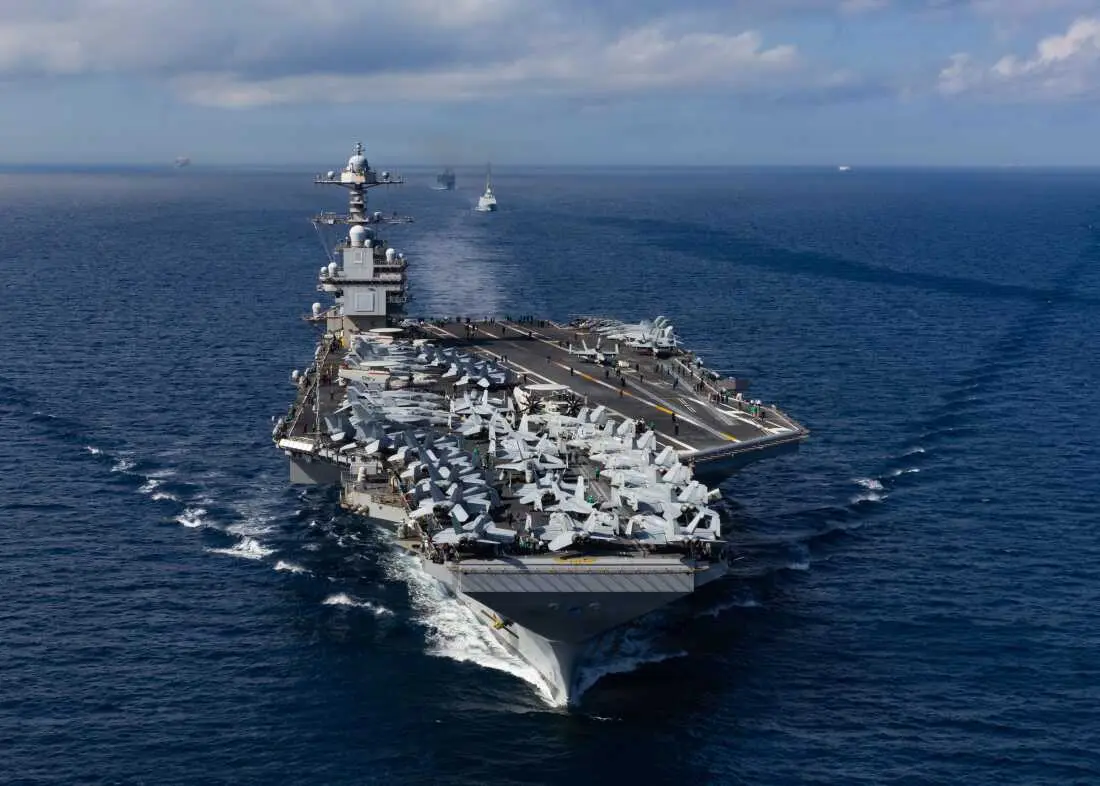
A carrier is only effective with its air wing, which includes about 60 to 90 aircraft like the F/A-18 Super Hornet. Each jet costs tens of millions of dollars to buy and thousands per hour to fly. The total value of the planes often exceeds the cost of the ship itself.
Nuclear power and maintenance
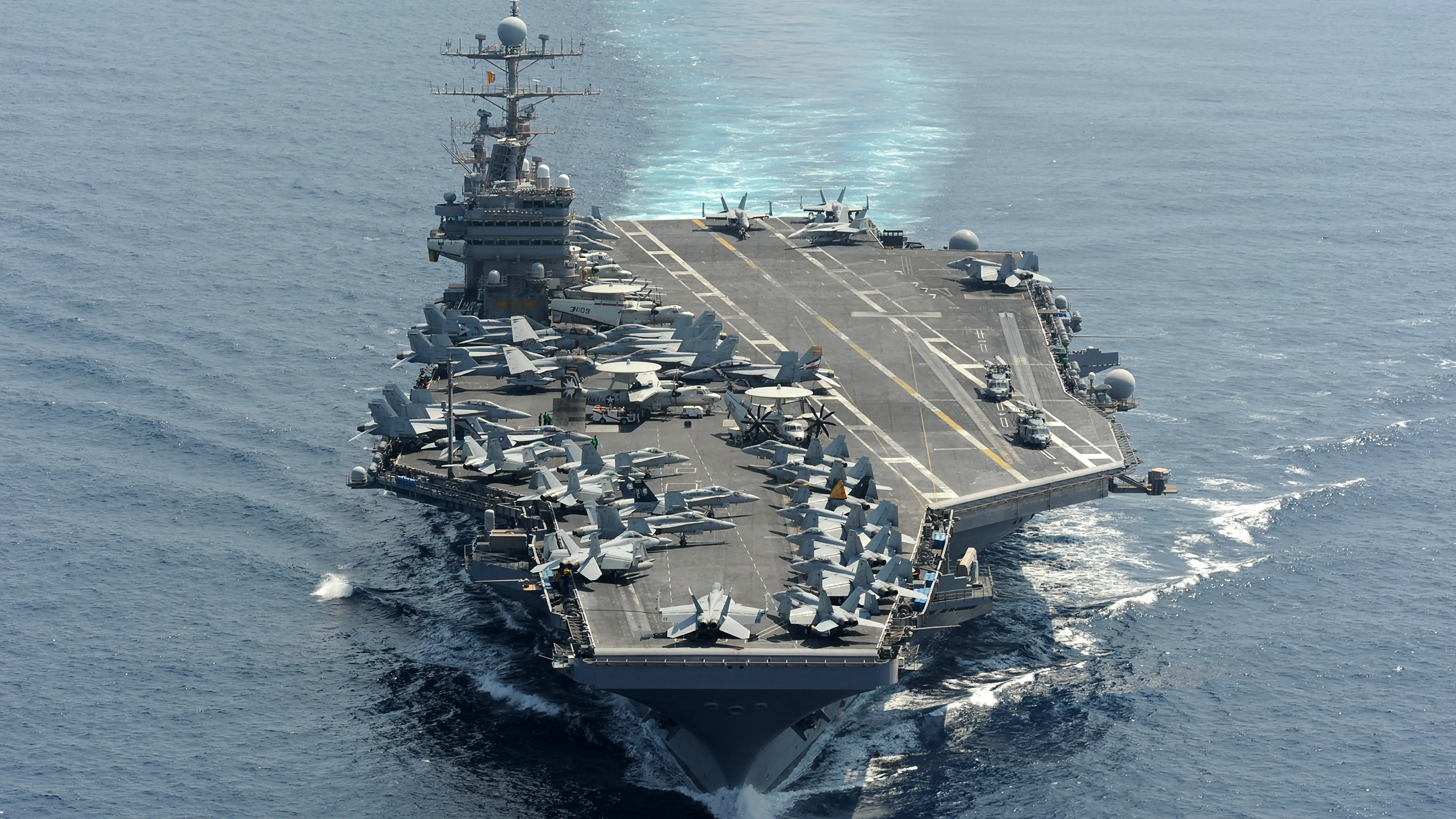
While nuclear reactors allow the ship to steam for 20 years without refuelling, the maintenance is specialized and costly. The mid-life Refuelling and Complex Overhaul (RCOH) process takes nearly four years to complete. This single maintenance period costs over $4 billion per vessel.
The carrier strike group
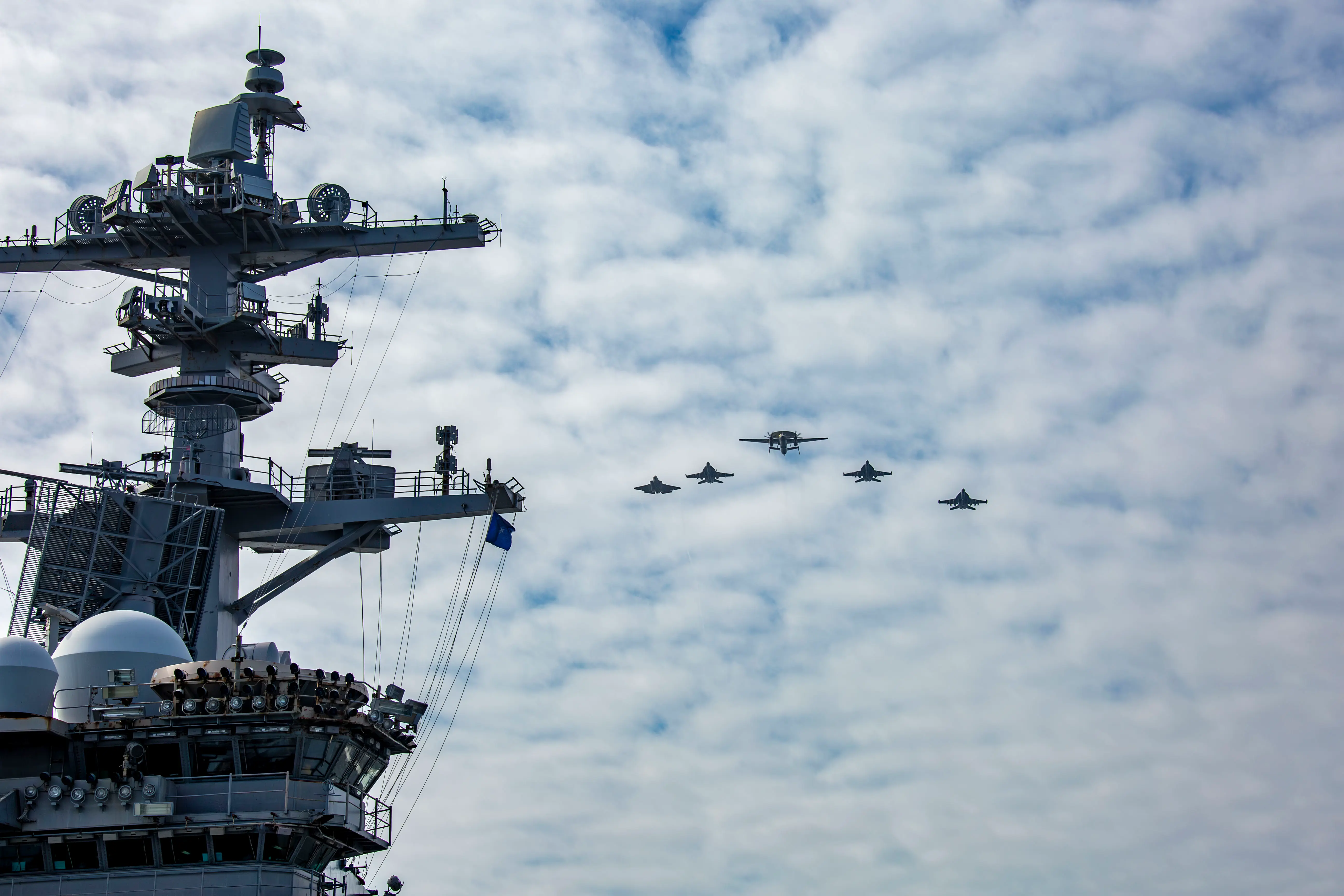
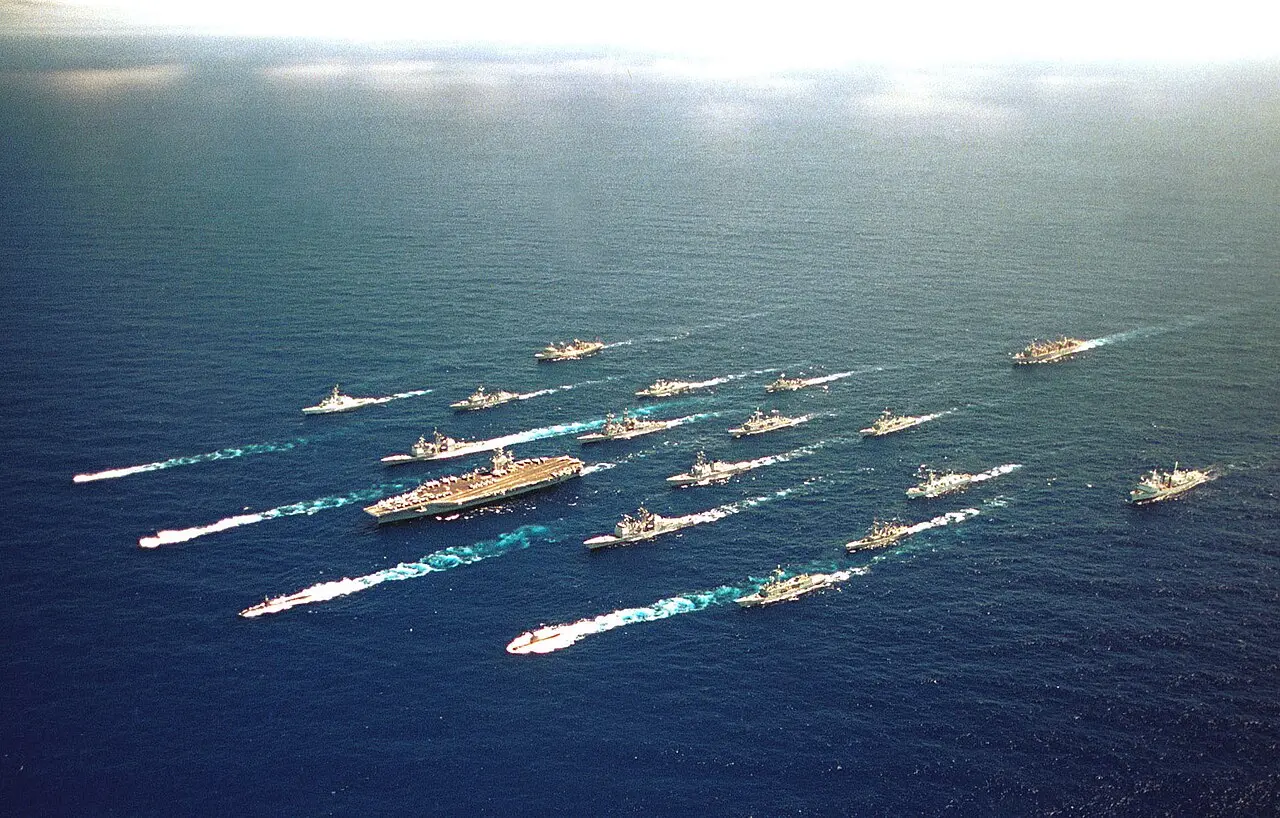
A supercarrier never travels alone and requires a protective fleet of destroyers, cruisers, and submarines. This "Strike Group" adds billions more in hardware and thousands of additional personnel to the total bill. A small nation could not afford the supporting fleet needed to protect the main ship.
Constant technological upgrades
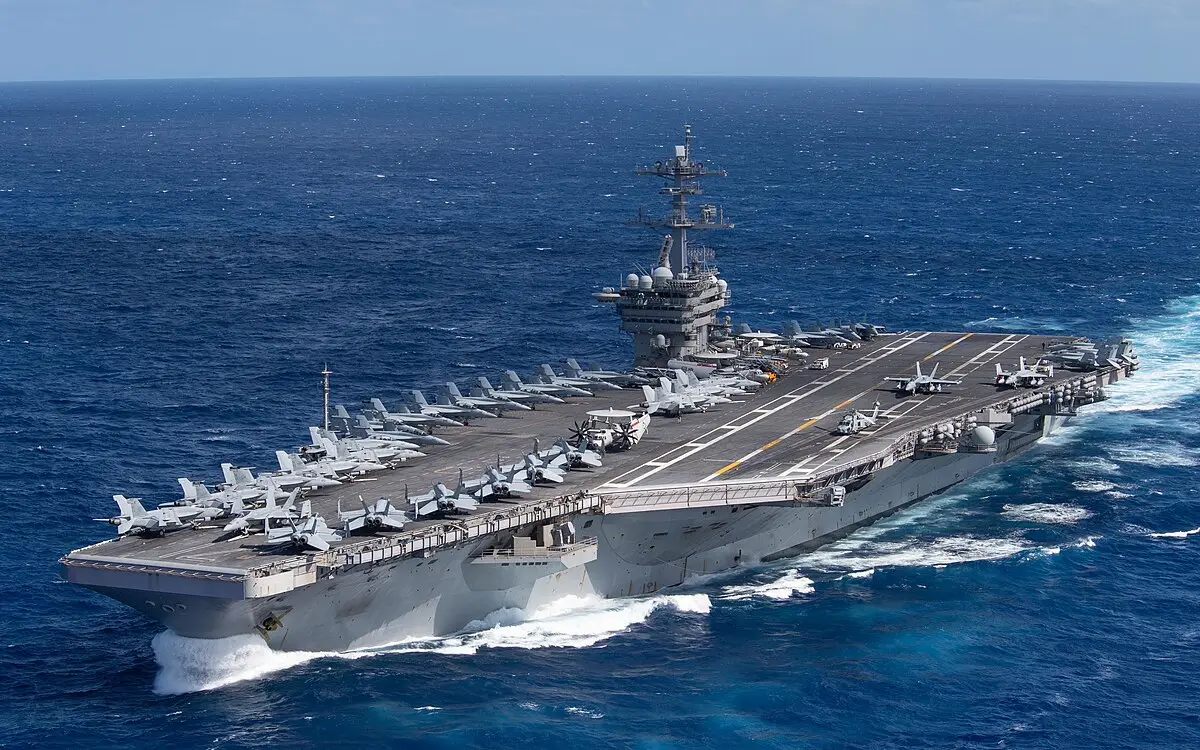
Naval technology evolves rapidly, requiring frequent and expensive software and hardware updates. To stay relevant against modern threats, the USS Abraham Lincoln undergoes regular "availabilities" for repairs and system installations. These technical upgrades require a constant flow of high-level funding and engineering expertise.
Specialised port infrastructure
Supercarriers are so large they require specific deep-water ports and massive dry docks for repairs. Most small nations lack the industrial infrastructure to house or fix a ship of this magnitude. Building these facilities from scratch would require a multi-billion dollar investment in national infrastructure.
End of life disposal
Even retiring the ship is an expensive financial burden that lasts for years. Decommissioning a nuclear carrier involves the careful removal and storage of radioactive reactor cores. The process is strictly regulated and costs hundreds of millions of dollars before the ship can be scrapped.
)
)
)
)
)