Why rockets fail despite perfect engineering

Rocket launches still fail more often than most realise. From engine faults to software glitches and tiny material flaws, even small mistakes can destroy missions. Hidden risks inside modern rockets reveal why reliability is far harder than it looks.
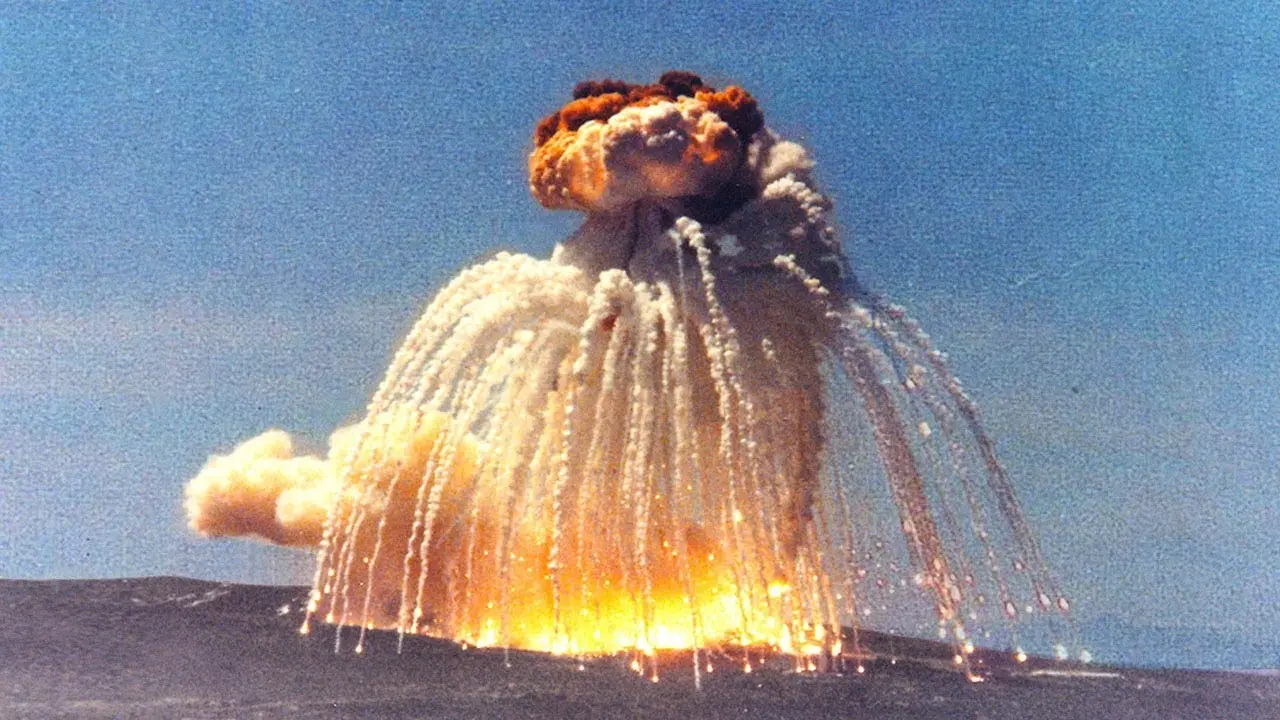
The Global Failure Rate Reality
Despite advances, global rocket failure rates remain 5-10 per cent annually. Even with 95 per cent average success, one mission fails every 20 launches, costing billions and halting programmes.
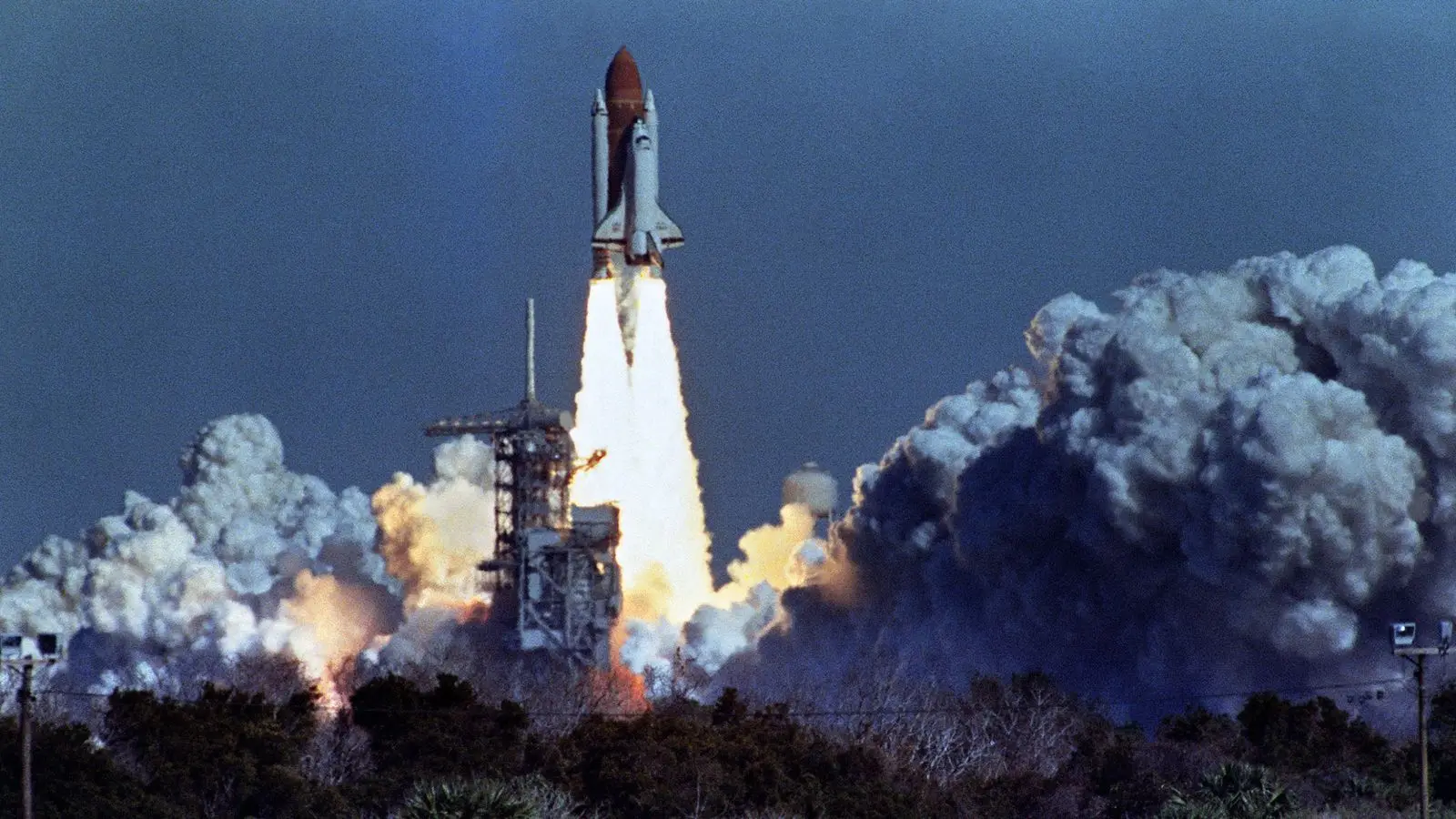
Propulsion Systems - The Primary Culprit
Propulsion causes 58-72 per cent of rocket failures. ISRO's 2025 PSLV-C61 failed due to pressure drop in the third-stage engine, exemplifying how fuel and engine systems remain vulnerability.
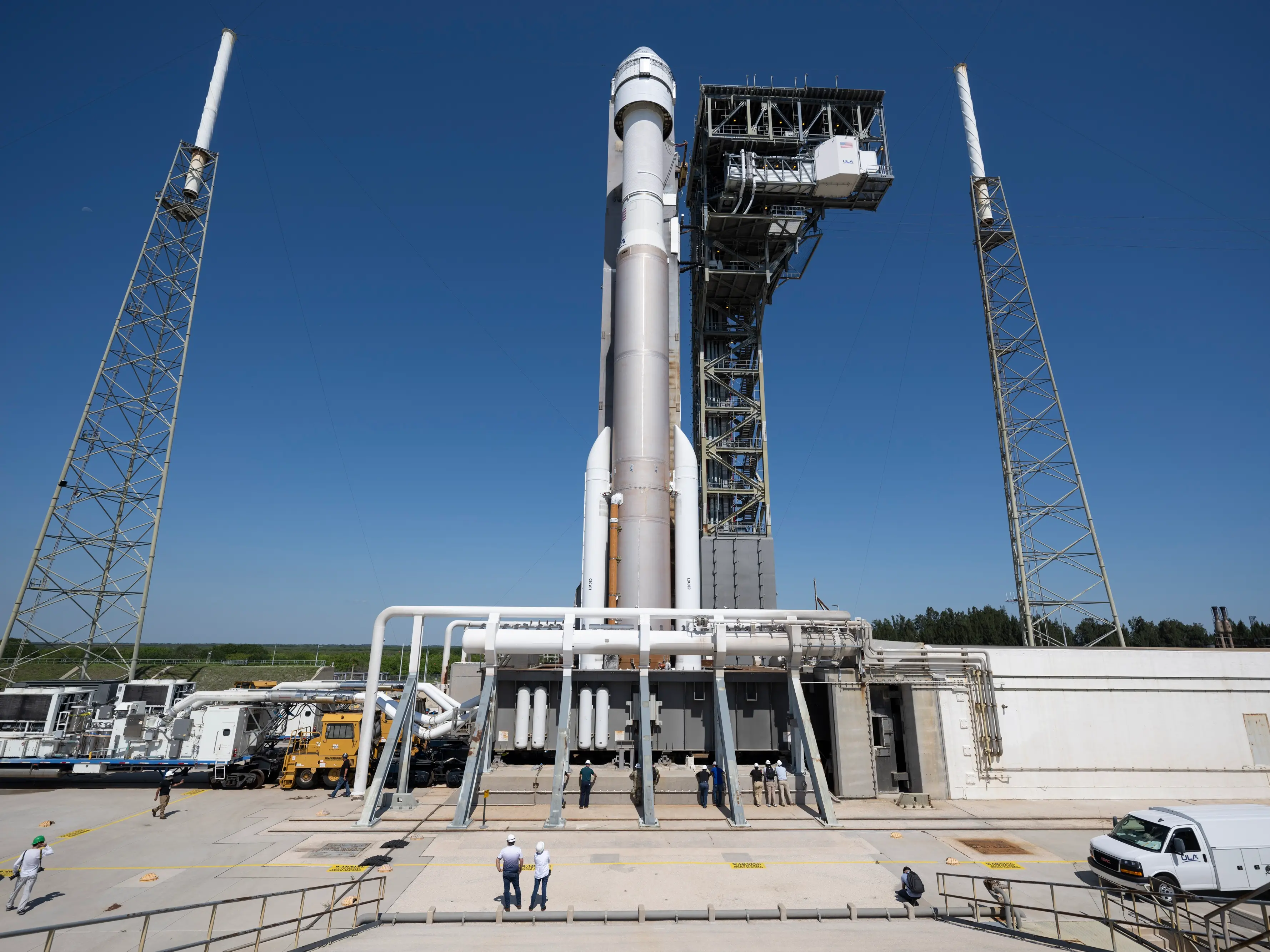
Software Errors - The Invisible Killer
Boeing's Starliner spacecraft wasted $500 million due to undetected software errors causing incorrect fuel timing. Modern rockets depend on thousands of interconnected software systems, each a potential failure point.
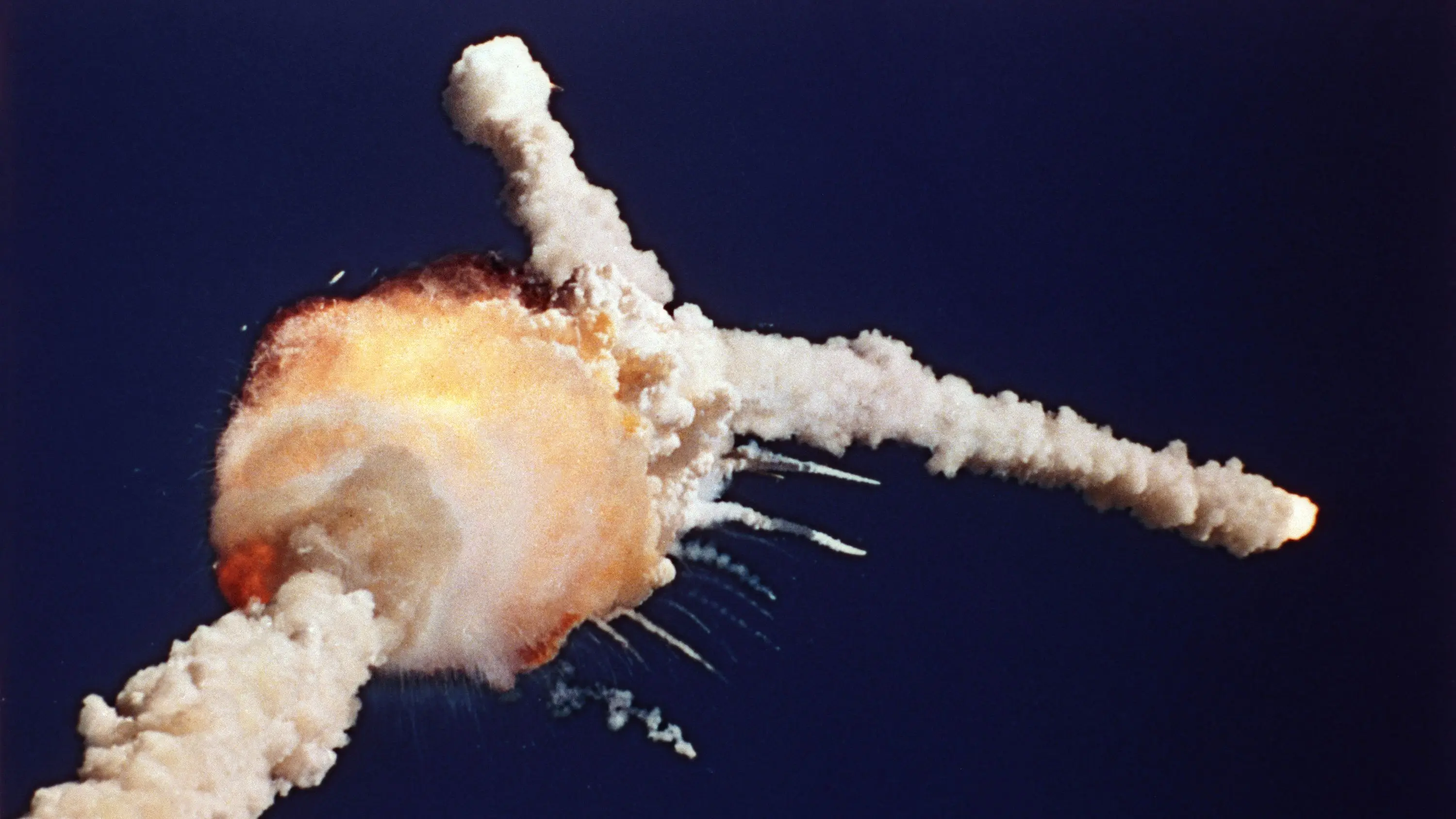
The O-Ring Lesson From Challenger
Space Shuttle Challenger failed because cold temperatures stiffened rubber O-rings, preventing seals. Hot gases leaked into the external tank, destroying the shuttle moments after launch. Perfect engineering failed due to overlooked materials science.
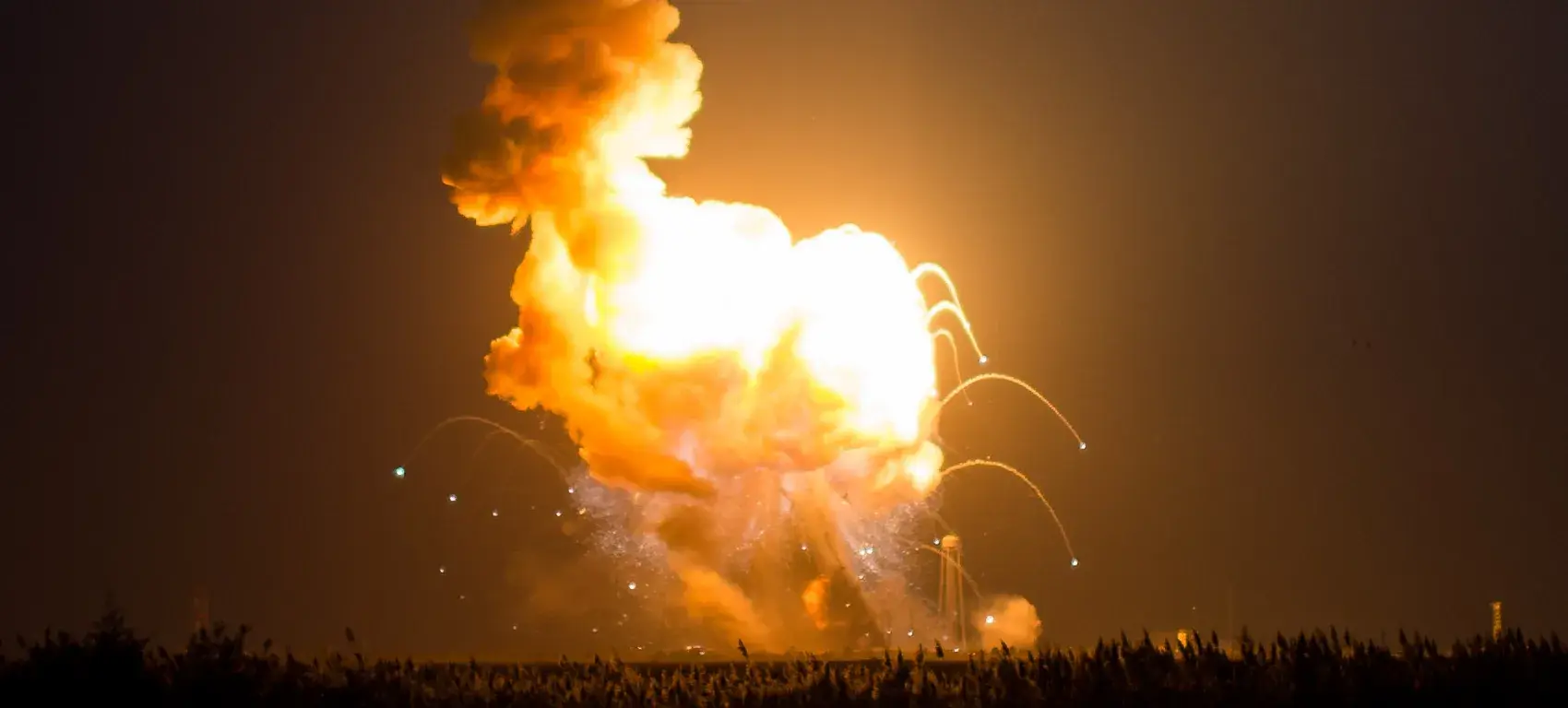
Trajectory and Control System Failures
Thirty-six percent of failures involve attitude control and stage separation systems. Spectrum Rocket tumbled 25 seconds after launch when control systems failed despite nominal initial ascent in 2025.
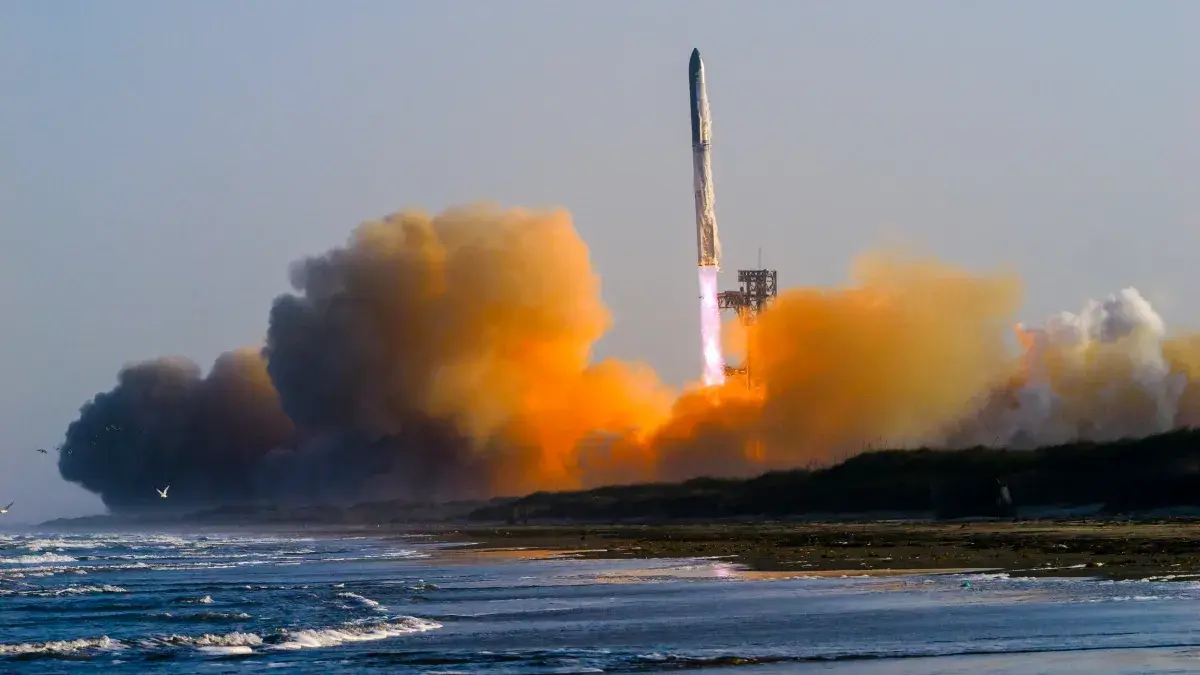
Pogo Oscillations - Fuel Pressure Resonance
SpaceX Starship Flight 8 suffered fuel pressure fluctuations resonating with mechanical vibrations, creating destructive oscillations. This damaged fuel lines, caused methane leaks, and triggered cascading engine failures.
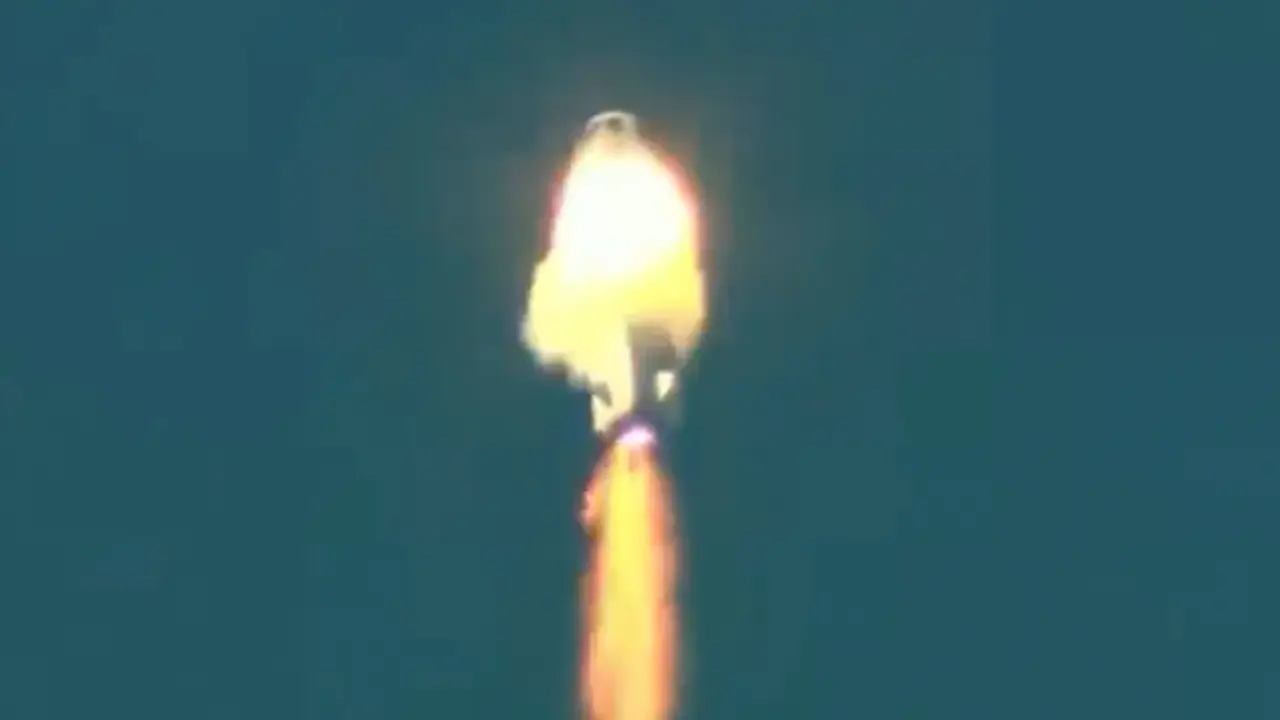
Temperature Surprises - The Blue Origin Case
Blue Origin's NS-23 mission failed when engine nozzle temperatures exceeded design limits. Operating temperatures surpassed analysed thresholds, causing thermostructural failure despite all other systems performing correctly.
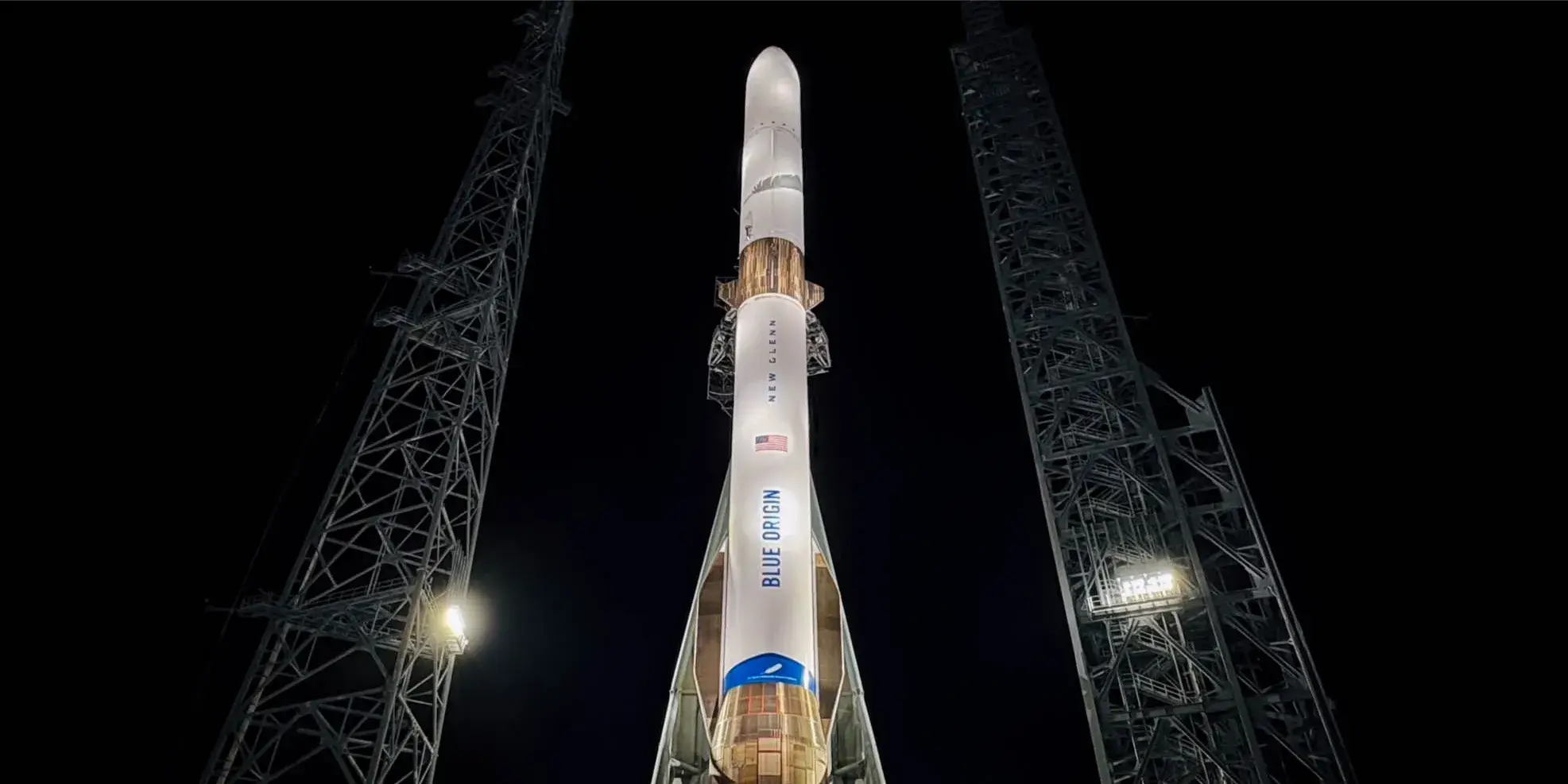
Human Error in Manufacturing
Blue Origin's New Glenn segment collapsed when workers moved it between environments without monitoring temperature changes or opening pressure valves. The cooling component crushed like a soda can, delaying the entire programme.
New Rockets Fail More Often
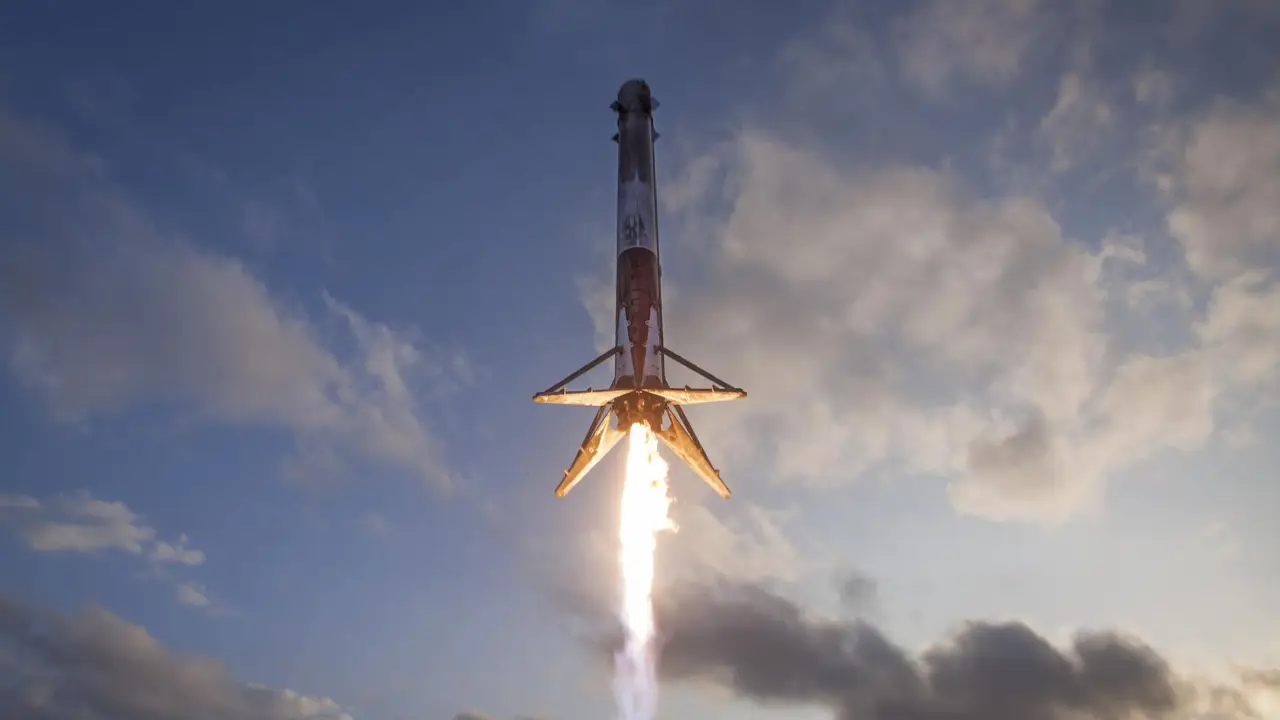
First and second flights of new rockets fail 30 per cent of the time compared to 5 per cent for mature vehicles after ten flights. Experience and iteration dramatically improve reliability through learning.
Systems Complexity - The Real Problem
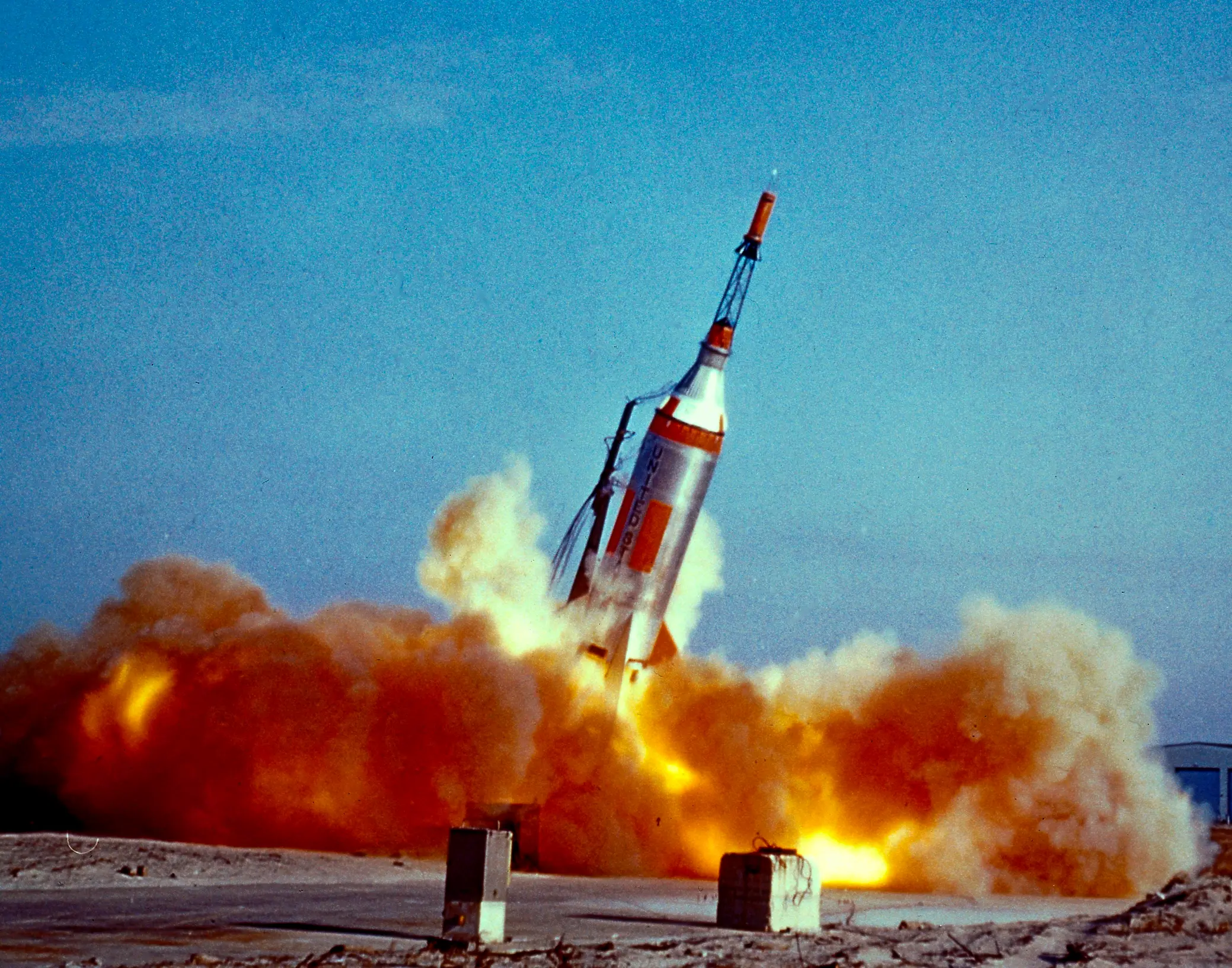
Rockets contain hundreds of interconnected subsystems requiring perfect coordination. Every launch depends on dozens of complex steps validated across departments. One overlooked interaction cascades into total mission failure.
)
)
)
)
)