Why repeated fighter jet ejections usually end a flying career?

Each ejection comes at a serious physical and career cost. Most pilots who eject more than once rarely return to front-line flying duties.
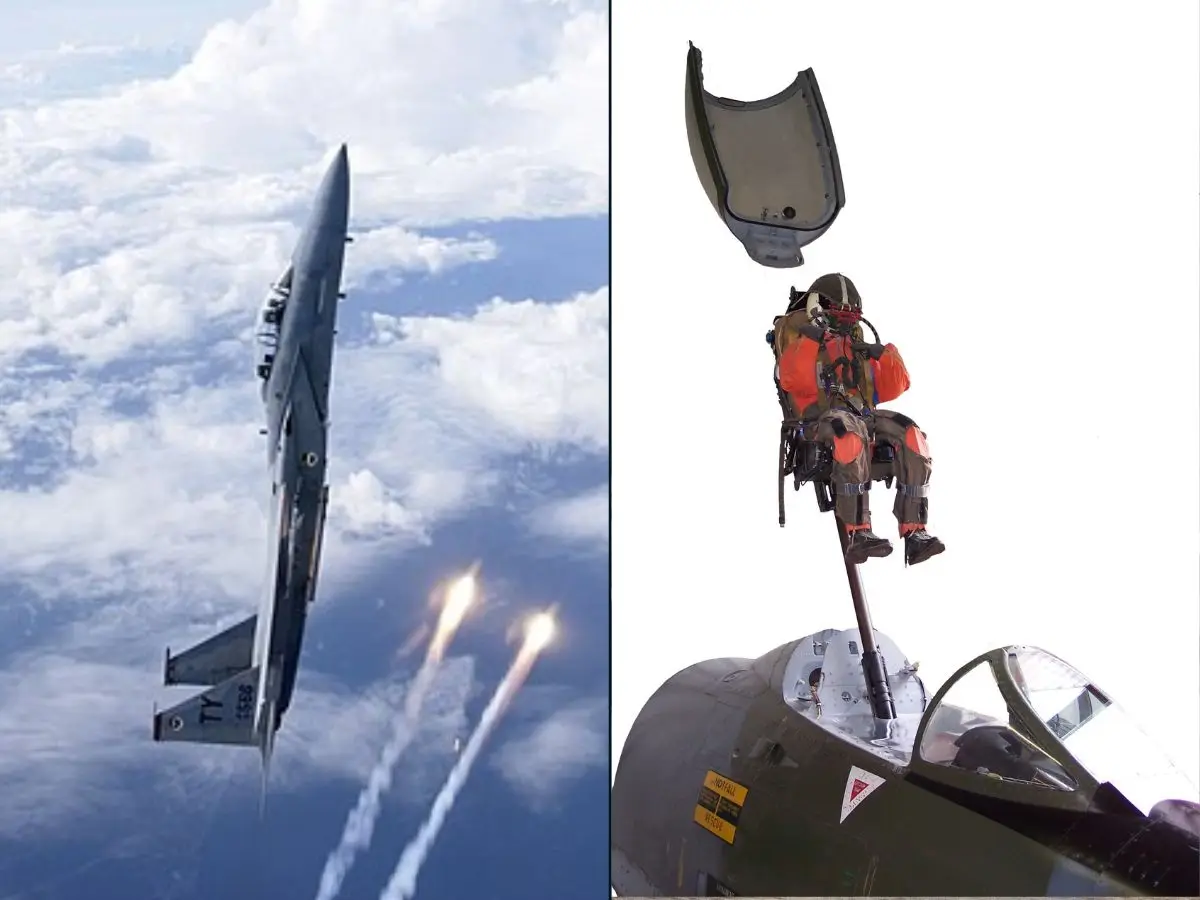
The high cost of survival
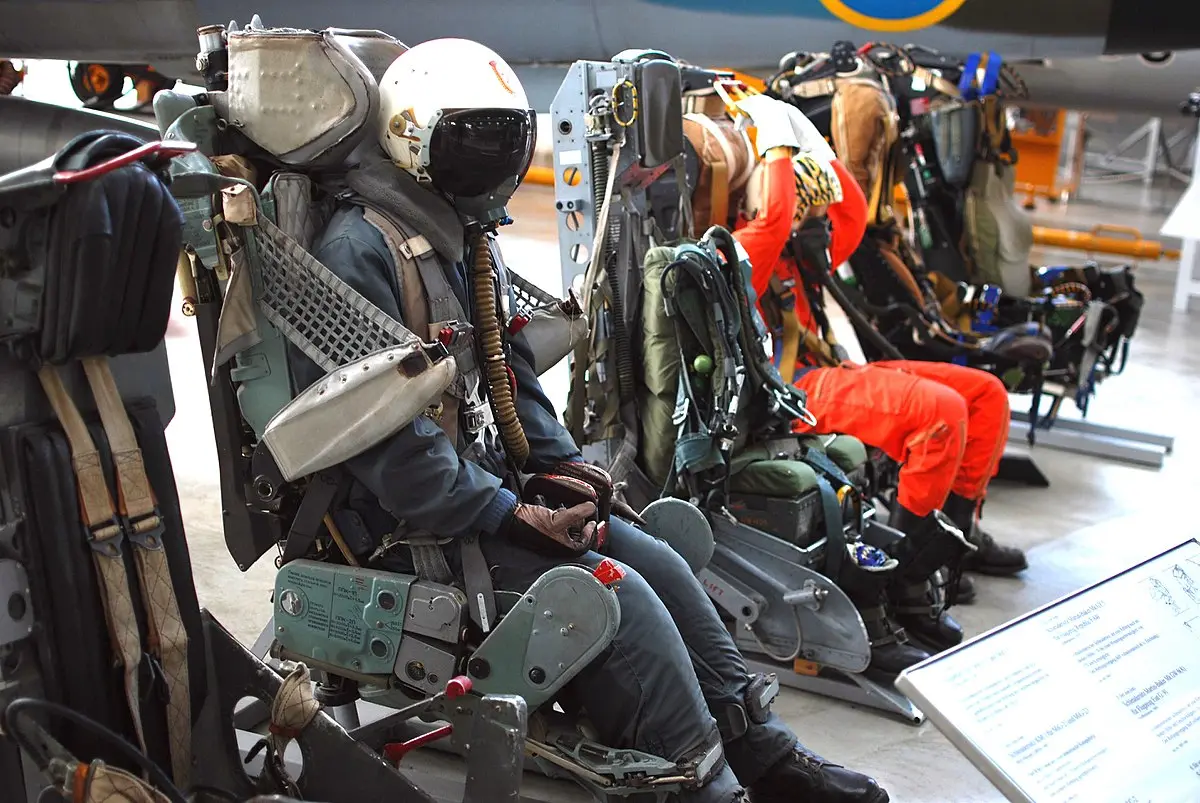
Every fighter pilot trains for the moment they might have to pull the ejection handle, but few outside aviation realise what comes next. Since the first modern ejection seats in the late 1940s, thousands of pilots have survived what would otherwise have been fatal crashes. Ejecting isn’t just about trading a doomed jet for a parachute; it means subjecting the human body to forces often exceeding 12–14 Gs in a fraction of a second. Spinal compression, fractured vertebrae and long‑term musculoskeletal damage are common consequences, even when the pilot walks away. Each ejection comes at a serious physical and career cost. Most pilots who eject more than once rarely return to front-line flying duties.
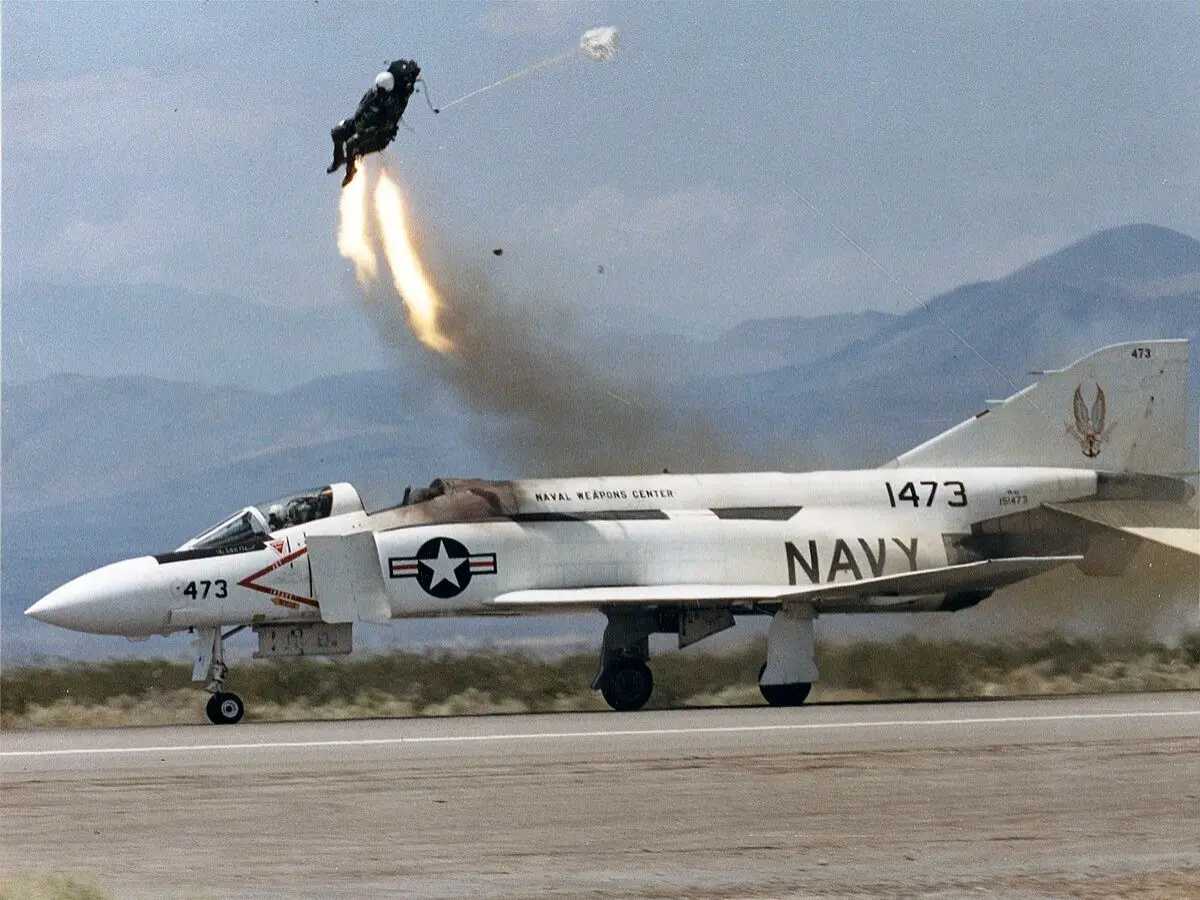
What happens during an ejection
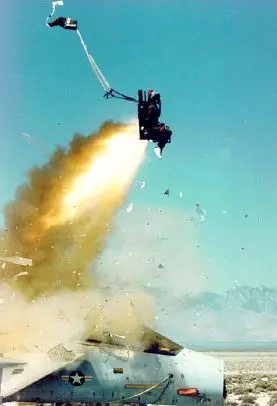
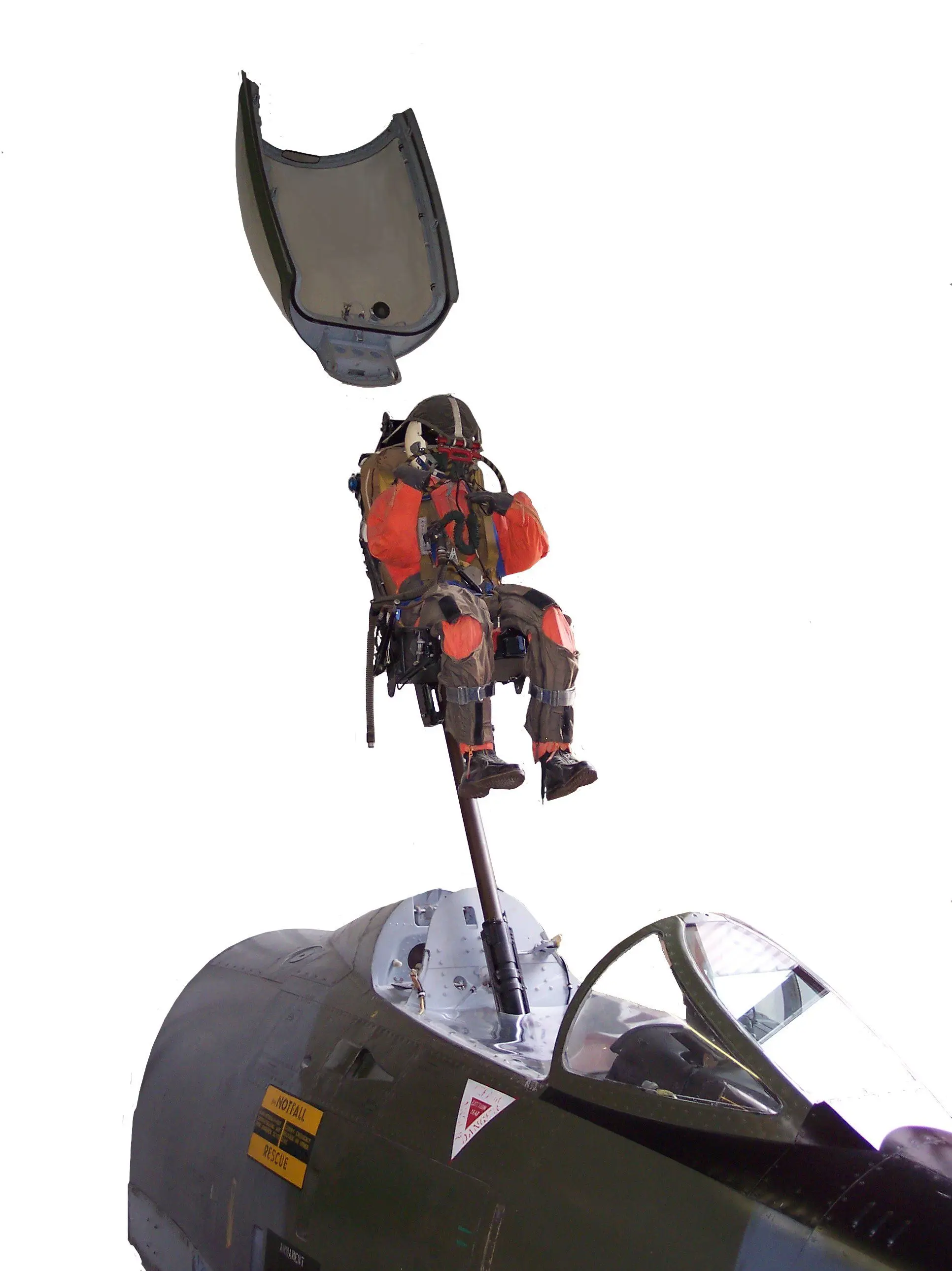
An ejection is violent by design. Explosive charges or rockets blast the seat, and the pilot, clear of the aircraft in fractions of a second. Peak forces can exceed 20 Gs, compressing the spine and jarring the body. Even with modern cushioned seats, pilots often suffer spinal fractures, neck injuries or soft tissue trauma.
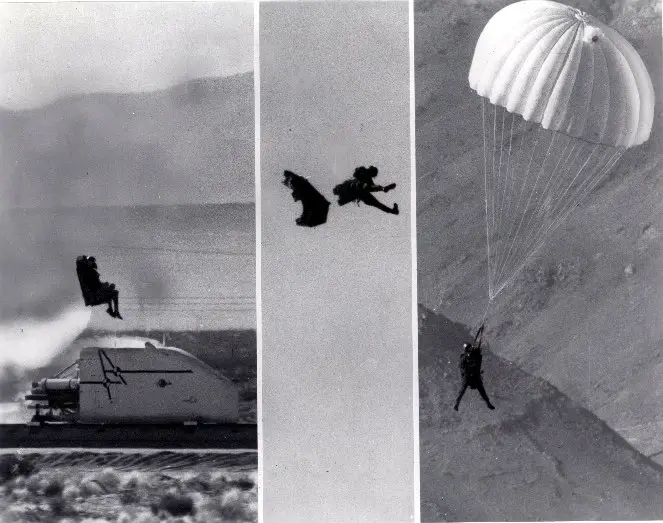
Injuries that stay hidden
Beyond visible injuries, ejections can cause hidden damage. Spinal discs may weaken or slip over time. Pilots can develop chronic back pain, nerve damage or reduced range of motion. These conditions might not prevent daily life activities but can be career-ending in high-performance flying, where perfect physical condition is essential.
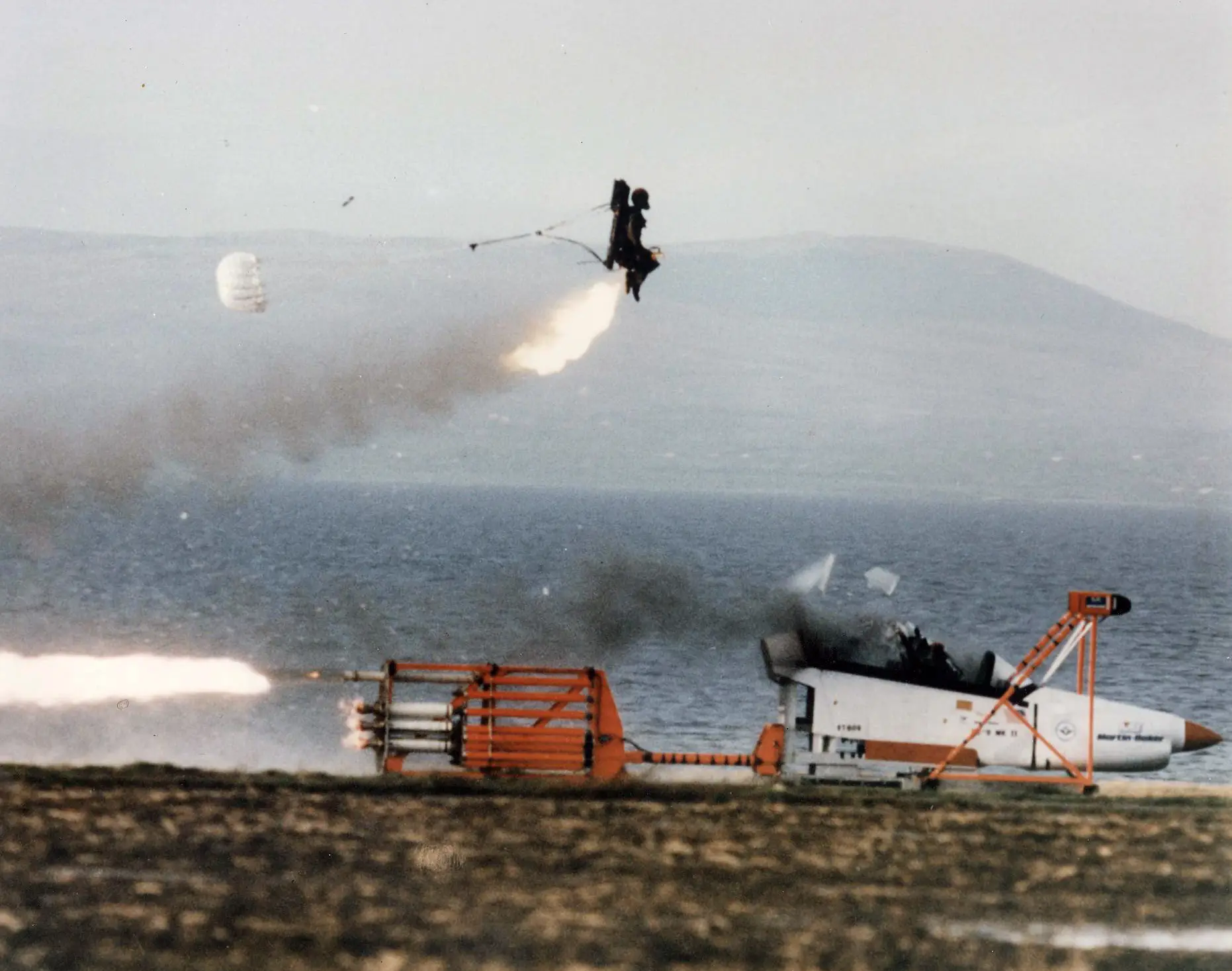
Medical standards and why they matter
Air forces set strict medical standards. Fighter pilots must endure high G-forces, sudden manoeuvres and extended missions without impairment. After an ejection-related spinal injury, even if surgically repaired, a pilot may not meet these standards again. One ejection might be recoverable; a second often leads to grounding.
Psychological factors
Repeated ejections also bring psychological strain. Knowing that a previous ejection nearly caused paralysis or chronic pain can affect confidence in the cockpit. Some pilots develop anxiety or post-traumatic stress, further influencing medical boards’ decisions to limit or end flying status.
Notable exceptions
A few pilots have returned after multiple ejections. Russian test pilot Vladimir Ilyushin reportedly ejected twice and kept flying. RAF pilot Jimmy Dell returned after ejecting in 1967. But such cases are rare and often depend on both luck and exceptional medical recovery.
Why careers usually end
Modern ejection seats save lives, but they are inherently traumatic. One ejection can be overcome; two or more often leave injuries that fail strict aviation medical standards. This isn’t about punishment but about ensuring the pilot, crew and mission remain safe in the extreme environment of air combat.
)
)
)
)
)