Why radar systems struggle to detect the F-22

The F-22 Raptor evades detection using a 0.0001 sq metre radar cross-section, radar-absorbent materials, internal weapons, and identical 42-degree wing sweeps to scatter enemy signals.
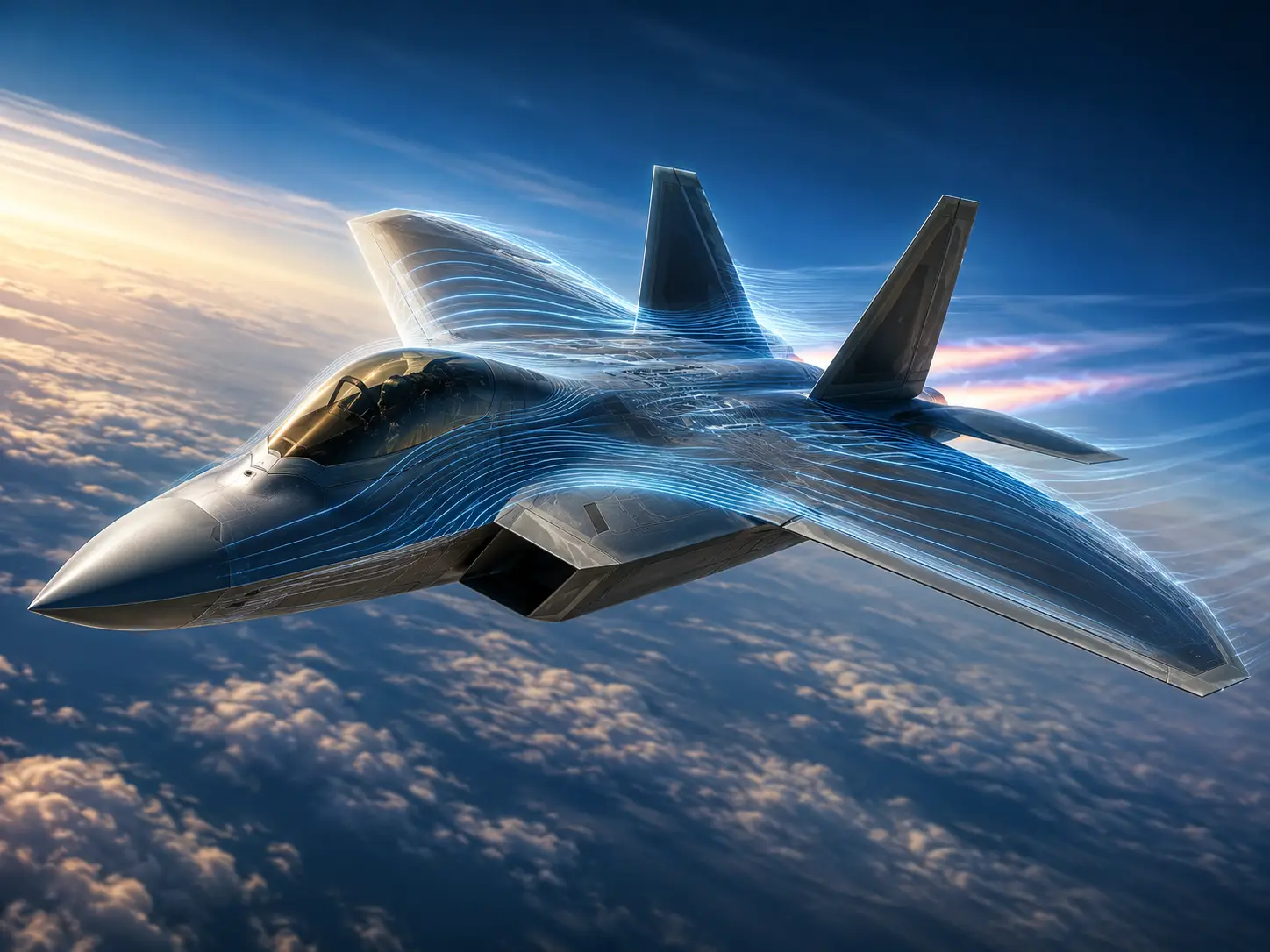
0.0001 sq metre RCS
The primary defence of the F-22 is its remarkably small radar cross-section, measuring approximately 0.0001 square metres. This structural design ensures the 19-metre aircraft registers on enemy radar screens as roughly the size of a marble. It delays enemy tracking until it is far too late to react.
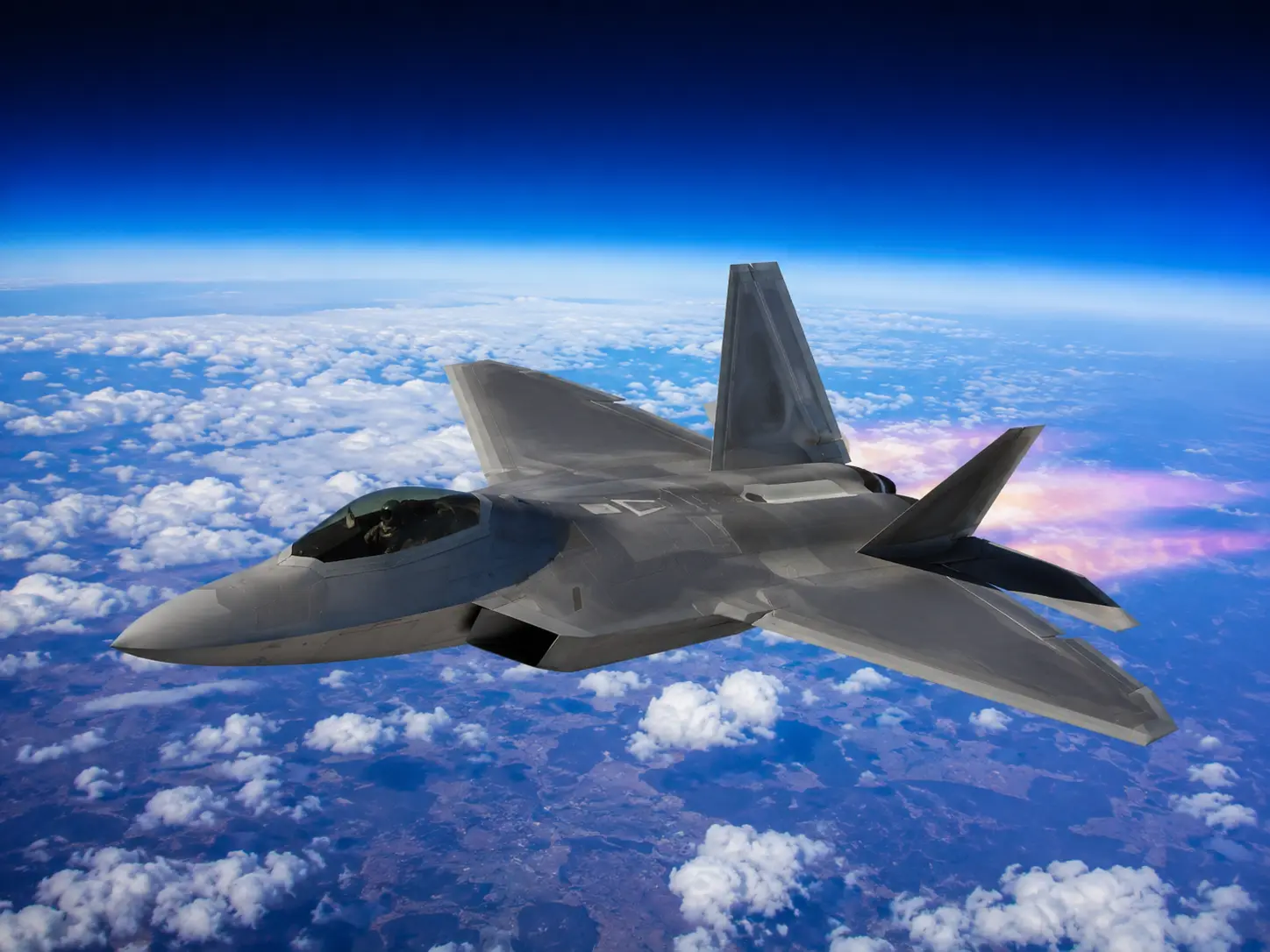
Minus 40 dBsm rating
Radar visibility is measured in decibel square metres, and the Raptor achieves a minus 40 dBsm rating. To maintain this, the entire outer skin is covered in Radar Absorbent Material. This chemical layer absorbs incoming electromagnetic energy and converts it into heat instead of reflecting it.
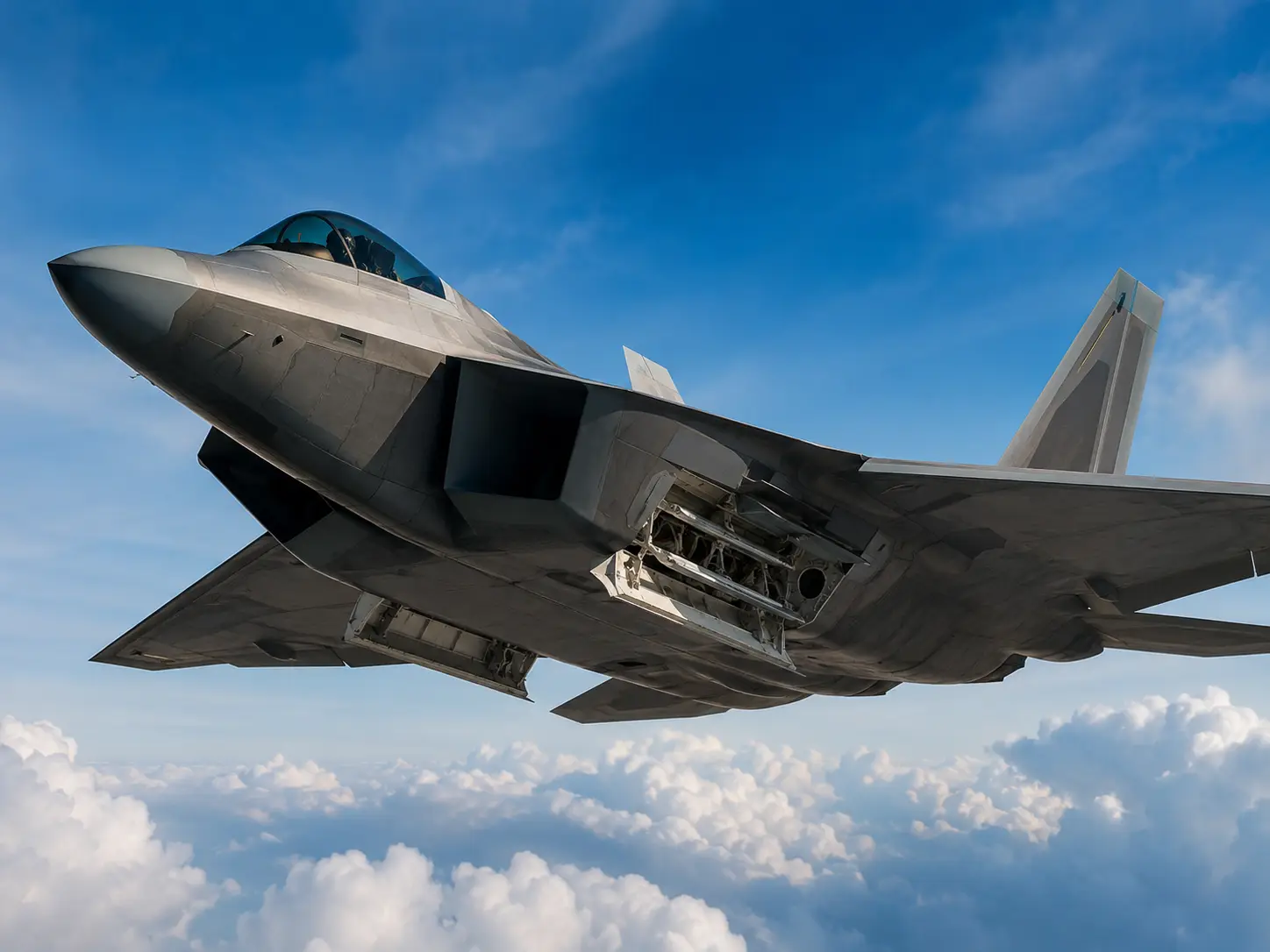
Zero exposed weapon pylons
Conventional fighters carry missiles on their wings, creating right angles that bounce radar signals perfectly. The Raptor hides its entire combat payload inside internal bays to maintain a smooth aerodynamic profile. This strict structural discipline ensures no external geometry betrays its position.
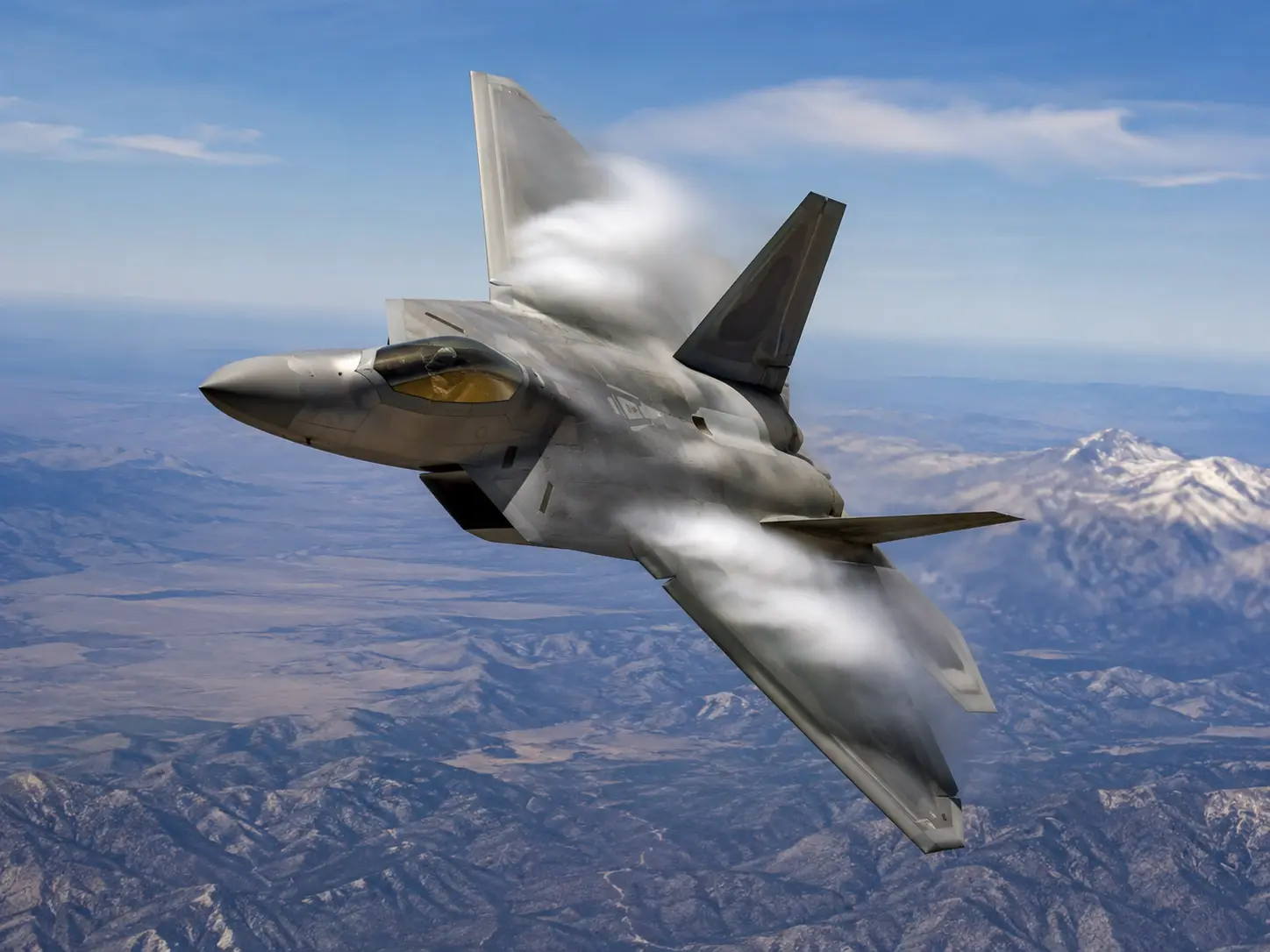
42 degree wing sweep
Aircraft geometry plays a crucial role in deflecting radar waves safely away from the source receiver. Engineers designed the F-22 with a precise 42-degree sweep angle on its main wings, tailplanes, and inlet edges. This identical alignment scatters incoming radar energy into harmless directions.
1,000 radar frequency changes
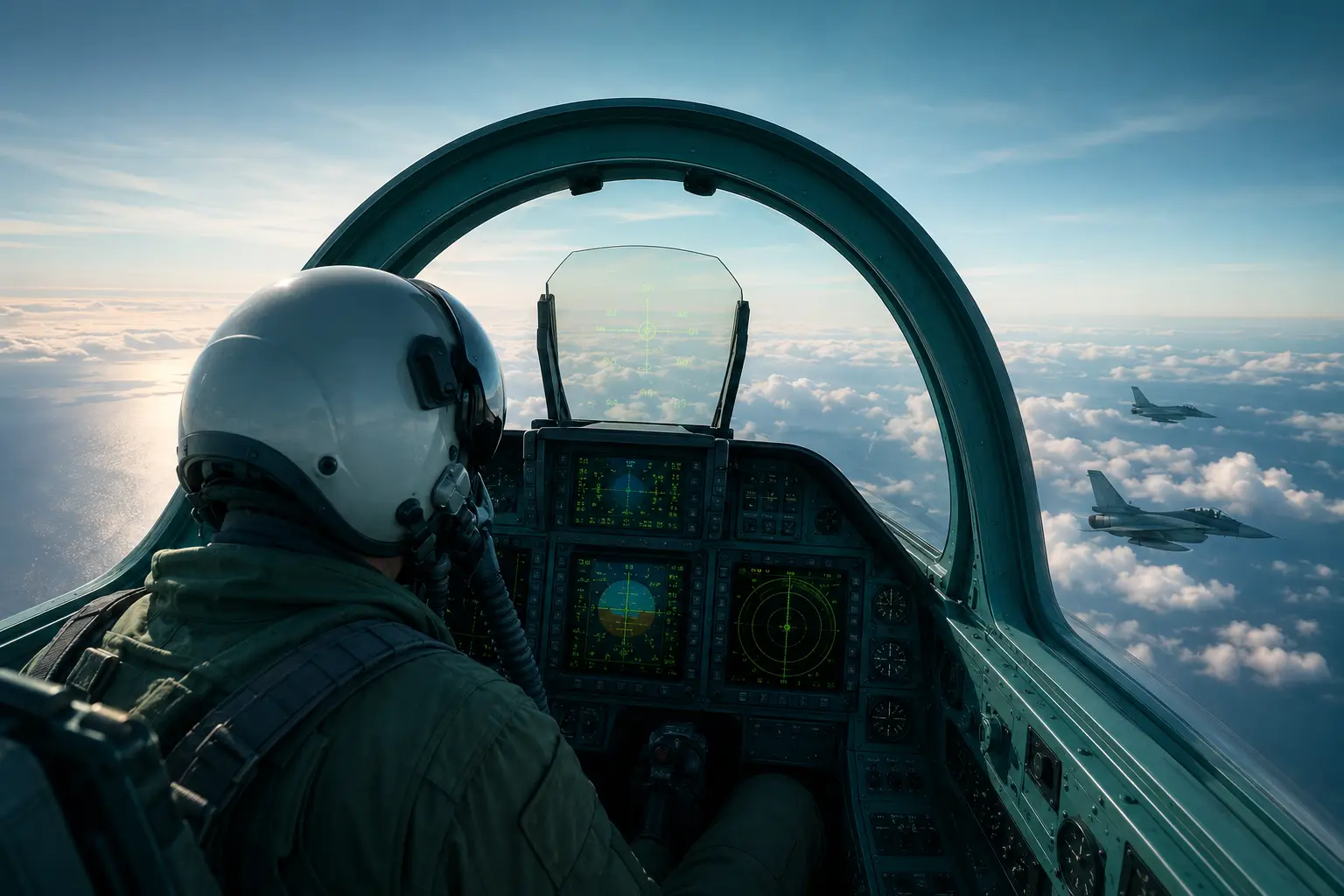
Using active radar usually betrays a fighter jet's location, but the Raptor utilises a Low Probability of Intercept system. The AN/APG-77 radar changes its frequencies over 1,000 times per second while scanning the sky. Enemy sensors cannot lock onto these rapid, low-energy pulses to trace the jet.
)
)
)
)
)