Why pilots wear helmets weighing 2+ kg

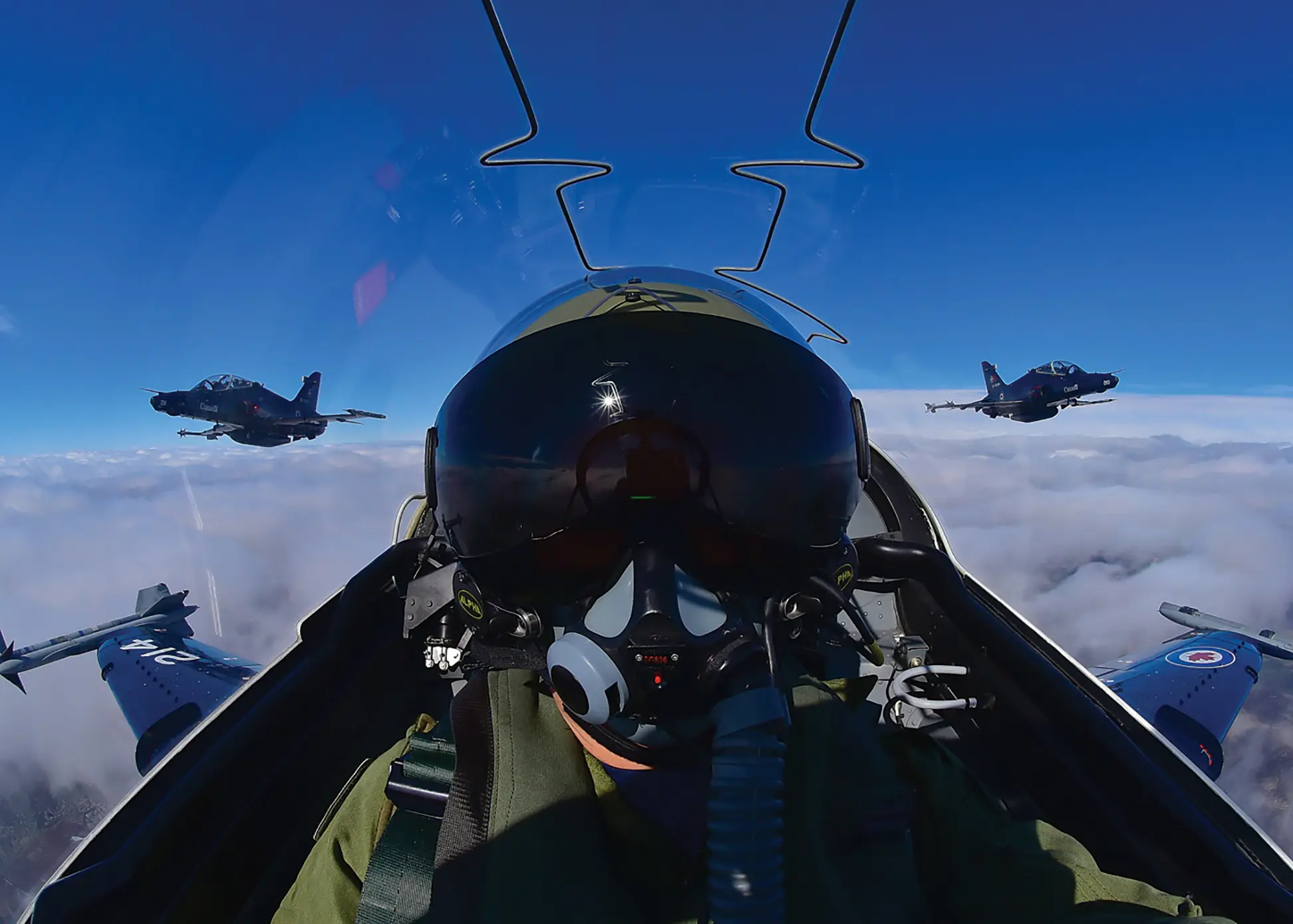
Fighter pilot helmets weigh 2+ kg because they integrate protective materials, communication systems, oxygen connections, and night vision mounts. Under 9-14G forces during combat, helmets feel much heavier, creating neck stress pilots manage through training and conditioning.
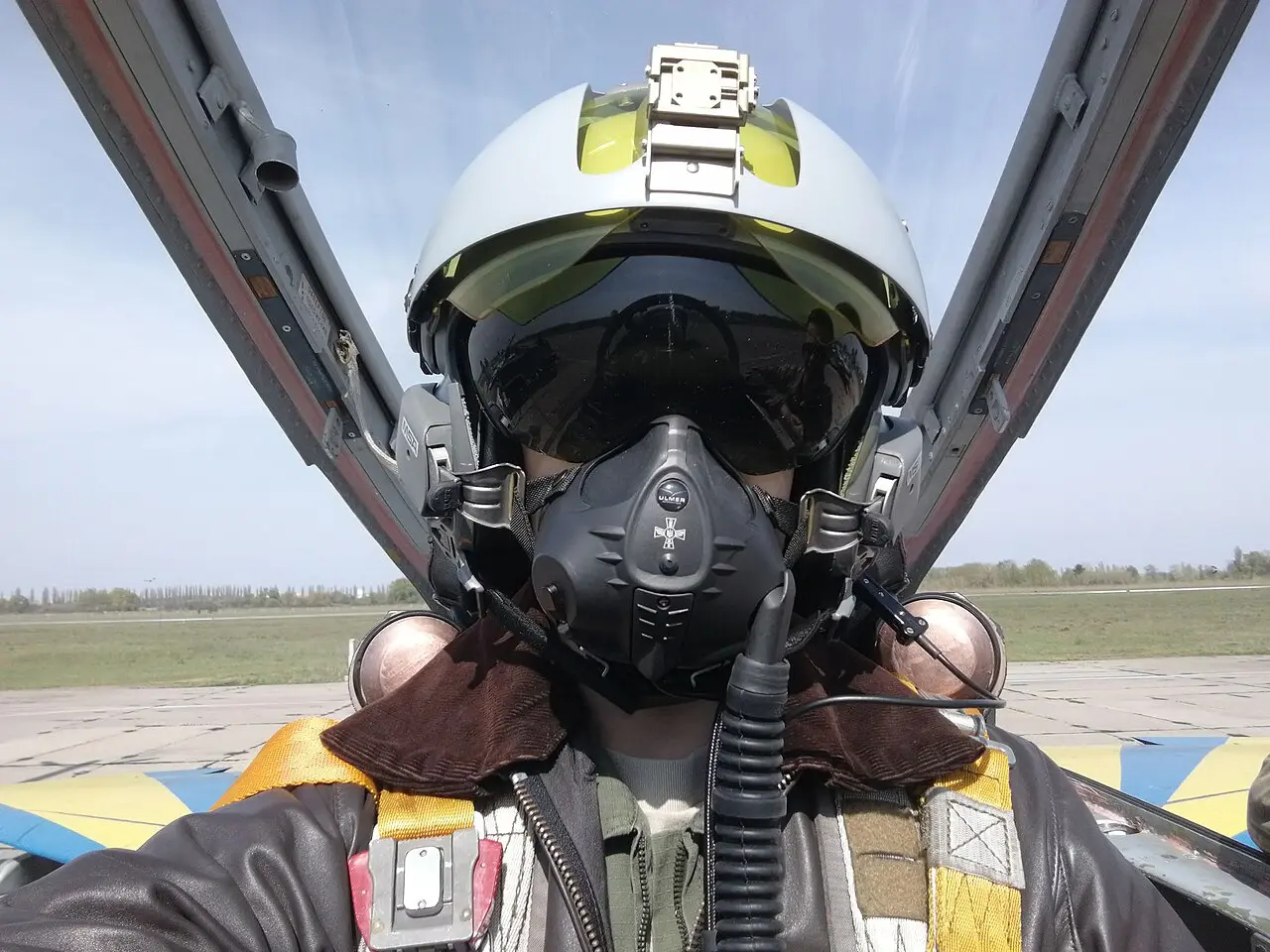
Standard Helmet Weight - Military Specifications From 1.5 to 2.5 kg
Fighter pilot helmets like the HGU-55/P and HGU-56/P weigh approximately 1.5 to 2.0 kilograms without additional systems installed. When integrated with night vision goggle mounts weighing 1 to 2 kilograms, total helmet weight increases to 2.5 to 4.0 kilograms. The basic helmet shell made from aramid fabrics and composite materials accounts for roughly 300 to 450 grams of this weight. Communication systems, visor assemblies, oxygen mask connections, and structural reinforcement account for the remaining weight. Military standards specify minimum weight thresholds to ensure adequate protective material, yet require designs that limit excessive weight causing neck stress and pilot fatigue.
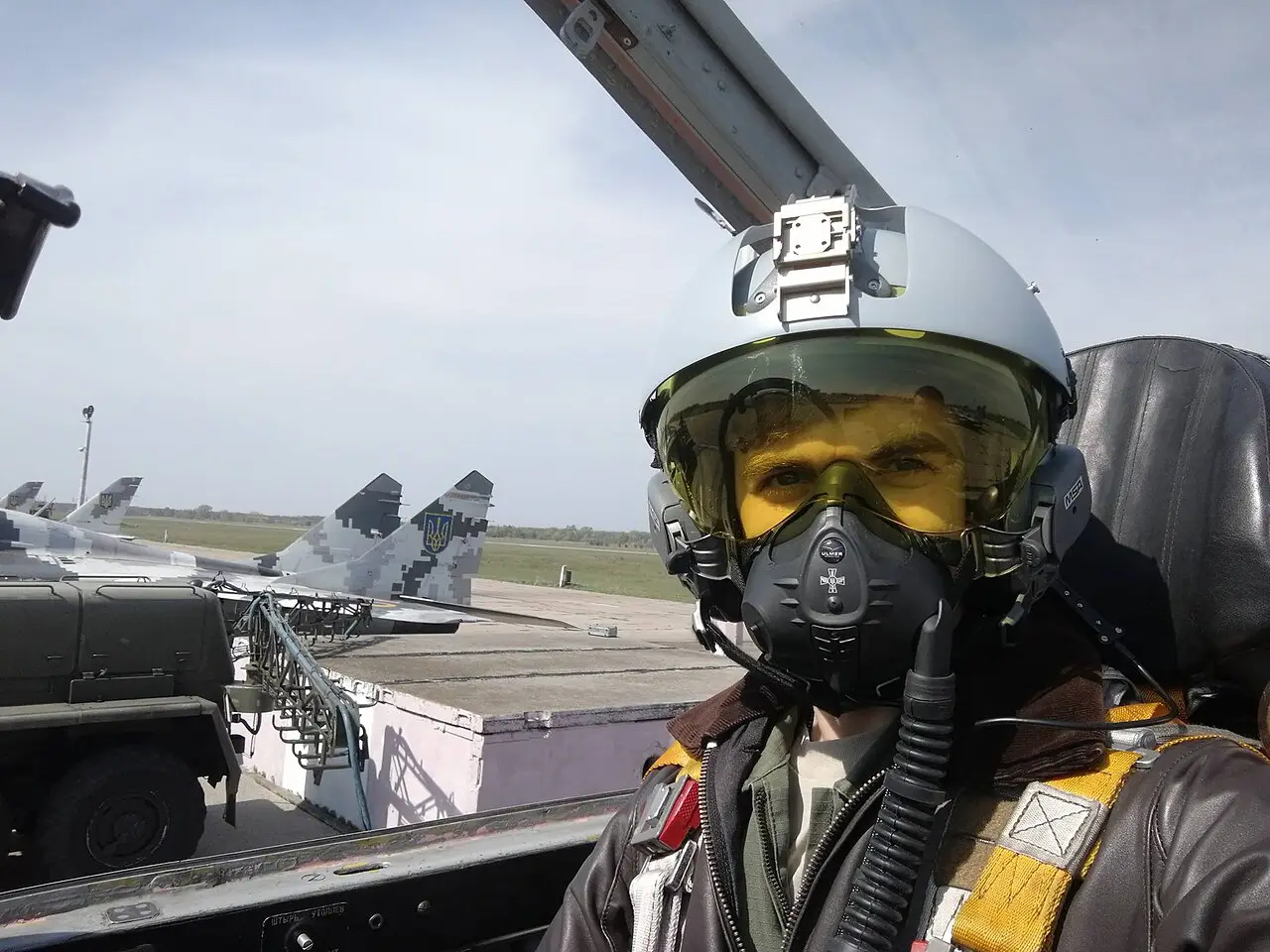
Gravity Multiplication Effect - 1.5 kg Helmet Feels Like 21 kg at 14G
Combat pilots experience extreme acceleration forces during aerial manoeuvres, with g-forces reaching 9 to 14 times Earth's gravity. Under these conditions, the perceived weight of equipment multiplies proportionally. A 1.5 kilogram helmet feels like 9 kilograms at 6G, 13.5 kilograms at 9G, and approximately 21 kilograms at 14G acceleration. This multiplication places extraordinary stress on pilot neck muscles and cervical spine. Fighter pilots must undergo intensive physical conditioning to manage these loads, including neck strengthening exercises and g-suit training. Despite these demands, comprehensive helmet protection remains essential for pilot safety, establishing 2+ kilogram designs as necessary compromise between protection and physiological capability.
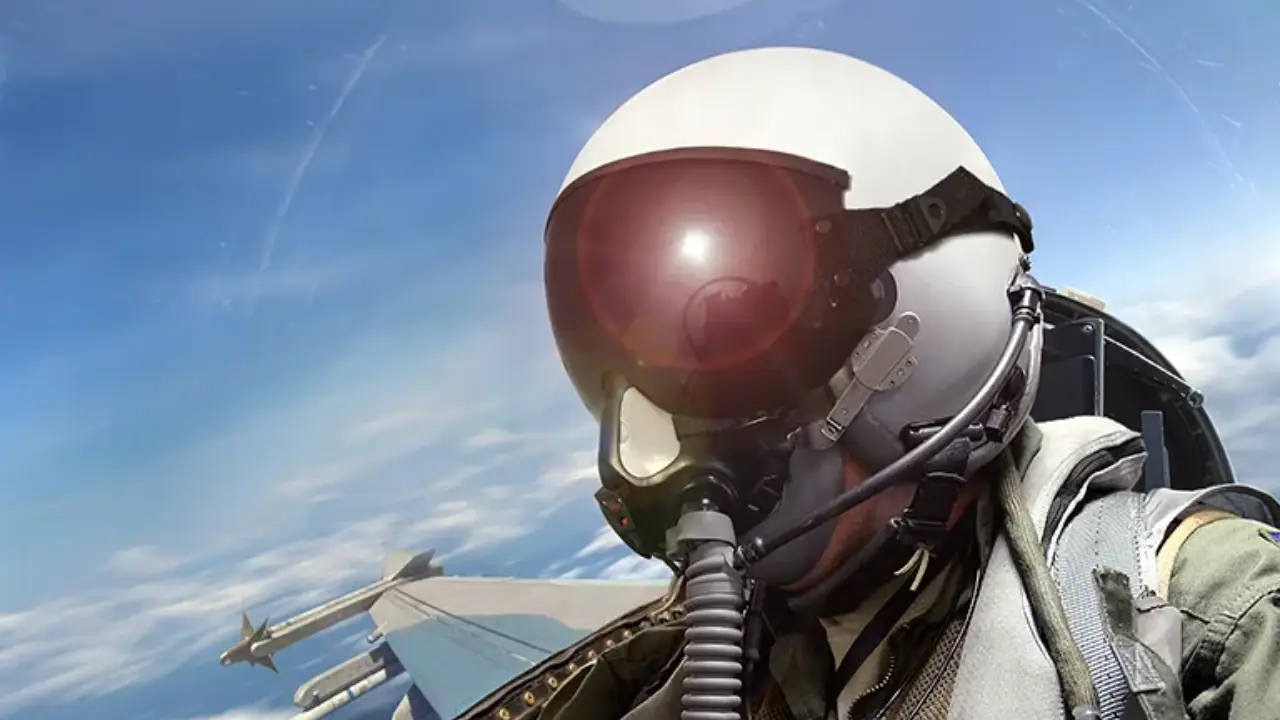
Aramid and Kevlar Materials - Impact Protection With Minimal Weight
Fighter pilot helmet shells use aramid fibres and Kevlar composites providing superior strength-to-weight ratios. Aramid materials absorb impact energy effectively, dispersing force across broader areas rather than concentrating damage. Helmet shells made from layered aramid and Kevlar combinations weigh approximately 300 to 450 grams whilst meeting military impact testing standards exceeding 225G acceleration forces. Multiple aramid weights (ranging from 62 to 320 grams per square metre) are strategically combined to distribute impact protection. These advanced materials protect against high-velocity debris, fragmentation, and canopy damage whilst maintaining pilot mobility and comfort. Material selection represents critical balance between protective capability and acceptable weight burden.
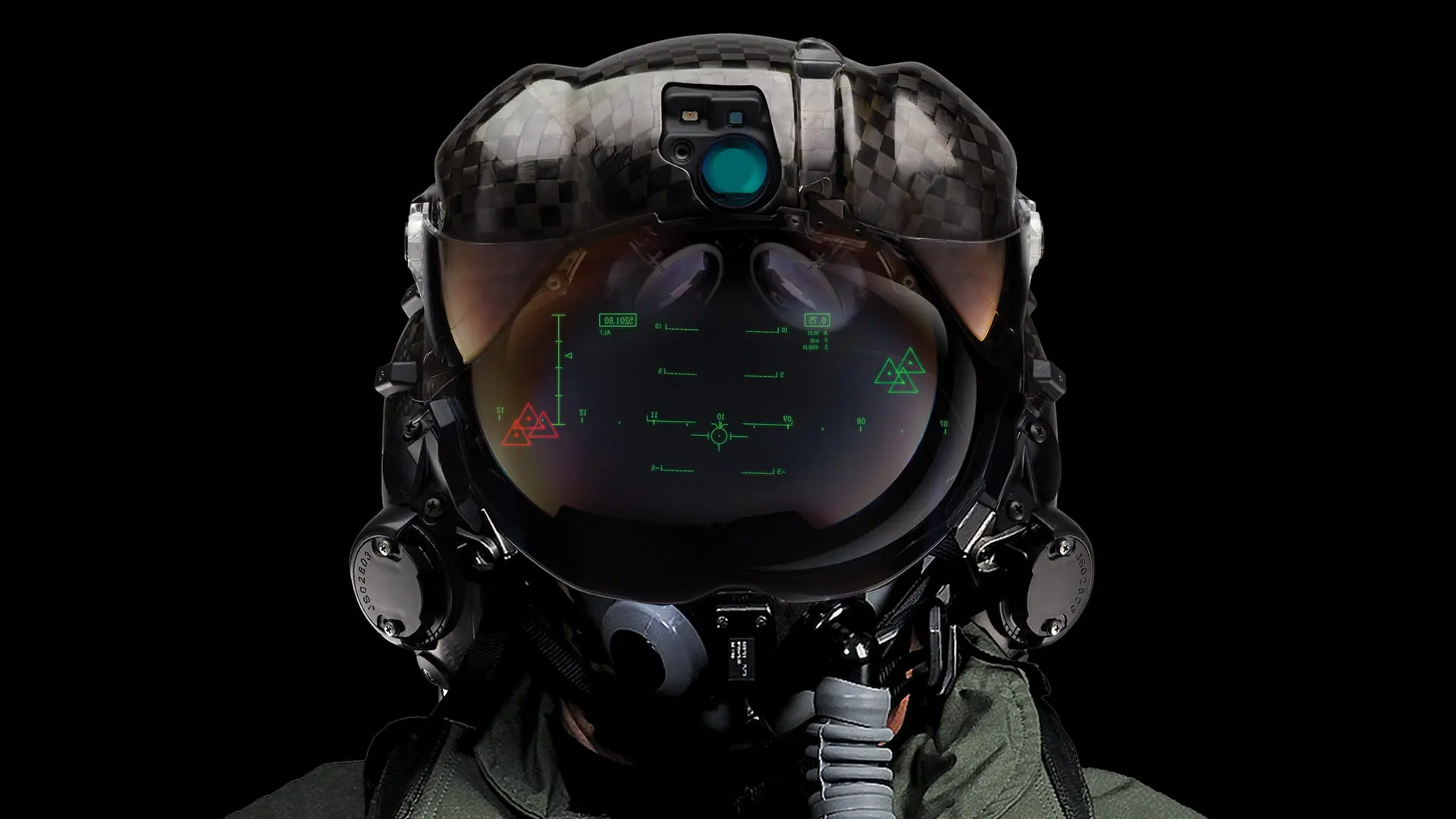
Integrated Visor Systems - 300+ Grams of Face and Eye Protection
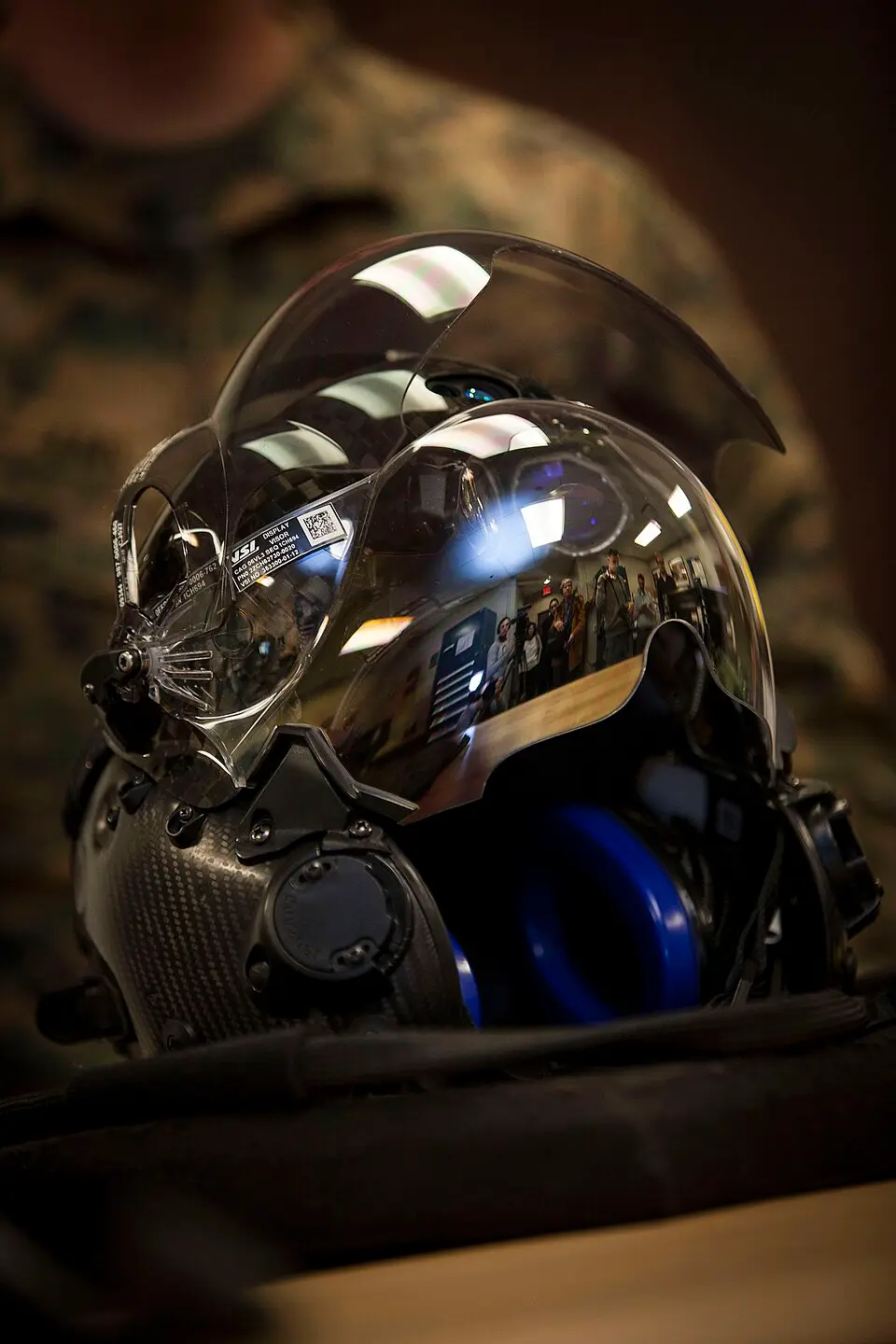
Pilot helmet visors provide facial protection against windblast, high-velocity debris, and canopy fragmentation during flight. Standard visor assemblies weigh approximately 300 to 500 grams depending on configuration. Modern helmets feature dual-visor systems allowing pilots to select standard visors for routine flight or laser-protective visors for tactical operations. Visor materials include polycarbonate and specialised optical materials withstanding extreme conditions. The HGU-55/P and HGU-56/P helmets use snap-on visor systems enabling rapid changes. Visors must maintain optical clarity standards whilst providing superior impact resistance and fragmentation protection - engineering requirements that add substantial weight compared to basic helmet shells.
Communication Systems - Integrated Audio Weighing 200-300 Grams
Modern fighter pilot helmets integrate communication systems including microphones, earpieces, and audio amplification equipment weighing approximately 200 to 300 grams. These integrated systems maintain clear radio contact with air traffic control and fellow pilots despite extreme cockpit noise levels reaching 160 decibels. Sound attenuation technology reduces ambient noise to safe levels whilst preserving critical communication clarity. Integrated microphone positioning near pilot mouths optimises speech clarity. Advanced helmets incorporate noise-cancellation technology further reducing cockpit noise. Communication system integration adds weight but eliminates separate equipment, improving pilot comfort, streamlining equipment management, and reducing overall weight compared to external communication systems.
Night Vision Goggle Mounts - 300+ Grams Supporting 1-2 kg Equipment
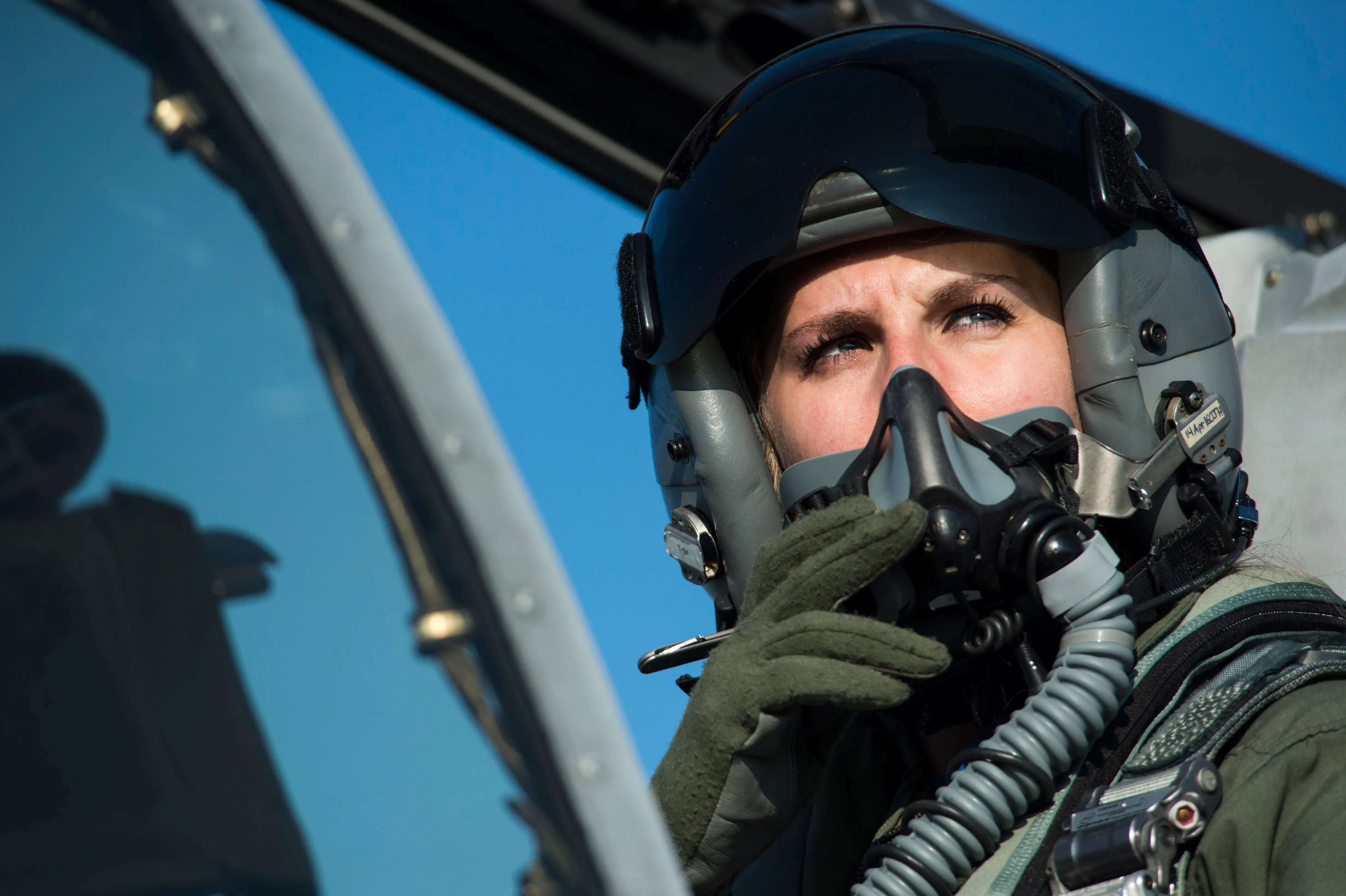
Night vision goggles weighing 1 to 2 kilograms mount on pilot helmets using specially engineered attachment systems adding approximately 300 to 400 grams. These mounting systems must support goggle weight plus forces created during high-speed flight and acceleration. Structural reinforcement around NVG mounting points increases overall helmet weight but provides necessary durability and safety. Modern ejection-safe NVG mounts allow goggles to breakaway safely during emergency ejection, preventing pilot injury. At high g-forces, mounted NVGs create substantial bending moments on pilot necks, multiplying physical stress experienced during combat. Robust mounting design protects goggles whilst ensuring pilot safety during all flight phases.
Oxygen System Integration - Life Support Connections Add 200-300 Grams
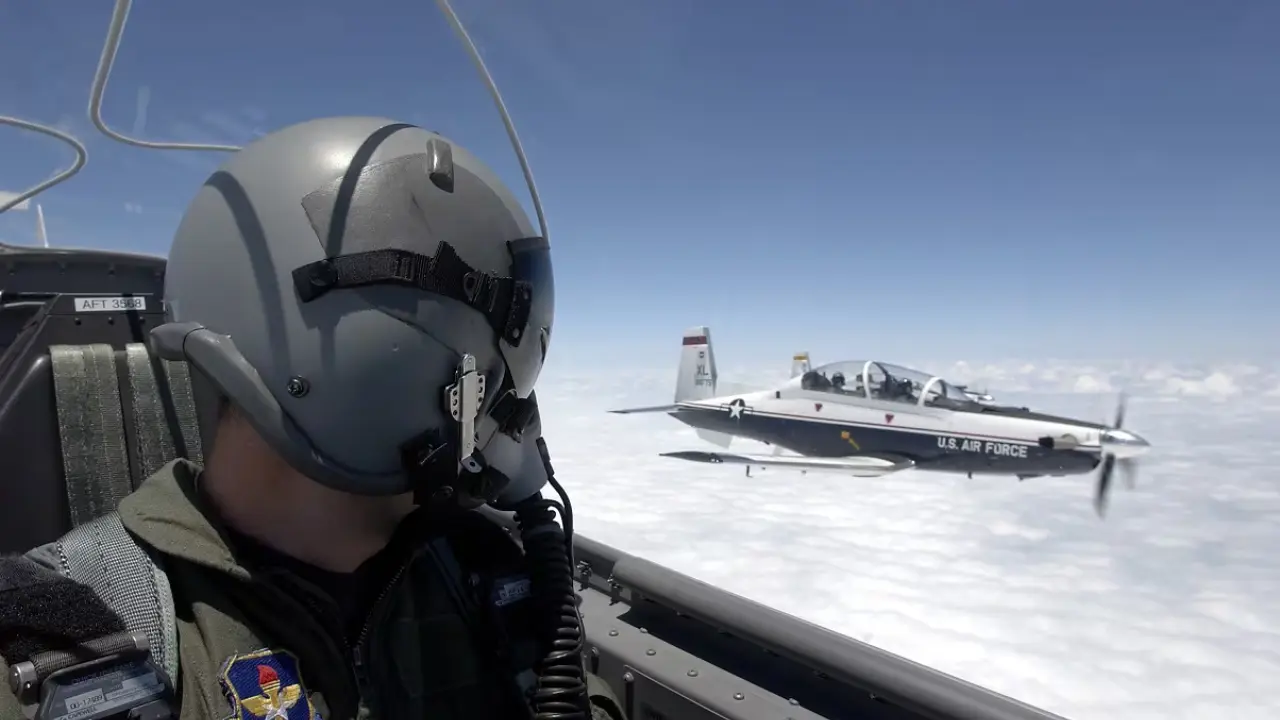
Pilot helmets include integrated attachment points for oxygen masks and life support systems weighing approximately 200 to 300 grams. These connections are essential for high-altitude flight above 25,000 feet where atmospheric oxygen is insufficient. Helmet-integrated oxygen connections provide secure quick-disconnect systems allowing pilots to equip breathing equipment rapidly. Advanced helmets feature pressure-demand oxygen systems regulating oxygen delivery based on altitude and cabin pressure. Life support connectivity adds weight but eliminates separate external equipment. This integration improves pilot comfort, reduces equipment bulk, and ensures reliable oxygen delivery during emergency situations requiring immediate breathing apparatus activation.
Structural Reinforcement at Attachment Points - 400+ Grams of Additional Material
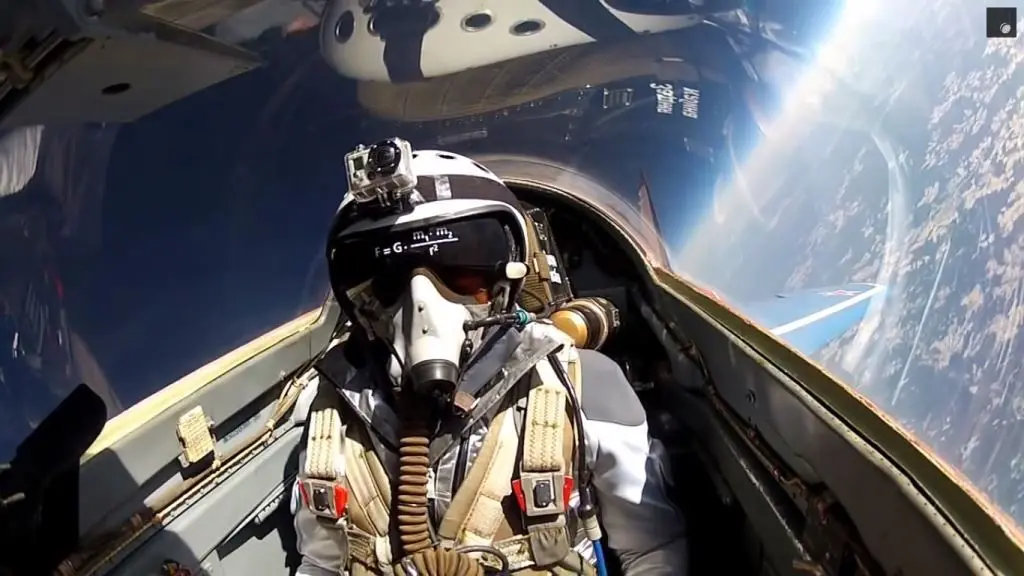
Helmet designers add extra material thickness and reinforcement at critical stress points including NVG mounting areas, oxygen mask attachment points, and communication system connections. These reinforced zones account for approximately 400 to 500 grams. Reinforcement protects against impact forces whilst supporting equipment mounting hardware under operational stresses. Advanced helmets use strategically placed high-modulus aramid fabric layers where impact resistance is most critical. This reinforcement increases helmet weight but is essential for durability and pilot safety during decades of operational use. The balance between comprehensive reinforcement and acceptable weight represents ongoing engineering challenge for helmet designers.

Pilot Training for Neck Stress Management - How 2+ kg Becomes Manageable
Fighter pilots undergo intensive physical conditioning to manage neck stress created by heavy helmets under high g-force conditions. Neck muscles must support extraordinary loads during combat manoeuvres - a 2 kilogram helmet becoming 18 kilogram or more at 9G acceleration. Pilot training includes neck strengthening exercises, proper posture techniques, and g-suit usage distributing forces across the body. Specialised neck collars and g-suit spinal support features reduce stress on vertebrae. Pilots learn head positioning techniques minimising neck strain. Continuous medical monitoring ensures pilots maintain physical fitness adequate for combat operations with heavy protective equipment. Training and conditioning make heavy helmets operationally feasible despite significant physical demands.
Future Helmet Development - Advanced Materials Targeting Sub-1kg Designs
Aerospace manufacturers continue researching advanced materials to reduce pilot helmet weight without sacrificing protection. Ultra-high molecular weight polyethylene (UHMWPE) and advanced composite materials promise weight reductions of 15 to 25 per cent compared to current aramid designs. Research institutions explore graphene-reinforced composites and nanofibre materials offering superior strength-to-weight ratios. Future helmet designs may incorporate lighter optical materials for visors and miniaturised communication systems. However, current 2+ kilogram helmets represent optimal balance between comprehensive protection, integrated systems, and acceptable pilot neck stress. Weight reduction remains ongoing research priority as defence forces seek improved pilot comfort and operational effectiveness whilst maintaining protective standards.
)
)
)
)
)