Why pilots train for 100+ hours every year

Commercial pilots train 100+ hours annually to maintain proficiency and safety standards. Training includes ground school, simulator sessions, proficiency checks, and scenario-based exercises.
Recurrent Training Requirements - Mandatory Annual Standards
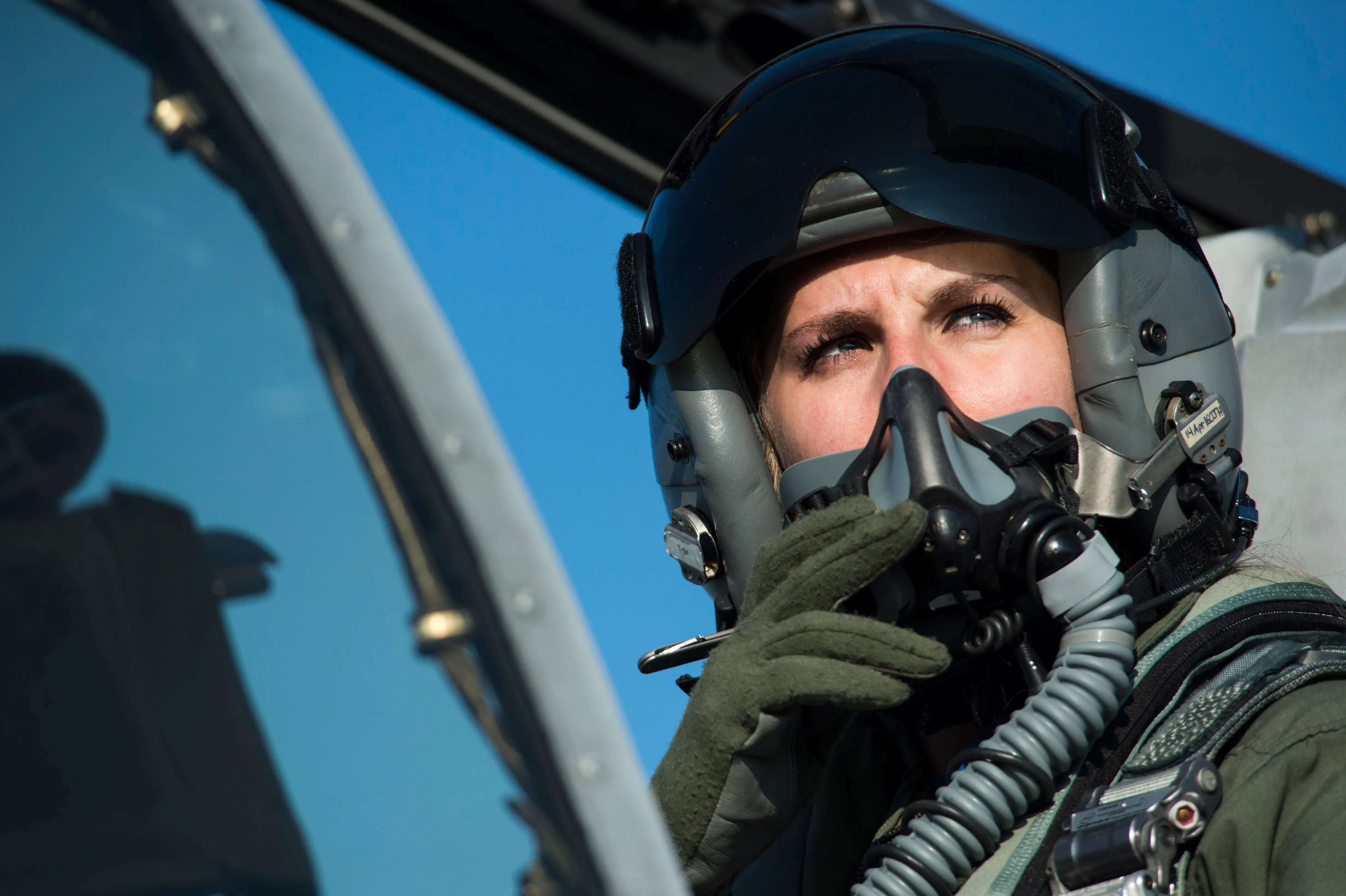
Commercial airline pilots operating under Part 121 regulations (scheduled carriers) are required to complete recurrent training annually before the 12-month period expires. The FAA and other aviation authorities use a "base month" system, where training must be completed no later than the end of the grace month following the 12-month window. Recurrent training ensures pilots maintain proficiency across normal, abnormal, and emergency procedures. Failure to complete recurrent training on schedule results in pilot removal from flight duties until training is completed.
Ground Training Hours - The Theory Component
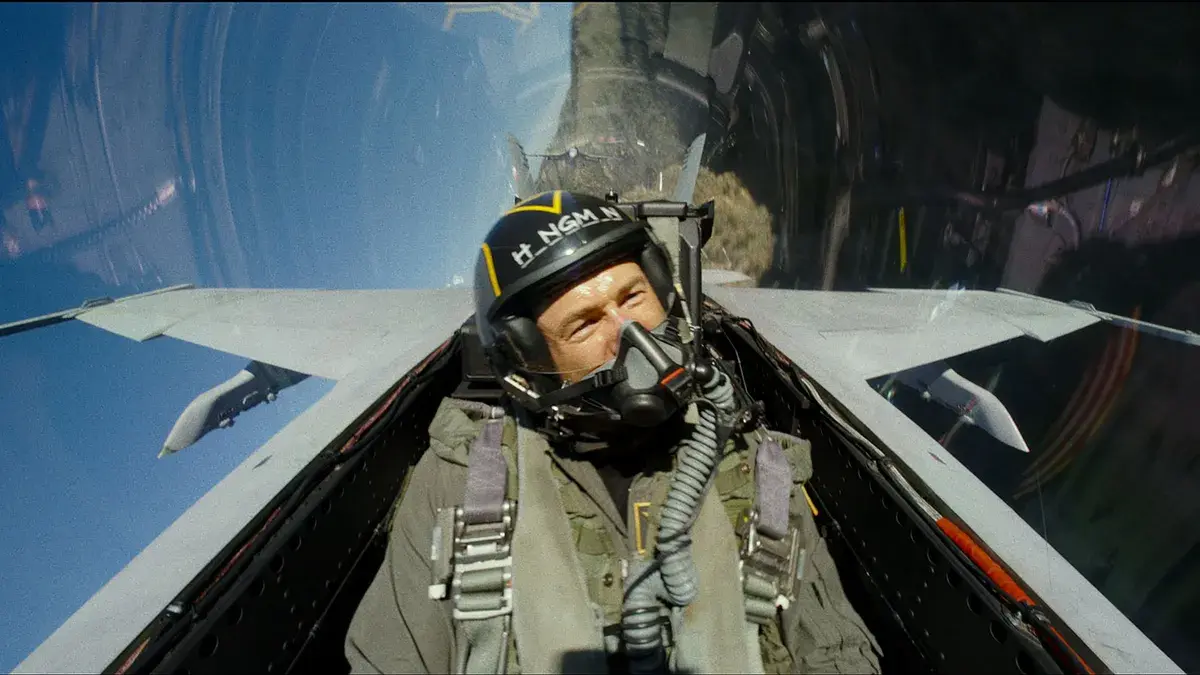
Ground training for airline pilots under Part 121 regulations includes approximately 15 to 35+ hours of classroom instruction annually. This training covers aircraft systems, weather meteorology, aerodynamics, emergency procedures, crew resource management (CRM), and regulatory compliance. Part 135 commuter carriers and on-demand operators require similar or slightly higher ground training hours. Ground training combines instructor-led classroom sessions with online modules, depending on airline approval and training methodologies. All ground training includes written assessments or quizzes to evaluate pilot knowledge retention.
Simulator Training - Hands-On Proficiency Assessment
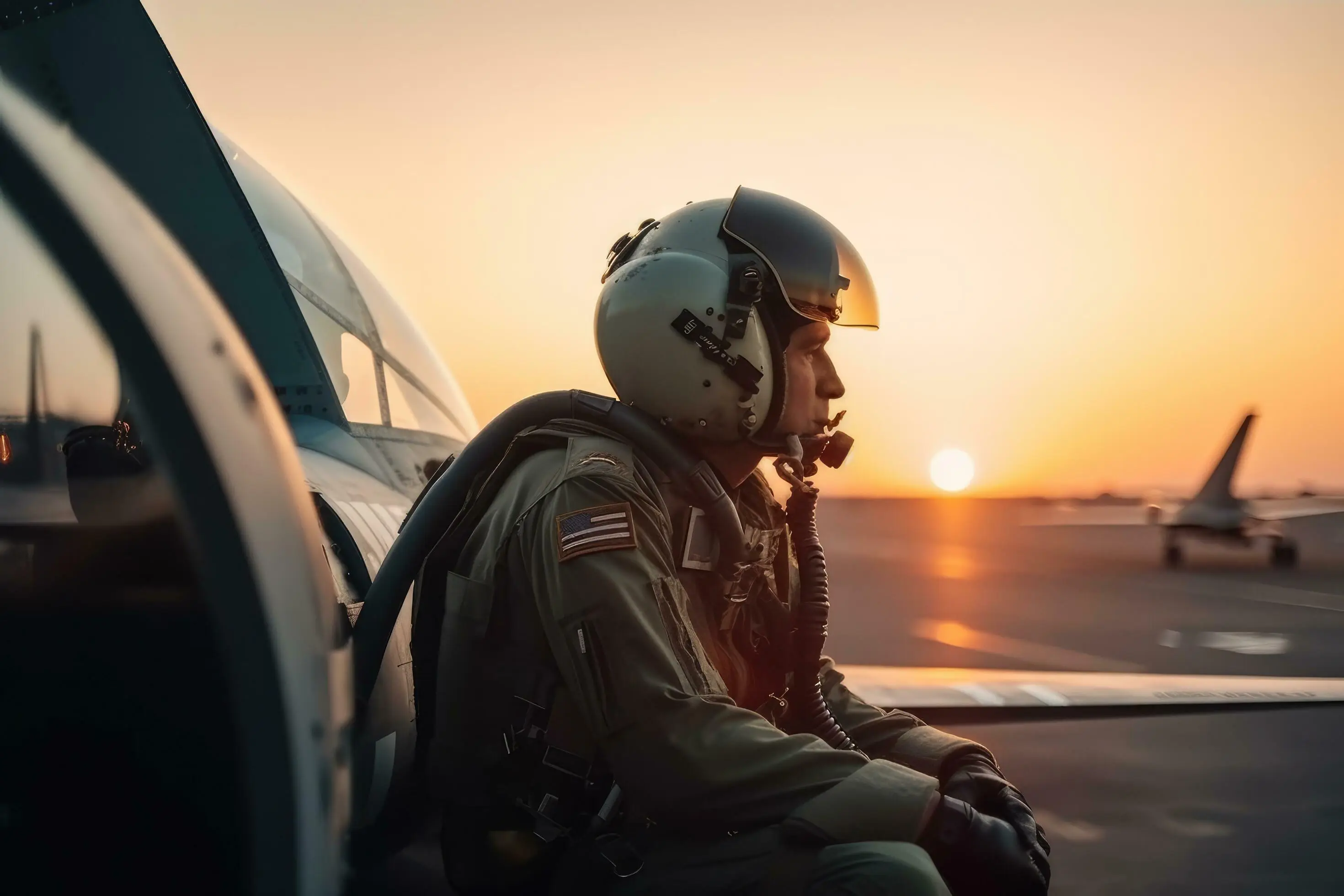
Full flight simulators provide realistic aircraft handling and emergency scenario training. Commercial airline pilots typically accumulate 4 to 8 hours of simulator training monthly, totalling 48 to 96+ hours annually. Simulator training includes normal operations, system failures, weather encounters, and emergency procedures. Pilots alternate between Pilot Flying and Pilot Monitoring roles during simulator sessions. These sessions maintain muscle memory, procedural proficiency, and emergency response capabilities without the risk and expense of actual flight operations.
Proficiency Checks - Annual Skills Assessment Requirements
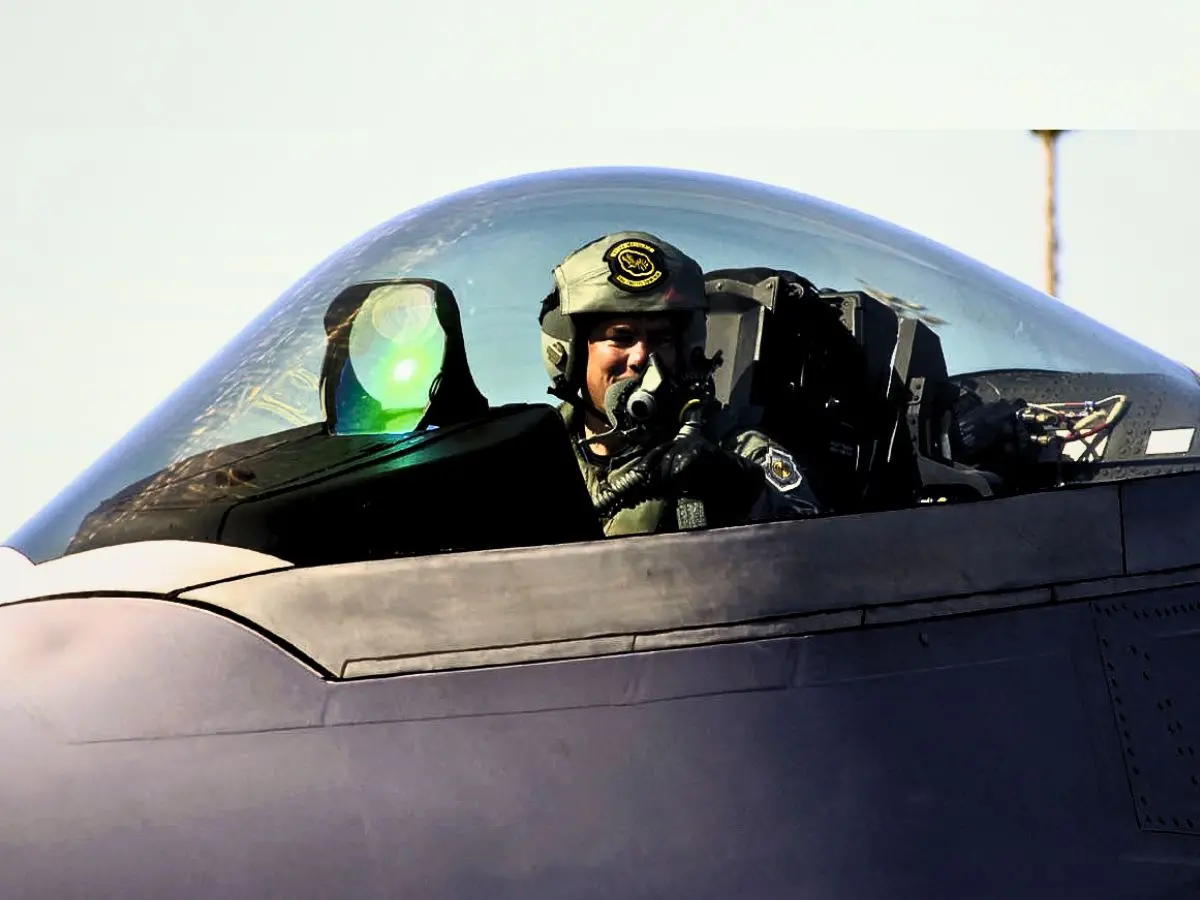
Commercial pilots must complete an annual License Proficiency Check (LPC) to maintain their type ratings for specific aircraft. LPC assessments typically last approximately two hours in a full flight simulator, with pilots evaluated in the Pilot Flying role. During the LPC, pilots demonstrate proficiency in standard operating procedures, emergency responses, and crew resource management. Pilots operating multiple aircraft types must complete separate LPCs for each aircraft type. Failure in any component of the LPC results in remedial training requirements before pilots can return to flight operations.
Instrument Proficiency Checks - Safety in Low-Visibility Operations
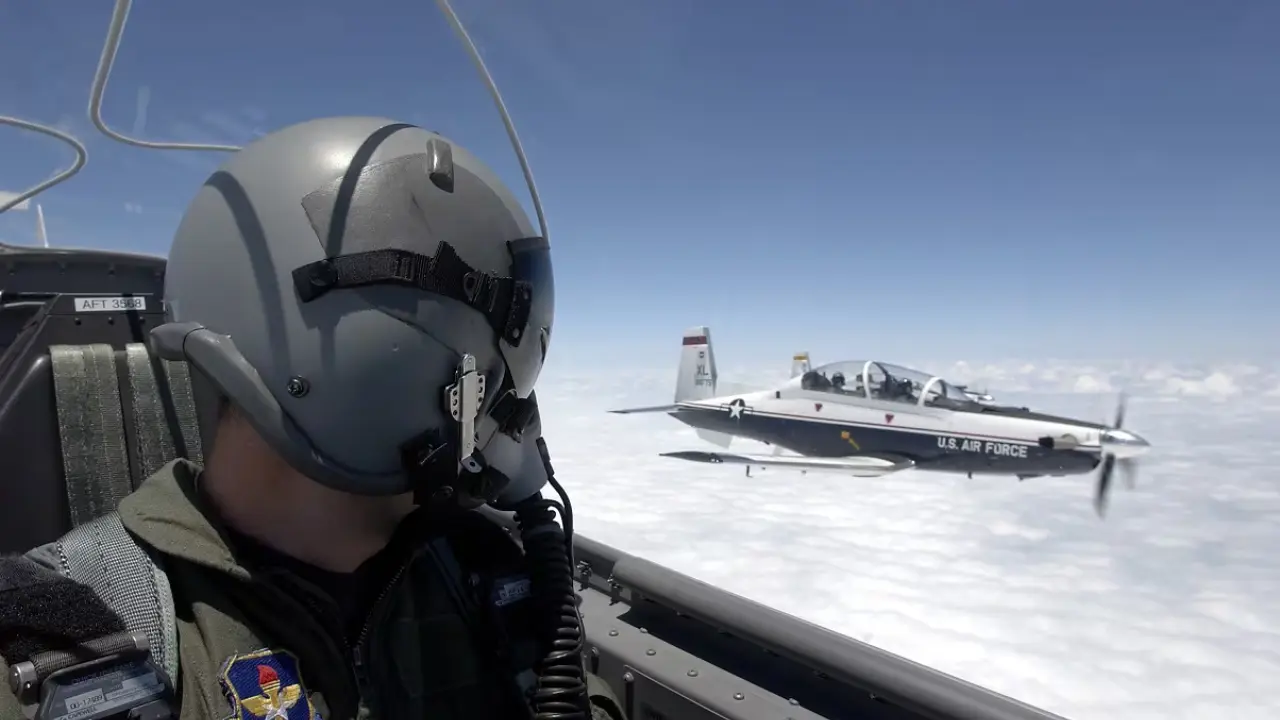
Pilots holding instrument ratings must maintain currency through instrument proficiency checks. The Instrument Proficiency Check (IPC) assesses pilot ability to operate aircraft safely under instrument flight rules (IFR) conditions. Some airlines require IPCs biannually (every 6 months), whilst others operate on 12-month cycles. IPC assessments evaluate pilot precision, navigation accuracy, and decision-making during simulated adverse weather and system failure scenarios. Part 135 operators typically require six-monthly IPCs, making instrument proficiency particularly critical for commuter carriers operating in variable weather conditions.
Line-Oriented Flight Training (LOFT) - Real-World Scenario Practice
Line-Oriented Flight Training (LOFT) represents advanced scenario-based training using full flight simulators. LOFT sessions recreate realistic flight scenarios including normal operations, weather encounters, system failures, and emergency situations. Pilots work as crew in realistic cockpit environments with authentic air traffic control communications and procedural challenges. LOFT training typically comprises 2 to 4 hours of training sessions conducted quarterly or biannually. This integrated training develops crew coordination, communication protocols, and unified decision-making capabilities critical for flight safety.
Fatigue Management Training - Recent Mandatory Requirement
The DGCA issued new regulations requiring all airlines to provide at least one hour of specialised fatigue-management training annually as part of ground training. This training covers flight and duty time regulations, mandatory rest periods, sleep science, circadian rhythm disruptions, and fatigue effects on cockpit performance. Pilots learn to recognise fatigue symptoms, manage lifestyle and rest optimally, and understand demands of long-haul, short-haul, and cross-timezone operations. This requirement reflects growing safety concerns regarding pilot fatigue and its impact on flight safety standards.
Operator Proficiency Checks (OPC) - Six-Monthly Assessment Requirements
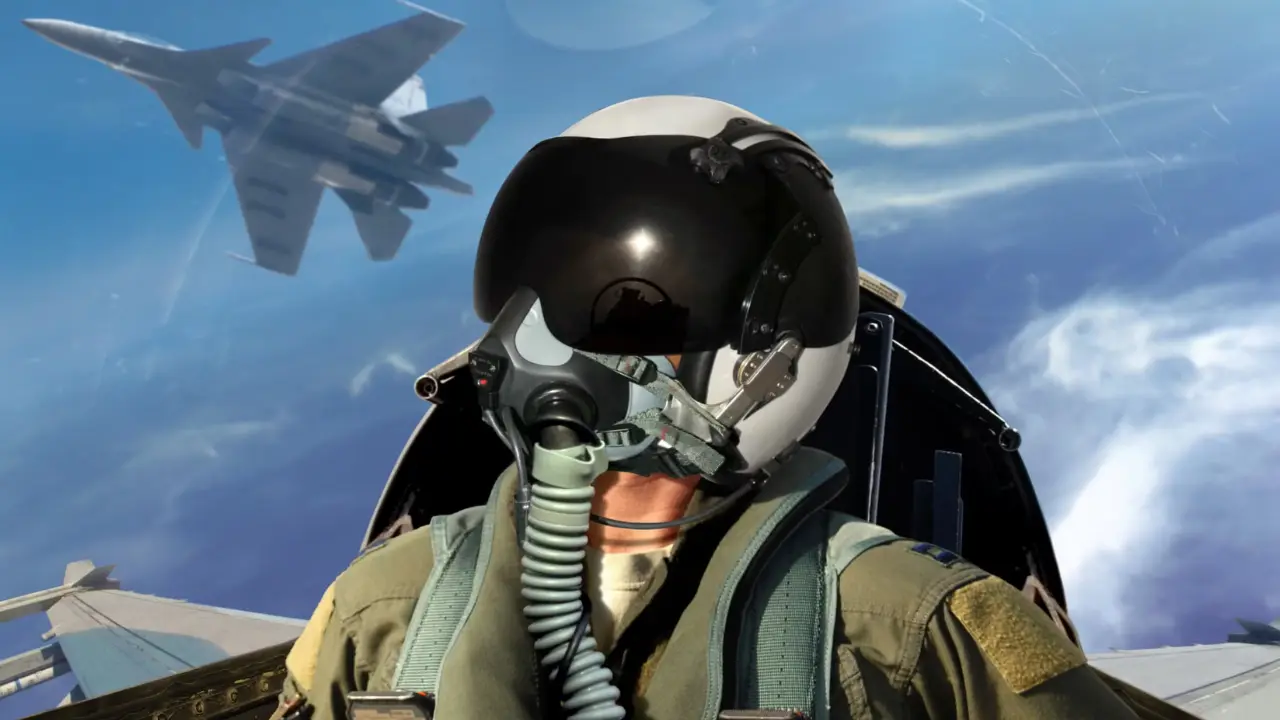
Operator Proficiency Checks (OPC) are distinct from License Proficiency Checks and occur every six months. OPC assessments evaluate pilot performance across normal, abnormal, and emergency procedures using airline-specific procedures and training resources. These checks last approximately two days, with four hours of simulator training daily plus debriefing sessions. Pilots alternate between Pilot Flying and Pilot Monitoring roles during OPC assessments. OPCs ensure pilots maintain proficiency in airline-specific procedures and operational standards beyond basic licensing requirements.
Medical Certification - Annual Health Evaluations
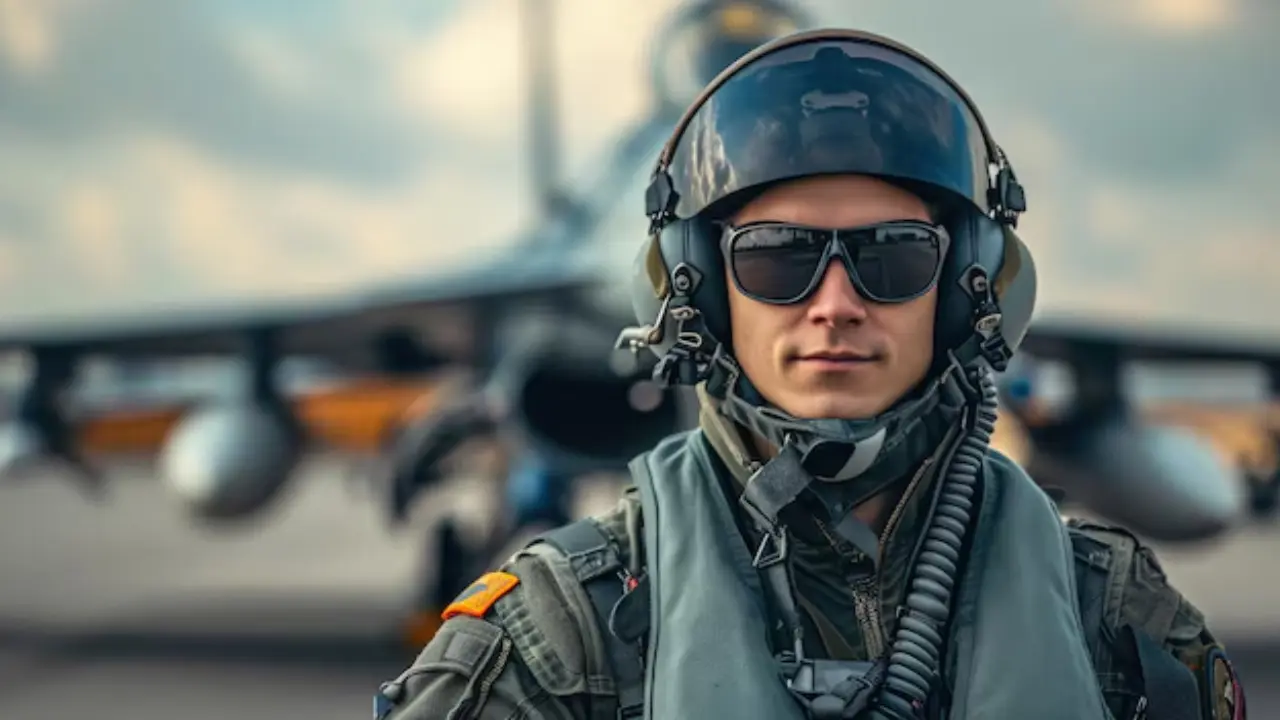
Commercial pilots must obtain annual medical certification confirming fitness to fly. Pilots aged under 60 require annual medical examinations; pilots over 60 need six-monthly assessments. Medical evaluations assess vision, hearing, cardiovascular health, neurological function, and psychological fitness. Any medical condition affecting pilot safety requires disclosure and specialist evaluation. Failure to maintain medical certification immediately suspends flight operations regardless of other qualifications. This requirement ensures pilots remain physically and mentally capable of managing aircraft safely.
Safety Culture and Continuous Improvement - Why Training Matters
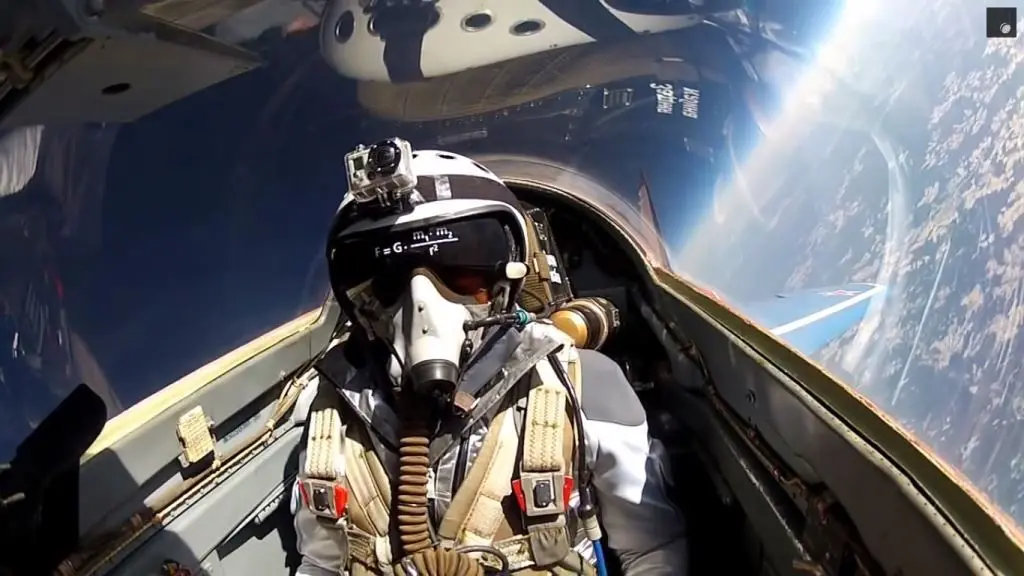
The cumulative 100+ annual training hours serve multiple critical functions beyond simple proficiency maintenance. Regular training sessions identify operational weaknesses, procedural inconsistencies, and emerging safety threats. Feedback from training sessions informs continuous improvement in standard operating procedures and safety protocols. Training programmes provide platforms for introducing new aircraft capabilities, regulatory changes, and lessons learned from industry incidents. This systematic training environment maintains safety culture where pilots recognise training as essential investment in operational excellence and flight safety rather than administrative requirement.
)
)
)
)
)