Why pilots say the F-22 Raptor is like wearing the fighter jet instead of flying it

This comparison captures the extraordinary way in which the Raptor’s design integrates human input, digital systems, and aerodynamic responsiveness into a seamless whole.
Introduction: A Fighter That Becomes an Extension of the Pilot
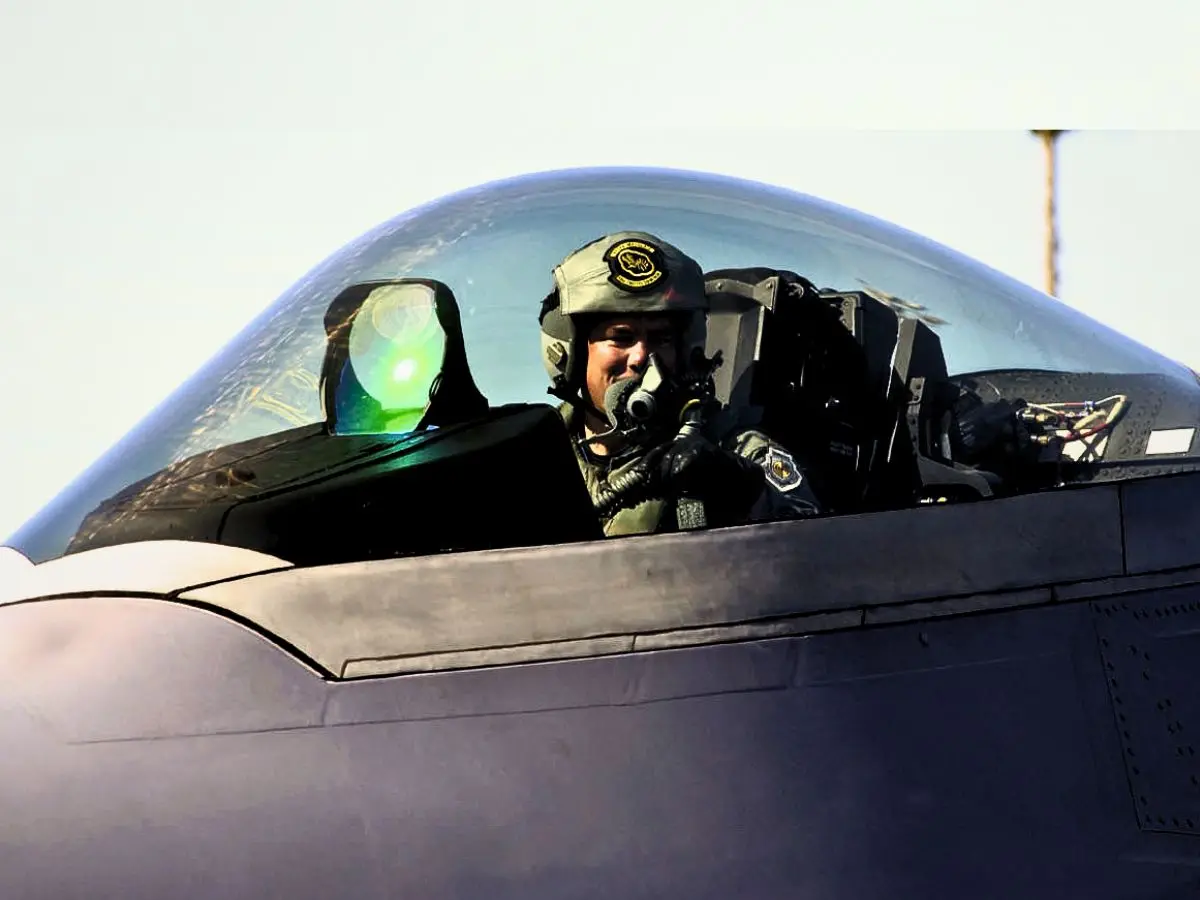
The F-22 Raptor is often described by those who fly it in terms that blur the line between machine and man. Pilots have likened the experience not to controlling an aircraft, but to 'wearing' it. This comparison captures the extraordinary way in which the Raptor’s design integrates human input, digital systems, and aerodynamic responsiveness into a seamless whole. It is this fusion that makes the Raptor more than just a fifth-generation fighter, it becomes, in practice, an extension of its pilot’s body and mind.
Unmatched Manoeuvrability Through Thrust Vectoring
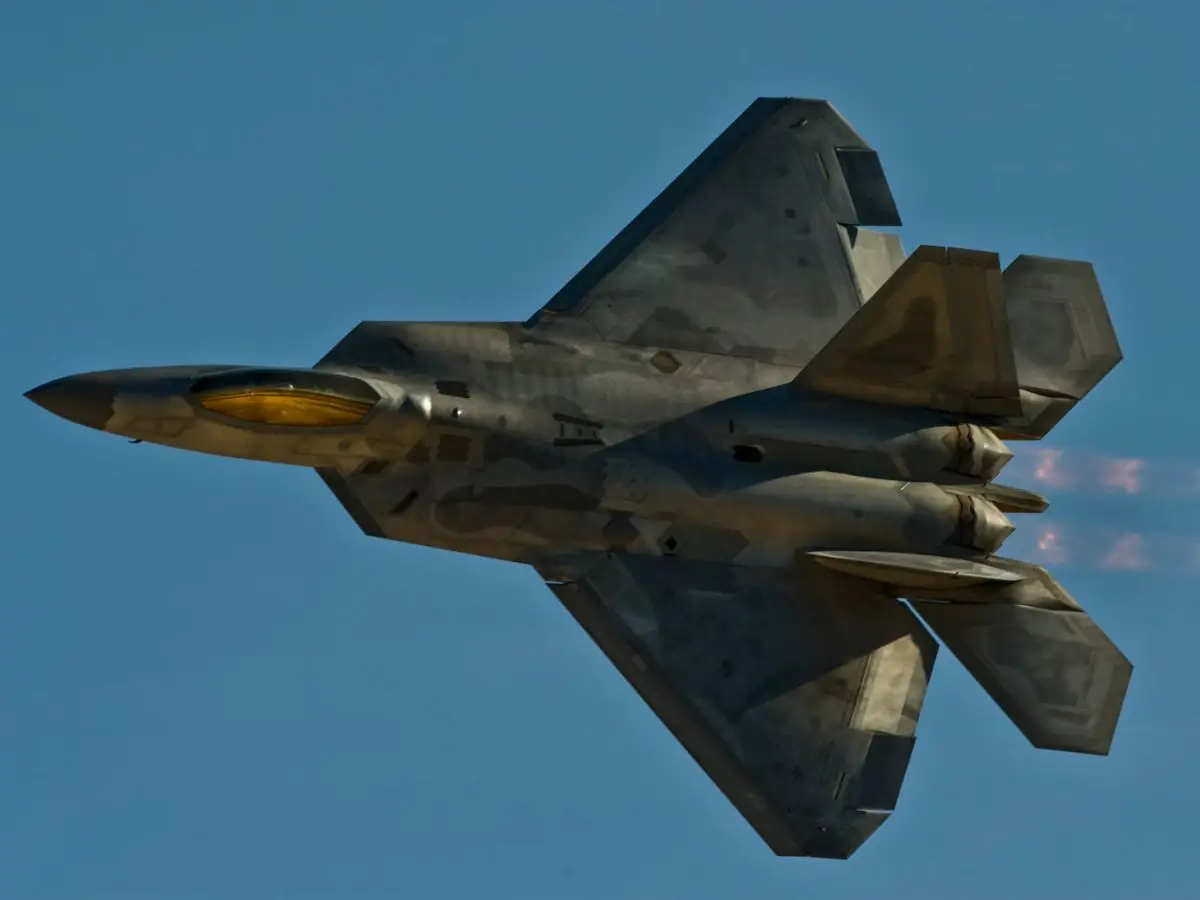
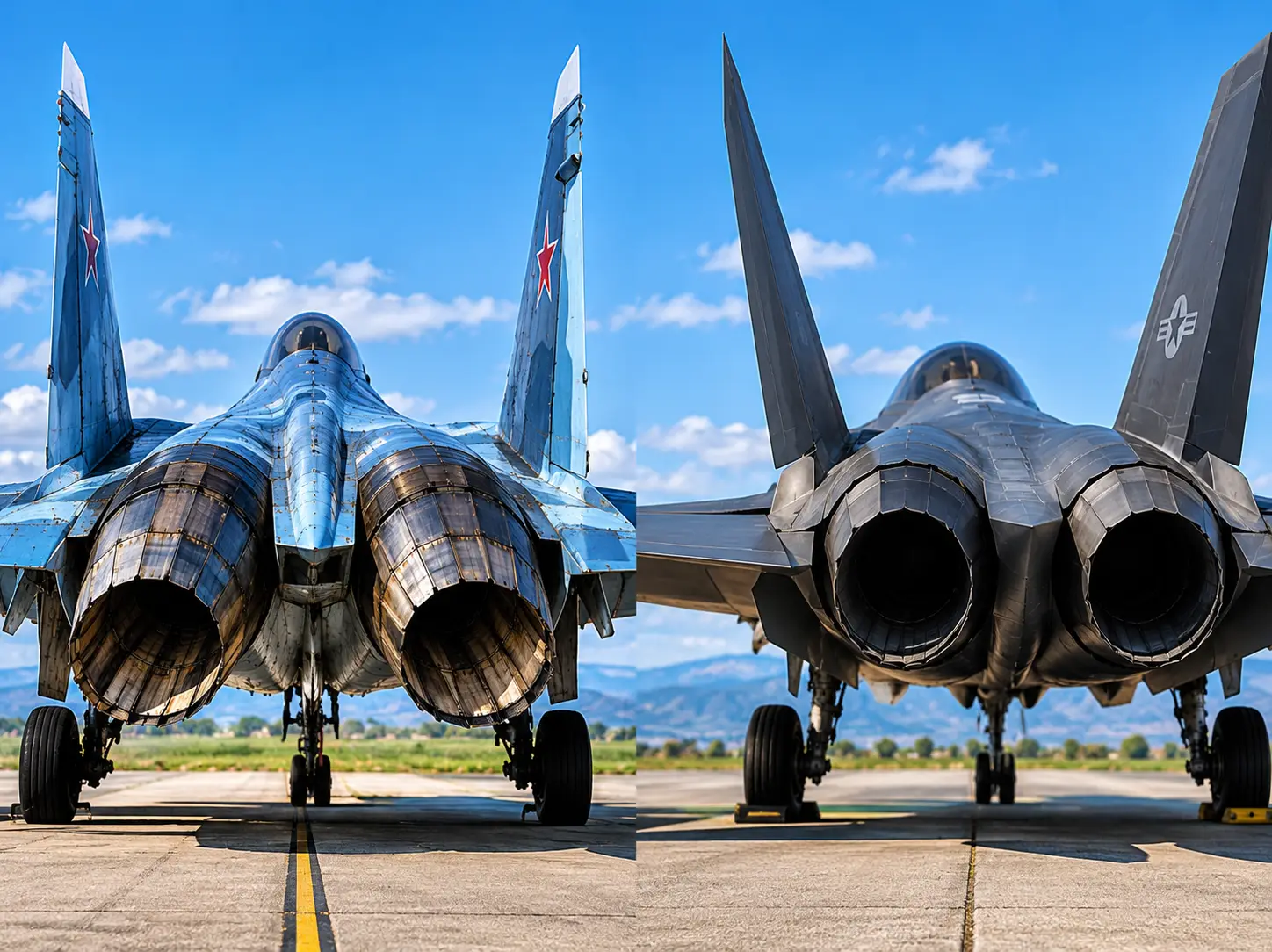
Central to this impression is the Raptor’s agility. Its twin Pratt & Whitney F119 engines, fitted with thrust-vectoring nozzles, allow the aircraft to pitch and roll with a fluidity no conventional jet can match. In practice, this enables the F-22 to perform extreme post-stall manoeuvres, turning inside an opponent’s radius, climbing vertically, or braking in mid-air. To a pilot, the Raptor’s responsiveness feels almost instinctive, as though the aircraft anticipates intent rather than simply obeying commands.
A Cockpit Built for Intuition
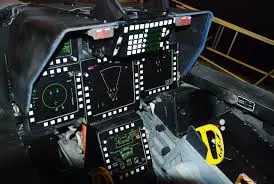
The F-22 cockpit is deliberately uncluttered. Pilots view data through a single, wide-field head-up display and full-colour multi-function screens that combine sensor feeds, radar returns, and targeting information. Instead of being forced to interpret raw data, pilots see a coherent picture of the battlespace. The layout reduces mental workload to the point where controlling the jet feels less like managing systems and more like directing thought into action.
Sensor Fusion: Seeing the Invisible
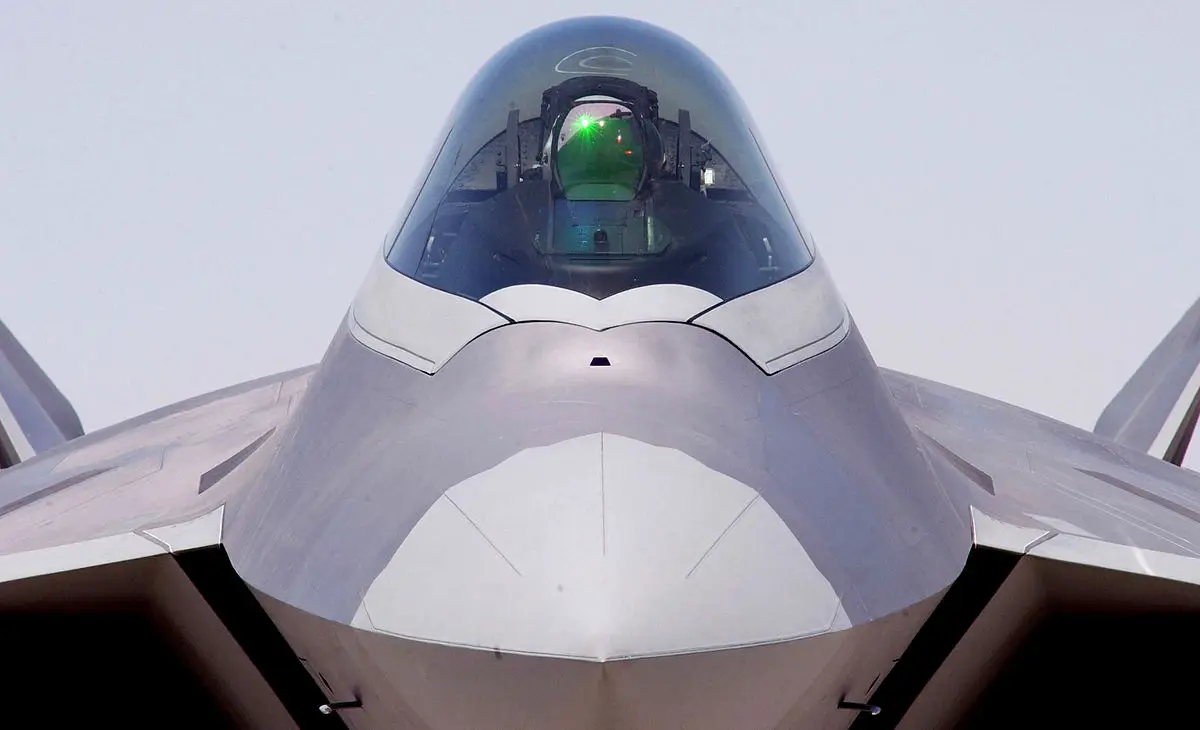
The Raptor’s avionics gather information from radar, infrared sensors, and electronic warfare receivers, then merge it into one picture. In combat, this means the pilot perceives threats long before being detected in return. This degree of awareness changes the psychology of flight, pilots have described the sensation of being 'ahead of the fight,' with the aircraft acting as a natural extension of their senses, enhancing sight, hearing, and even anticipation.
High-G Agility Meets Pilot Survival
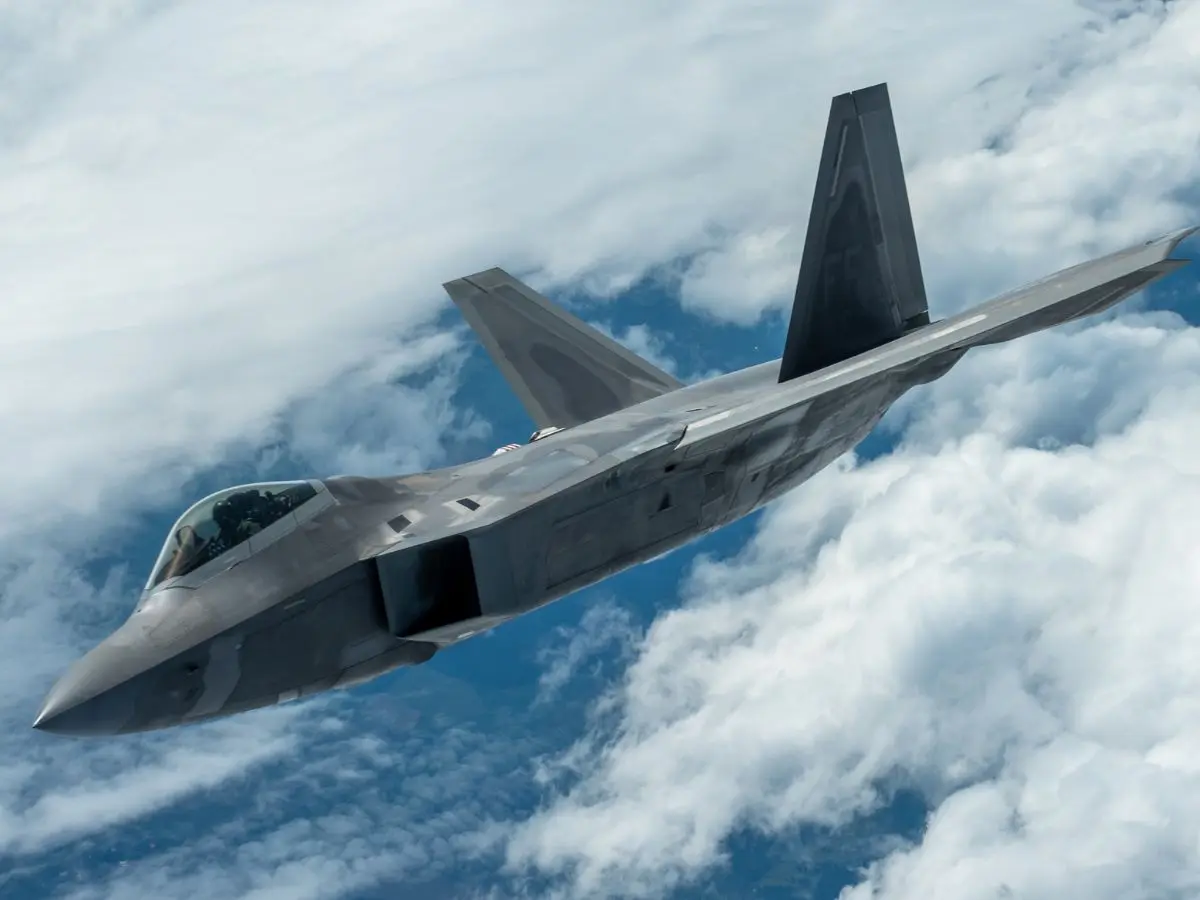
The aircraft’s agility and sustained supercruise come at a price: immense physical strain. The F-22 is capable of pulling over 9Gs in combat manoeuvres, and pilots must rely on advanced G-suits and rigorous training to endure the forces. Yet, even under these conditions, the aircraft’s stability allows fine control, as if the jet itself compensates for human limitations. This mutual balance is part of what gives rise to the feeling of ‘wearing’ the Raptor.
Mastery in Training and Combat
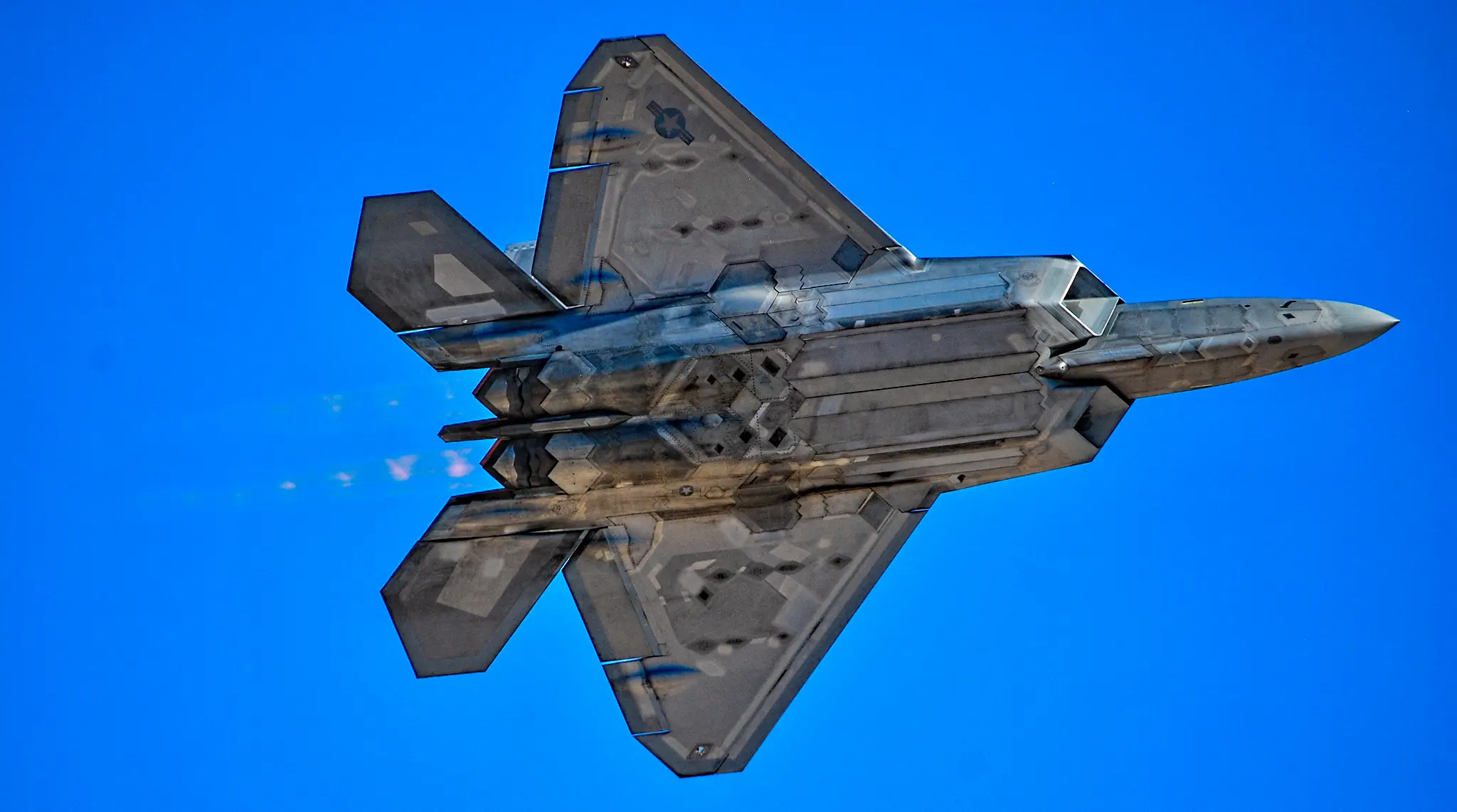
In exercises, F-22s have repeatedly scored lopsided results against fourth-generation fighters, often 'killing' opponents before being seen. Pilots attribute this not only to stealth but to the way the jet allows them to fight intuitively, combining situational awareness, agility, and weapons deployment into a natural flow of action.
Conclusion: The Symbiosis of Man and Machine
The F-22 Raptor is not merely flown, it is experienced as part of the pilot. From its thrust-vectoring agility and cockpit design to its advanced sensor fusion, the jet reduces the barrier between decision and action. Pilots describe it as ‘wearing the aircraft’ because in the Raptor, man and machine converge. This is what makes it not only formidable, but unlike any other fighter ever built.

)
)
)
)