Why pilots in India avoid wearing perfume before flights? The reason will shock you!

Every commercial pilot in India must undergo a mandatory breathalyser test before taking charge of an aircraft. This requirement, set by the Directorate General of Civil Aviation (DGCA), is rooted in a zero-tolerance policy towards alcohol consumption.
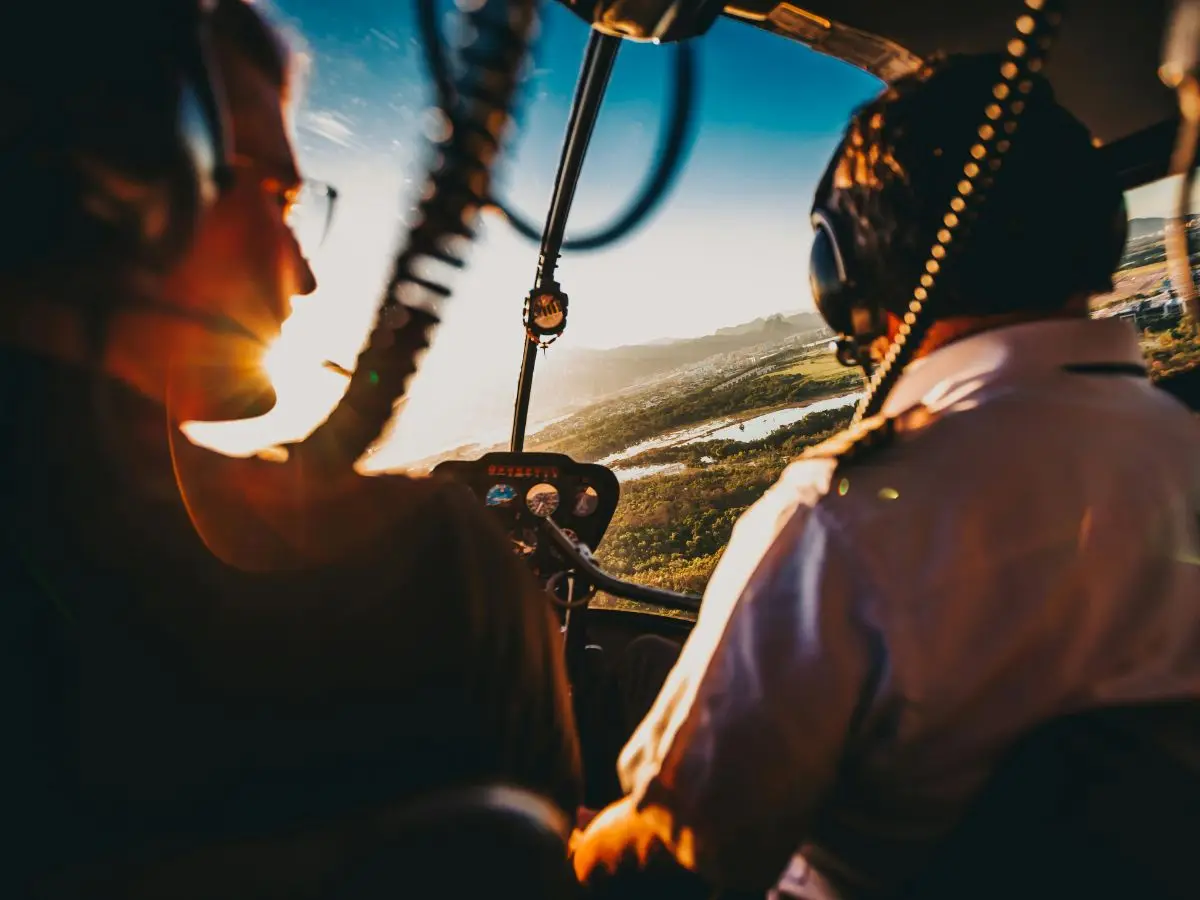
Safety First: The Mandatory Breathalyser Test
Perfume may seem harmless, but in Indian aviation it has become a point of regulation for a reason. What appears a quirk of hygiene is, in fact, a critical measure to prevent false positives and safeguard aviation safety.

Safety First: The Mandatory Breathalyser Test
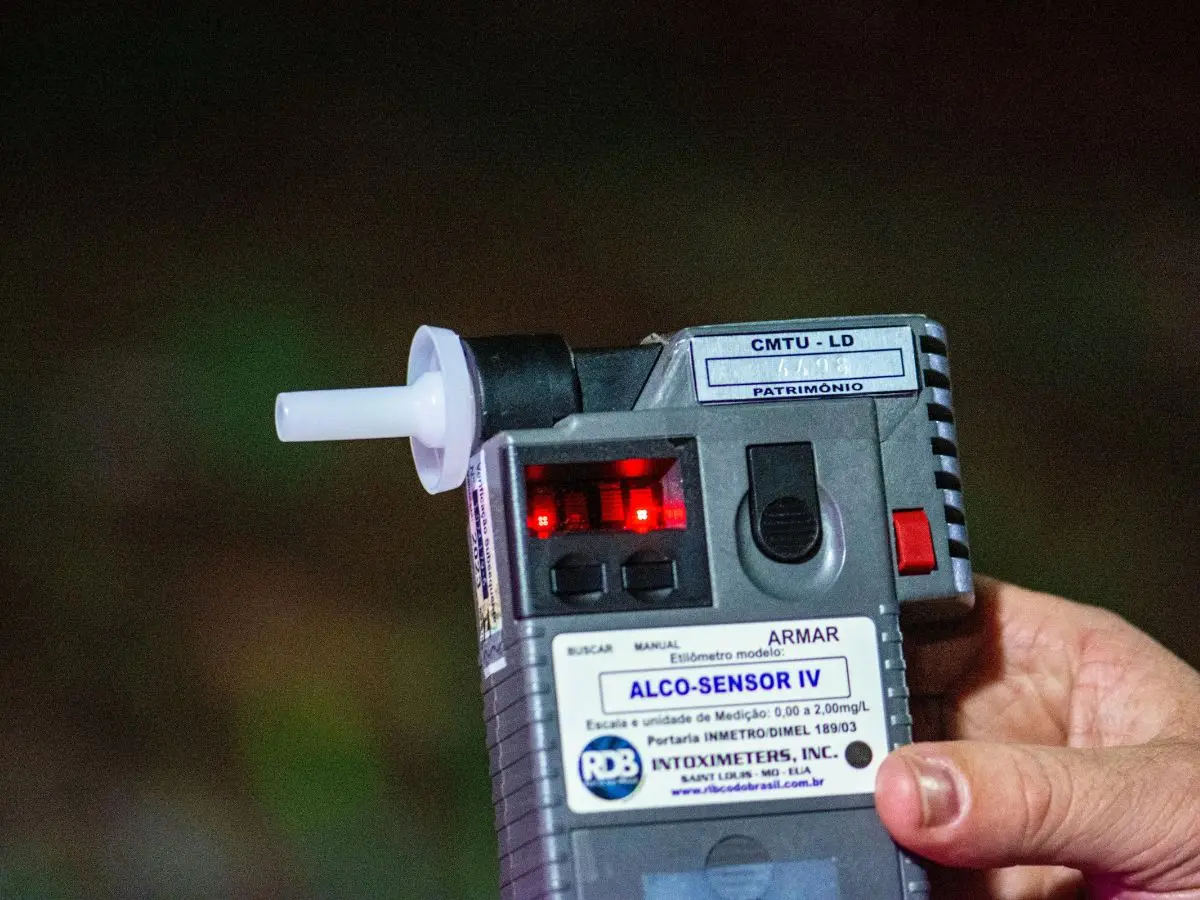
Every commercial pilot in India must undergo a mandatory breathalyser test before taking charge of an aircraft. This requirement, set by the Directorate General of Civil Aviation (DGCA), is rooted in a zero-tolerance policy towards alcohol consumption. Even trace levels can impair judgment and slow reaction times in high-pressure cockpit conditions. The rule is strict: any detectable alcohol disqualifies a pilot from flying. Tests are highly sensitive and can register concentrations as low as 0.01 per cent.
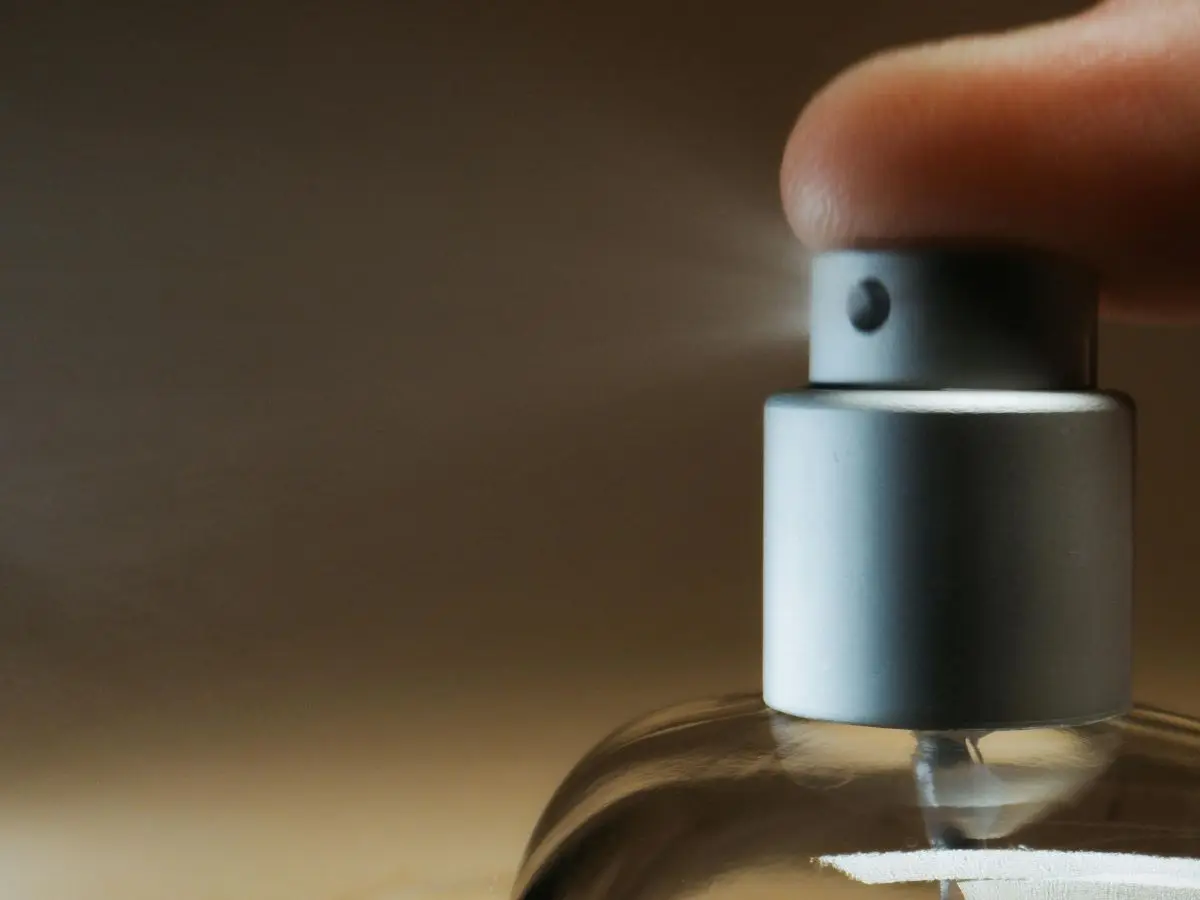
The Unseen Culprit: Alcohol in Everyday Products
While the regulation seems straightforward, its enforcement has thrown up unusual consequences. Alcohol is not only found in drinks but also in everyday hygiene products, perfumes, aftershaves, mouthwashes, tooth gels, and hand sanitisers. These products often contain ethyl alcohol, the very compound that breathalysers detect. If a pilot uses them just before testing, residual vapours can cause a false positive reading. In such cases, a sober pilot may still be flagged for alcohol use, resulting in delays, grounding, or disciplinary measures.
The DGCA Draft Proposal of 2023
Recognising this risk, the DGCA had earlier, even issued a draft amendment to its Civil Aviation Requirements (October 2023). The proposal advised crew members to avoid alcohol-based products before testing, as they ‘may result in a positive breathalyser test’. The draft further stipulated that crew taking prescribed medicines containing alcohol must first consult a company doctor before reporting for duty.
Consequences of a Positive Test
The penalties for failing these tests are severe. Under current DGCA rules, a first positive test can lead to a three-month suspension of licence. A second violation may result in a three-year suspension, while a third could mean permanent revocation. These sanctions are non-negotiable and form part of India’s effort to enforce the strictest possible standards in commercial aviation safety.
Pilots’ Practices: Navigating the Rule
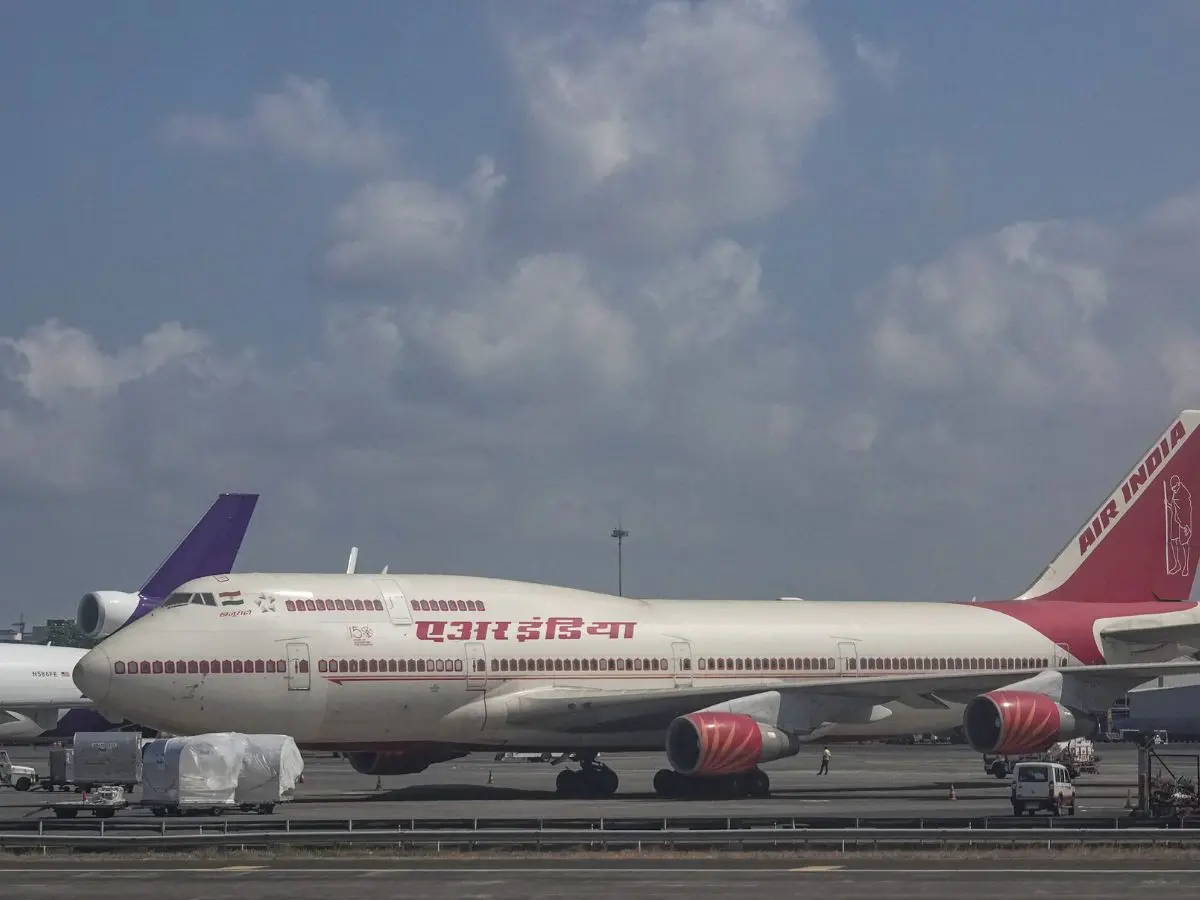
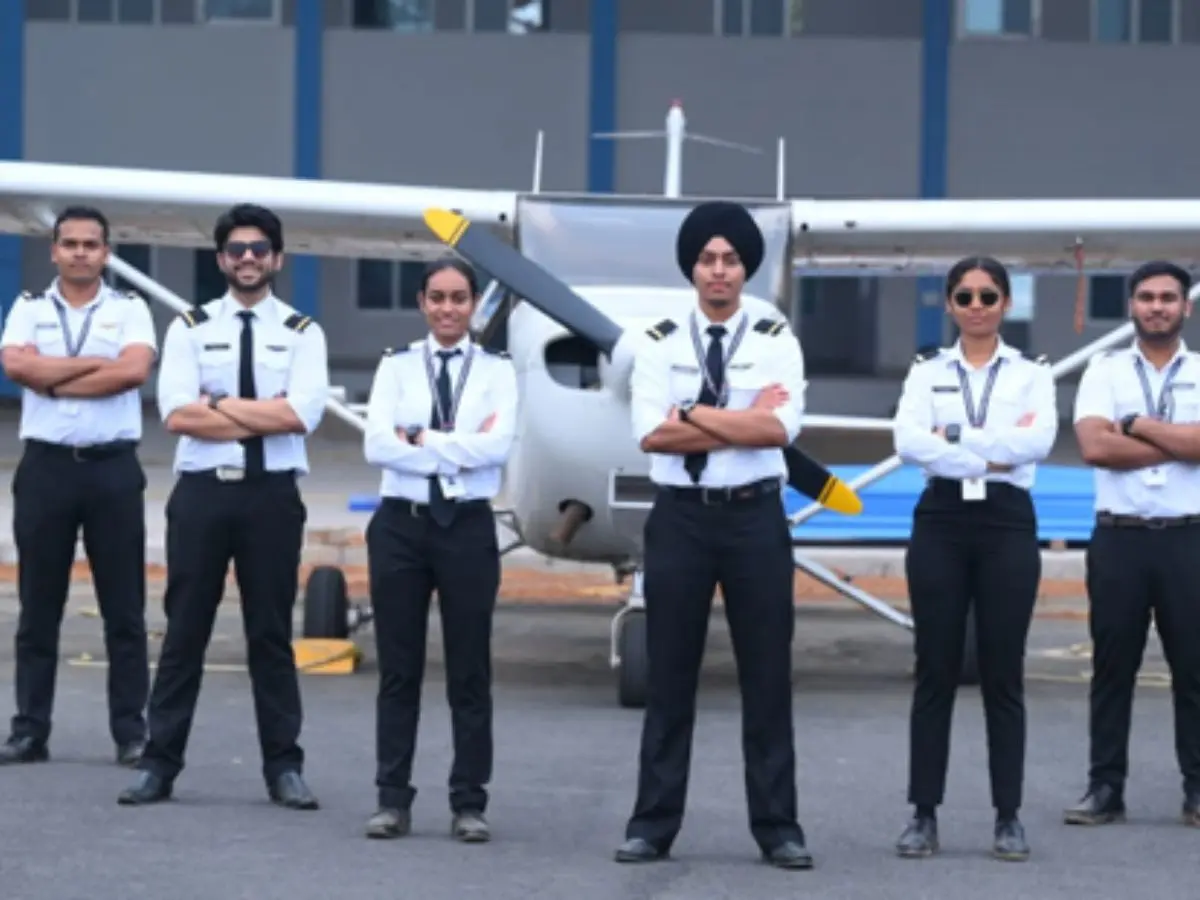
Most pilots avoid applying perfumes or similar products before pre-flight checks. Instead, they may choose to use them later, once testing is complete. Several aviation experts have publicly advised against sprays or hand sanitisers near the mouth or face immediately before testing, as this increases the risk of contamination. The precaution is less about personal choice than about maintaining operational punctuality and professional standards.
Beyond Perfume: Other Rules Pilots Follow
The restriction on perfume is not the only unusual regulation governing Indian pilots. Three other rules stand out:
Twelve-Hour ‘Bottle-to-Throttle’ Rule – No alcohol may be consumed within 12 hours of reporting for duty.
Post-Flight Testing – For flights originating outside India, crews must undergo a breathalyser test at the first port of landing in India.
Escalating Sanctions – With each violation, punishments increase sharply, culminating in permanent loss of licence.
Conclusion: A Rule That Protects More Than It Restricts
The idea of banning perfumes may appear excessive, but it reflects aviation’s broader principle: safety margins must allow for no ambiguity. A false positive could delay flights, inconvenience passengers, and unfairly tarnish a pilot’s record.
)
)
)
)
)