Why petrol is not used as fuel in commercial aircraft

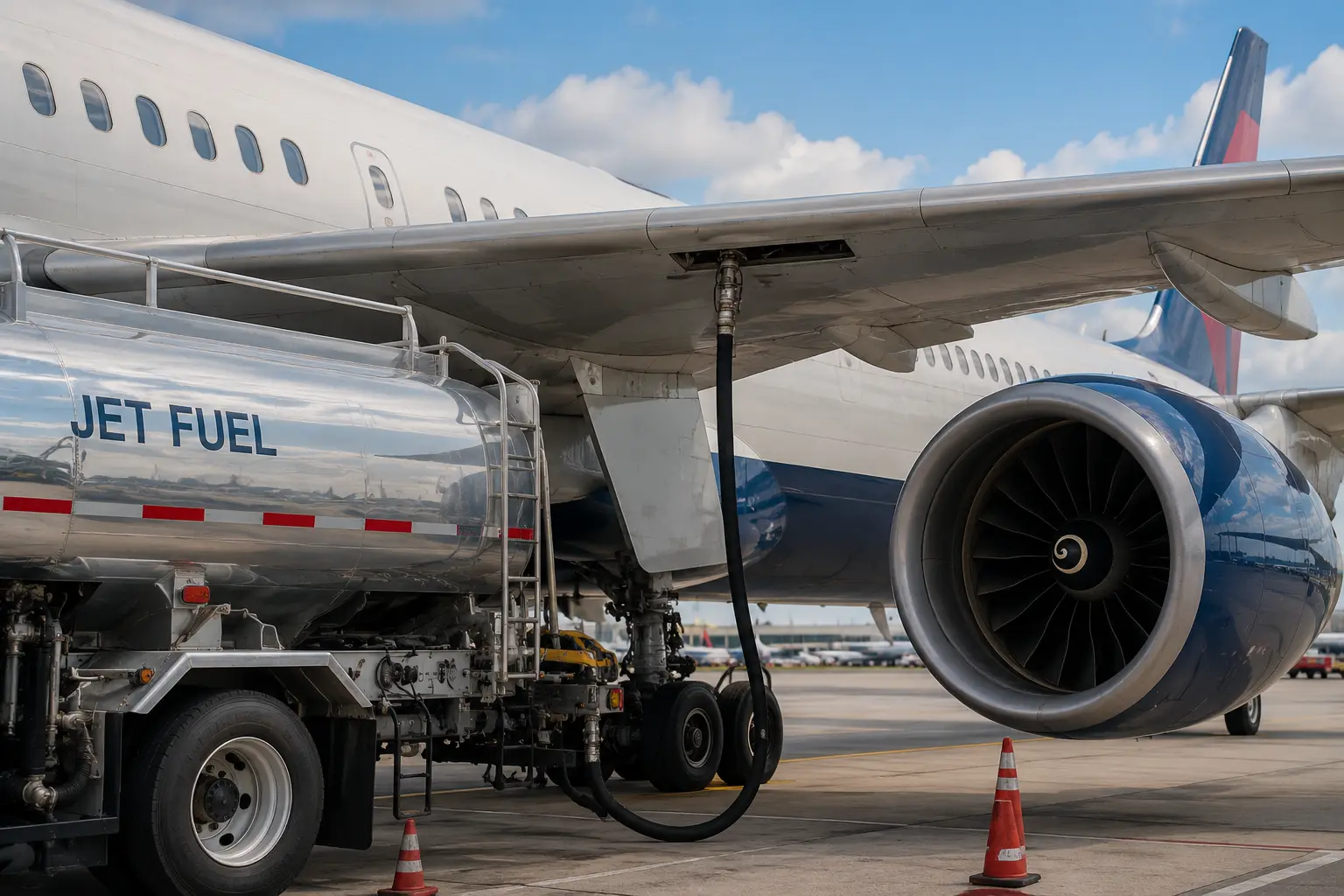
Kerosene-based jet fuel is preferred over petrol due to its higher flash point of 38 degrees Celsius and a lower freezing point reaching -47 degrees Celsius.
Safety and flash points
Kerosene has a flash point of about 38 degrees Celsius, whereas petrol’s is roughly -43 degrees Celsius. This significantly reduces the risk of accidental fire during ground handling or in the event of a crash.

Extreme altitude temperatures
Commercial jets fly where temperatures drop below -40 degrees Celsius. Jet A-1 fuel has a freezing point of -47 degrees Celsius, ensuring it remains liquid, unlike petrol which could thicken or freeze during flight.

Maximum fuel efficiency
Kerosene is more energy-dense than petrol, providing more power per litre for the aircraft. According to the International Air Transport Association, this efficiency is vital for long-haul flights where weight and volume are critical.
Low volatility at altitude
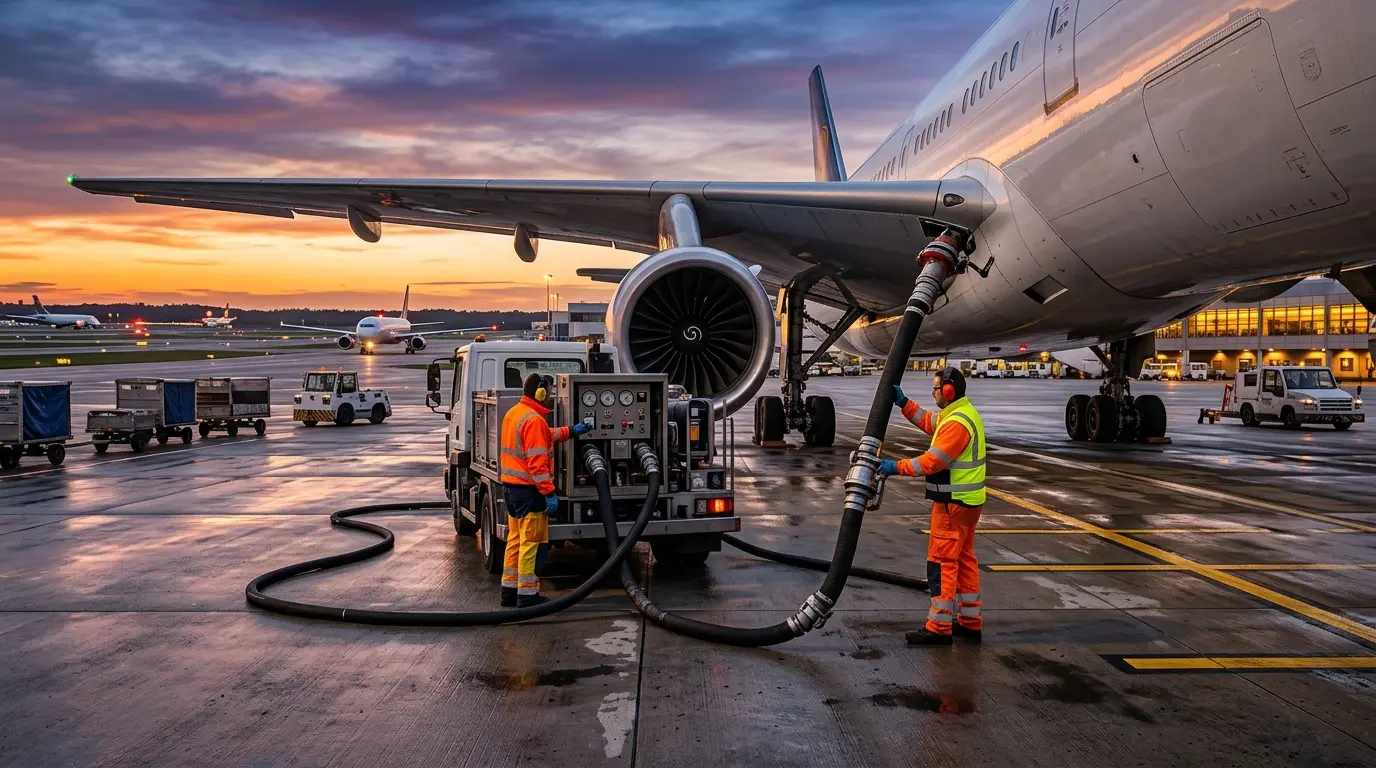
Petrol is highly volatile and evaporates quickly at low atmospheric pressures found at high altitudes. This can cause "vapor lock" in fuel lines, potentially stalling engines, whereas jet fuel remains stable throughout the journey.
Protecting turbine components
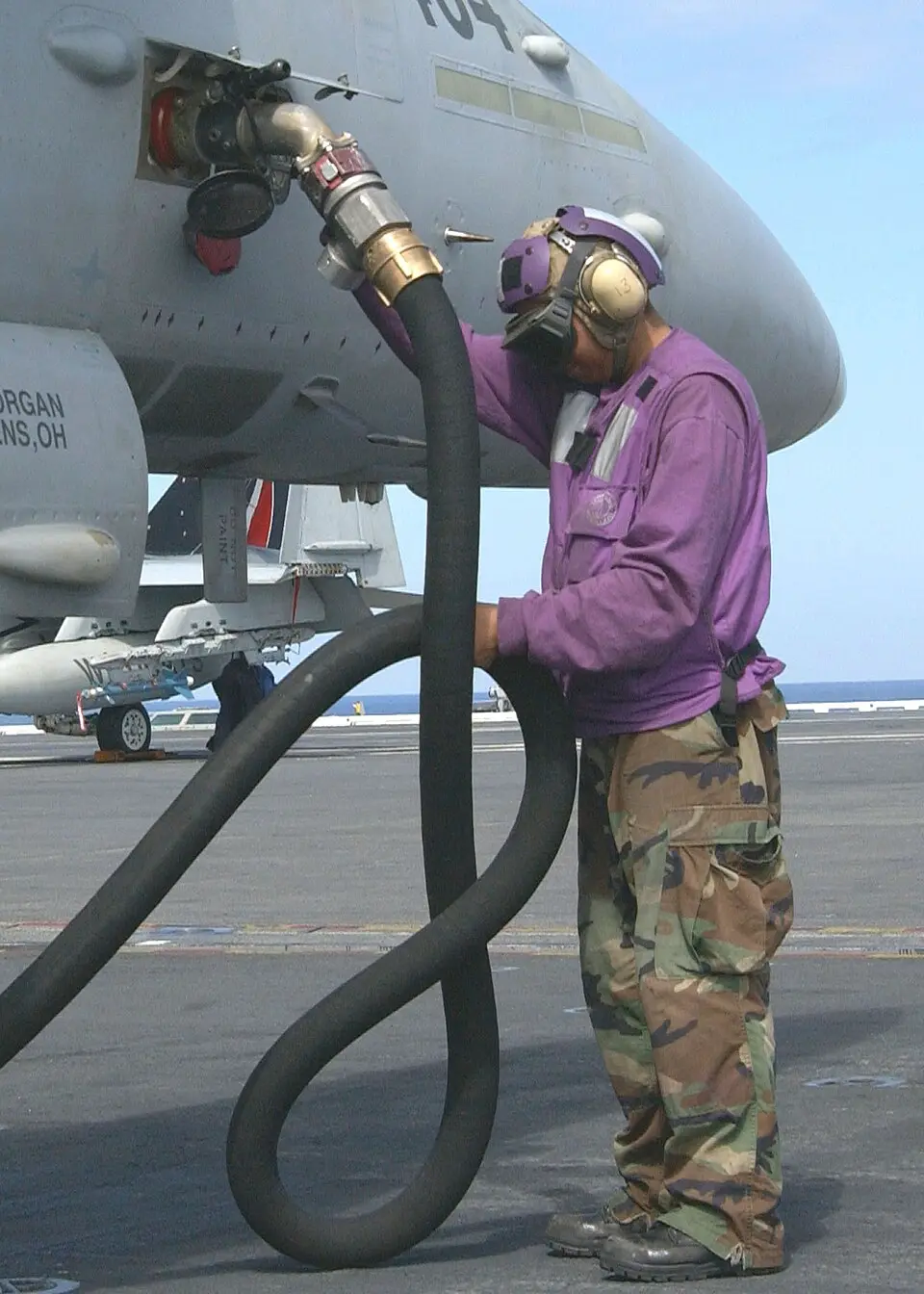
Jet engines operate at extremely high speeds and temperatures. Kerosene acts as a natural lubricant for the fuel pumps and engine components, a property that petrol lacks, as noted by specialists at GE Aerospace.

Economic feasibility
Kerosene is generally cheaper to produce and refine than high-octane aviation petrol. Global aviation standards prioritise Jet A-1 because it provides the best balance of safety, performance, and cost-effectiveness for airlines.
Consistent performance
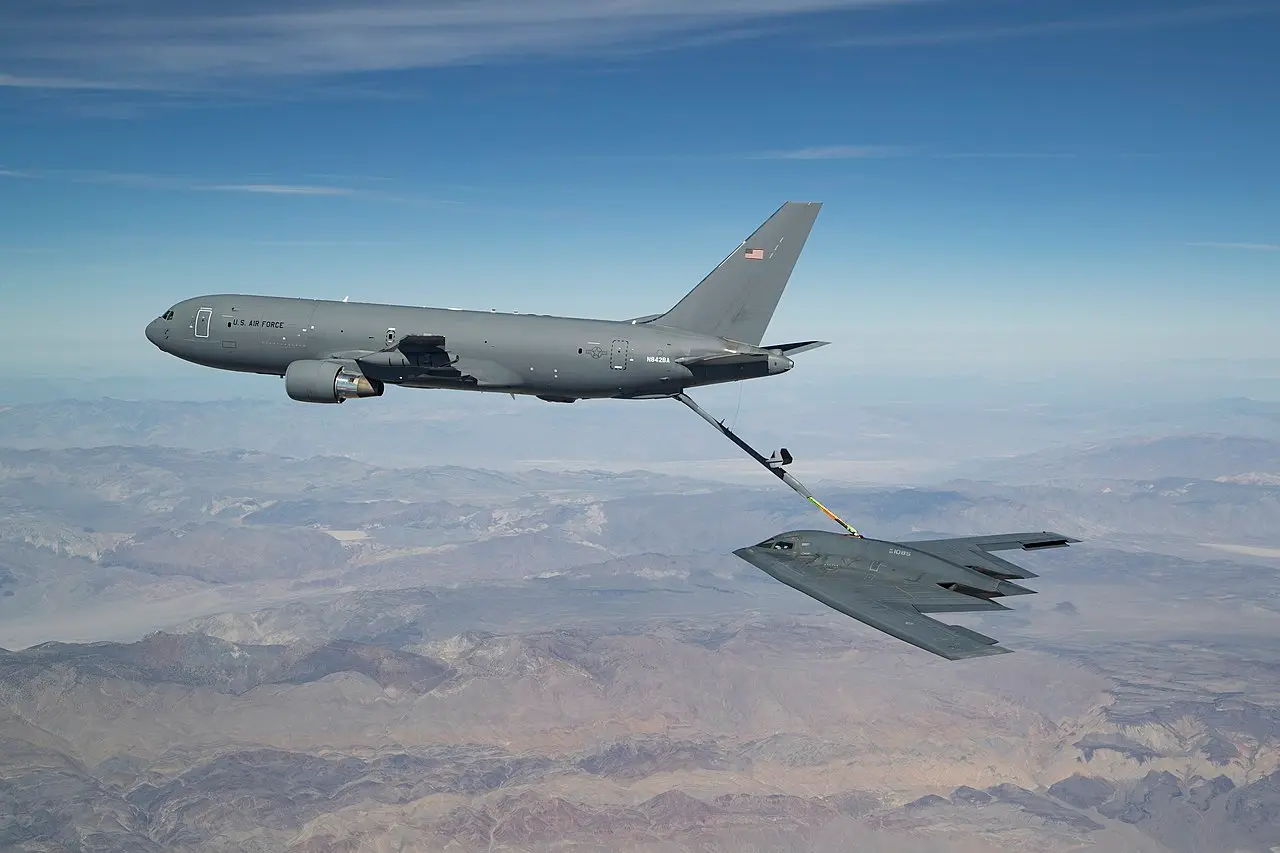
Unlike petrol, jet fuel is highly refined to be chemically stable over long periods. This prevents the formation of gum or deposits in the sophisticated fuel systems used in modern Boeing and Airbus aircraft.
)
)
)
)
)