Why petrol evaporates faster in summer?

Petrol is a volatile liquid, which means it can turn into vapour, especially in warm conditions. Petrol evaporates faster in summer heat due to increased temperature and volatility, but modern cars trap vapour for reuse.
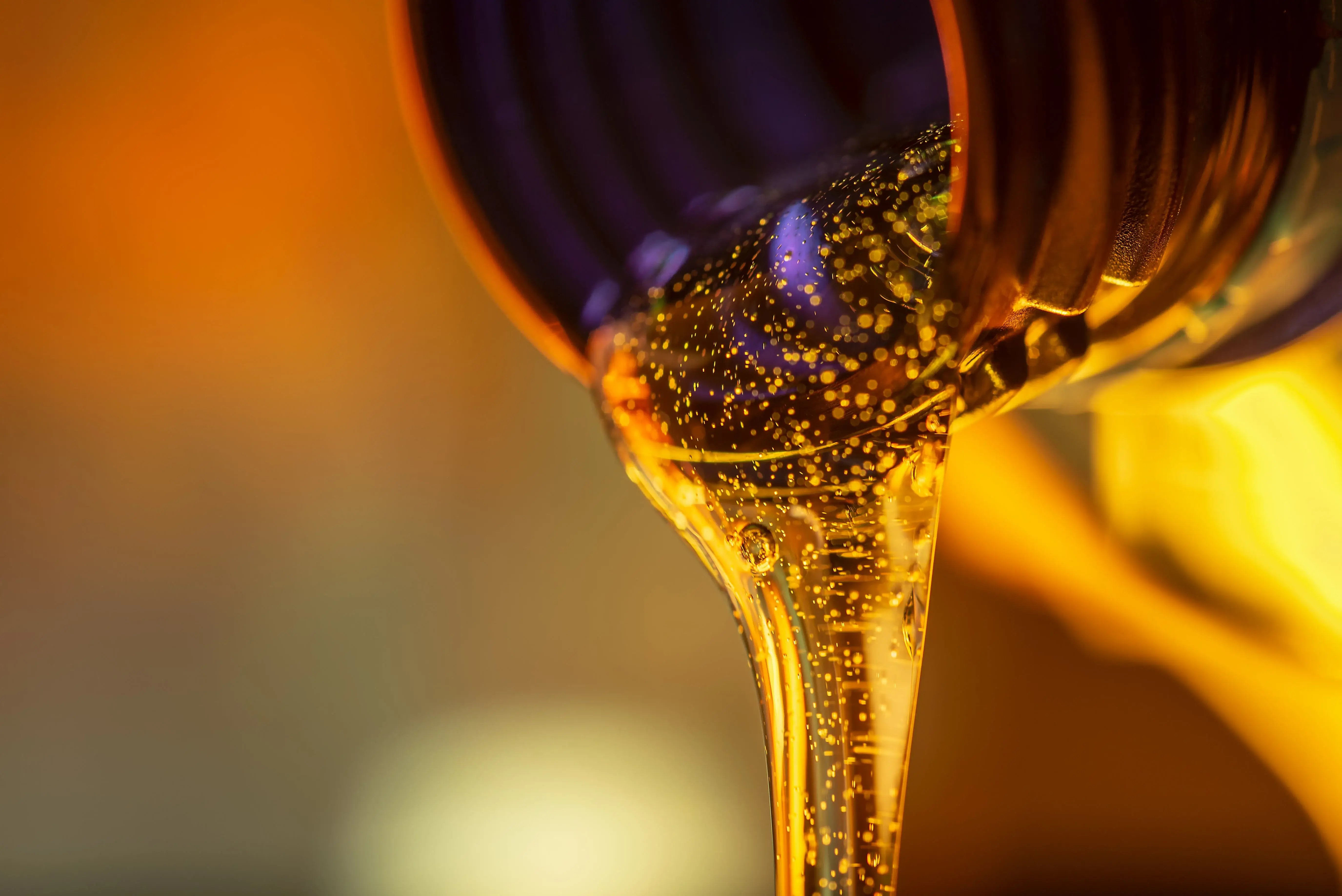
Petrol Is Highly Volatile
Petrol evaporates much faster than water due to weak intermolecular forces. When exposed to warm air, petrol molecules escape into the atmosphere as vapour.
Heat Increases Kinetic Energy
As outside temperature rises, the kinetic energy of petrol molecules goes up. This extra energy helps them break free and evaporate rapidly, especially in direct sunlight.
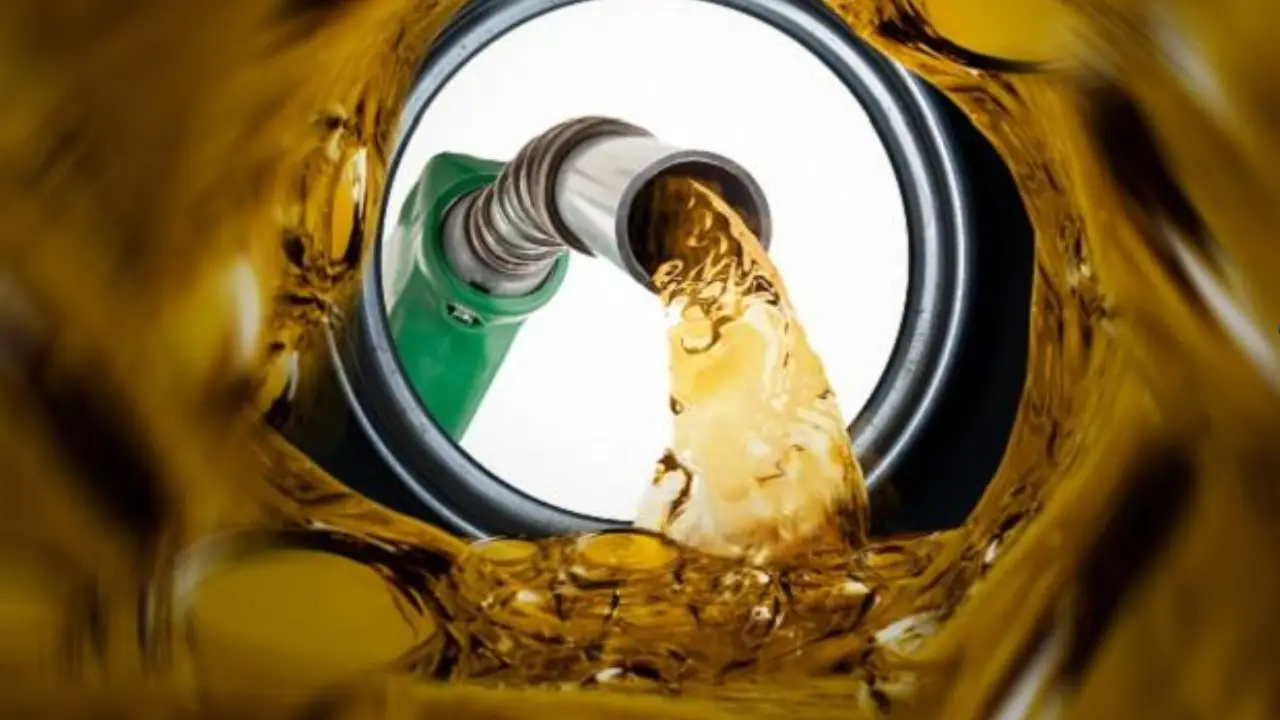
How Fuel Tanks Prevent Vapour Loss
Modern vehicles have evaporative emission control systems (EVAP) that trap and recycle most petrol vapours. The system uses a charcoal canister to collect vapours and feed them back to the engine to be burnt as fuel.
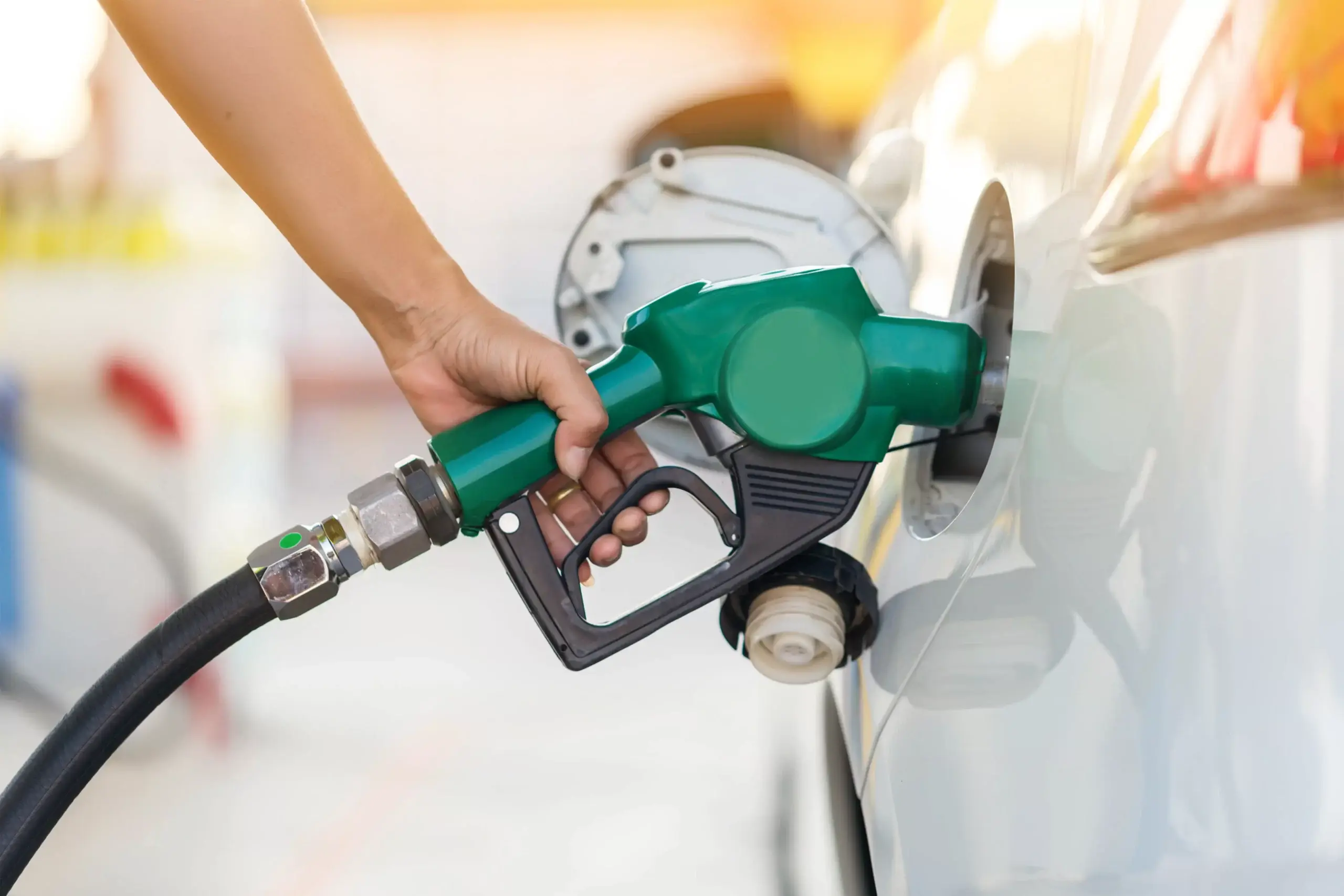
Risk Factors Loose Caps and Older Vehicles
If your fuel cap is loose, lost, or faulty, or if you drive a vehicle without a modern EVAP system, more petrol vapour escapes into the air, causing higher losses in hot weather.
Parking in Direct Sunlight Increases Loss
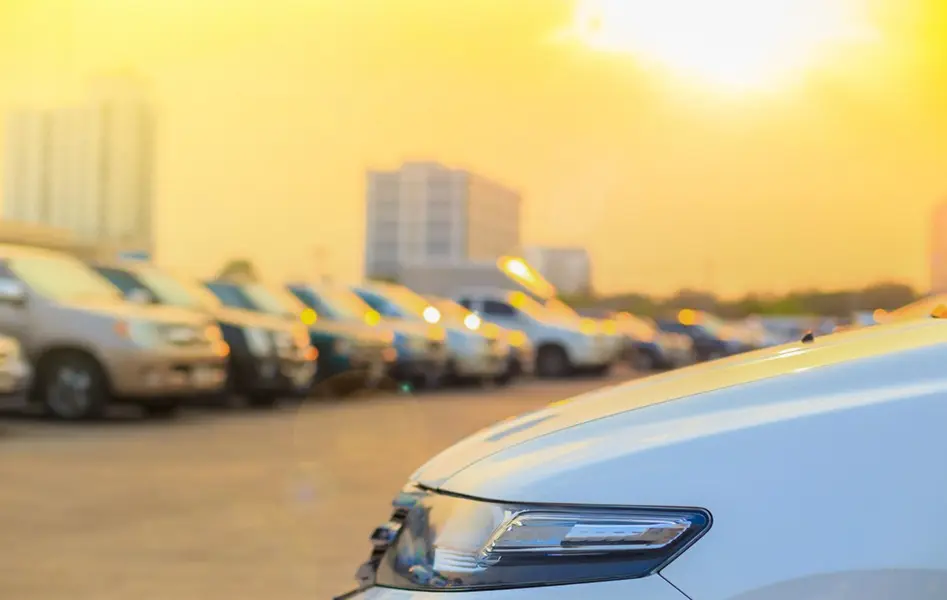
Parking your car or bike in strong sunlight heats up the fuel tank. While most vapour is trapped, persistent exposure over time increases the rate of evaporation, potentially causing a small but noticeable loss.
Other Summer Fuel Efficiency Factors
In summer, running air-conditioning, higher tyre pressures, and using open windows (which increases drag) all mean your engine burns more petrol, adding to perceived fuel loss.
How Much Petrol Actually Evaporates?
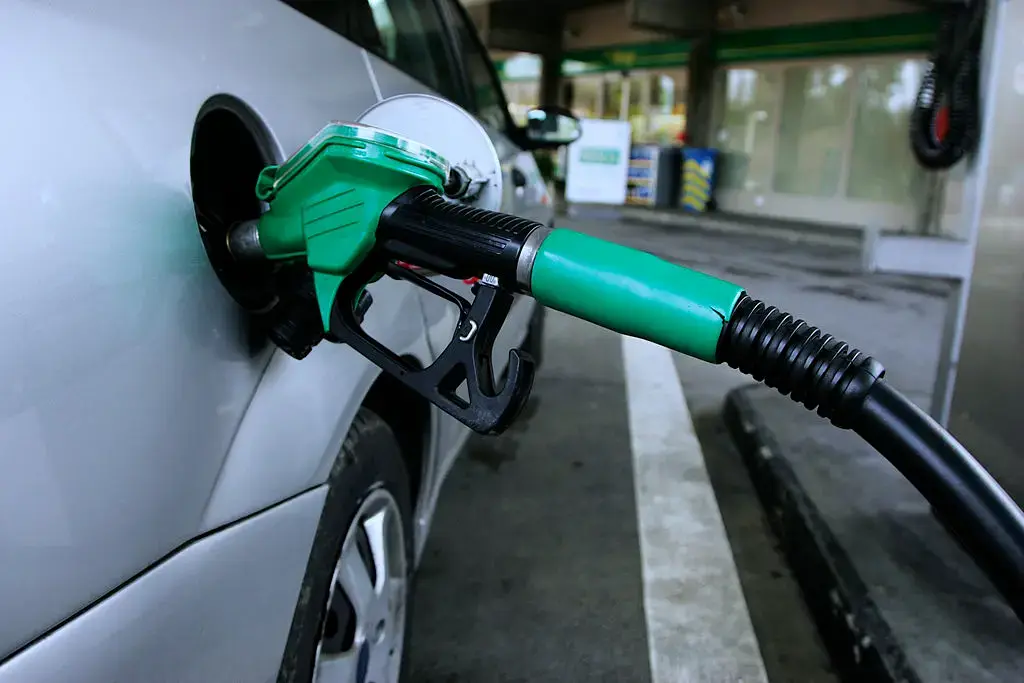
The actual loss from evaporation is usually very small about 1-2 per cent of a tank over an entire summer if systems work as designed. However, if something’s broken or your cap is missing, losses can be higher.
)
)
)
)
)