Why Pakistan’s Babur cruise missile cannot match BrahMos’ reaction time

Pakistan's Babur cruise missile travels at Mach 0.8, taking 20+ minutes to cover 300 kilometres, whilst India's BrahMos reaches the same distance in 6 minutes at Mach 2.8. This speed gap fundamentally disadvantages air defence response times, making BrahMos significantly harder to intercept.
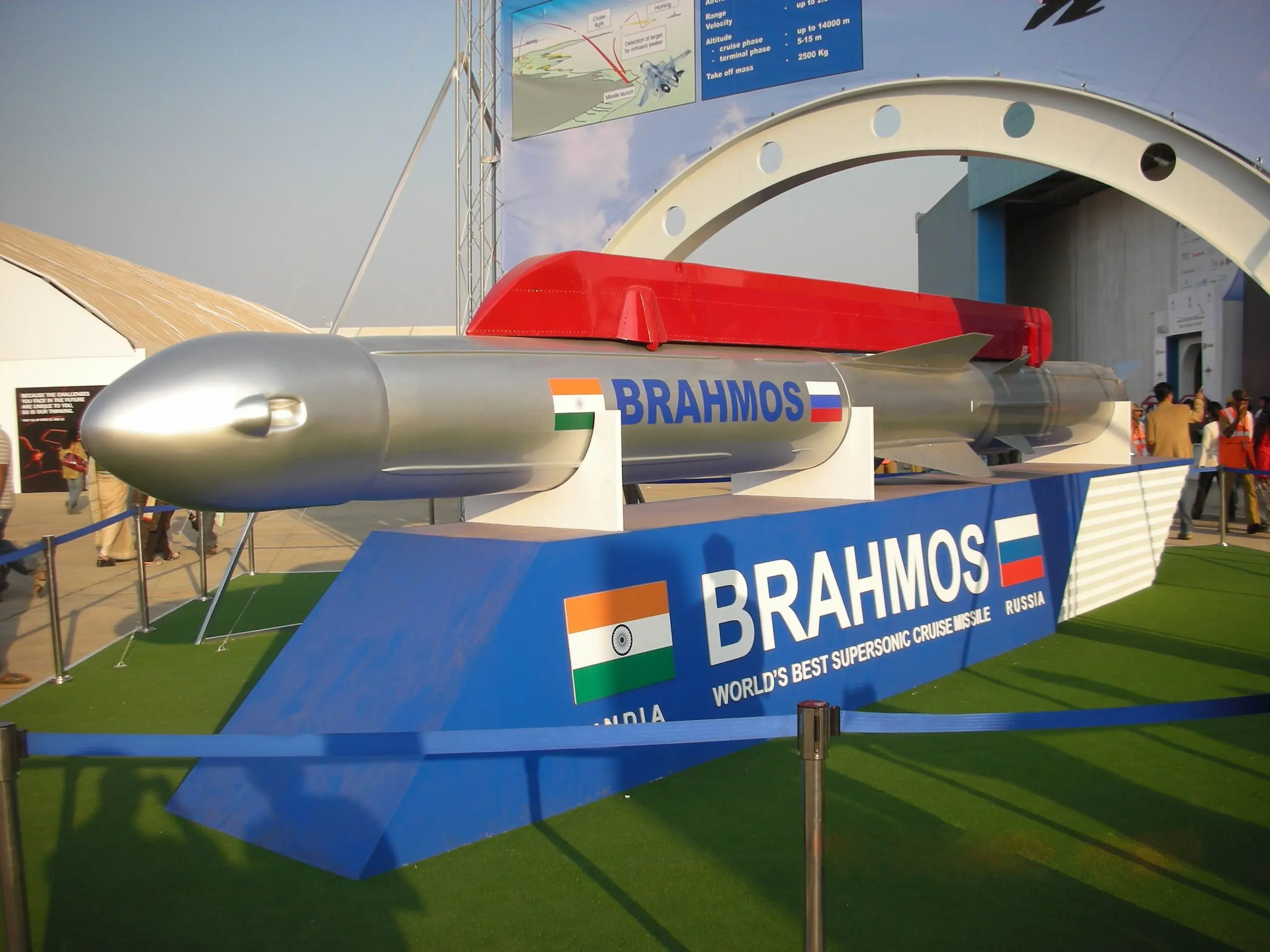
The Speed Difference - A Fundamental Disadvantage
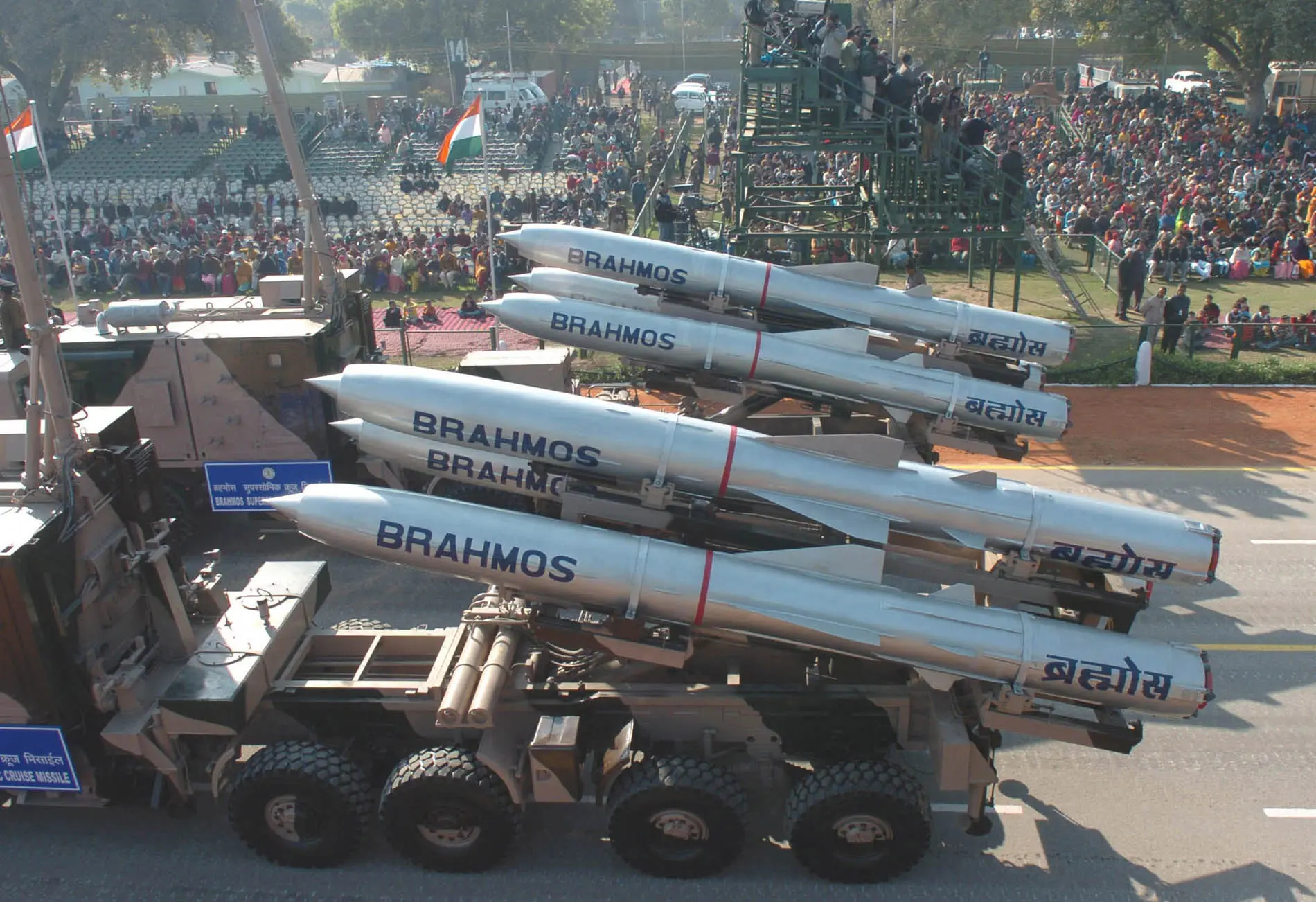
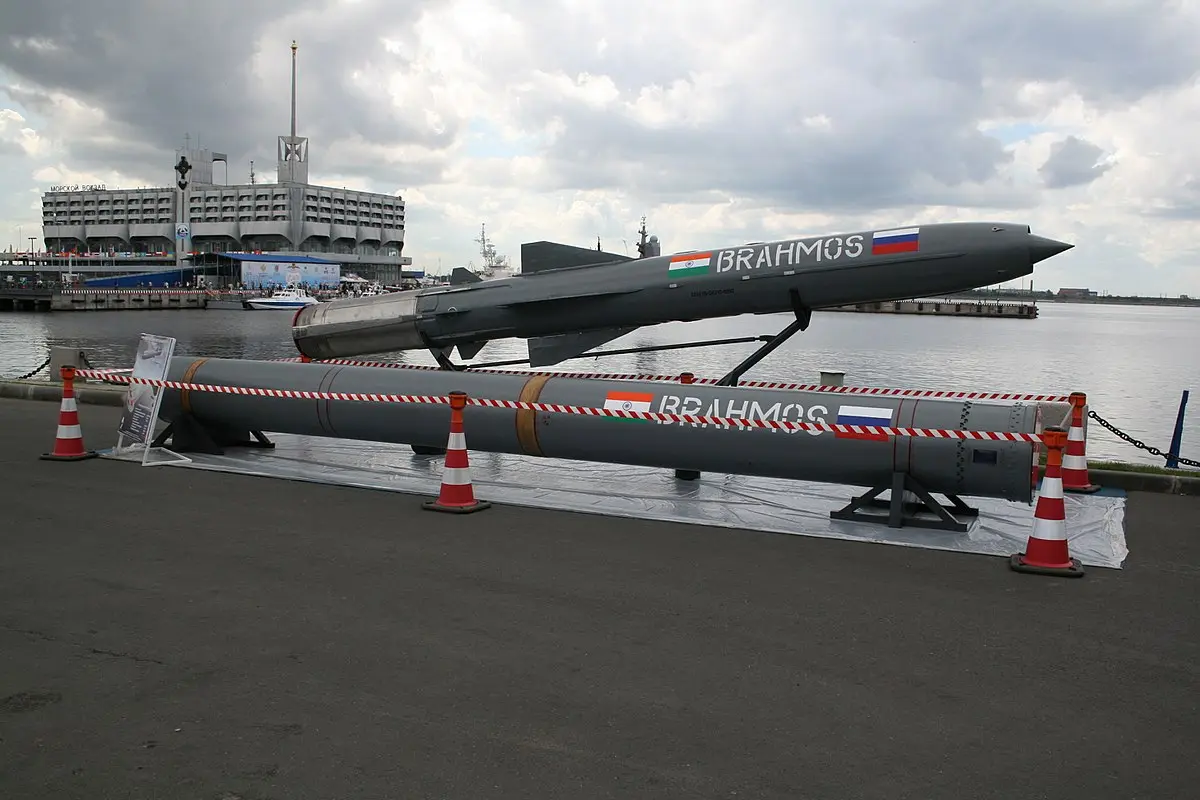
Babur cruises at Mach 0.8 (880 km/h) whilst BrahMos operates at Mach 2.8 (3,450 km/h). This near four-fold speed difference fundamentally determines reaction time for air defence systems. Babur uses a turbofan engine, limiting velocity to subsonic speeds, whilst BrahMos uses a two-stage propulsion system with a ramjet, enabling sustained supersonic flight. The speed gap is not merely technical-it decides whether defenders have time to respond.
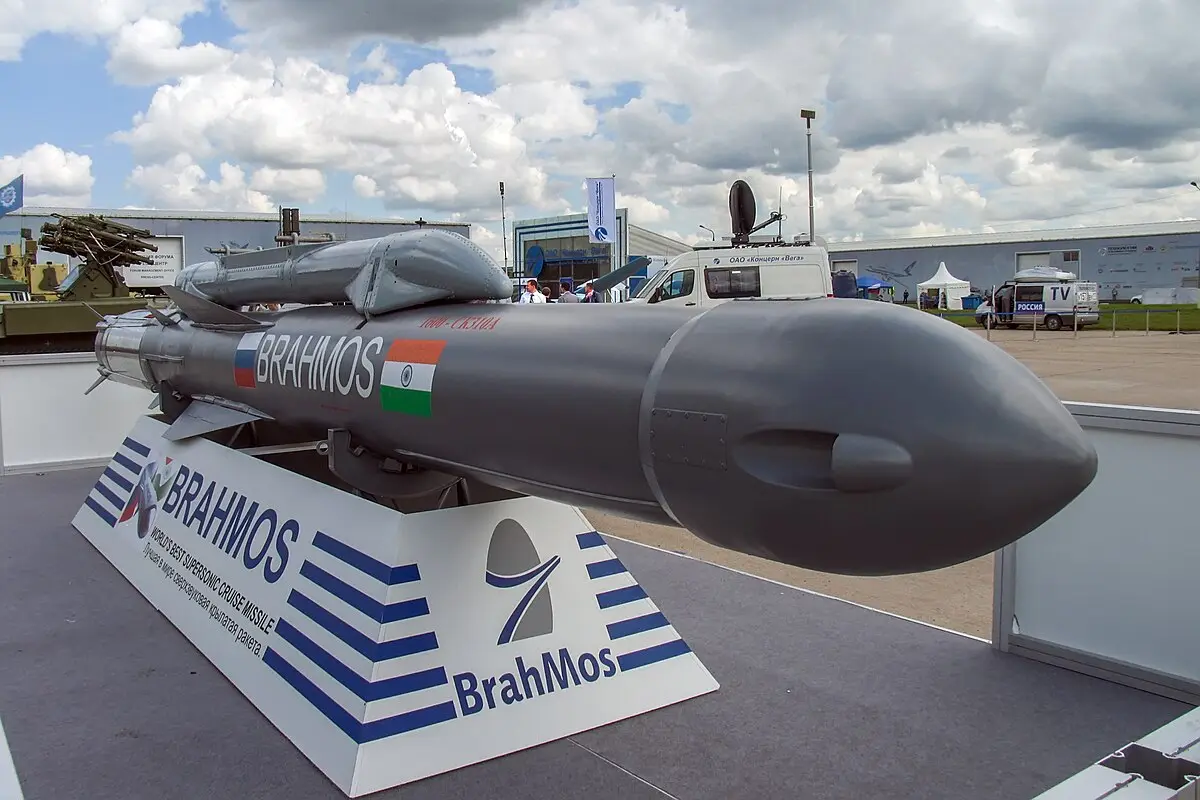
Flight Time Over 300 Kilometres - A Critical Gap
Babur requires 20-22 minutes to cover 300 kilometres at 880 km/h speed. BrahMos covers the same distance in just 5-6 minutes at 3,450 km/h. This 15-16 minute difference represents the entire window for radar detection, threat assessment, and interceptor launch. Defence analysts confirm that this compressed timeframe leaves minimal margin for decision-making, significantly reducing interception feasibility.
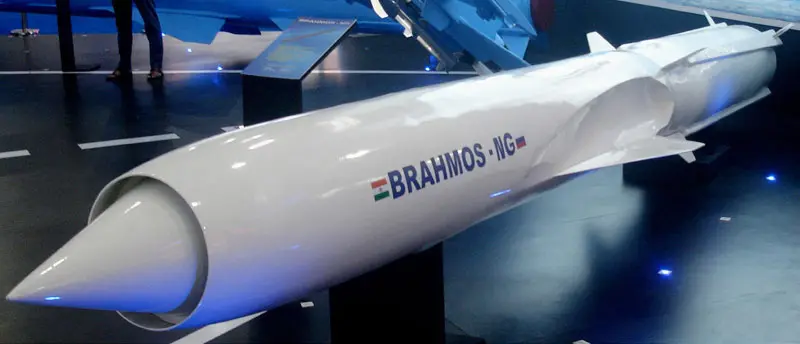
Reaction Time - Why BrahMos Has the Advantage
Reaction time is the interval between threat detection and interception launch-heavily favouring supersonic systems. Defenders have 20 minutes to detect Babur, track it, and launch air defence missiles. BrahMos compresses this entire sequence into 5-6 minutes. According to defence experts, this dramatic reduction leaves air defence networks struggling to respond effectively. The advantage is decisive in modern warfare.
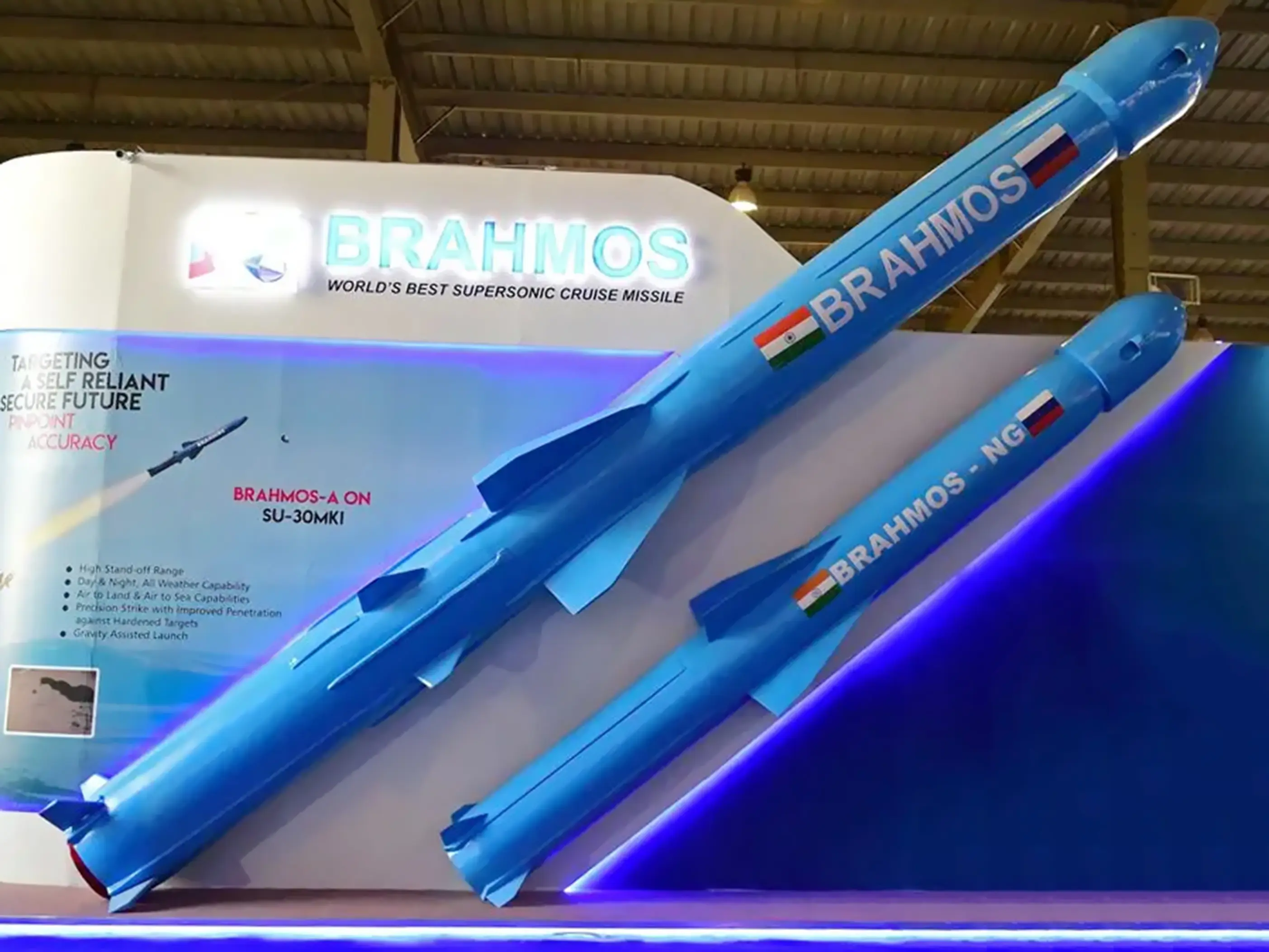
Radar Detection Window - Subsonic Advantage for Defenders
Babur's slower speed permits continuous radar monitoring and extended detection time. Subsonic missiles allow more time for air defence systems to coordinate response and launch interceptors. However, BrahMos' rapid transit means it reaches the target before defences can effectively engage. The physics of missile defence favour faster-moving targets; slower missiles compress available defence time differently but cannot match supersonic reaction advantage.
Guidance Systems - Precision Cannot Compensate for Speed
Babur employs INS, terrain correlation (TERCOM), and GPS guidance for high accuracy. BrahMos uses similar guidance with terrain-hugging flight at 10-metre altitudes. Whilst Babur's precise guidance makes it effective for pre-planned strikes, it does not reduce flight time. Guidance quality only matters if the missile reaches its target; speed determines interception feasibility before that point.
Low-Altitude Flight - Stealth Over Speed
Babur flies at terrain-following altitudes of 20-30 metres, exploiting stealth as compensation for slow speed. This low-altitude profile reduces radar detection but does not accelerate the missile's journey. Defenders may have limited early warning due to stealth, but still retain 20 minutes to respond once detected. BrahMos relies on speed as its primary defence mechanism, not stealth, making interception extremely difficult.
Intercept Requirements - Physics of Response
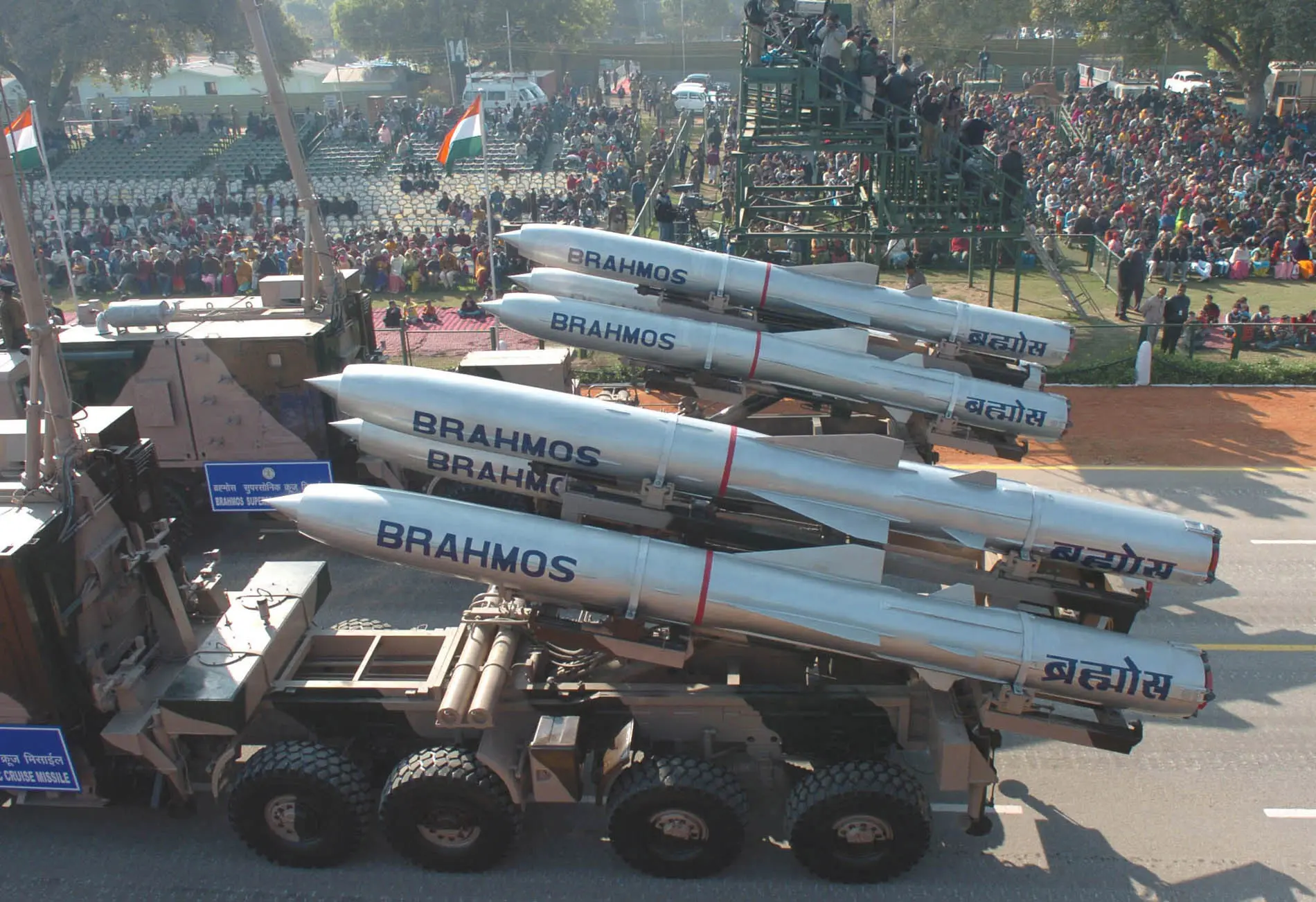
Intercepting BrahMos at Mach 2.8 requires a defensive missile travelling at Mach 4-5 speeds. For Babur at Mach 0.8, an interceptor at Mach 2-2.5 would suffice, making interception feasible with modern air defence systems. BrahMos' velocity demands advanced interceptors-a capability possessed only by systems like Israel's David's Sling or Russia's S-400 at extreme ranges. This physics gap explains BrahMos' near-impossible interception status.

Range Versus Reaction Time - A Trade-off
Babur reaches up to 900 kilometres, whilst BrahMos operates at 290-500 kilometres range. Extended range allows Babur operators to strike from greater distances, but flight time still exceeds 50 minutes for maximum range. Modern warfare prioritises reaction time over range; a slower missile loses strategic value if defenders have ample time to respond. Speed advantage outweighs range extension in tactical doctrine.
Operational Doctrine - Speed as Strategic Force Multiplier
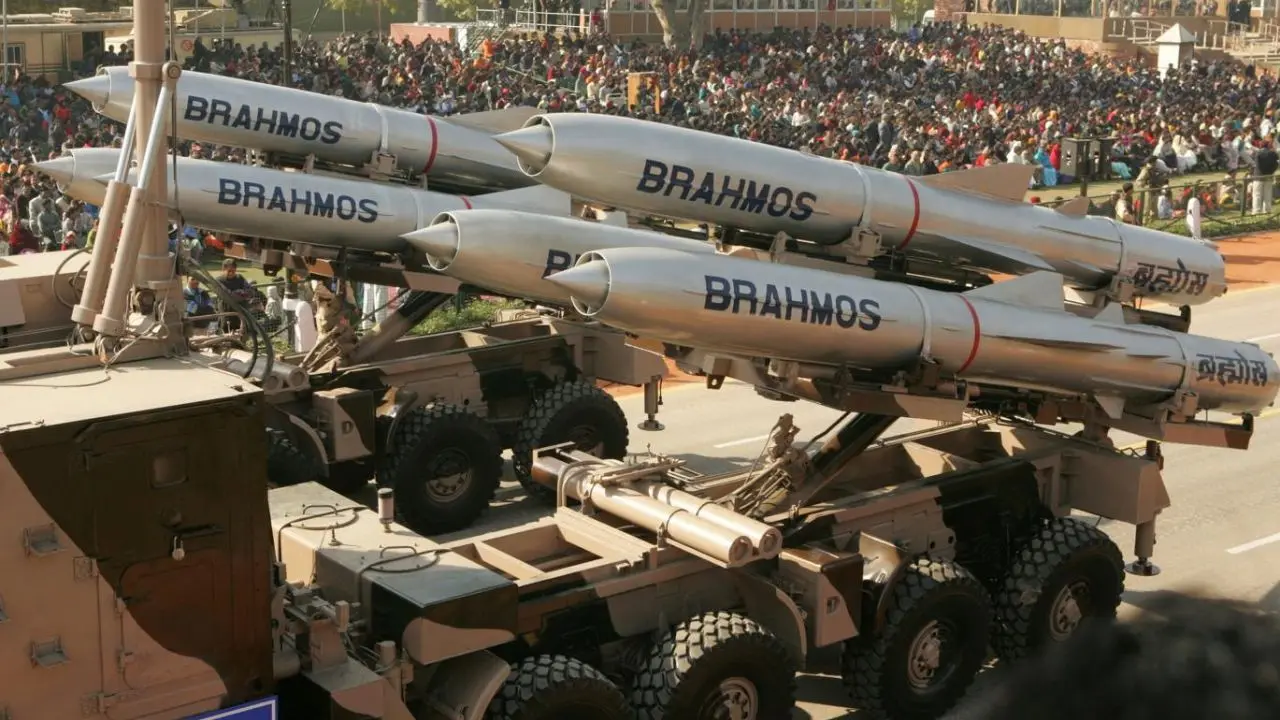
Modern air defence doctrine relies on rapid detection and response; BrahMos' speed negates this by compressing available time. Babur assumes defenders have limited early warning but adequate response time once detected. BrahMos operates oppositely: early detection becomes almost irrelevant because the missile reaches its target before air defences can engage. Recent 2025 conflict analysis demonstrates supersonic missiles force defenders to accept higher attrition rates.
)
)
)
)
)