Why Pakistan has no missile that matches BrahMos cruise missile's Mach 2.8 speed

Pakistan's fastest cruise missile Babur reaches Mach 0.9 whilst BrahMos travels Mach 2.8. Pakistan lacks ramjet engine technology, aerospace expertise, and advanced materials for supersonic cruise development.
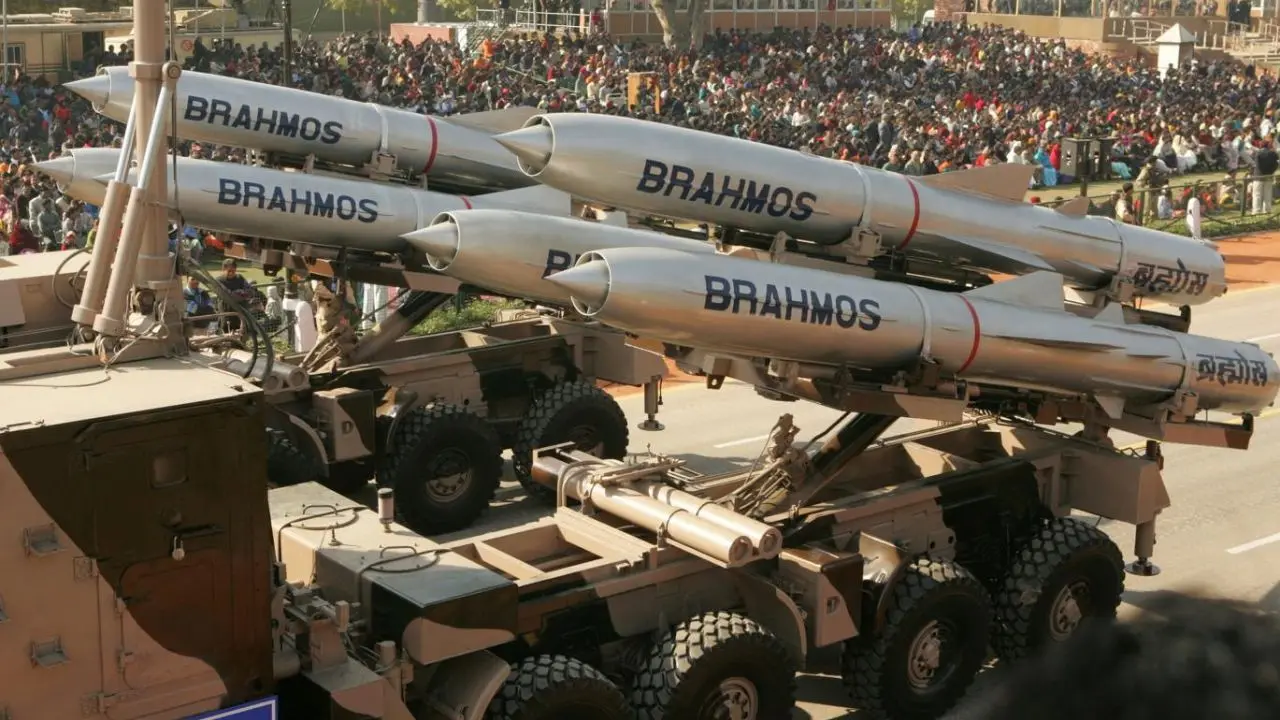
Mach 2.8 versus Mach 0.9 - The Speed Reality
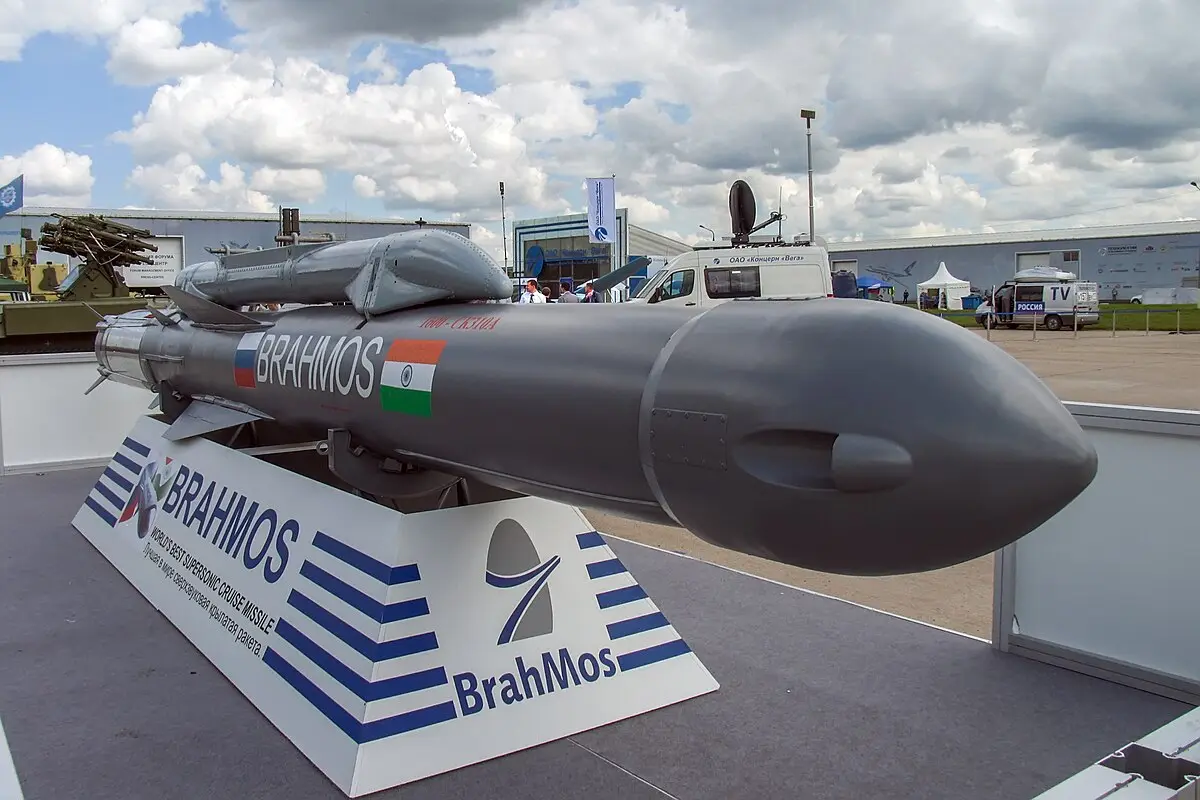
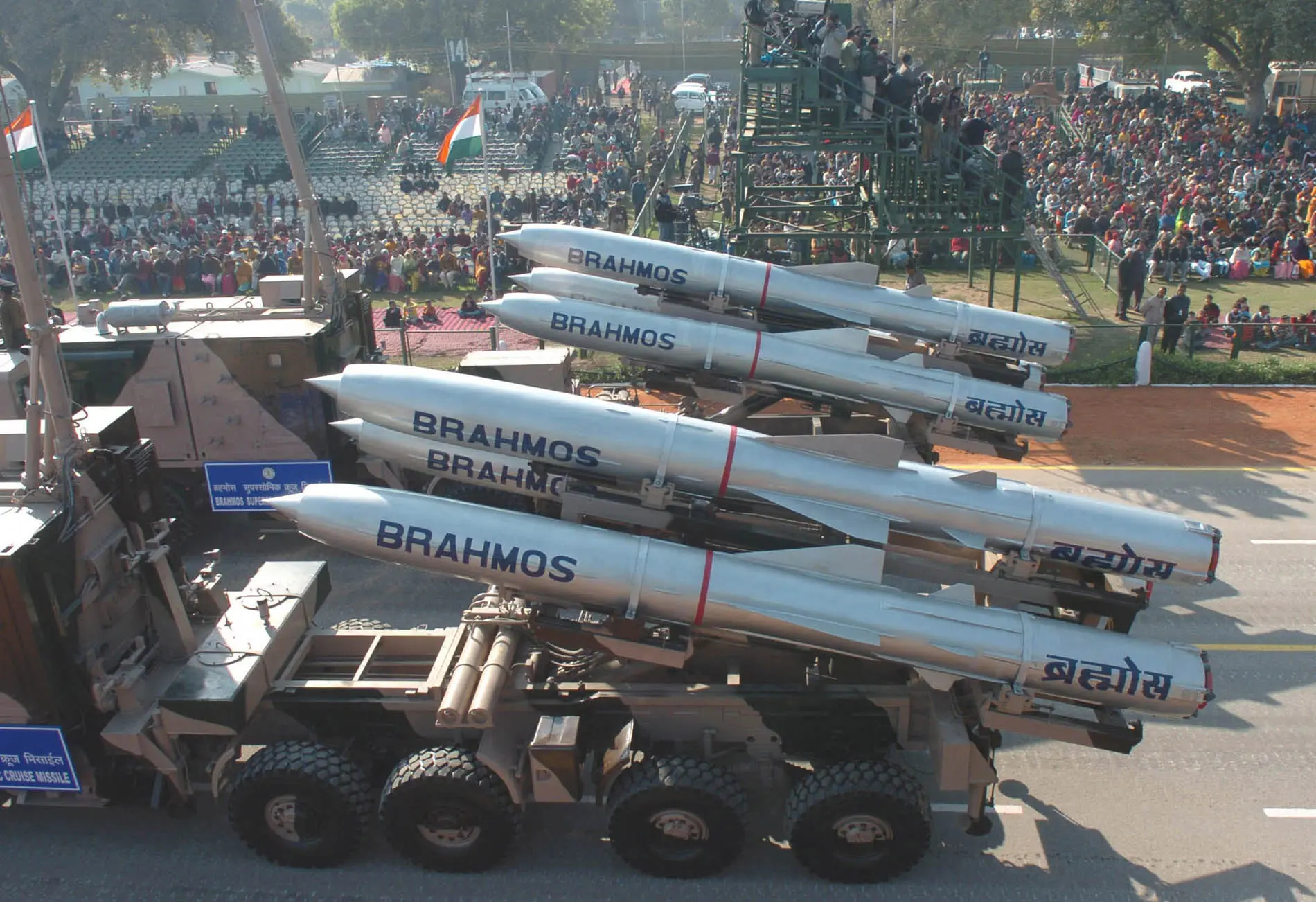
India's BrahMos travels at Mach 2.8 (3,457 kmph), nearly three times faster than Pakistan's Babur reaching Mach 0.9 (880 kmph). This speed difference fundamentally changes air-defence challenges - BrahMos provides only seconds for defensive reaction whilst Babur allows extended engagement windows. Supersonic cruise missiles require advanced ramjet engines, thermal protection, and precision guidance systems Pakistan lacks domestically.
Babur Cruise Missile - Pakistan's Primary Subsonic Option
Pakistan's Babur (Hatf-7) cruise missile achieves maximum speed of 550 miles per hour using turbojet propulsion since its 2005 first test. The missile operates at subsonic speeds despite boasting 750-kilometre range, prioritising distance over velocity. Pakistan has produced multiple Babur variants including Babur-III submarine-launched version, yet none achieve supersonic speeds characteristic of modern advanced cruise missiles.
Ra'ad Air-Launched Cruise Missile - Limited Supersonic Capability
Ra'ad air-launched cruise missile provides Pakistan Air Force stand-off strike capability at 350-kilometre range with subsonic cruise speed. Launched from combat aircraft at altitude, Ra'ad achieves faster effective speed through initial aircraft velocity plus missile acceleration. However, sustained cruise remains subsonic, lacking BrahMos' continuous supersonic flight profile.
Zarb Anti-Ship Missile - Coastal Defence Alternative
Pakistan Navy inducted Zarb anti-ship missile in 2016 to enhance coastal defence along 1,046-kilometre coastline. Zarb provides 300-kilometre range with subsonic cruise speed, achieving sea-skimming terminal phase for evasion. Despite naval significance, Zarb lacks supersonic cruise capability matching BrahMos performance.
Ramjet Engine Technology - The Critical Gap
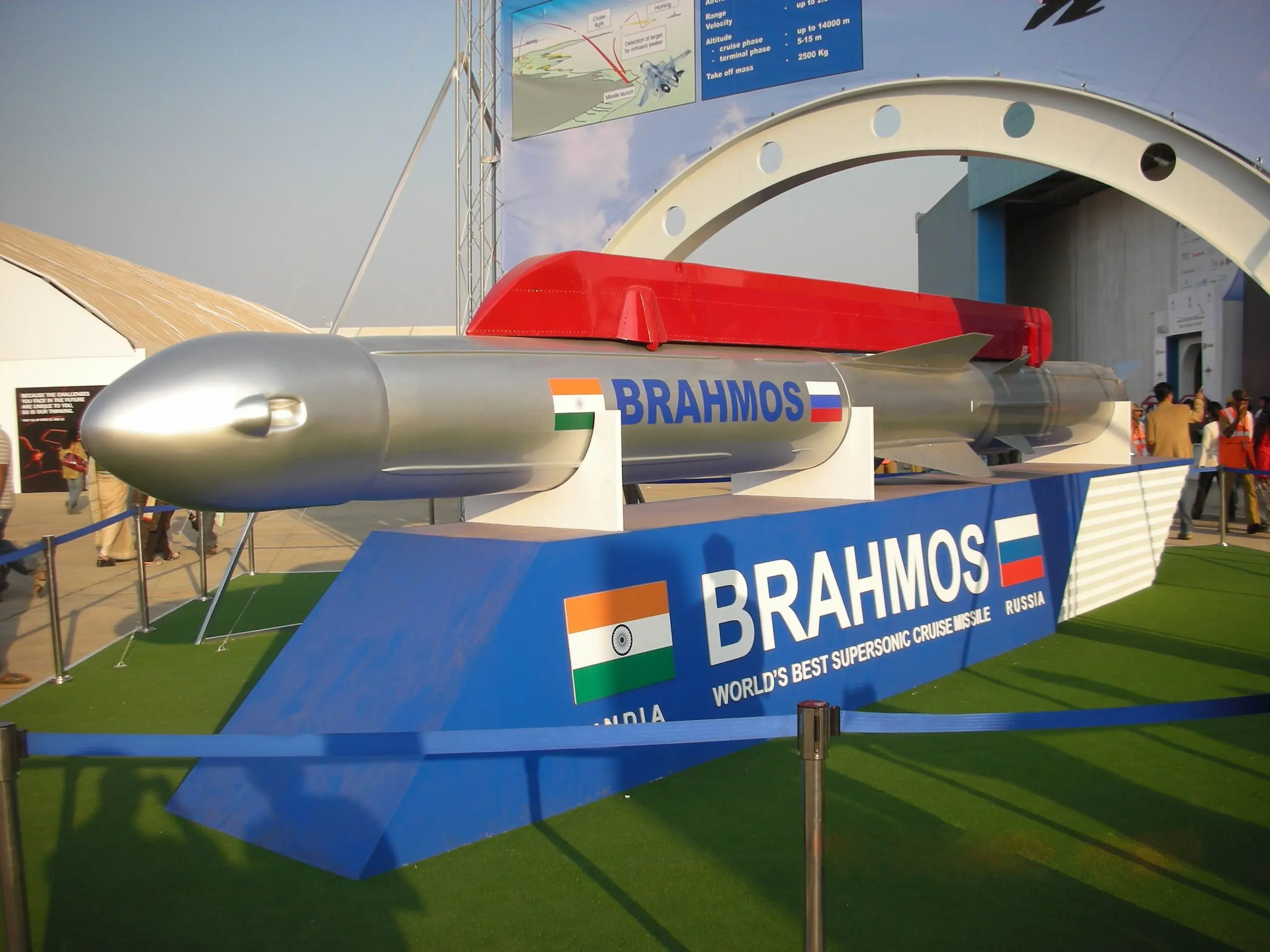
BrahMos uses ramjet propulsion enabling sustained supersonic flight impossible with conventional turbojets used by Pakistan. Ramjet engines require supersonic airflow compression at intake, generating sufficient thrust at hypersonic speeds. Pakistan lacks indigenous ramjet engine development capability, fundamentally limiting cruise missile speed advancement.
Chinese Technology Integration - Seeking Alternatives
Pakistan integrated Chinese-origin hypersonic anti-ship ballistic missiles (CM-400AKG, YJ-21) reaching Mach 5+ speeds to compensate for subsonic cruise missile limitations. Pakistan also considered Chinese C-602 missile acquiring 400-kilometre range capability for MTCR compliance. Chinese assistance remains critical to Pakistani supersonic development efforts.

SMASH Hypersonic Missile - Pakistan's November 2025 Test
Pakistan Navy successfully tested SMASH indigenous hypersonic anti-ship ballistic missile achieving Mach 8 speeds (9,800 kmph) in November 2025. SMASH represents Pakistan's attempt closing speed gap through ballistic rather than cruise trajectory technology with estimated 720-850 kilometre range. However, SMASH remains ballistic missile category, not cruise missile class.
Technical Constraints Limiting Supersonic Development
Pakistan missile development faces multiple constraints: limited domestic aerospace industrial base, absence of advanced materials expertise, inadequate engine technology foundation, restricted foreign technology access through proliferation controls. Pakistan's late entry into cruise missile development (Babur first test 2005) places it generations behind Indian-Russian BrahMos programme initiated 1998.
Strategic Response - Layered Air Defence Investment
Pakistan addresses BrahMos speed advantage through integrated air-defence network investments including HQ-9/P systems, LY-80 radars, and Erieye AEW&C platforms rather than matching missile speed directly. Pakistan recovered BrahMos missile debris during 2019 incident, enabling analysis of telemetry data and radar signatures optimising air-defence system tuning.
Future Prospects - Limited Supersonic Cruise Missile Path
Pakistan unlikely achieving independent BrahMos-equivalent Mach 2.8 supersonic cruise missile in foreseeable future given technical constraints and development timelines. Pakistani defence planners focus on hypersonic ballistic systems and air-defence layer improvements rather than supersonic cruise missile programmes. Continued Chinese technology cooperation may provide access to supersonic platforms, though complete indigenous development remains unachievable.
)
)
)
)
)