Why Pakistan fears BrahMos cruise missile more than any other Indian weapon?

BrahMos flies extremely low over water and land using sea-skimming and terrain-masking profiles.
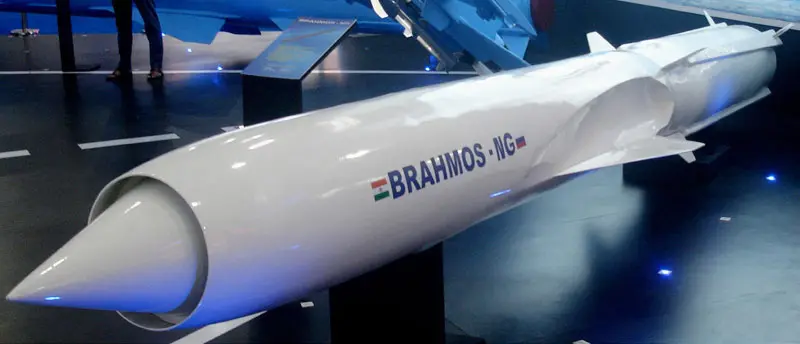
1. A Mach-3 missile that compresses Pakistan’s reaction time
BrahMos travels at nearly Mach 3, which means it covers distance far faster than Pakistan’s subsonic cruise missiles or most air-launched weapons. In real operational terms, this speed drastically shortens Pakistan’s detection and decision window. Even if radars pick it up late due to low-altitude flight, the missile’s high velocity leaves Pakistan’s air-defence crews with seconds, not minutes, to respond. For a country whose airspace is narrow and whose strategic sites sit close to the border, reaction-time compression is a major concern.
2. Sea-skimming and terrain-hugging make it difficult to detect
BrahMos flies extremely low over water and land using sea-skimming and terrain-masking profiles. This allows it to blend into ground clutter and stay below the radar horizon. Pakistan’s western terrain is relatively flat near the border, but cruise-missile radars still struggle with low-flying supersonic threats. The combination of speed and low altitude means BrahMos often becomes visible to radars only in the final moments, when interception options are limited and highly pressured.
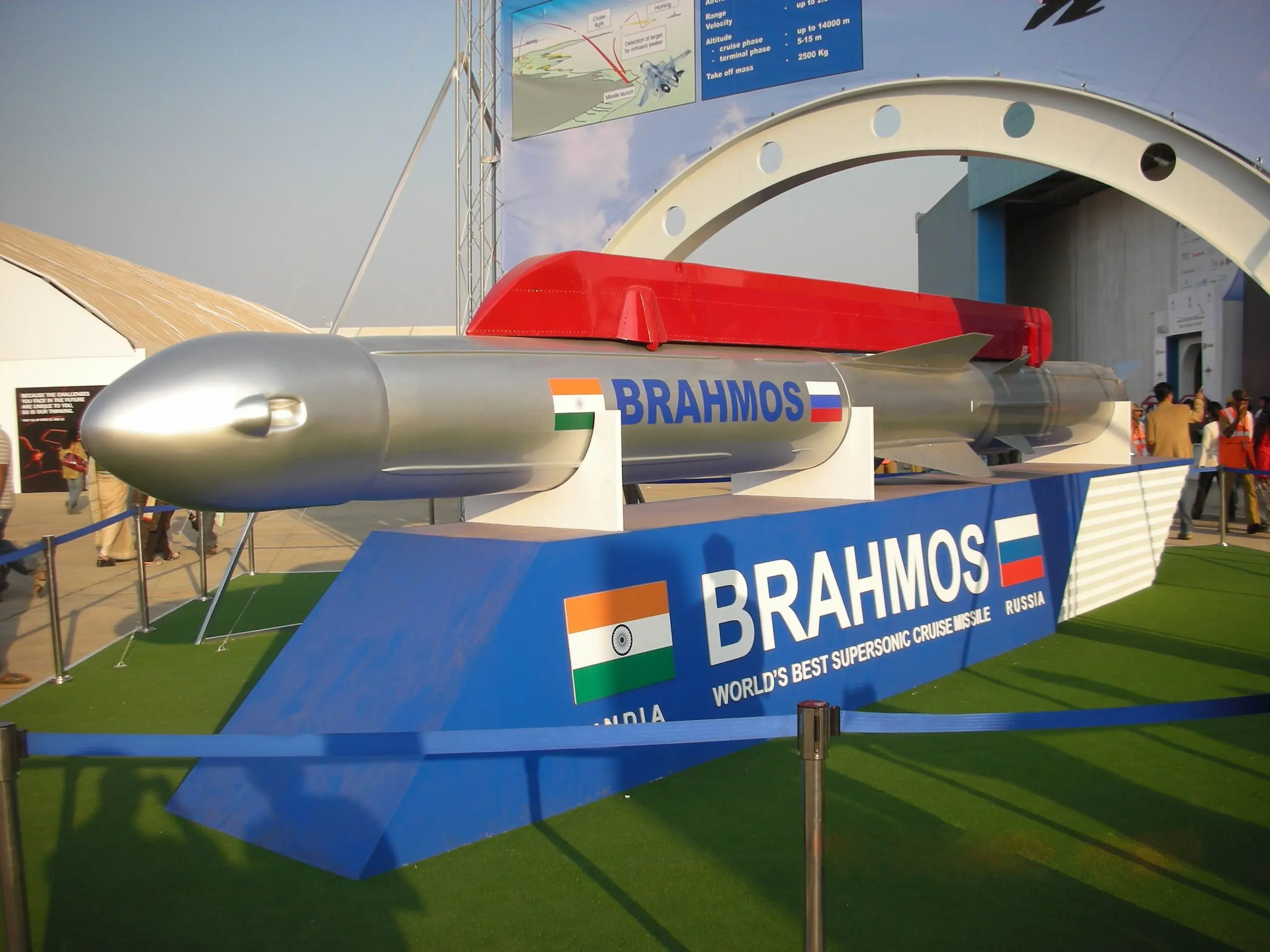
3. Precision strikes threaten high-value targets deep inside Pakistan
Even without the extended-range version, India can strike important Pakistani military sites, air bases, logistics nodes, and command centres with high accuracy. Pakistan’s geography places several critical military locations within striking range of air-launched BrahMos from Su-30MKI aircraft. Unlike ballistic missiles, which trigger immediate escalation concerns, a conventional precision-strike weapon like BrahMos provides India with a controlled, limited-response option—something that complicates Pakistan’s military planning.
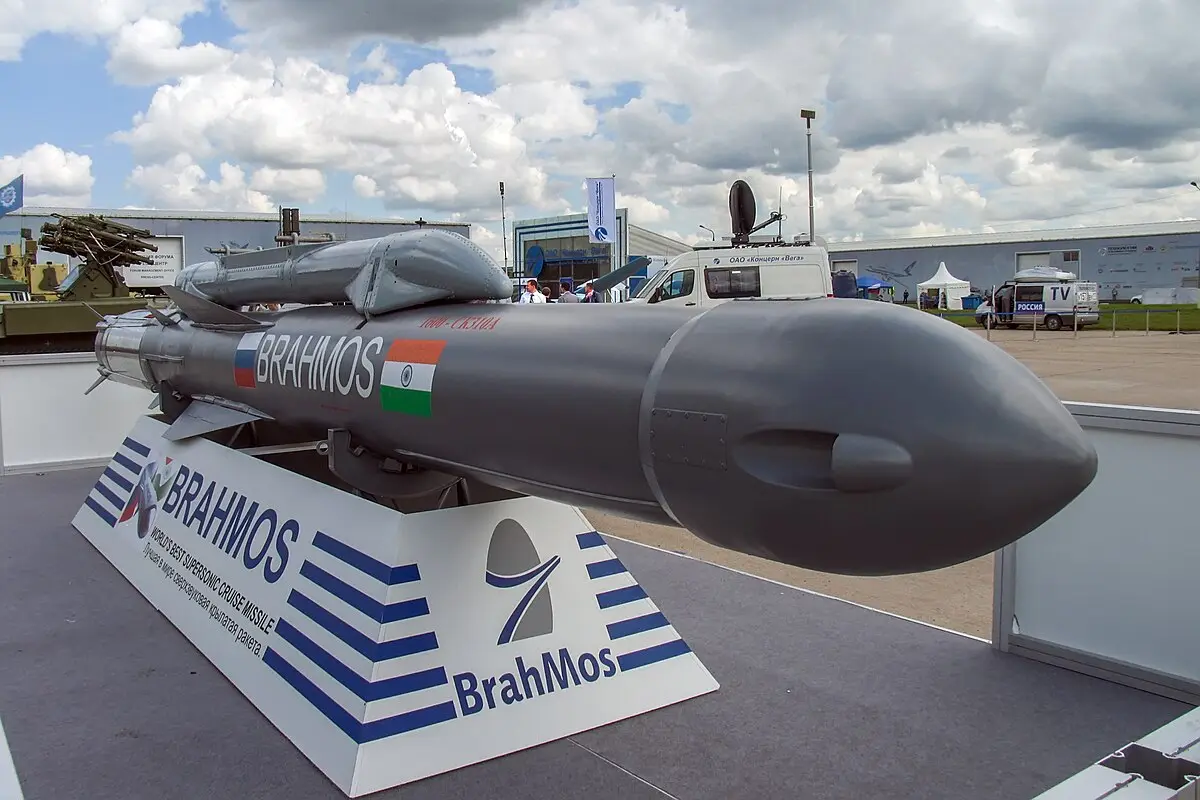
4. BrahMos from Su-30MKI gives India stand-off air-launch flexibility
The air-launched variant is one of the main reasons Pakistan treats BrahMos differently. A Su-30MKI does not need to cross the border or come near Pakistani air-defence envelopes to fire. It can launch from deep within Indian airspace, particularly over Rajasthan or Punjab, and still hit strategic targets. That stand-off capability limits Pakistan’s ability to pre-emptively engage Indian aircraft and forces Pakistani planners to account for attacks that could come from multiple unexpected directions.
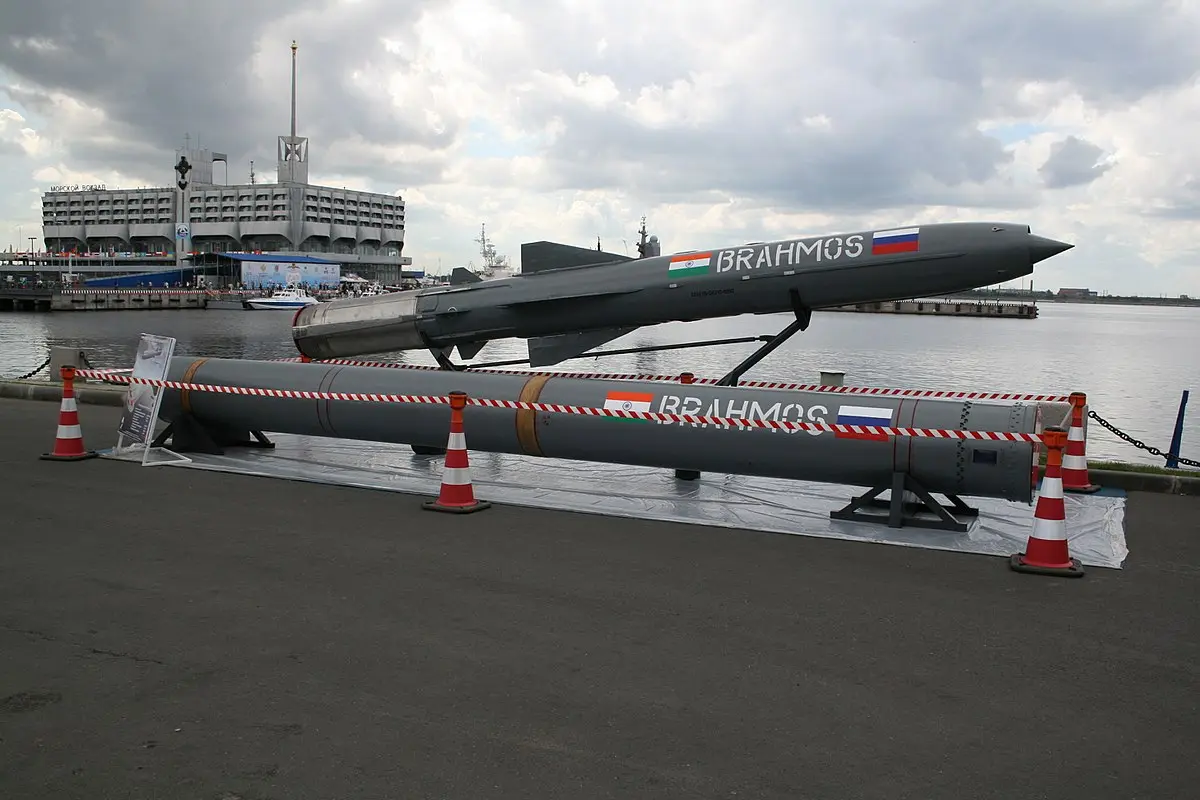
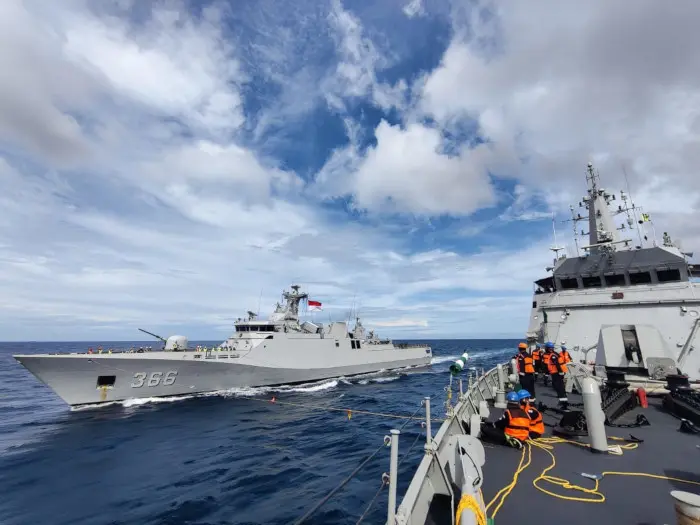
5. The anti-ship variant threatens Pakistan Navy’s surface fleet
BrahMos’ anti-ship version poses a serious challenge to the Pakistan Navy because it travels fast, flies low, and manoeuvres in its terminal phase. Large naval vessels like frigates and destroyers have limited time to detect and intercept a Mach-3 sea-skimmer. For a navy with a smaller fleet and fewer layered air-defence ships, BrahMos effectively creates a “no-approach zone” around Indian waters. This has direct implications for Pakistan’s ability to project maritime power during a crisis.
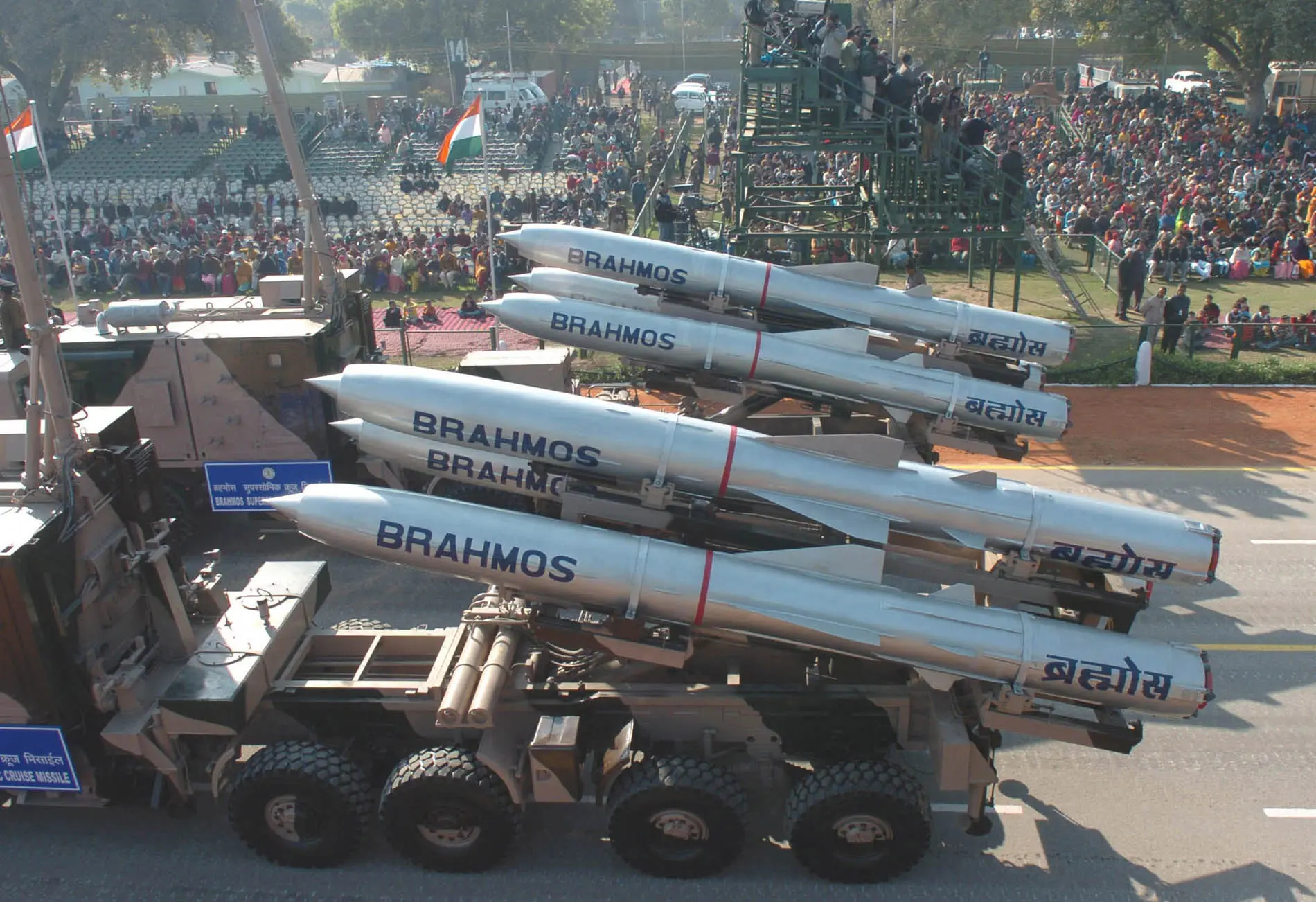
6. Forward deployment along the western border creates continuous pressure
India’s deployment of BrahMos regiments in forward areas gives it the ability to respond quickly to any provocation. Pakistan must treat each regiment as a credible, ready strike asset. Even if BrahMos is never fired, its presence forces Pakistan to disperse assets, conduct additional air patrols, harden bases, and maintain higher readiness. That constant pressure carries financial and operational costs that accumulate over time, which is why Pakistan views BrahMos as a persistent threat.

7. BrahMos shapes escalation dynamics without crossing nuclear thresholds
Perhaps the most important strategic factor is that BrahMos strengthens India’s conventional deterrence without triggering nuclear red lines. Pakistan’s nuclear posture is built around countering India’s conventional superiority, but BrahMos complicates this calculus. It gives India the ability to carry out localised, precise, conventional strikes that do not automatically escalate to strategic exchange. For Pakistan, that unpredictability makes BrahMos more destabilising than slower, longer-range ballistic systems.
)
)

)
)