Why Pakistan–Afghanistan border is becoming the world’s next terror hotspot

The Durand Line, a long, loosely demarcated border, passes through remote, mountainous terrain. This geography makes large-scale patrolling difficult, allows militants to move across with relative ease, and complicates efforts to fence or secure the border.
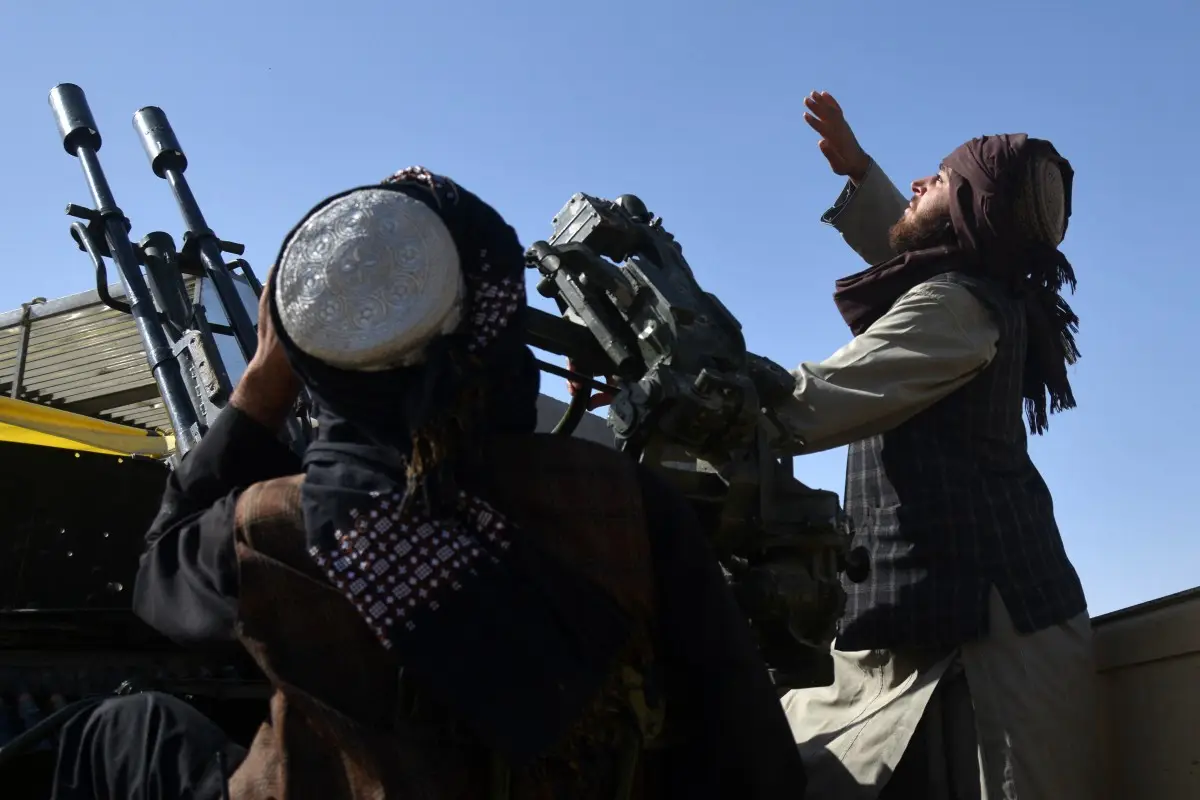
1. A Surge in Cross-Border Clashes
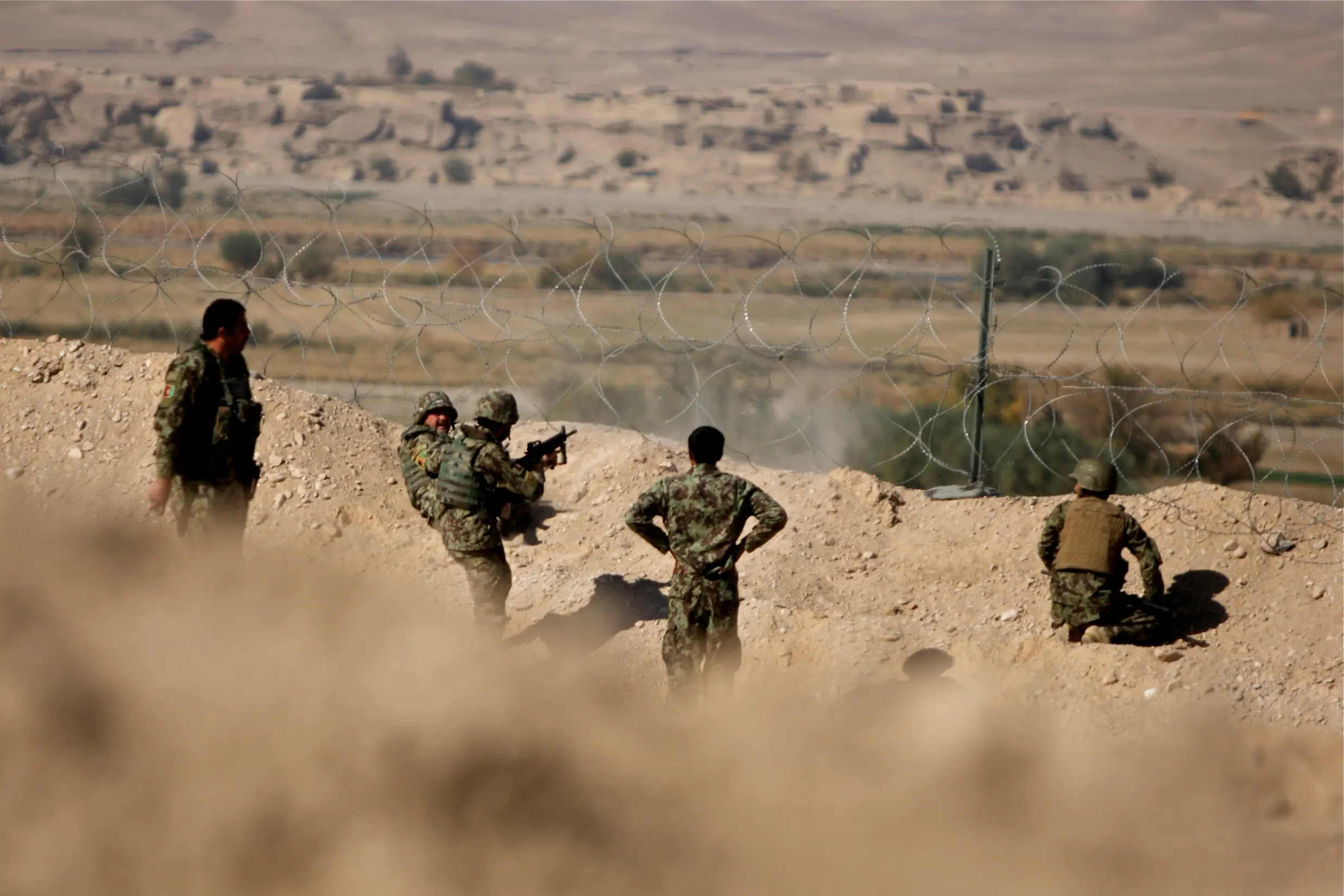
Recent weeks have seen intense fighting between Pakistani forces and Afghan Taliban units. Pakistan claims dozens of its troops have been killed in attacks launched from Afghan soil, while Pakistan has responded with airstrikes targeting Taliban positions in provinces like Kandahar and Kabul. Major border crossings such as Torkham and Chaman have been closed amid the violence.
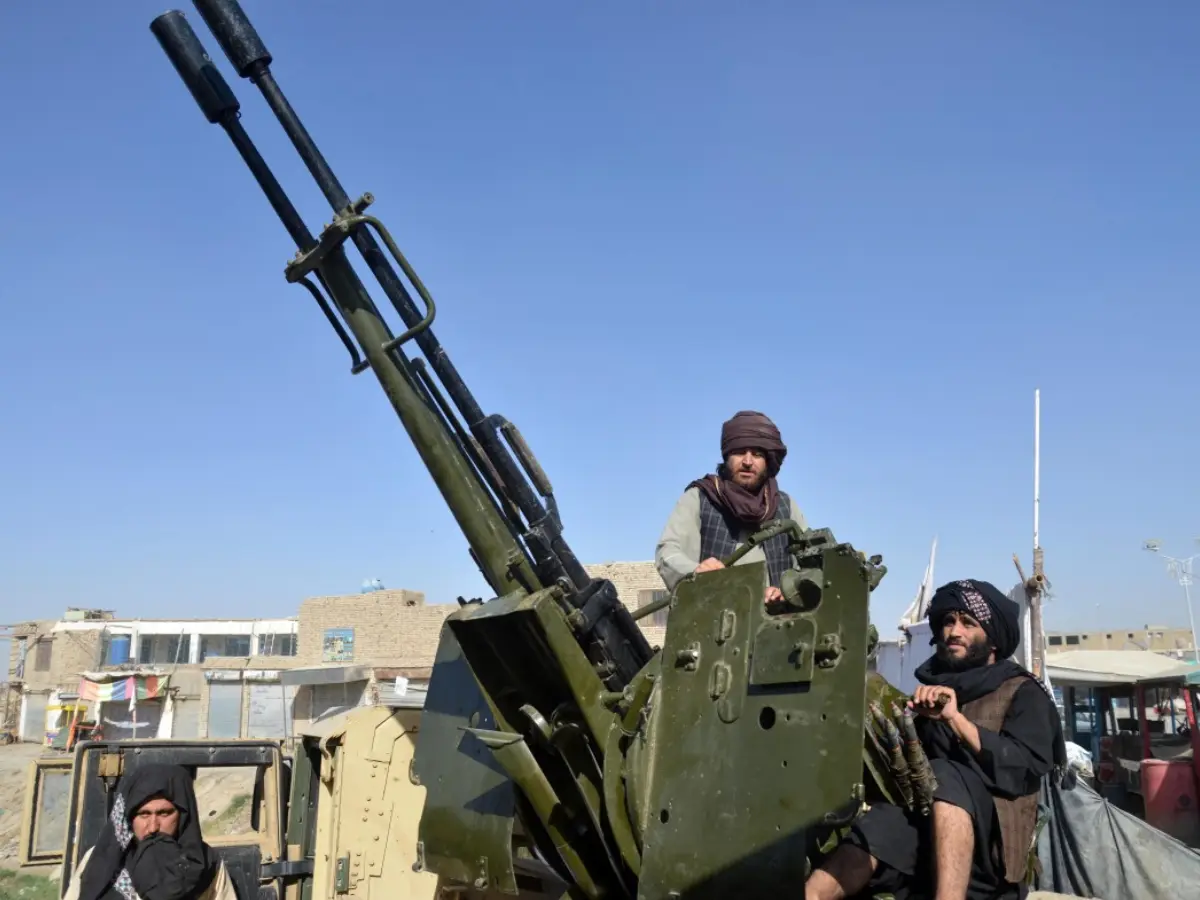
2. Militant Groups Finding Safe Havens
Pakistan accuses Afghanistan’s Taliban government of harboring militant groups, especially the Tehreek-i-Taliban Pakistan (TTP), which often uses Afghan territory as staging ground for attacks inside Pakistan. Islamabad also warns of other groups like IS-Khorasan, Al-Qaeda, and various Baloch insurgents being active across the border.
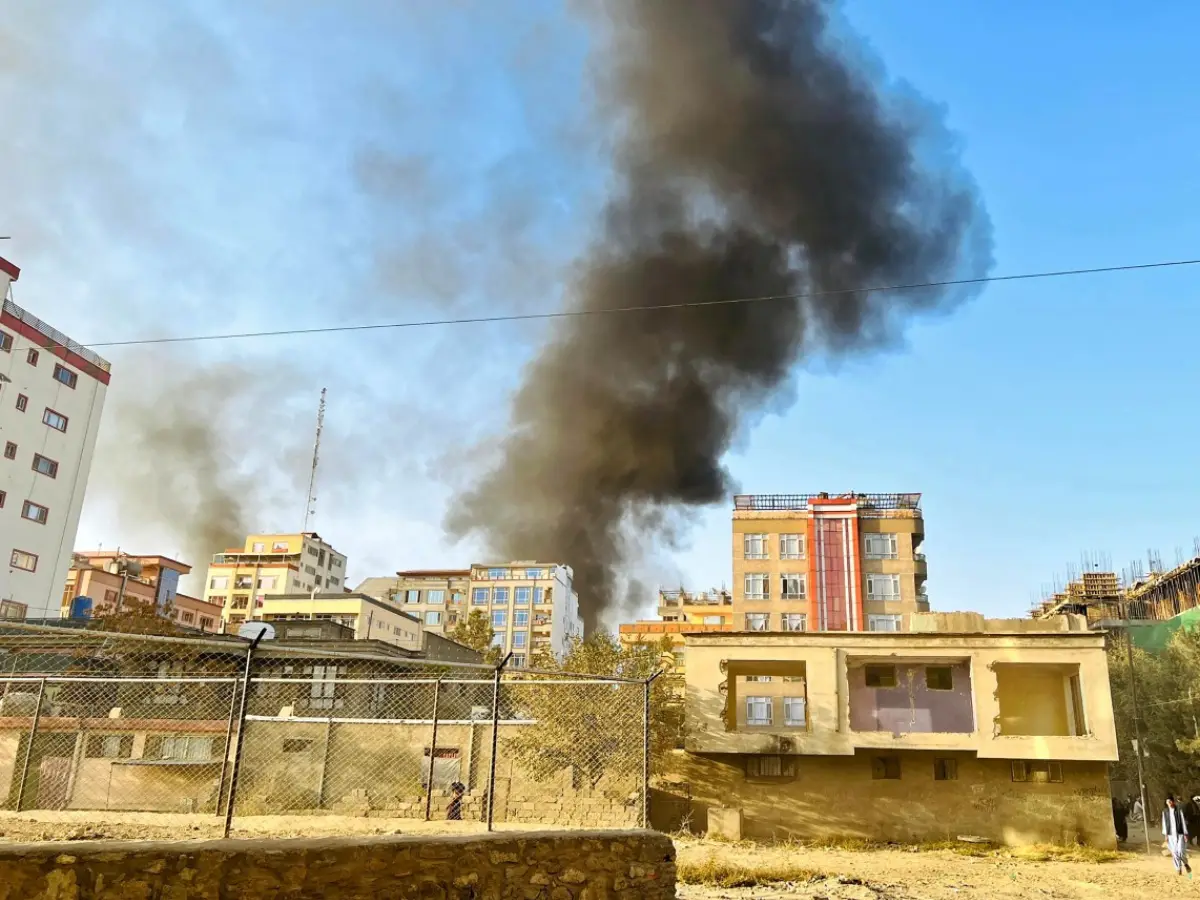
3. Smuggling Networks Fuel Terror and Funding
Smuggling of weapons, narcotics, and other contraband is rife across this long and rugged border. These illicit networks help terrorists fund operations, move fighters, and hide among civilians. Trade routes that are meant to facilitate commerce (e.g. Torkham, Chaman, Ghulam Khan) have in many cases become dual-use channels for smuggling.
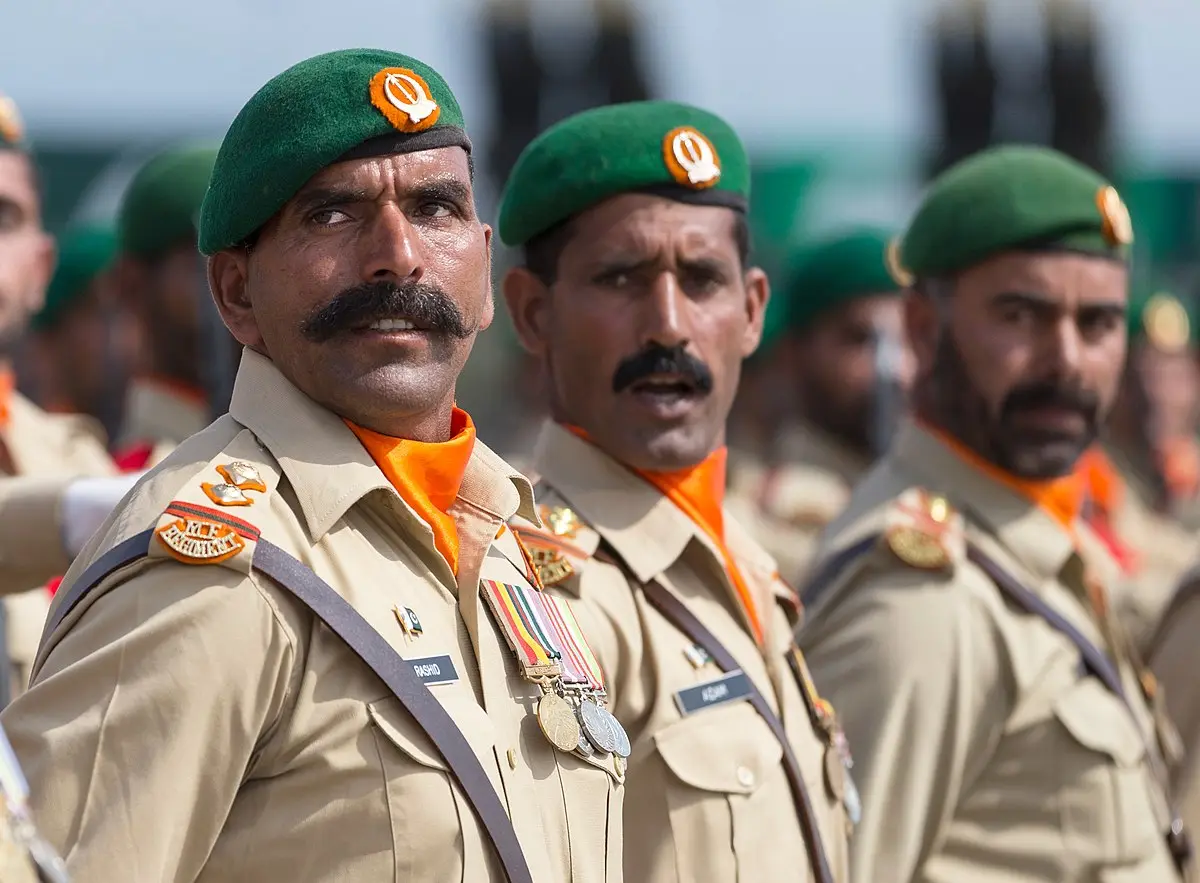
4. Tactical Advantages of Terrain and Border Porosity
The Durand Line, a long, loosely demarcated border, passes through remote, mountainous terrain. This geography makes large-scale patrolling difficult, allows militants to move across with relative ease, and complicates efforts to fence or secure the border. Efforts by Pakistan to erect fencing and better patrol the border have met resistance or sabotage, especially from Taliban forces.
5. Economic Losses & Trade Disruption
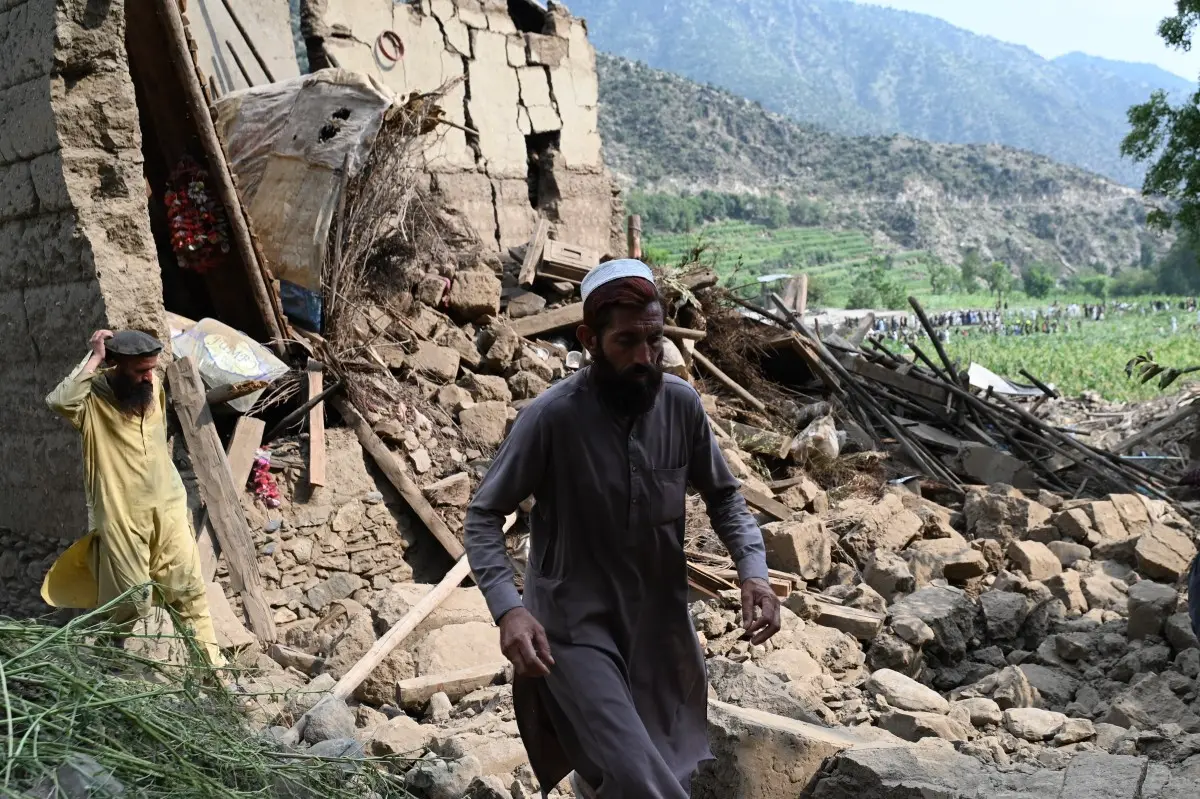
The border closures and instability are not just military issues, they impact trade, livelihoods, and daily lives. Key crossings closing means goods, supplies, and legal transit are blocked. Smuggling and shadow economies (smuggling fuel, goods, weapons) also drain state revenues and undermine law enforcement.
6. Heightened Risk of Radicalisation & Spillover
Frequent clashes, civilian casualties, and perceived injustices can fuel anger among border populations. Militants exploit these grievances to recruit new fighters. With multiple bad actors in the region (TTP, IS-K, others), the risk of radicalisation and spillover both inside Pakistan and across into Central Asia increases.
7. Diplomatic Tensions, Potential Regional Escalation
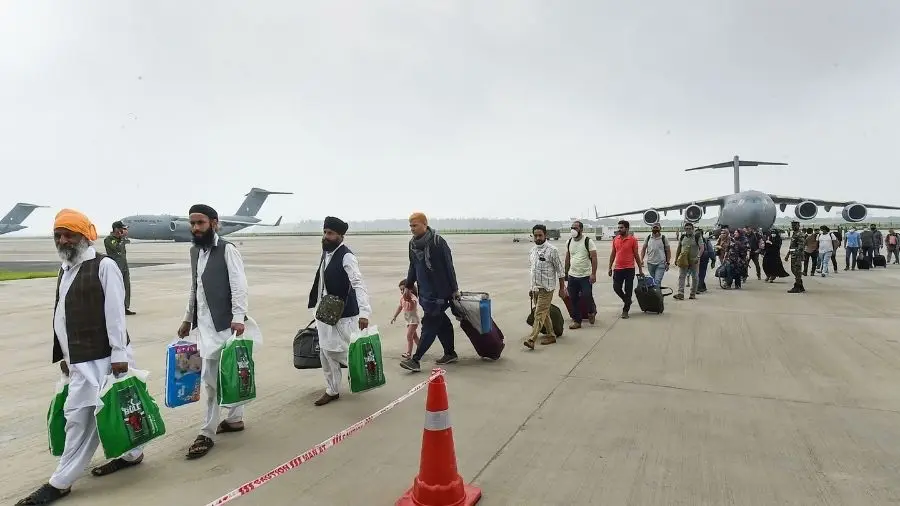
These conflicts are drawing attention from regional powers and international bodies. Pakistan has lodged complaints at the UN, while Afghanistan denies harbouring militants. Ceasefires have been declared (e.g. a 48-hour truce), but violations often resume. If not managed, this could invite external players (China, Iran, etc.) to either mediate or be pulled into the conflict.
)
)
)
)
)