Why over 90% of Tejas Mk’s skin is composite and what makes it so tough and light?

The shift from aluminium alloys to carbon‑fibre reinforced composites began in the late 1960s and early 1970s. The first practical use appeared on American jets such as the F‑14 Tomcat and F‑15 Eagle, where small fairings and doors were replaced with composites to reduce weight.
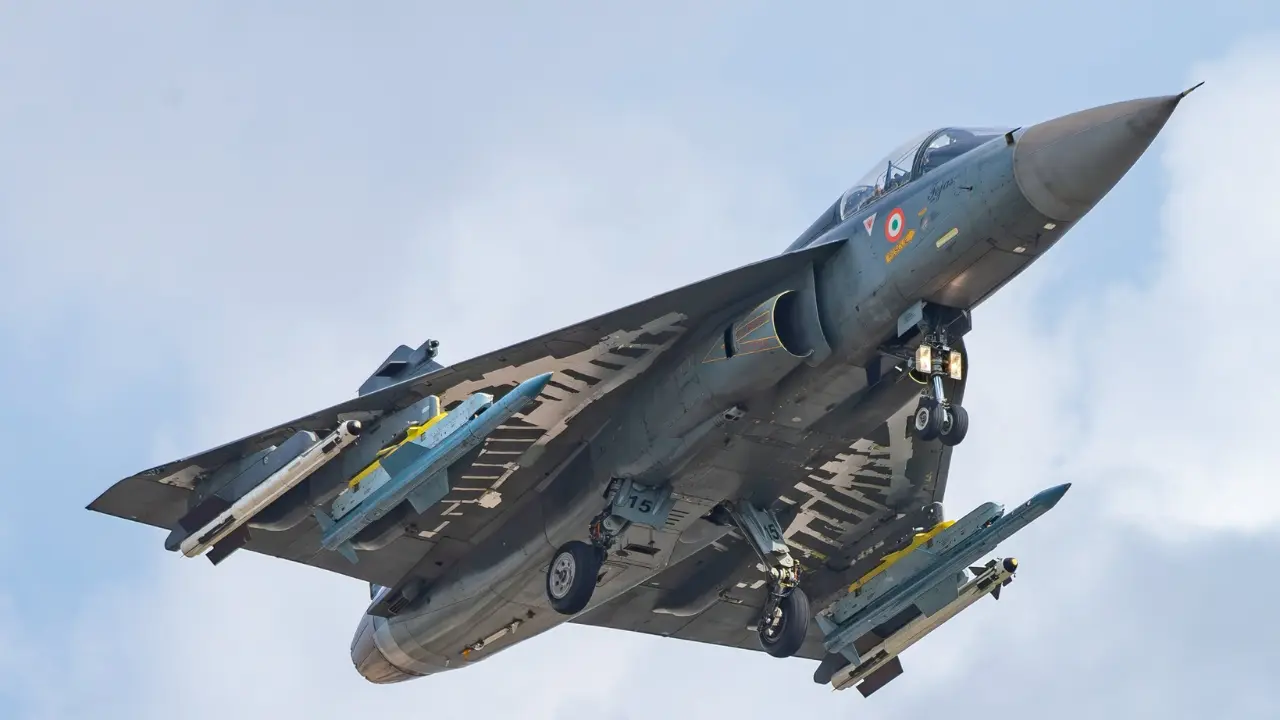
Tejas Mk1A
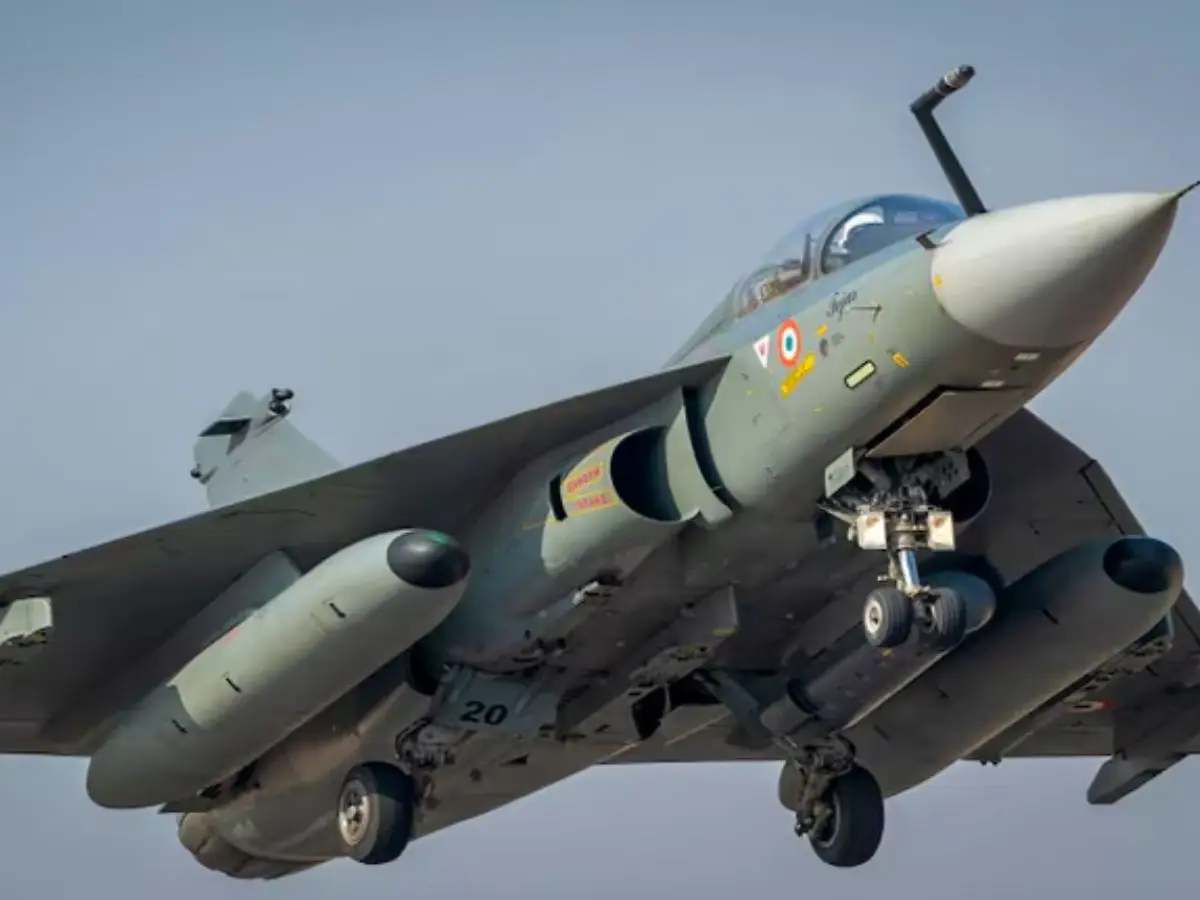
At first glance, India’s Tejas Mk1A may seem like a conventional lightweight fighter. Yet it hides a remarkable statistic: Over 90 per cent of its visible surface is made from advanced composite materials. This figure places it among the most composite‑rich fighter jets in service today, a design choice rooted in decades of material science, engineering and operational necessity.
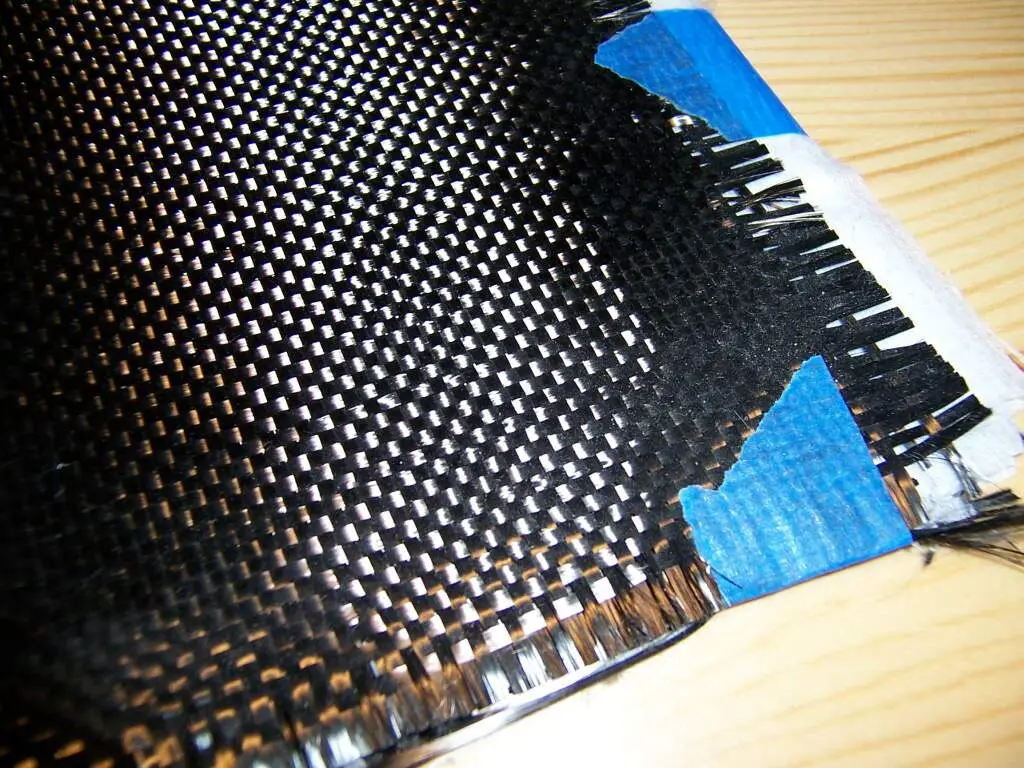
How it all began: The history of composites
The shift from aluminium alloys to carbon‑fibre reinforced composites began in the late 1960s and early 1970s. The first practical use appeared on American jets such as the F‑14 Tomcat and F‑15 Eagle, where small fairings and doors were replaced with composites to reduce weight. Over time, confidence in the material grew, leading to structural applications. The breakthrough came with the F/A‑18 Hornet in the late 1970s, which used larger composite panels, followed by the B‑2 Spirit stealth bomber whose skin was almost entirely composite.
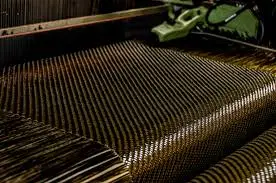
What exactly are carbon‑fibre composites?
Carbon‑fibre composites are produced by layering woven carbon fabric, impregnated with epoxy resin, and curing the structure in an autoclave under heat and pressure. The result is a component far lighter than aluminium yet stronger in tension, with exceptional stiffness and fatigue resistance. Critically, carbon fibre does not corrode, a significant advantage for carrier‑borne or maritime aircraft.
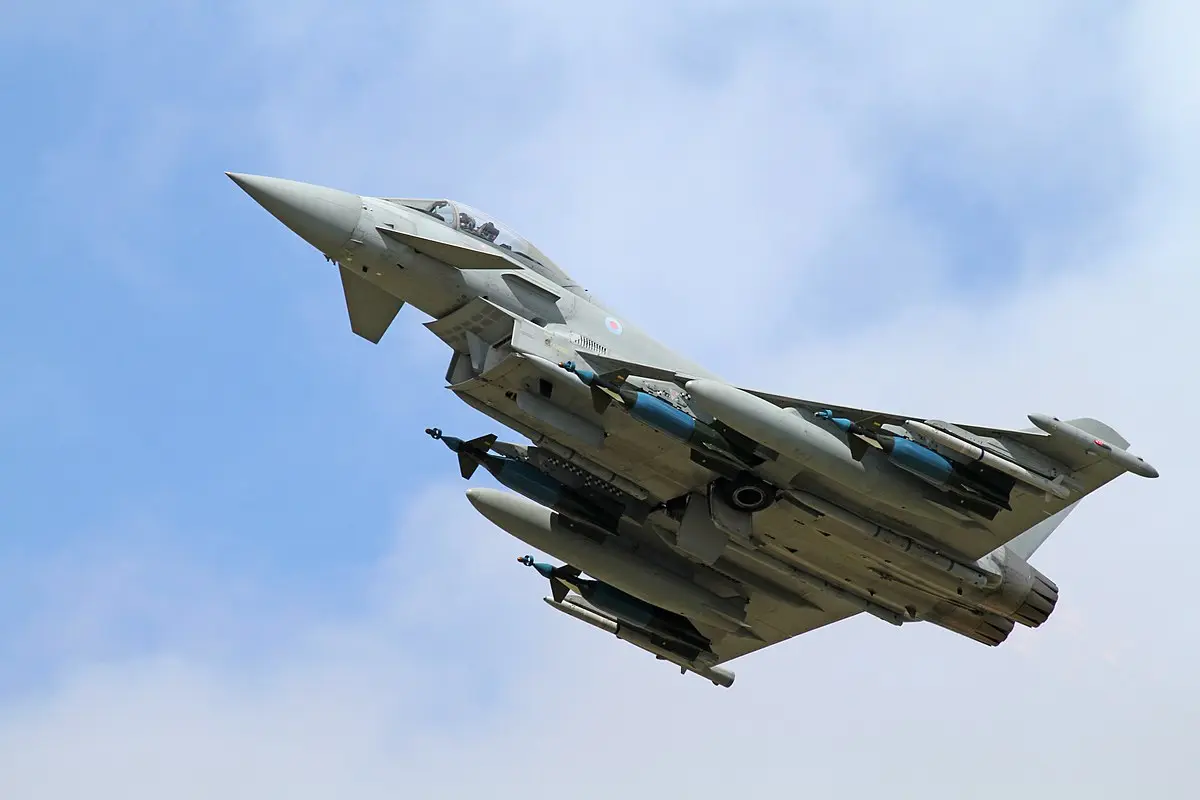
Pioneers of composite construction
The United States led the initial research, driven by NASA and defence contractors like Northrop and Boeing. European firms followed, incorporating composites into the Eurofighter Typhoon and Dassault Rafale. Today, almost all advanced fighters use composites to some extent: the F‑35 includes about 35–40 per cent by weight; the Rafale around 25 per cent; the F‑22 roughly 24 per cent; and the Typhoon around 20 per cent.
Why Tejas pushed the boundary further
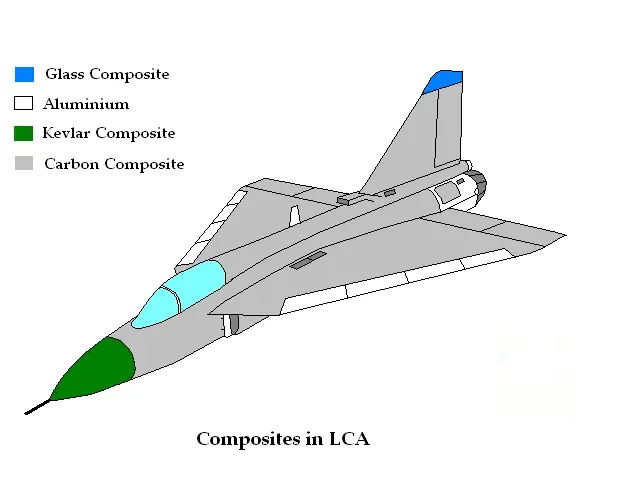
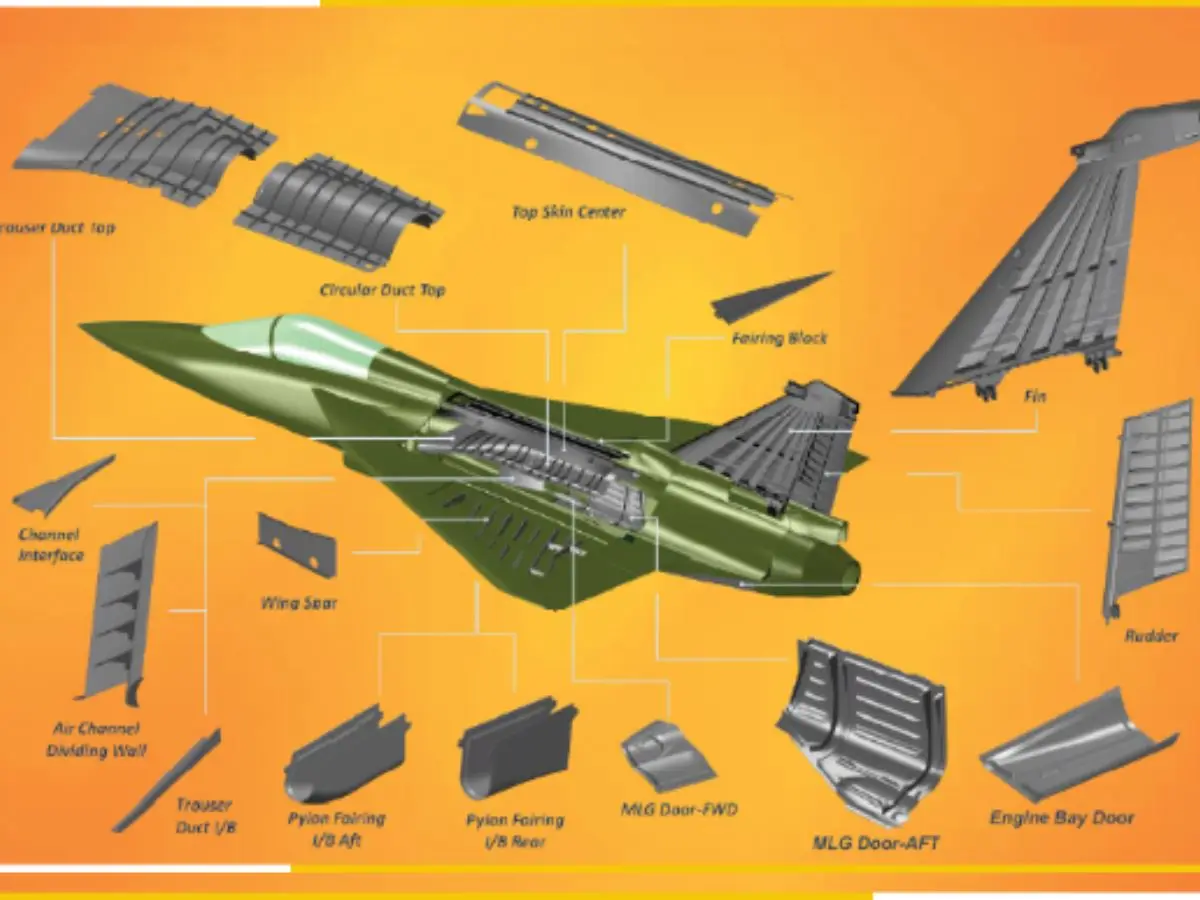
In Tejas, composite construction was not a minor supplement but a core design principle. Over 90 per cent of its surface area, including wings, fin, fuselage panels and fairings, is made from carbon‑fibre composites. This approach, led by Hindustan Aeronautics Limited and Indian research institutes, reduced structural weight by roughly 40 per cent compared to an all‑metal airframe, enabling better agility, longer range and higher payload for a single‑engine light fighter.
The benefits: more than just weight saving
Beyond weight reduction, composites extend service life by resisting corrosion and fatigue, key for operations from coastal airbases. Their smoother, radar‑absorbent shapes also help reduce radar cross section, improving survivability. Maintenance is simplified too, as modular composite panels can be replaced without extensive structural repairs.
Conclusion: a quiet revolution in materials
From pioneering experiments on American jets to the ambitious adoption by India’s Tejas, carbon‑fibre composites have transformed military aviation. Today, virtually every modern fighter relies on them—but few to the extent of Tejas, which stands as a striking example of how advanced materials can redefine performance, survivability and maintenance in a frontline combat aircraft.
)
)
)
)
)