Why our moon is shrinking and how it could impact Earth?

Since the Moon controls ocean tides, even small changes in its structure or orbit could alter tidal patterns, impacting coastal ecosystems and weather cycles.
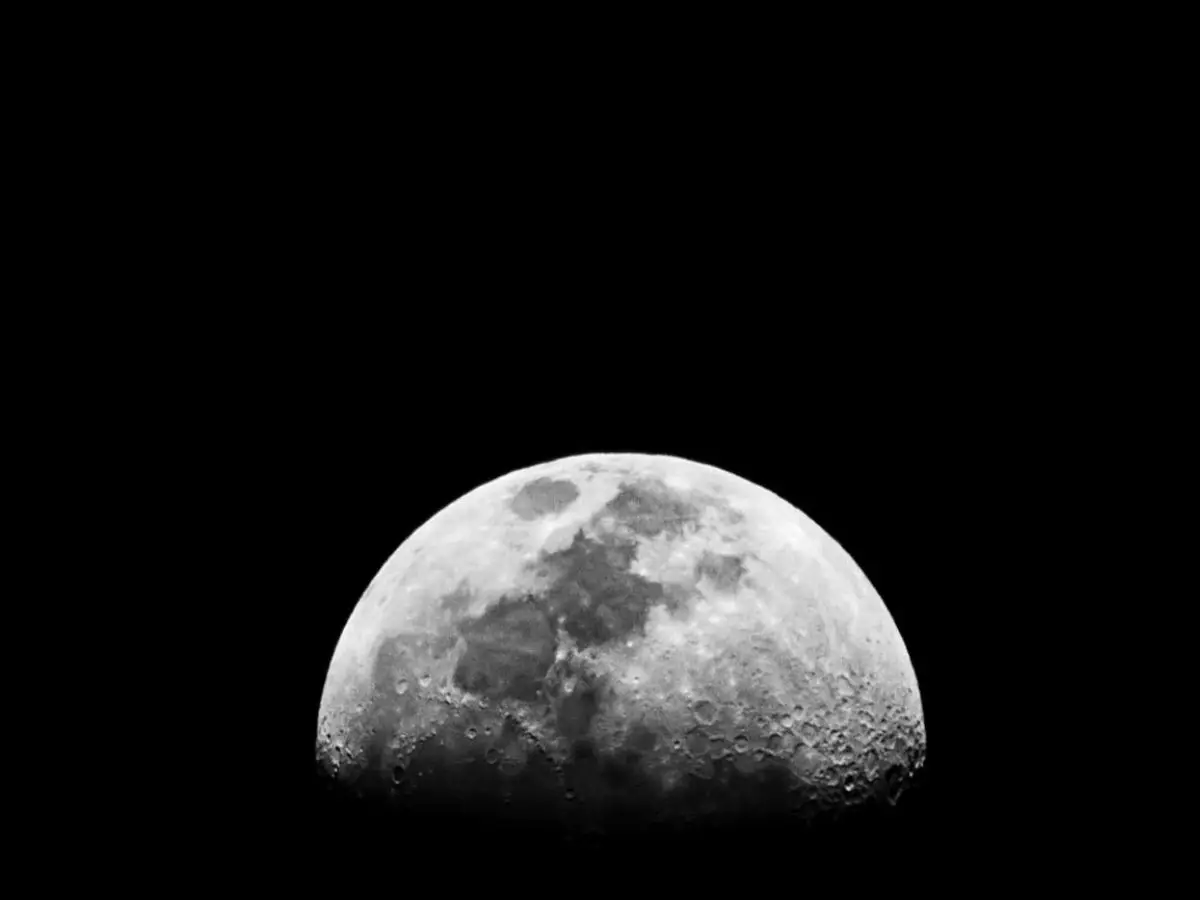
The Shrinking Moon
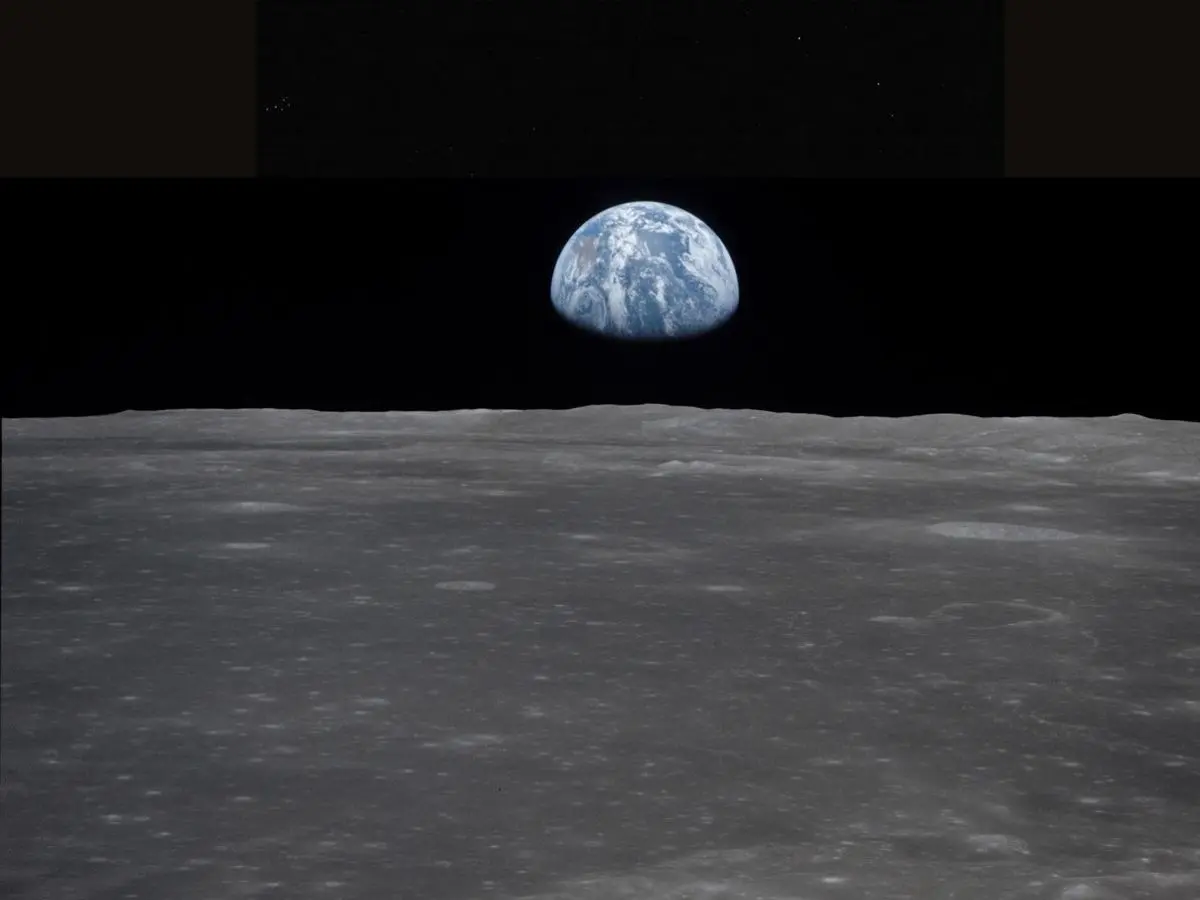
NASA scientists have confirmed that the Moon is slowly cooling and contracting, making it shrink by about 150 feet in circumference over millions of years.
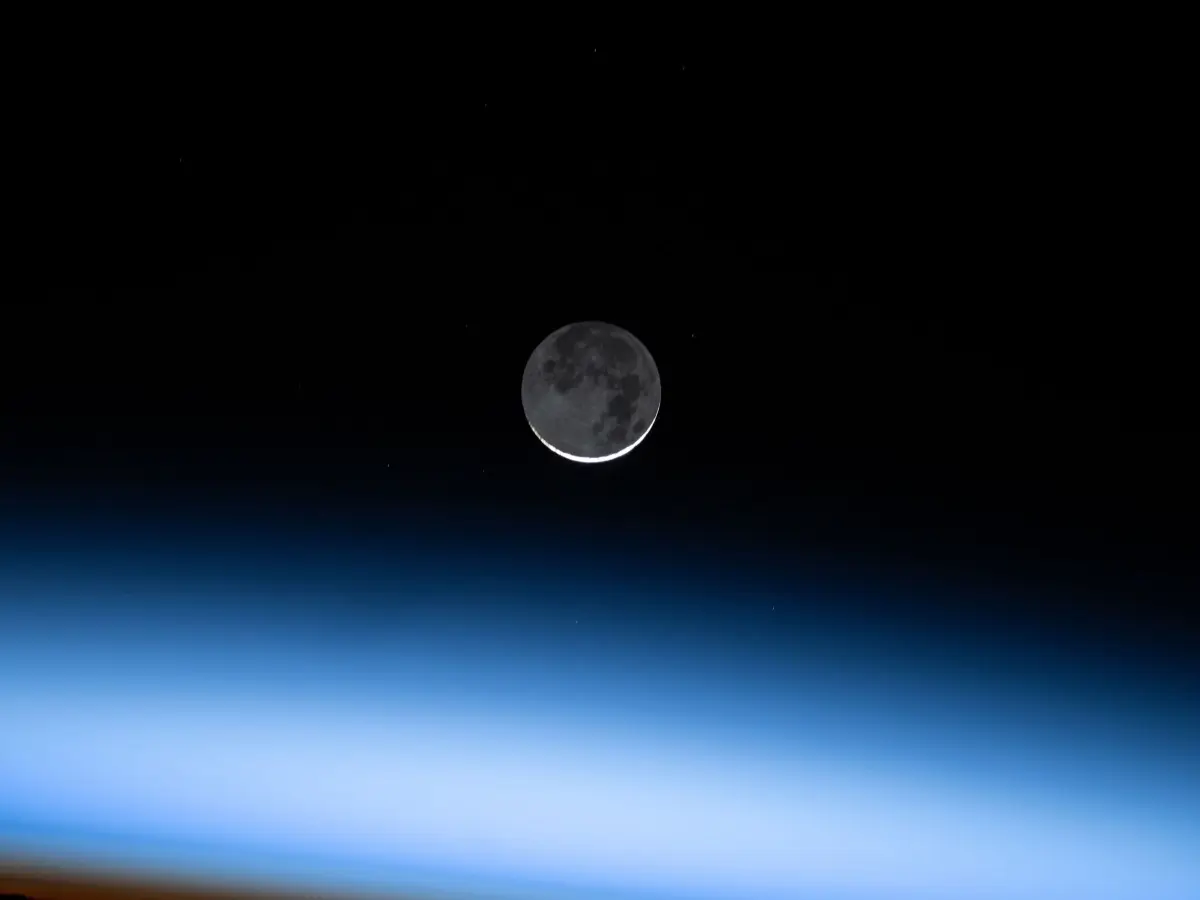
Cracks on the Lunar Surface
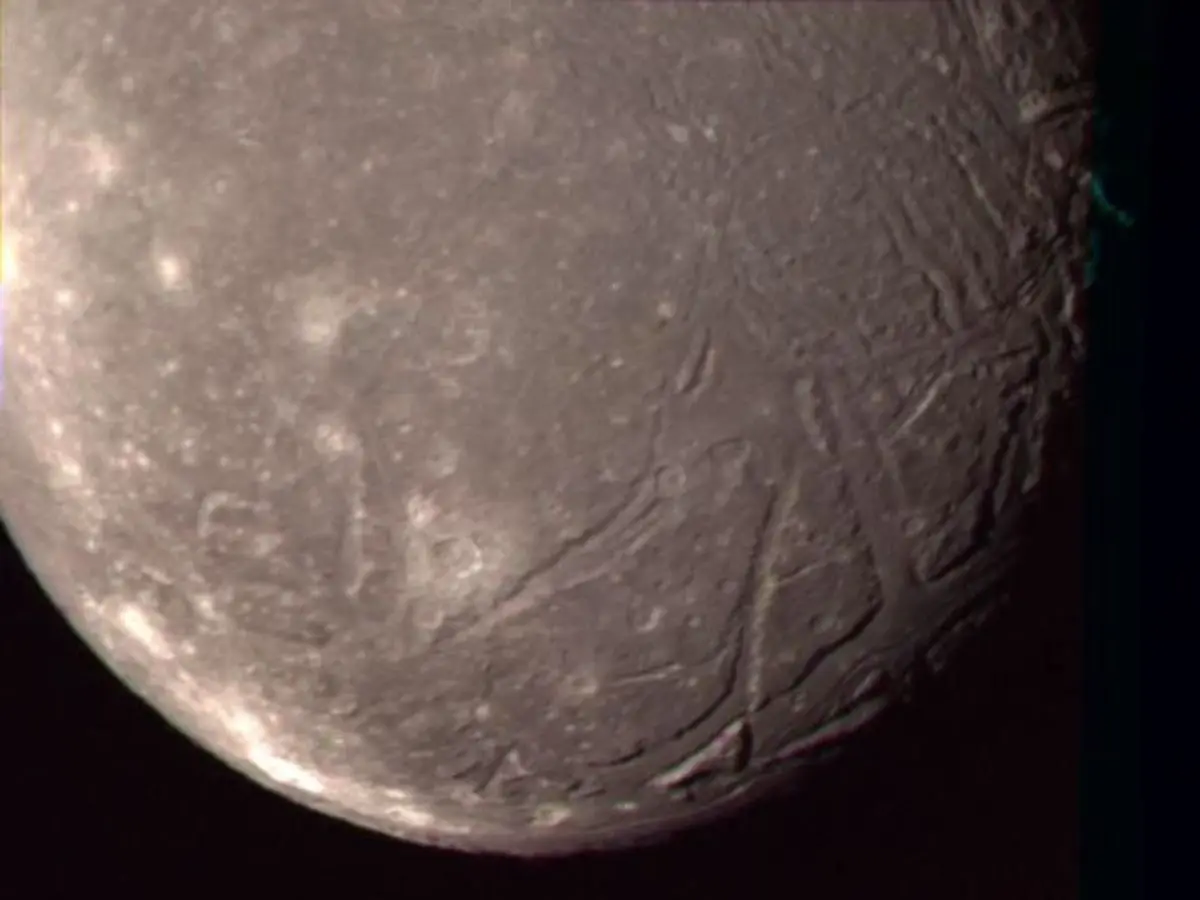
This shrinkage causes the crust to break and form wrinkles and faults on the Moon’s surface, evidence of powerful “moonquakes.”
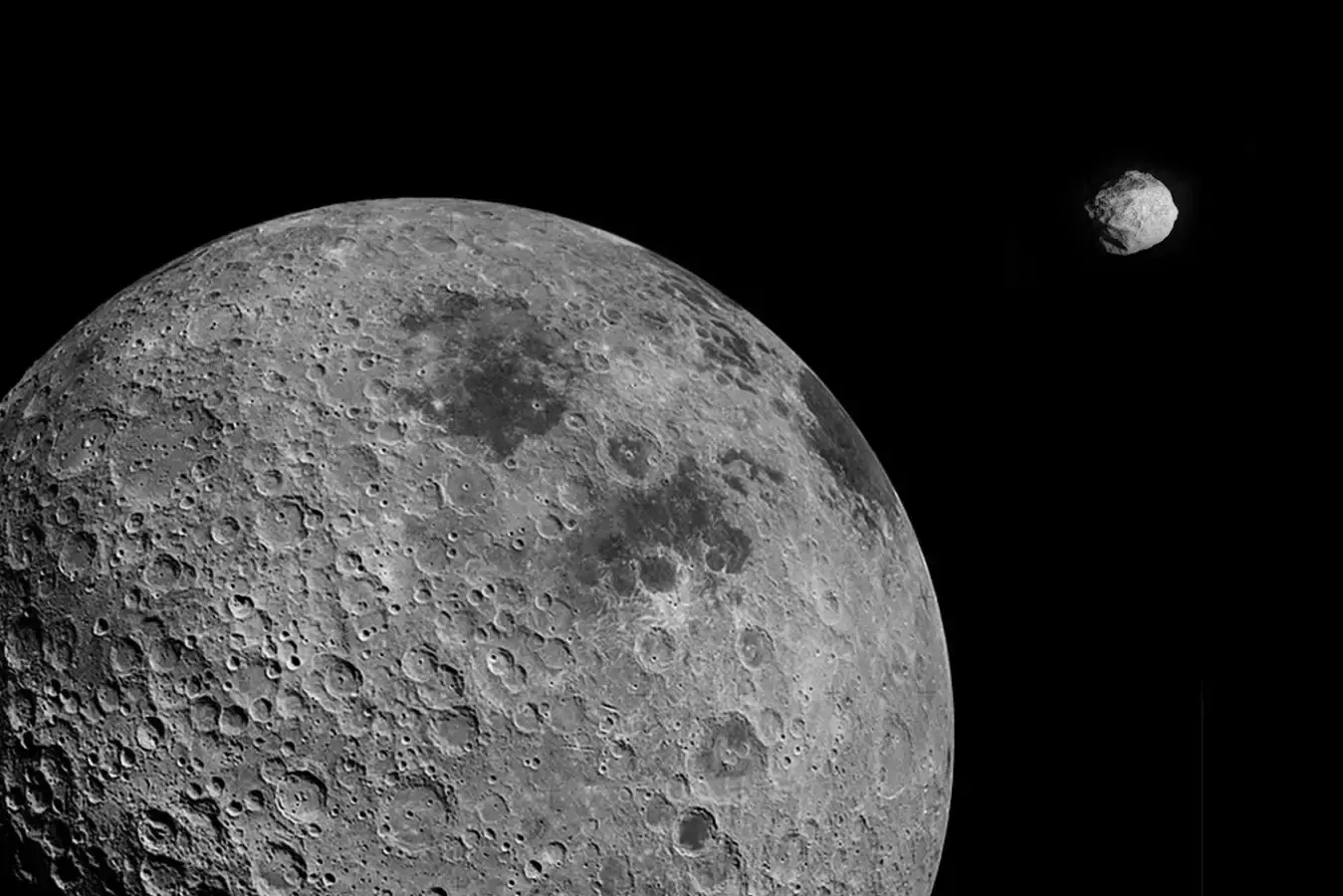
What Are Moonquakes?
Unlike Earthquakes caused by shifting plates, moonquakes are triggered by internal stress and surface cooling, shaking the lunar ground violently.
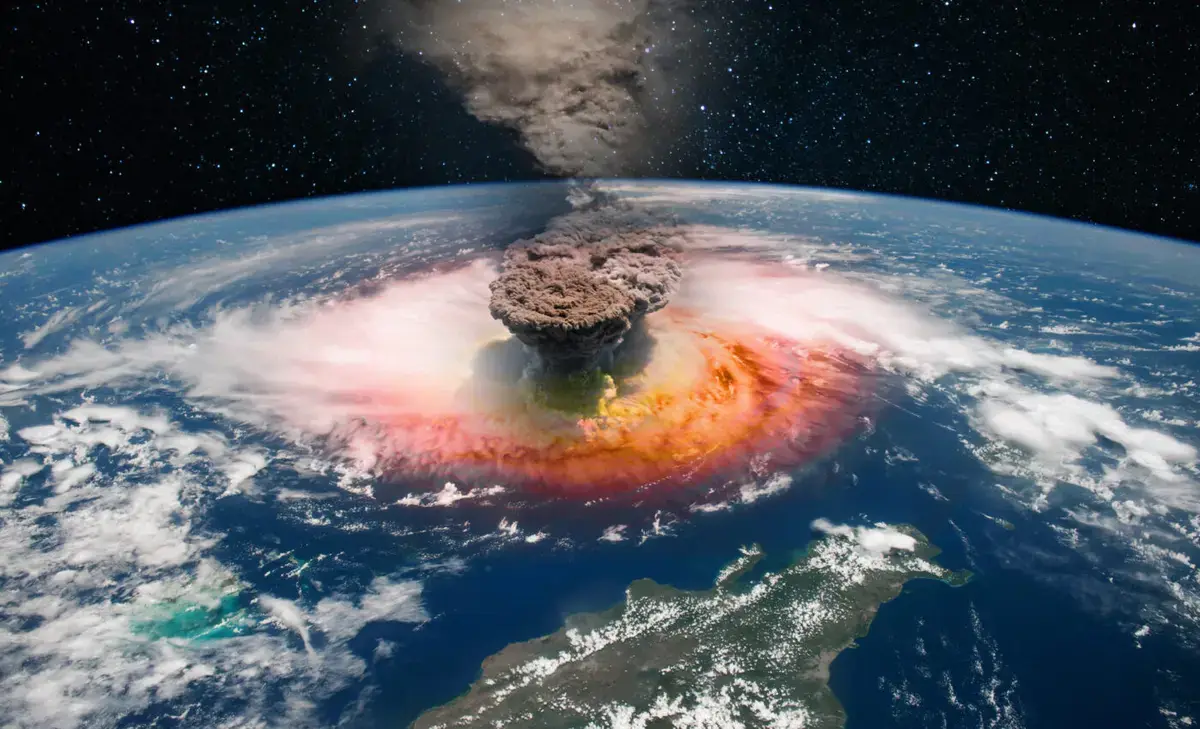
Does It Affect Earthquakes?
Moonquakes don’t directly cause quakes on Earth, but scientists believe the Moon’s gravitational pull could influence how stress builds up in Earth’s tectonic plates.
The Tide Connection
Since the Moon controls ocean tides, even small changes in its structure or orbit could alter tidal patterns, impacting coastal ecosystems and weather cycles.
A Warning for the Future
The shrinking Moon is a reminder that even celestial bodies we think of as stable are constantly changing, and these shifts may affect Earth in unexpected ways.
Why It Matters for Us
Understanding the Moon’s activity helps scientists predict long-term effects on Earth’s climate, tectonics, and tides, making it more than just a space curiosity.
)
)
)
)
)