Why no country has ever shot down a B-2 Bomber

Despite operating in some of the most heavily defended war zones, this $2.2 billion flying wing has remained untouchable. Here’s why no country has ever managed to bring one down.
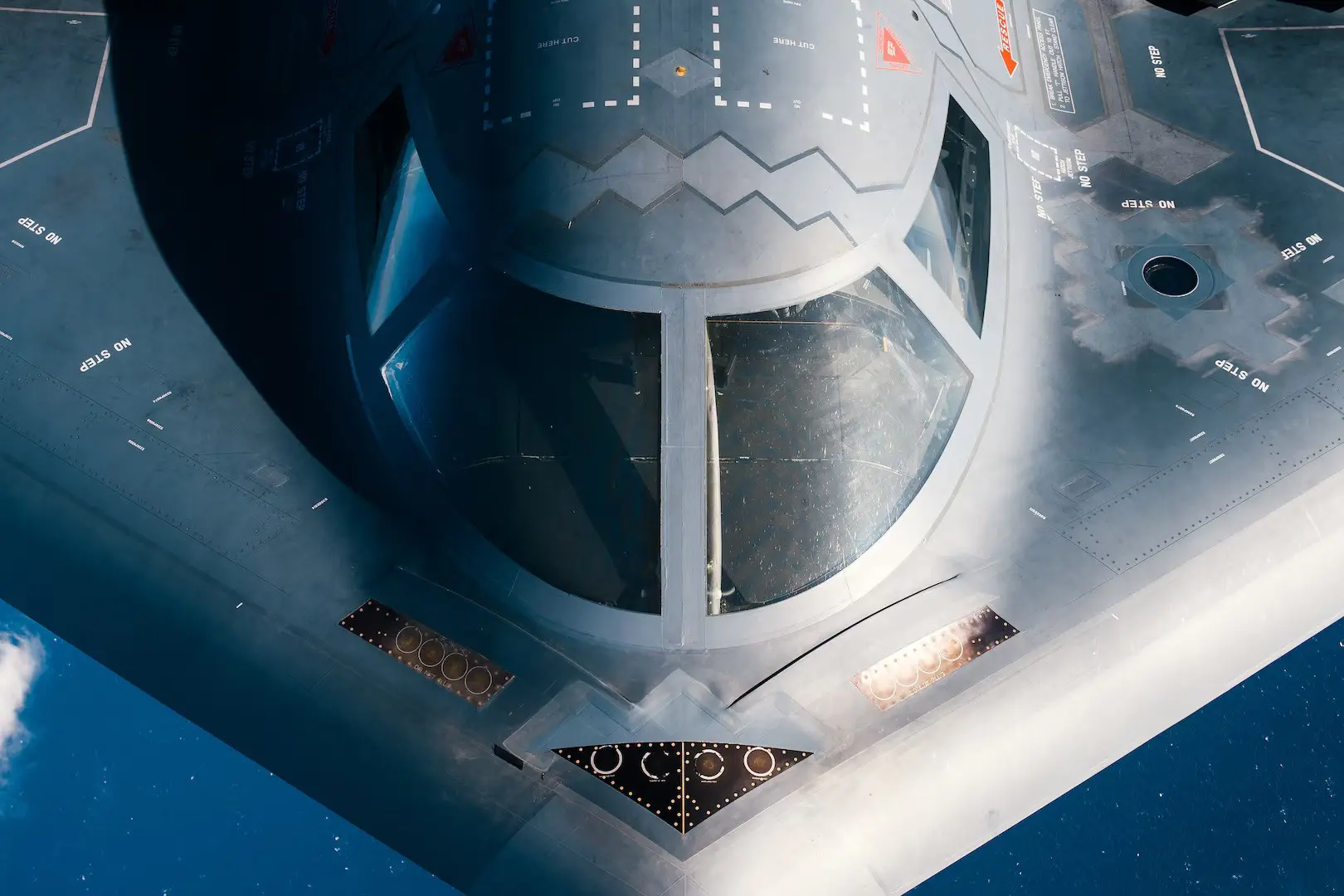
Stealth That Actually Works
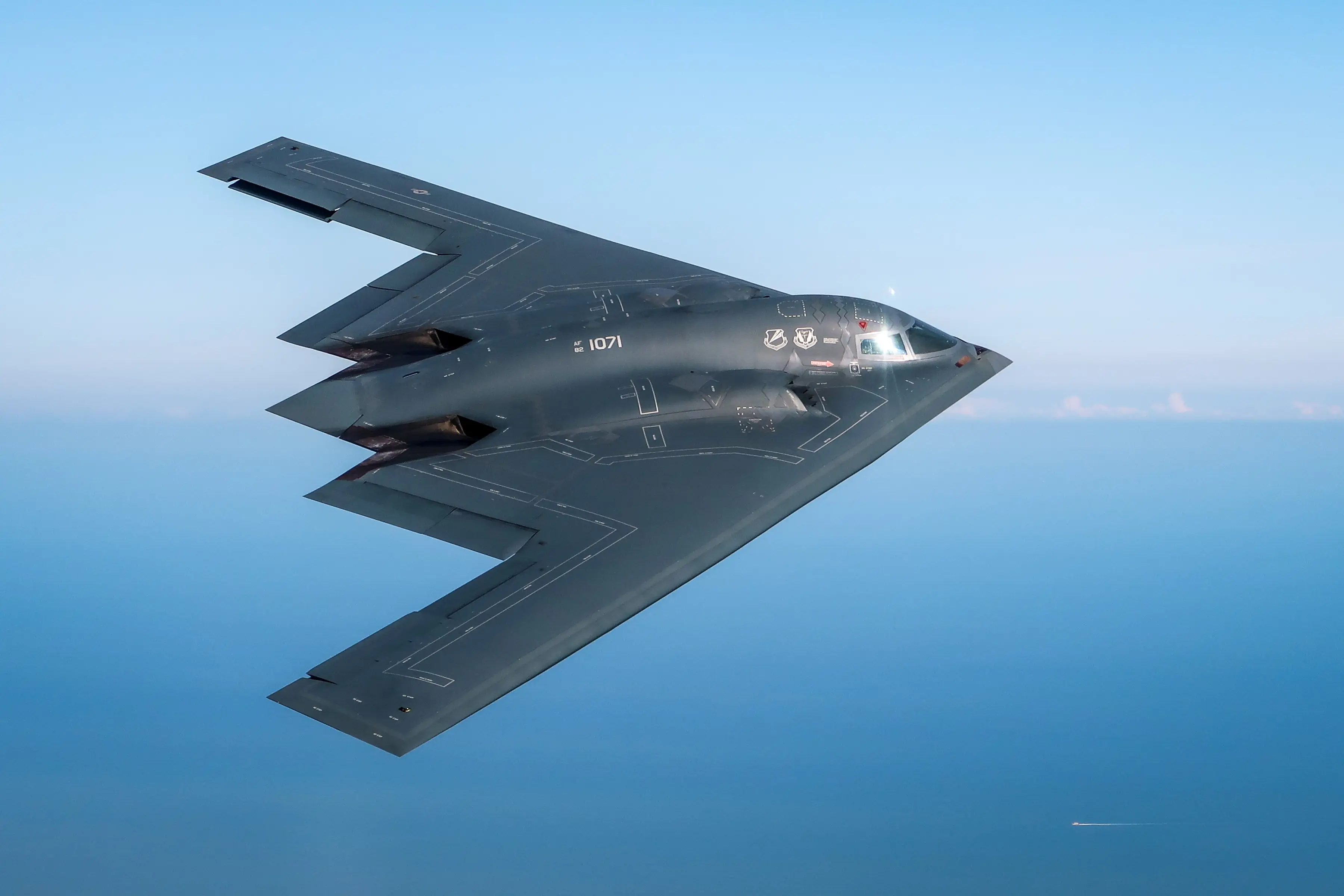
The B-2 Bomber’s design makes it nearly invisible to enemy radar. Its flying wing structure, radar-absorbing materials, and heat-dissipating systems allow it to slip past air defences without detection. By the time a country even knows it’s there, the B-2 is usually already gone.
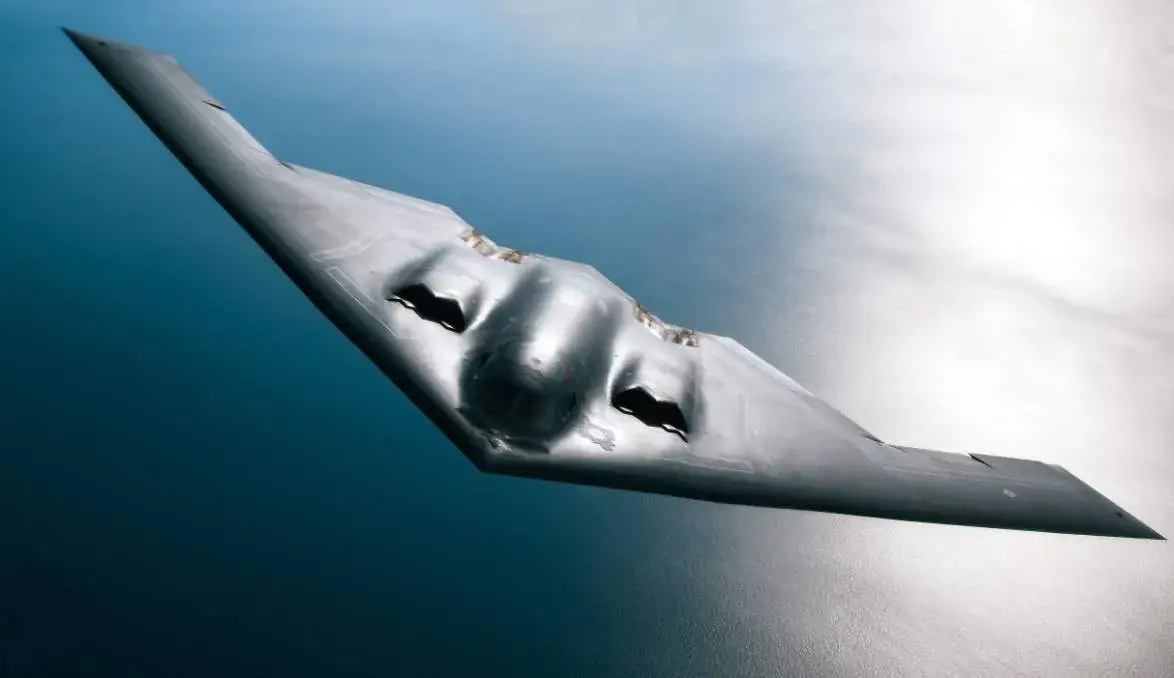
Extreme Mission Planning
Every B-2 sortie is planned with precision. The US Air Force uses satellite intelligence, electronic warfare, and advanced mission simulators to chart safe routes that avoid detection. This preparation reduces the chances of any engagement with enemy systems.
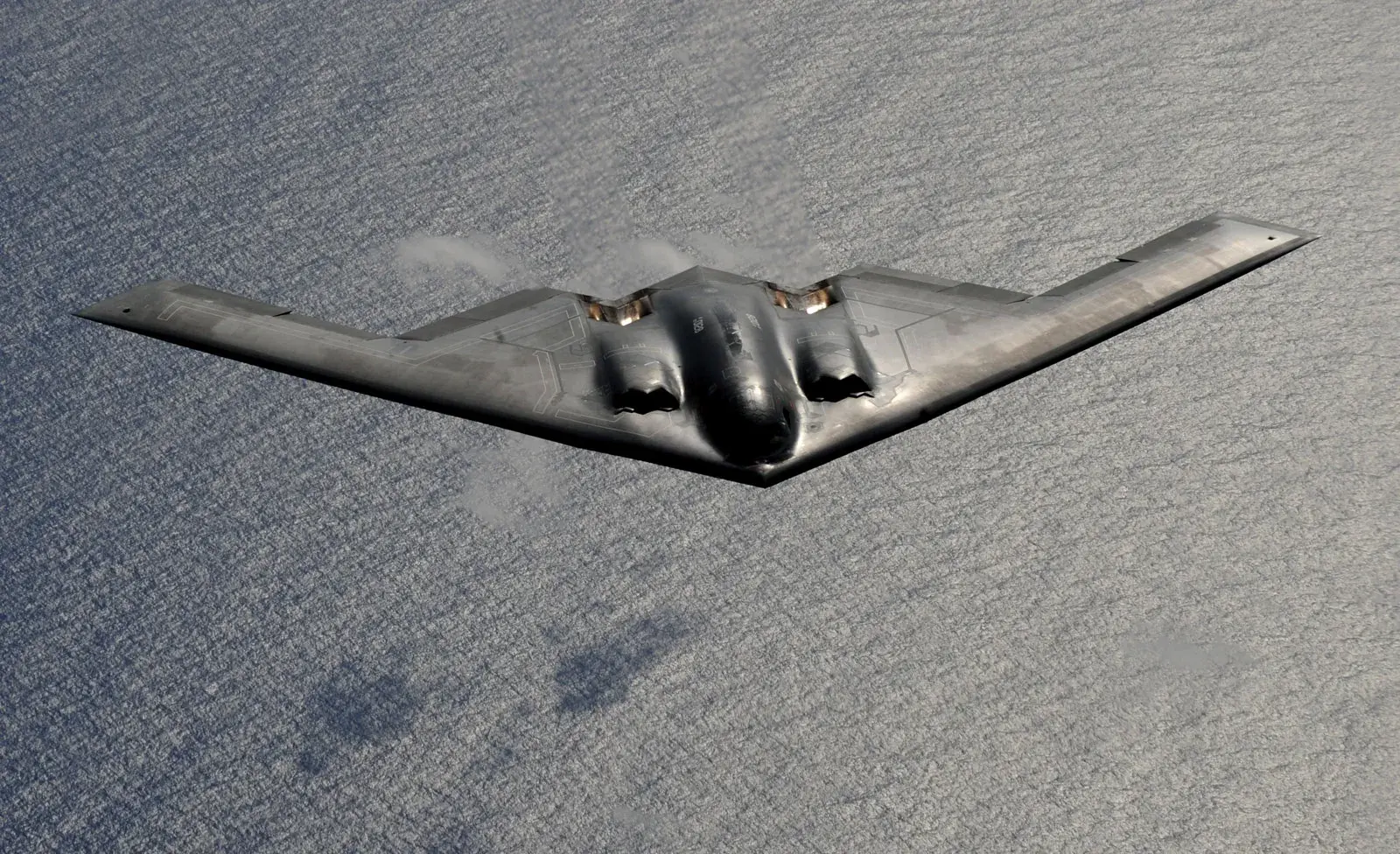
Global Range — No Need to Enter Dangerous Zones
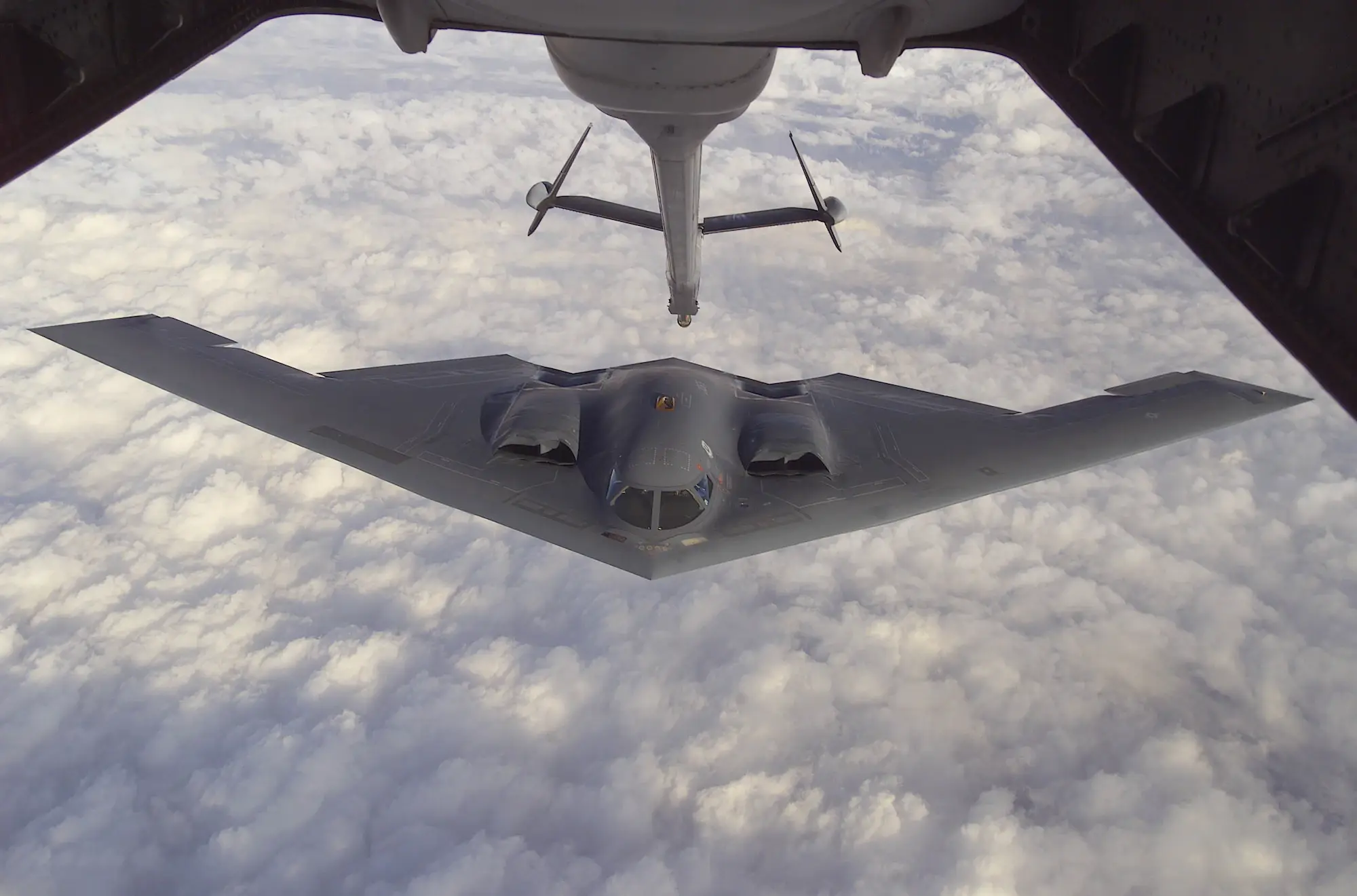
With its ability to fly 11,000 kilometres without refuelling, the B-2 can strike from U.S. soil or from safe bases. This means it rarely needs to enter enemy, controlled airspace in ways that expose it to surface-to-air missiles or interceptors.
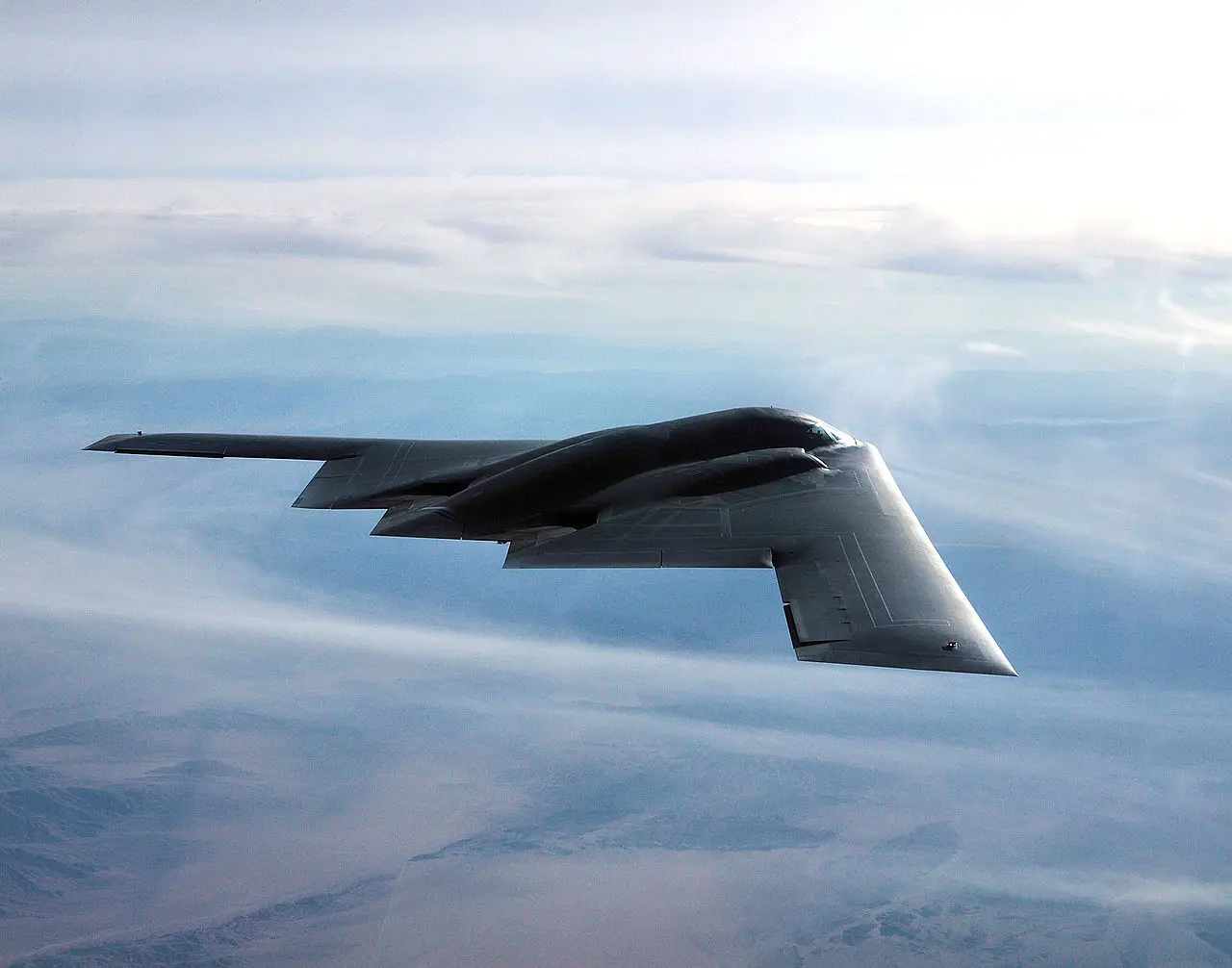
Limited Deployments — High Value Protection
Unlike fighter jets, the B-2 Bomber isn’t deployed recklessly. Only 21 were ever built, and fewer than 20 remain in service today. Every mission is treated with utmost caution, ensuring the aircraft is never placed in a situation where it can be targeted easily.
Electronic Countermeasures
The B-2 carries some of the most advanced jamming systems in the world. Even if an enemy radar locks onto it, the bomber can distort signals and mislead missile guidance systems, making it nearly impossible to track in real-time.
Enemy Defences Aren’t Designed for It
Most anti-air systems across the world were designed in the Cold War era to stop conventional bombers and fighter jets. The B-2, however, was specifically engineered to exploit their weaknesses, rendering even advanced Russian and Chinese radar systems less effective.
Psychological and Strategic Deterrence
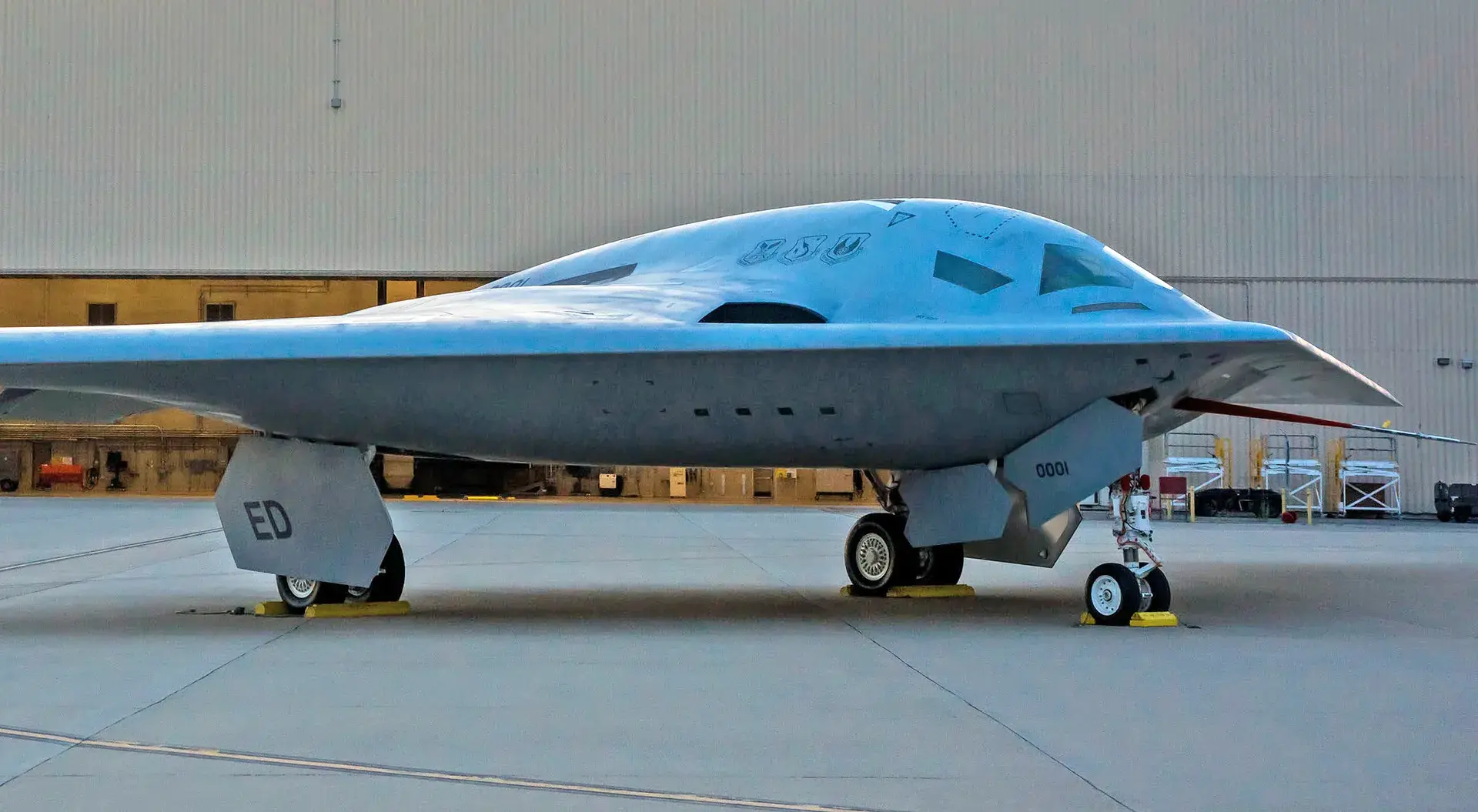
Finally, countries know that attempting to shoot down a B-2 comes with massive consequences. The bomber usually carries nuclear-capable payloads, and any attack on it could trigger a devastating U.S. military response. Sometimes, fear is the strongest shield of all.
)
)
)
)
)