Why Nepal’s Gen Z will financially suffer even more after the September 2025 revolution

Nepal’s youth unemployment (ages 15–24) stood at about 20.8 per cent in 2024, one of the highest rates in recent years. Many graduates face underemployment, lacking stable, formal-sector roles.
Shift from Traditional Jobs
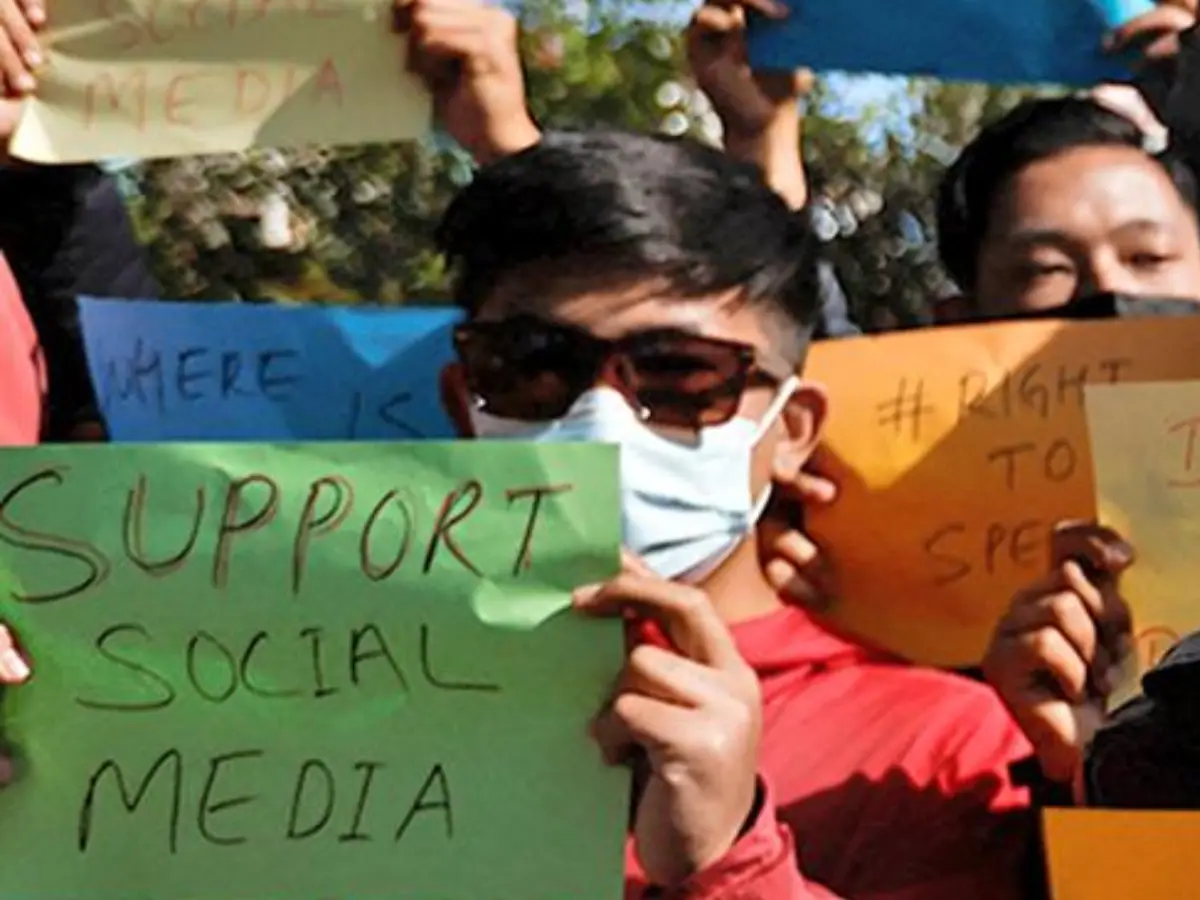
In early September 2025, the government abruptly banned 26 social media platforms including Facebook, Instagram, WhatsApp, X, Reddit, and LinkedIn, for failing to register under Nepal’s communication regulations. The decision triggered mass protests led by young people.

Violent escalation causes political vacuum
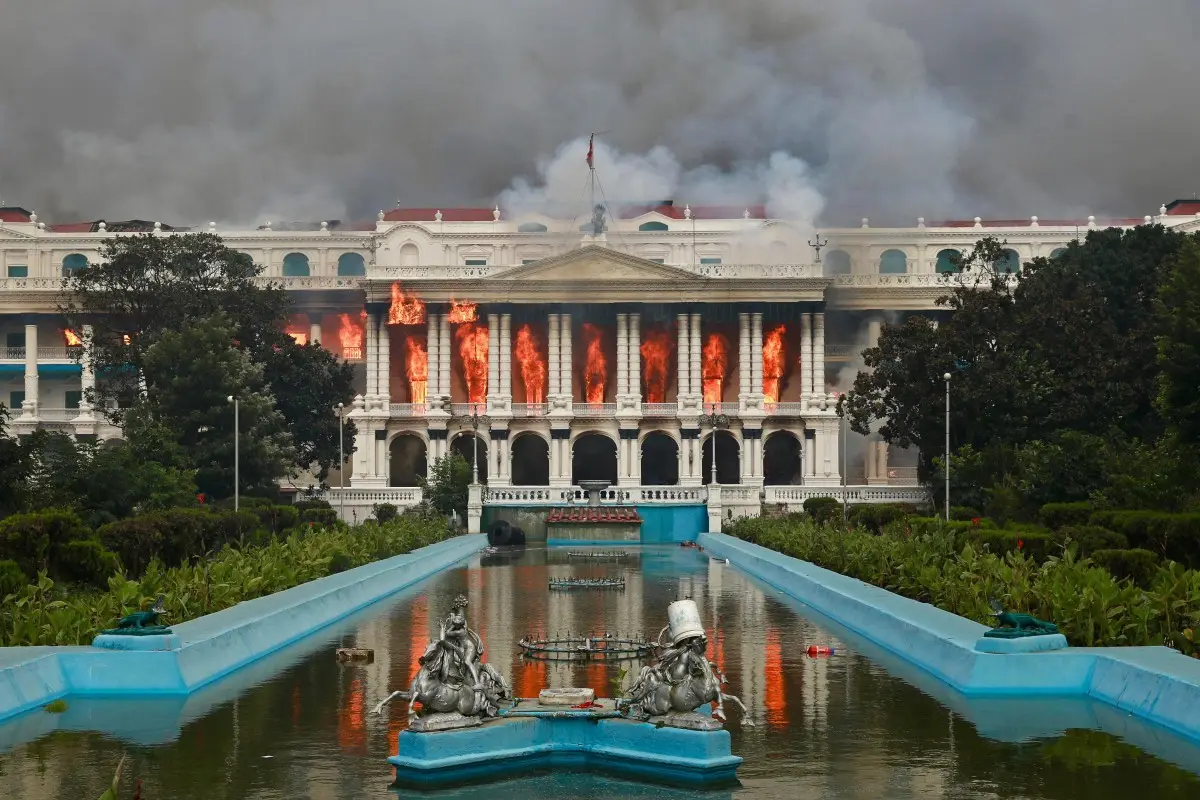
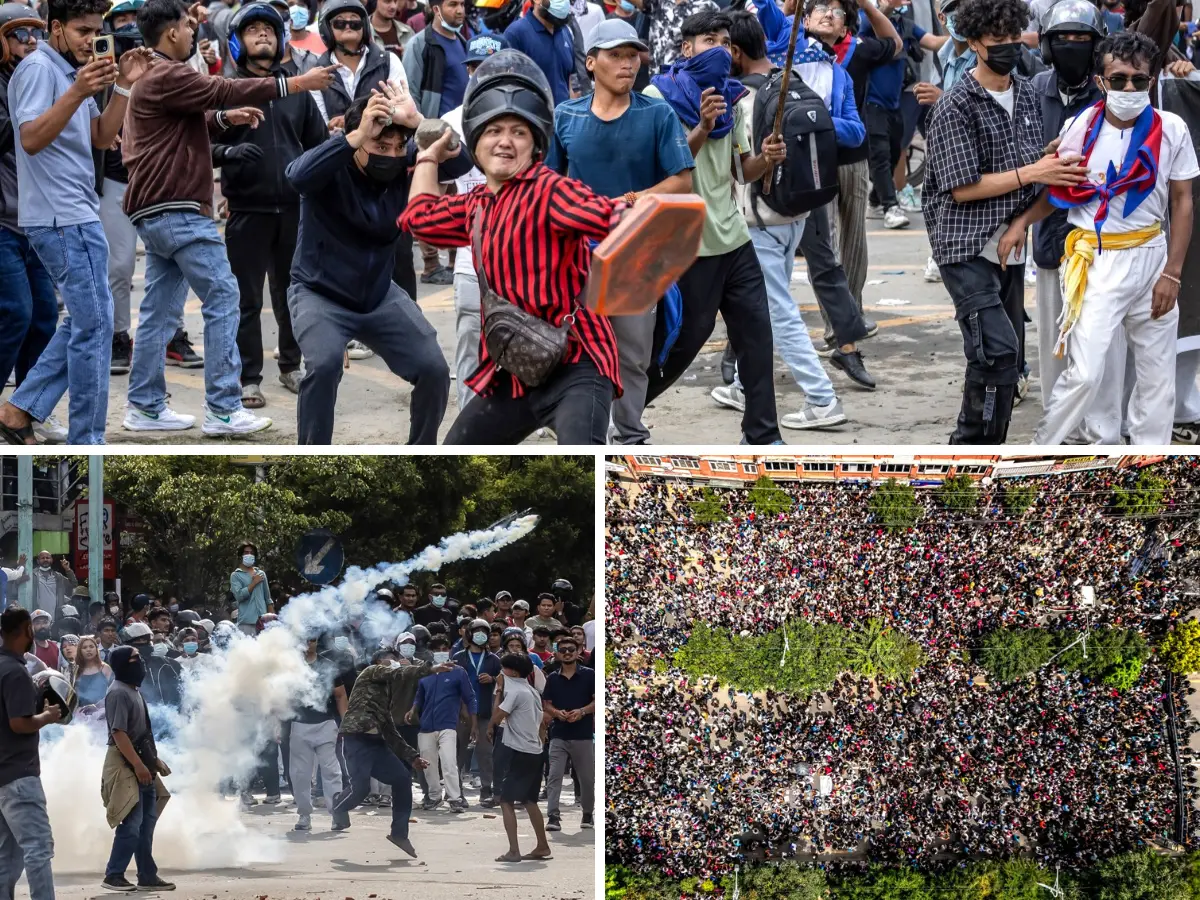
The protests turned violent in Kathmandu and across the country. Police used live ammunition, tear gas and water cannons. At least 19 protesters were killed and hundreds injured. Prime Minister KP Sharma Oli resigned, and the government imposed curfews and deployed the army to restore order.

High youth unemployment limits recovery
Nepal’s youth unemployment (ages 15–24) stood at about 20.8 per cent in 2024, one of the highest rates in recent years. Many graduates face underemployment, lacking stable, formal-sector roles.

Disrupted digital livelihoods cut earnings
Many young Nepalese had begun earning via social media, through content creation, small brands or influencer-driven marketing. The ban halted these income streams overnight. Rebuilding such earnings is difficult amid political instability and loss of trust.

Remittances remain crucial—but Gen Z may pull back
Remittances account for nearly 23 per cent of Nepal’s GDP, formed largely by previous generations working abroad. Gen Z’s preference for online work and domestic activism over migration could reduce future remittance flows, weakening households’ financial cushion.
Inflation, instability, and lack of investor confidence
The protests caused damage to government buildings, disrupted services, and scared off investment. Inflation remains a strain. Political uncertainty makes it harder for businesses to plan, reducing job creation during a critical time for Gen Z.
Long‐term risk: skills gap and future earning potential
Because of the ban and ensuing unrest, educational disruption and loss of time spent on developing in-demand job skills (such as IT, healthcare, engineering) are likely. Without strong recovery policies, Gen Z may face a diminished ability to compete, both domestically and abroad.
)
)
)
)
)