Why NASA’s Voyager mission will outlive the people who built it

Its slow power fade suggests that even when contact finally ceases, the legacy of those who built it will continue to bridge humanity with the cosmos, long after those engineers have passed.
Designed Not to Fail, But to Last
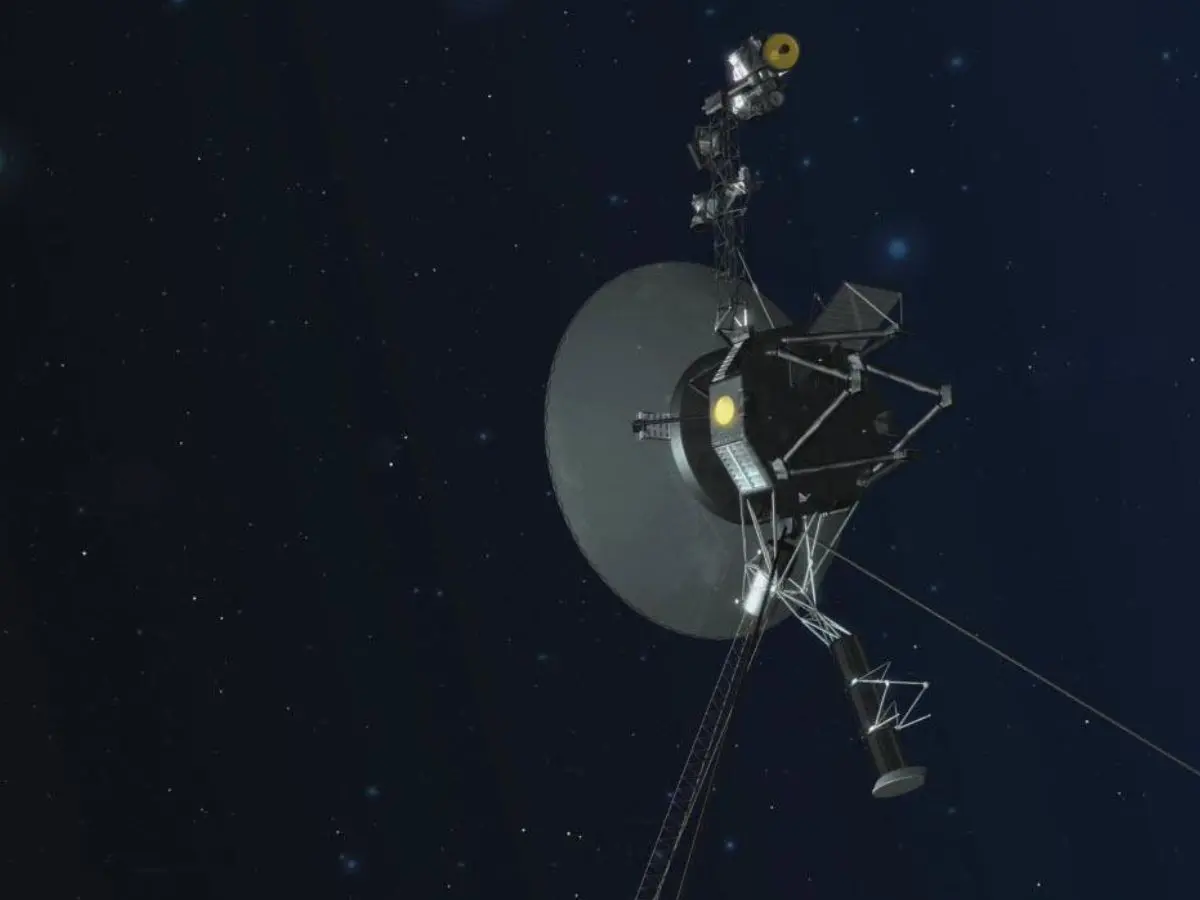
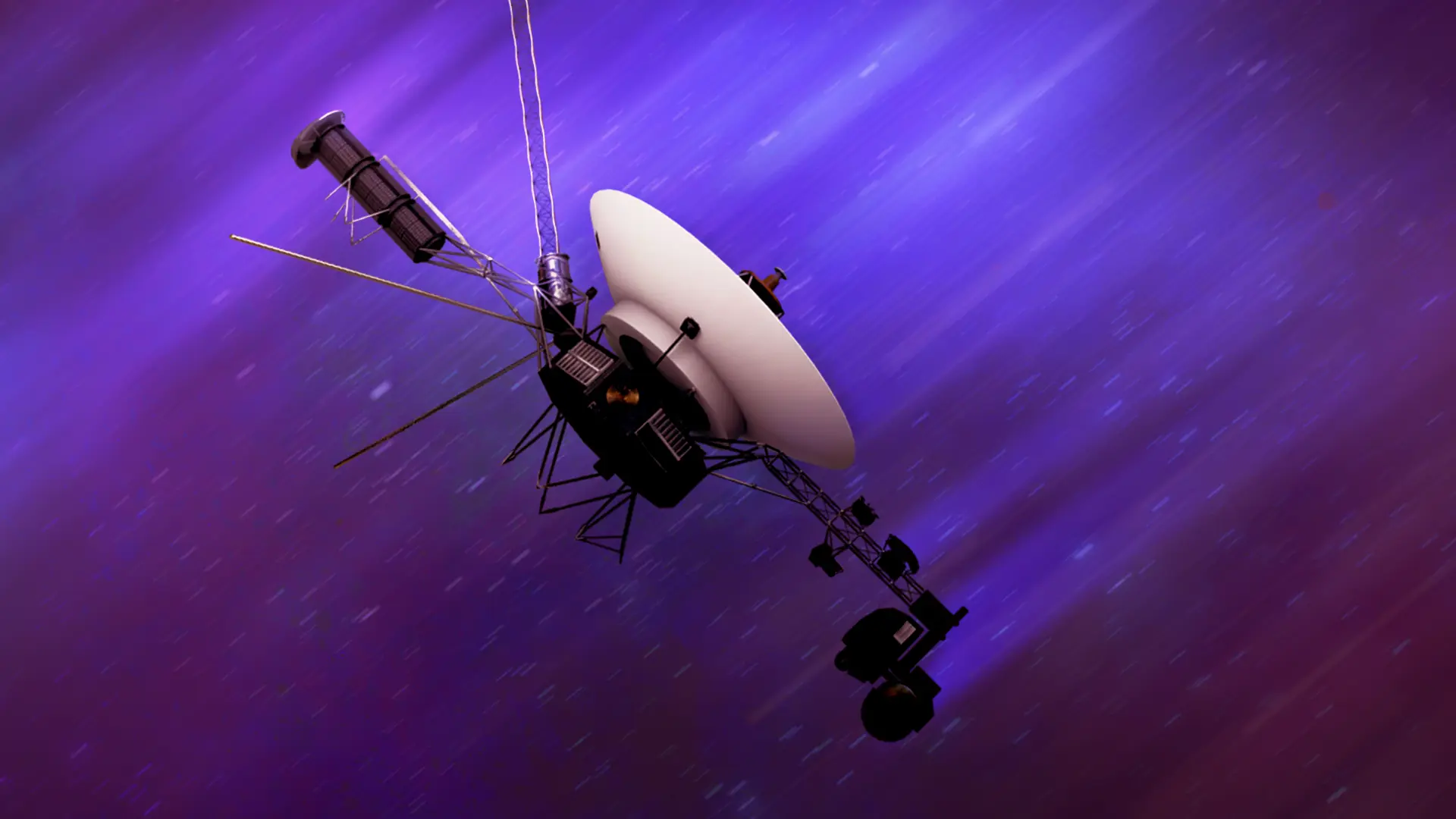
More than 15 billion miles from Earth, NASA’s Voyager 1 continues to send back signals, nearly fifty years after it first left the launchpad. Originally built in the 1970s to explore Jupiter and Saturn, it has since ventured into interstellar space, returning data no other spacecraft has collected. Its endurance is the result of nuclear power, careful engineering, and decades of on-the-fly repairs. But the end will come: power levels are falling, instruments are being switched off, and eventually its voice will fade. “We didn’t design them to last 30 years or 40 years, we designed them not to fail,” said project manager John Casani. That philosophy, coupled with extensive redundancy, including two near-twin probes, multiple thrusters, and backup systems, has kept Voyager 1 operating far beyond its intended lifetime.

Powered by a Nuclear Heart That Fades Slowly
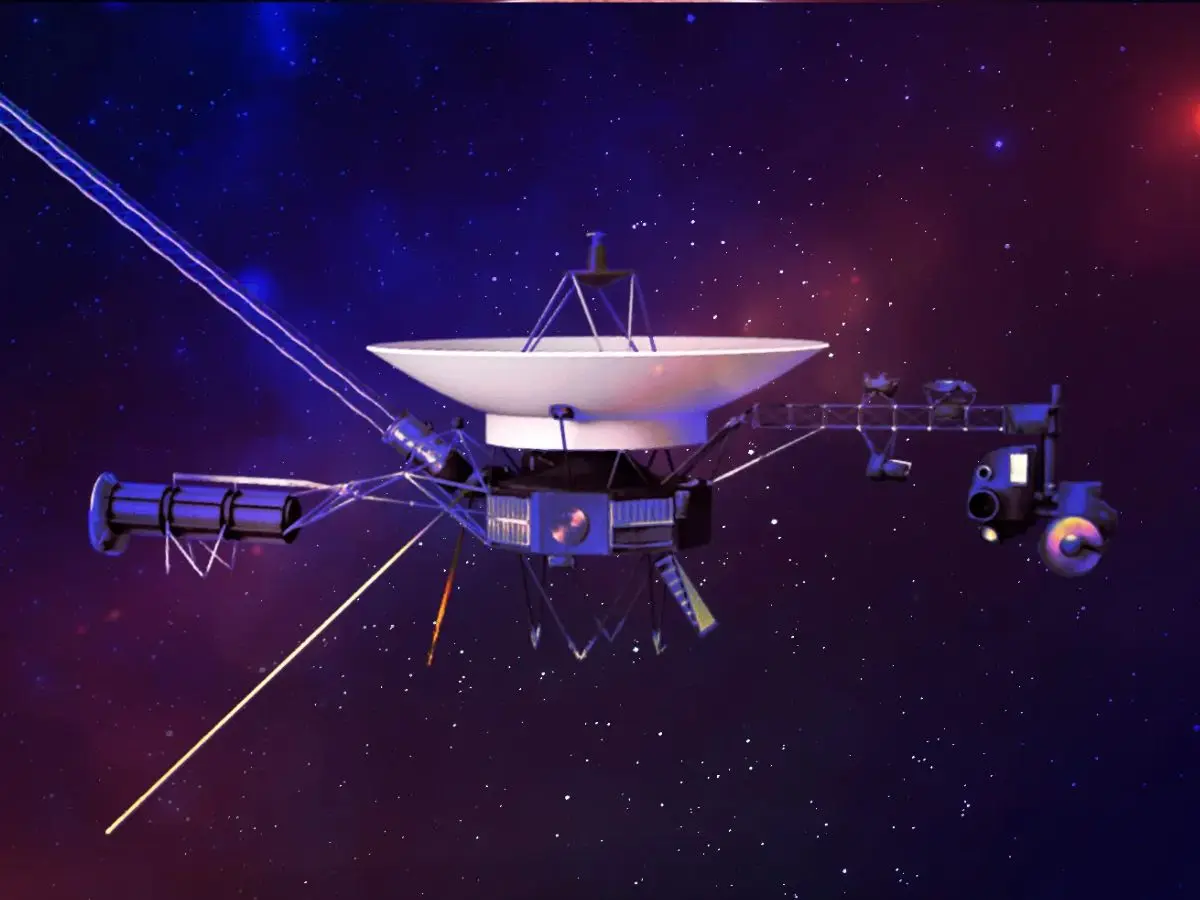
Voyager 1 relies on three MHW-RTGs (radioisotope thermoelectric generators) powered by plutonium-238, whose half-life of nearly 88 years allows for a slow, steady decline in power. Initial output of around 470 watts has diminished, recent figures place it at approximately 220 watts, yet still enough for a handful of instruments to operate.
Ingenious Power Management Prolongs Mission Life
Aware of ever-dwindling electrical output, NASA engineers have enacted a meticulous power strategy. By shutting off non-essential heaters and cycling instruments, they've steered scarce power toward only the most valuable science operations. Regularly recalibrating systems ensures Voyager can keep doing research, not just exist.
Miracle Fixes Keep Systems Alive
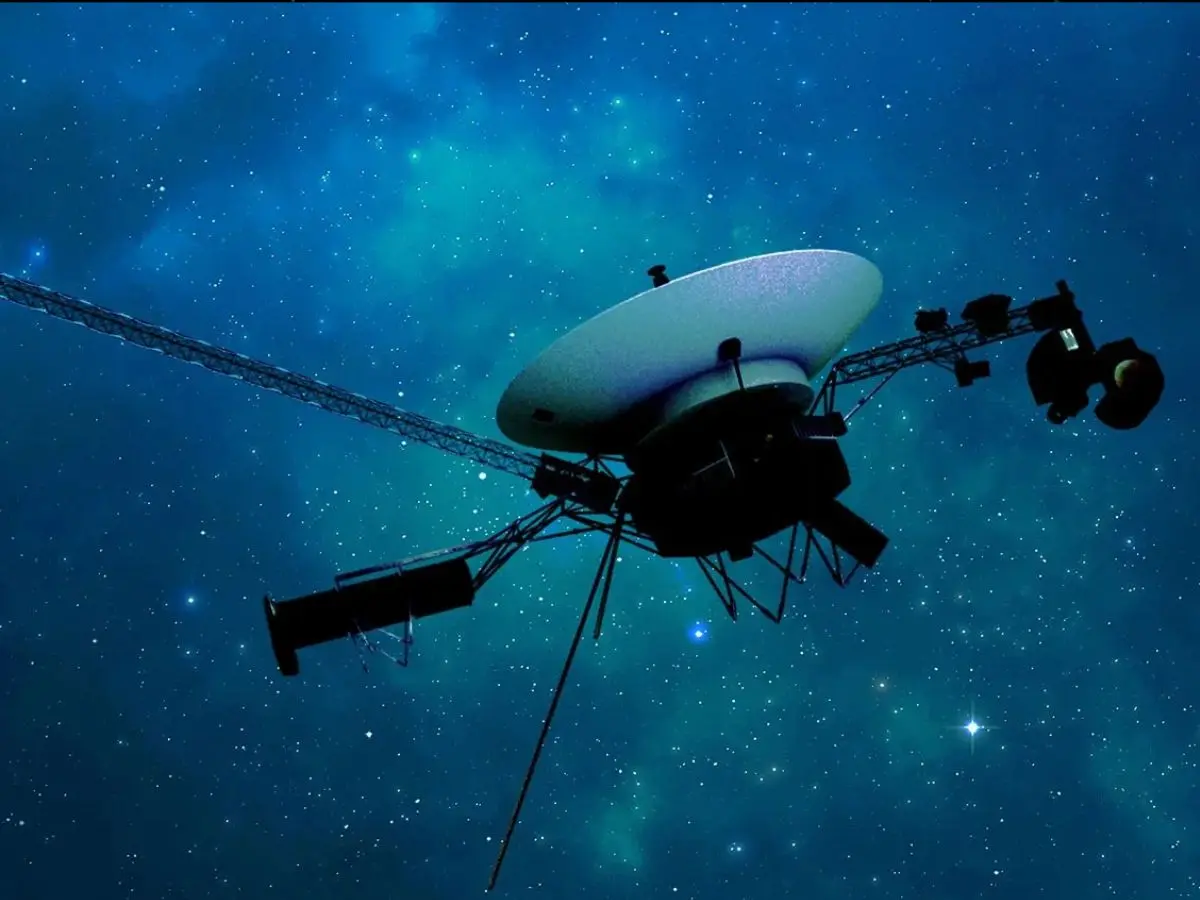
Voyager 1's longevity owes much to the ingenuity of its mission team. In 2018, backup thrusters unused for decades were brought back online to maintain antenna orientation. More recently, a critical repair saw primary thrusters reactivated after 20 years of dormancy, averting potential communication loss—and once again extending its functional life.
Fading But Still Scientific
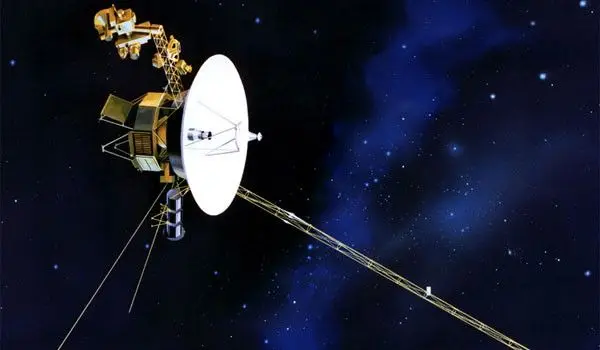
Today, Voyager 1 carries only four operational science instruments, down from ten at launch. Engineers continue calibrating voltages and trading off systems to maximise science output while minimising power use. Even as power fades, each remaining watt is invested wisely in interstellar discovery.
Living Relic of a Bygone Era
Voyager 1’s onboard systems, computers, thrusters, and electronics, hail from the 1970s. Yet through resilience and exceptional engineering, these components persist. A team known as the “tiger team” has even reverse-engineered ageing systems, walking a digital tightrope to keep the craft responding from over 15 billion miles away.

A Mission That Outlasts Its Makers
Voyager 1 is expected to return science data until about 2025, with engineering telemetry possibly continuing into the early 2030s. Its slow power fade suggests that even when contact finally ceases, the legacy of those who built it will continue to bridge humanity with the cosmos, long after those engineers have passed. From a daring design philosophy to monumental problem-solving and nuclear-powered endurance, Voyager 1 stands as a testament to human foresight.
)
)
)
)
)