Why NASA's Artemis II is the most dangerous space mission in 50 years

This 10-day mission is the ultimate high-stakes stress test required to secure humanity's future on the lunar surface and beyond.
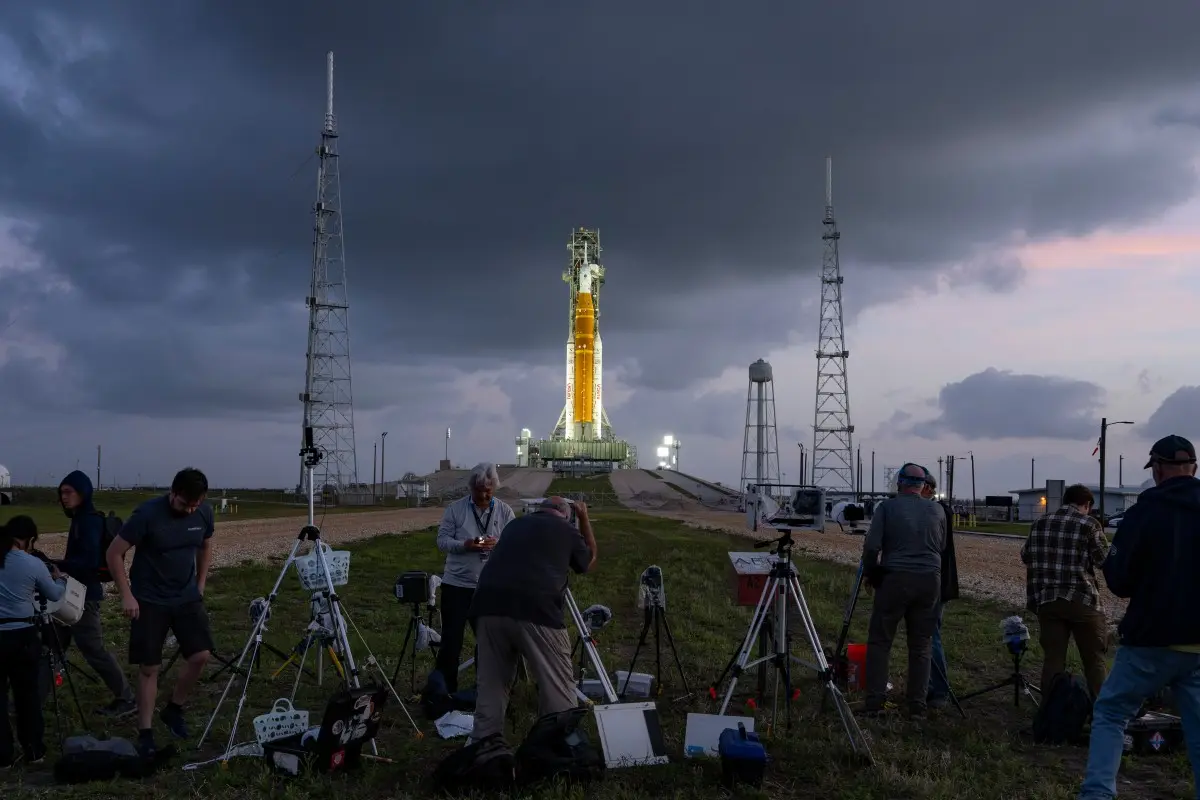
A True 'First Flight' for Humans
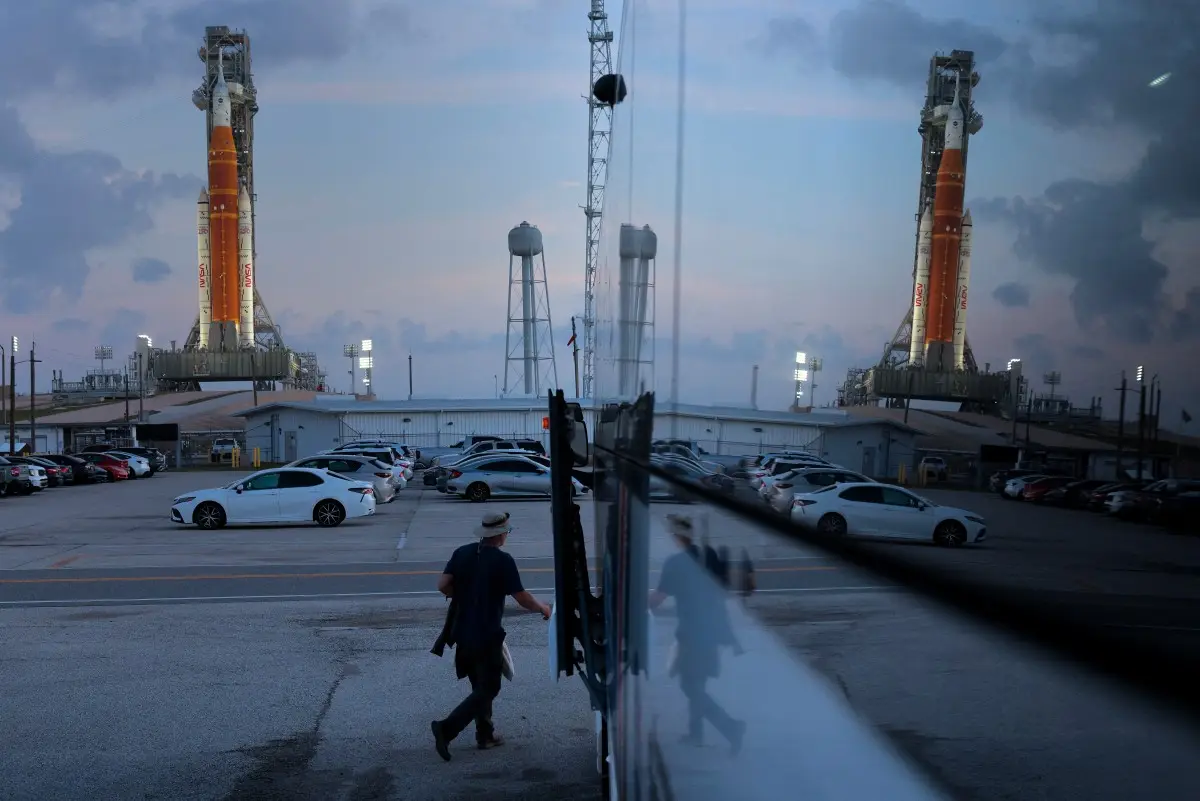
Unlike the Space Shuttle or SpaceX's Crew Dragon, which flew multiple orbital test flights before putting humans aboard, Artemis II is the very first time the massive Space Launch System (SLS) rocket and the Orion life-support systems are flying with a crew. The four astronauts are essentially acting as the ultimate test pilots for a vehicle that has never sustained human life in the unforgiving vacuum of space.
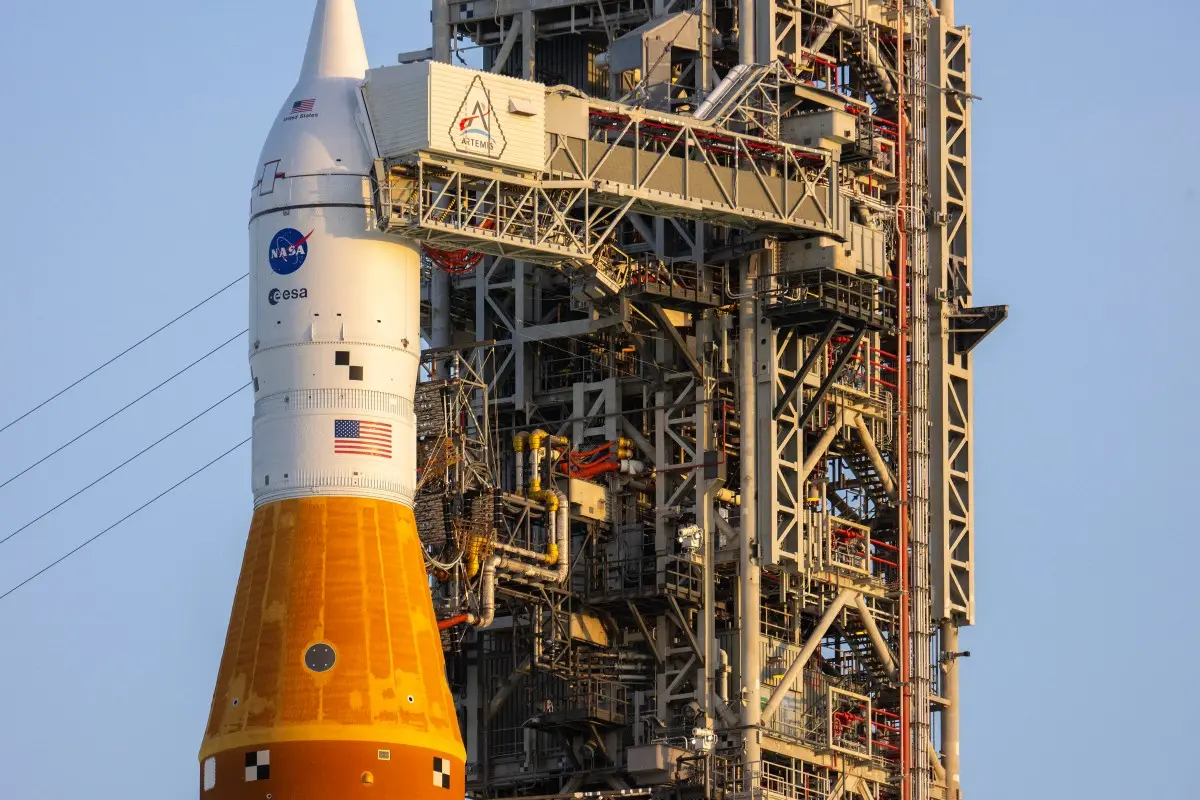
The 'No Way Out' Trajectory
Low-Earth orbit missions like those to the ISS allow for a quick emergency return to Earth in a matter of hours. Artemis II is on a “free-return trajectory.” Once the engines fired for the Translunar Injection, there was no turning back. If a critical failure happens halfway to the Moon, the crew cannot simply U-turn; they must ride out the entire 10-day loop using lunar gravity to bring them home.
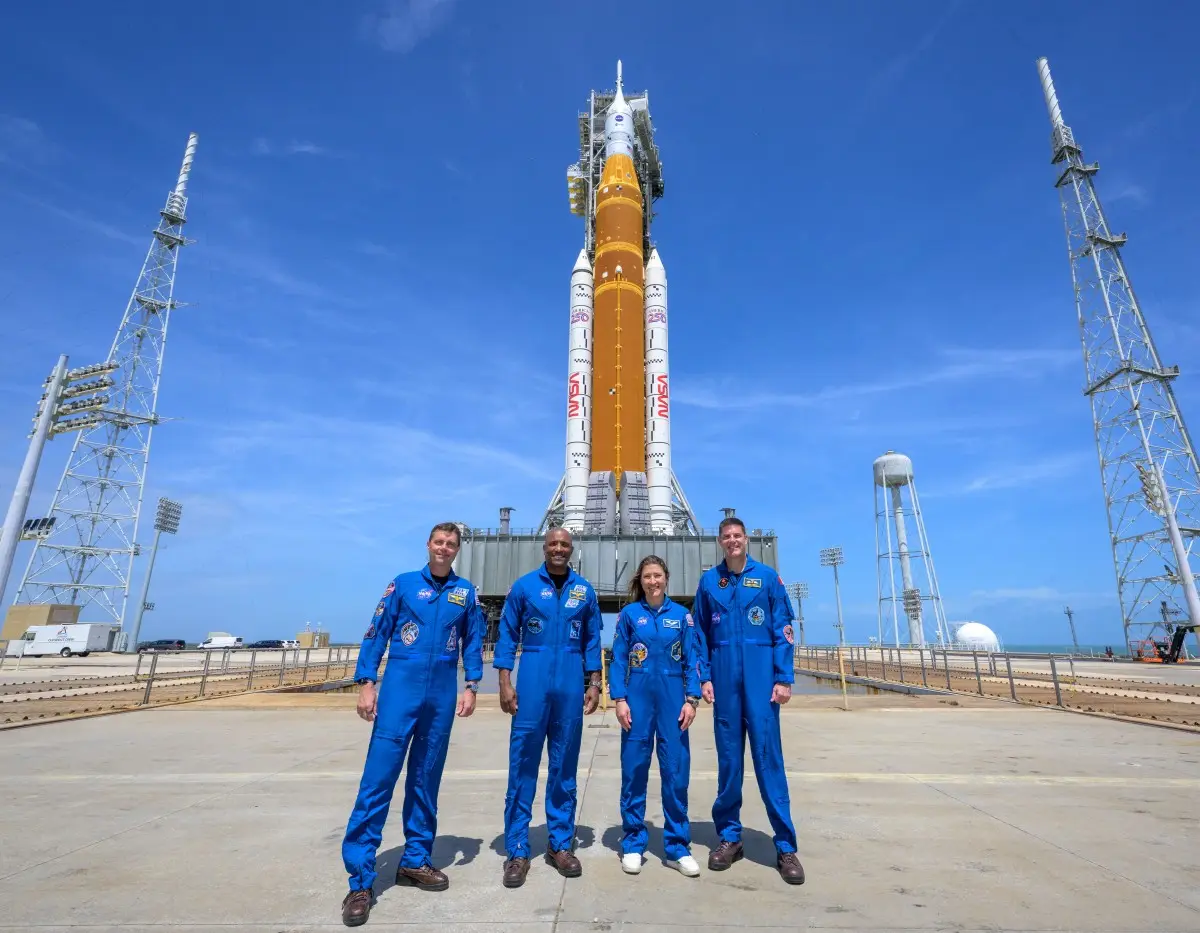
Testing Unproven Life Support
While the Orion capsule flew empty during the Artemis I test, humans introduce heat, moisture, and carbon dioxide. Artemis II is the first true stress test of the Environmental Control and Life Support System (ECLSS). If the carbon dioxide scrubbers fail or the temperature regulators malfunction in deep space, the crew has very limited backup options to survive the multi-day trip home.
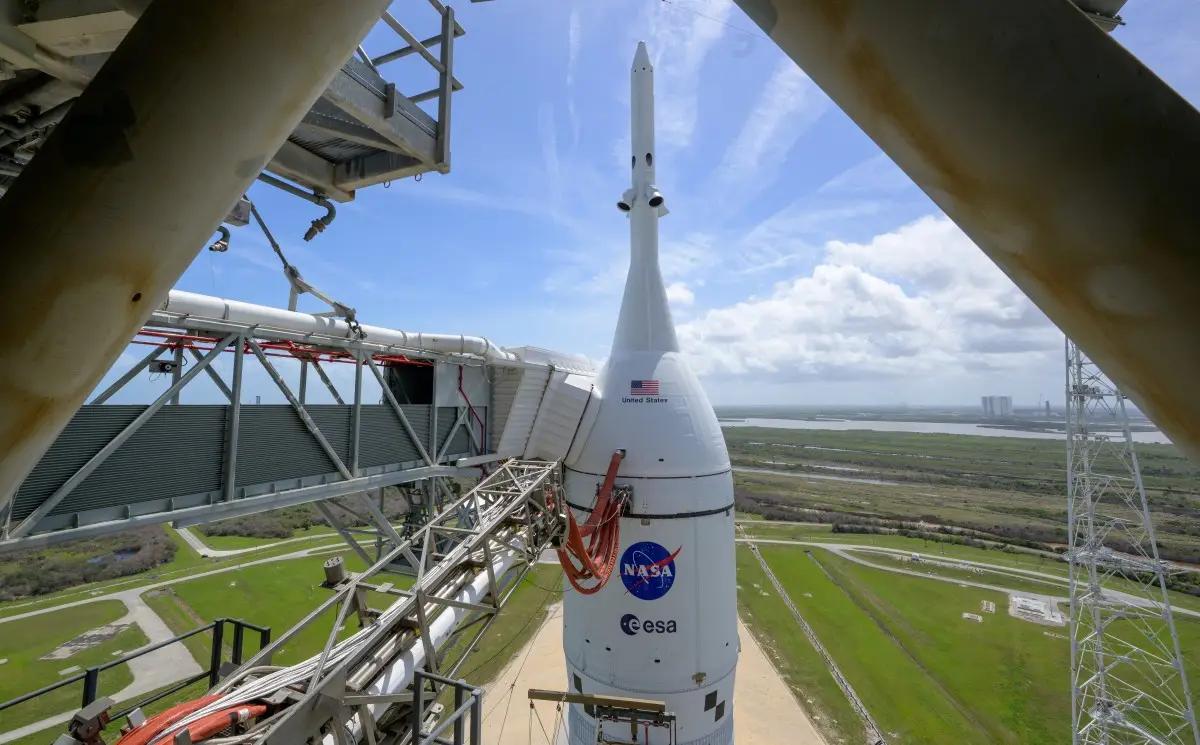
The Ultimate Comms Blackout
When the Orion spacecraft slingshots around the far side of the Moon, it will be physically blocked by 2,000 miles of solid rock. For approximately 45 minutes, the crew will lose all contact with Earth. During this period of absolute isolation, they will be the farthest humans from Earth, entirely dependent on autonomous systems with zero help from Mission Control.
Exposed to the Deep Space Wilderness
By traveling beyond the protective bubble of Earth's magnetic field (the Van Allen belts), the Artemis II crew is fully exposed to intense cosmic rays and the constant threat of unpredictable solar flares. While the tiny capsule has a makeshift radiation shelter, the long-term exposure is a significant biological risk that hasn't been tested with humans since 1972.
High-Stakes Manual Flying
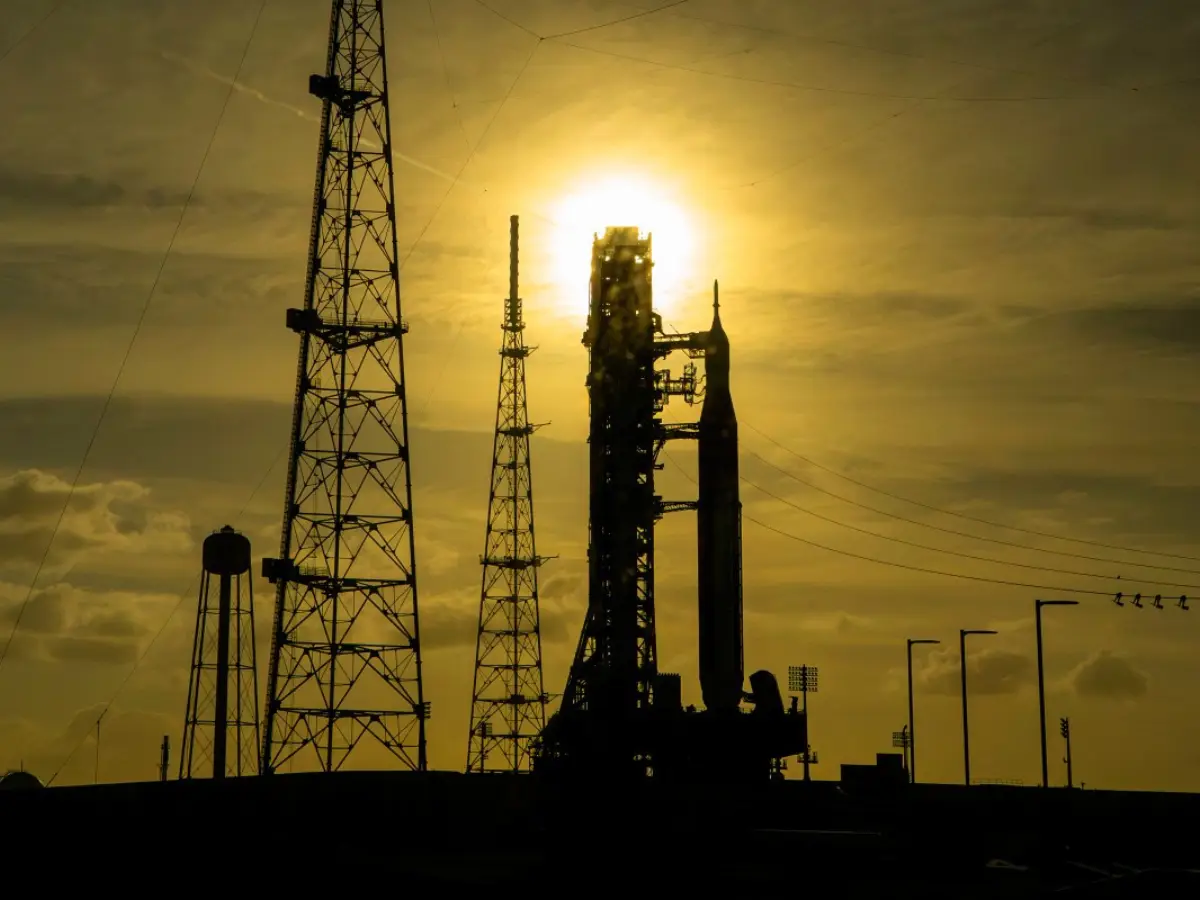
Shortly after launch, Pilot Victor Glover took manual control of the 33,000-pound spacecraft to perform a Proximity Operations Demonstration. He had to manually fly Orion within striking distance of the spent rocket stage. In the vacuum of space, a slight miscalculation in thruster firing could lead to a catastrophic collision.
The Terrifying 'Skip Re-entry'
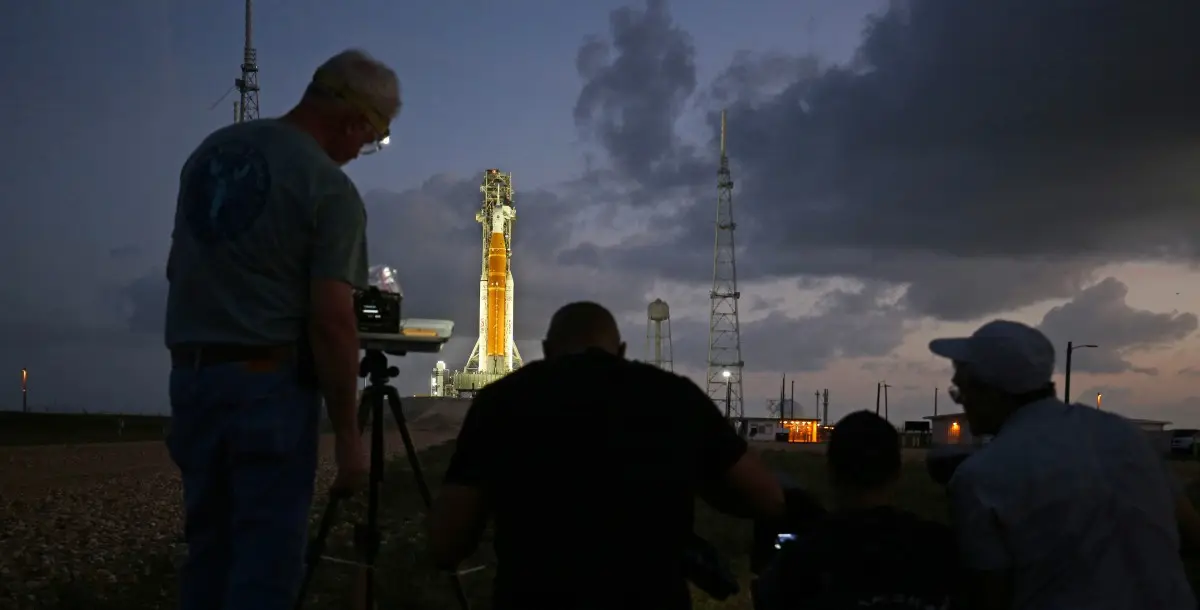
To return home safely, Orion will hit Earth's atmosphere at a blistering Mach 32 (25,000 mph), generating temperatures half as hot as the surface of the sun. The crew must execute a daring “skip re-entry”—bouncing the spacecraft off the atmosphere like a skipping stone to bleed off speed. If the angle of entry is off by just a fraction of a degree, the capsule could burn up or skip back out into deep space.
)
)
)
)
)