Why NASA’s latest supercomputer could be as crucial as rockets for future spaceflight

NASA has handed over its new 'Athena' system to the Chief Science Data Officer. This hybrid supercomputer-cloud platform reads massive datasets to simulate planetary dynamics, allowing NASA to design the ideal spacecraft before launch.
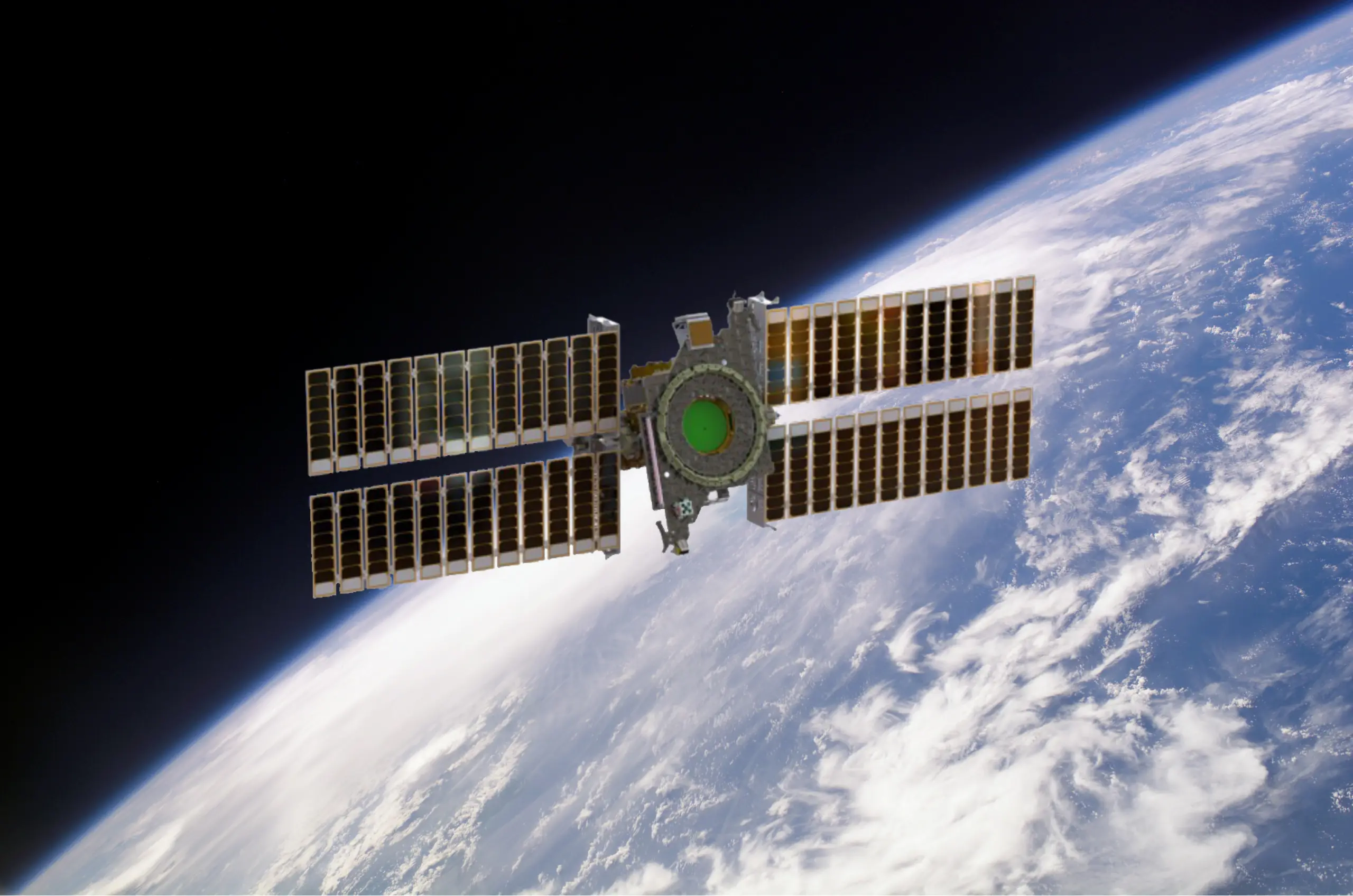
A new era for data Handing over the system
NASA has formally transferred control of its advanced computing system to the Chief Science Data Officer. This strategic move centralises the agency's data processing capabilities, ensuring that scientific information is managed with a flexible, future-proof approach for upcoming deep-space missions.
The hybrid advantage Supercomputers meet the cloud
The new system utilises a "flexible, hybrid computing approach". By combining the raw power of traditional supercomputers with the accessibility of commercial cloud platforms, NASA can now scale its processing power on demand, breaking the limitations of static hardware.
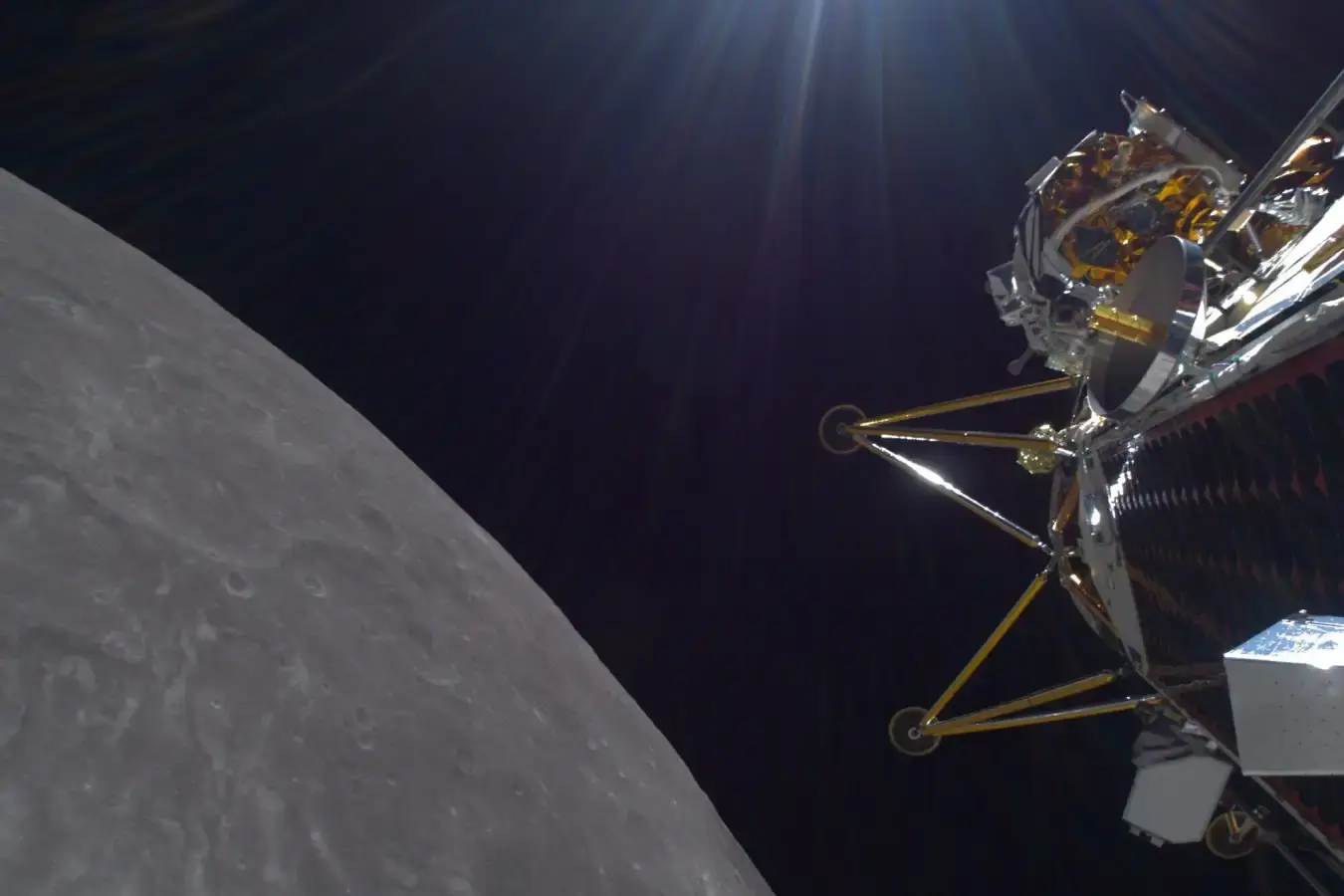
Enter ‘Athena’ Reading massive datasets
At the heart of this system is 'Athena', a capability designed to read through "massive tropes of datasets". This advanced processing allows the agency to ingest and analyse petabytes of scientific data from decades of exploration, finding patterns that human researchers might miss.
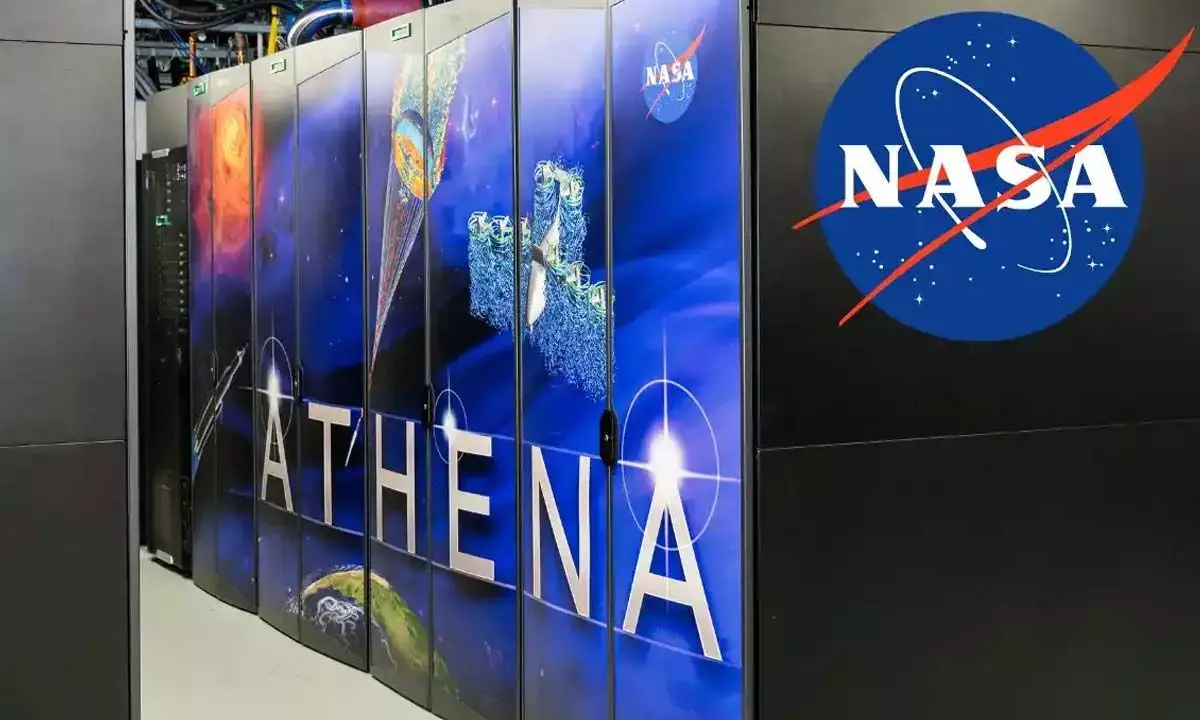
Simulating new worlds Studying planetary dynamics
Athena’s primary power lies in simulation. It enables NASA to "thoroughly study the dynamics of a planet" in a virtual environment. By modelling atmosphere, gravity, and terrain with unprecedented accuracy, scientists can understand a target destination fully before leaving Earth.
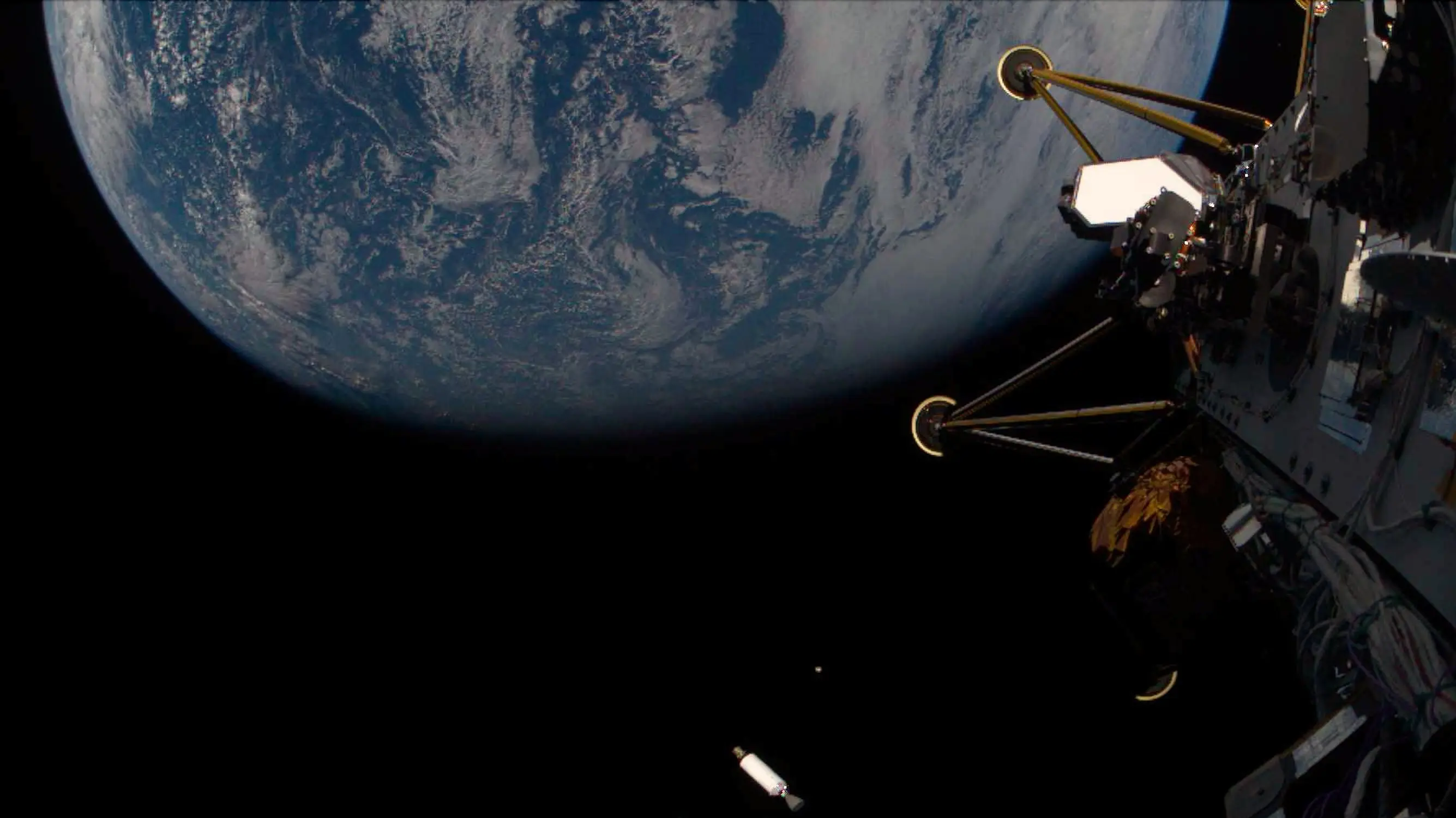
Athena’s primary power lies in simulation. It enables NASA to "thoroughly study the dynamics of a planet" in a virtual e
The system removes the guesswork from engineering. NASA can now use Athena’s insights to "decide to build the ideal spacecraft and launch vehicle" tailored specifically to the planet's conditions, saving billions in costs and reducing mission risks.

A computing milestone One of NASA’s biggest achievements
This handover is being hailed as "undoubtedly one of the biggest computing achievements for NASA". It represents a shift from reactive data analysis to proactive, AI-driven mission planning, setting a new standard for how space agencies utilise technology.

Shaping the frontier Breakthroughs for mankind
By integrating this powerful system, NASA is "shaping up the future of space frontiers". The agency expects Athena to drive "new breakthroughs for mankind", accelerating the timeline for missions to Mars and beyond by solving complex problems in the digital realm first.
)
)
)
)
)