Why NASA’s Artemis Mission is the most important journey in human history

The Artemis program isn't just a "re-run" of the 1960s; it is the blueprint for how humanity will become a multi-planetary species. While Apollo was a sprint to prove we could reach the Moon, Artemis is a marathon designed to prove we can stay there.
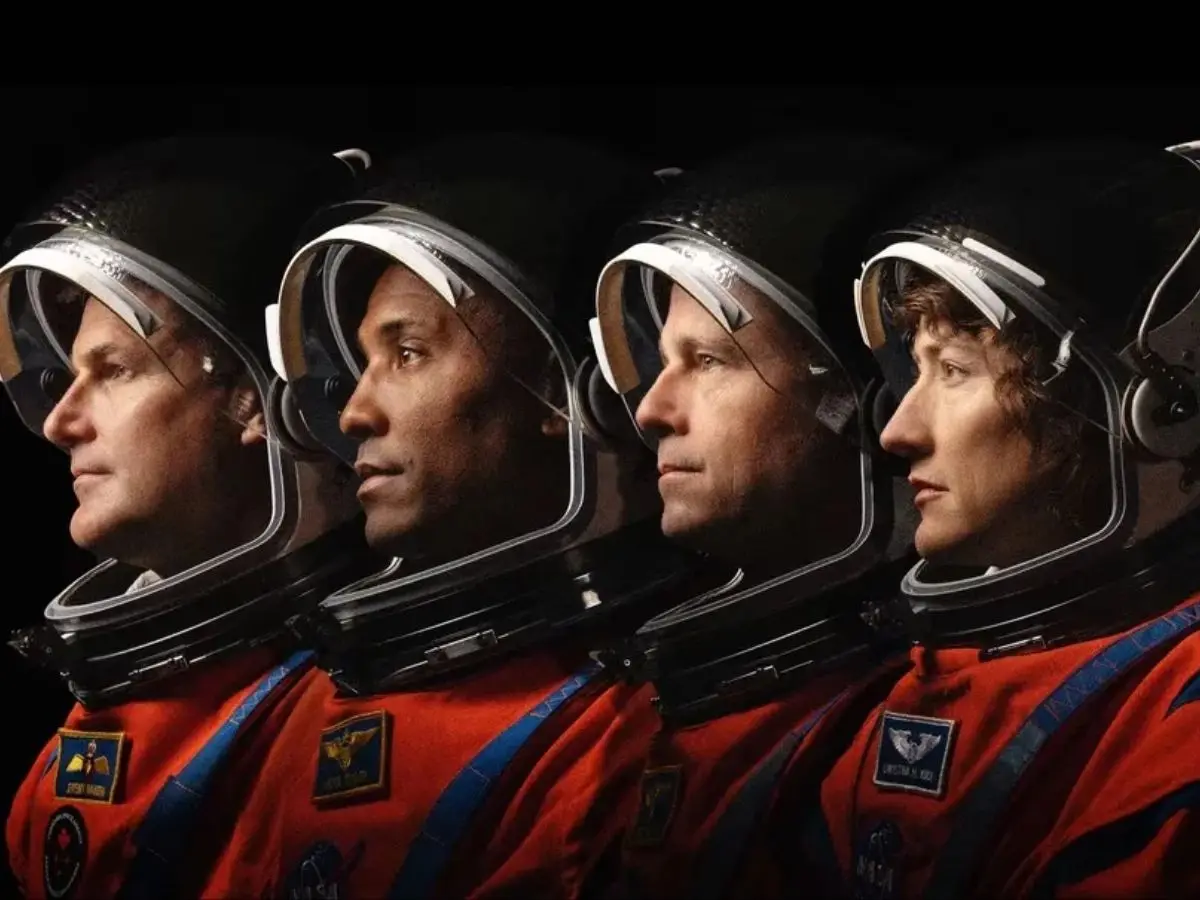
1. Reclaiming the "Deep Space" Throne
Since 1972, the US has shared Low Earth Orbit (LEO) with many nations. Artemis 2 is NASA’s way of saying the U.S. is still the leader in deep space exploration. By sending a crew 280,000 miles from home, the US re-establishes itself as the only nation currently capable of transporting humans to the lunar neighbourhood.
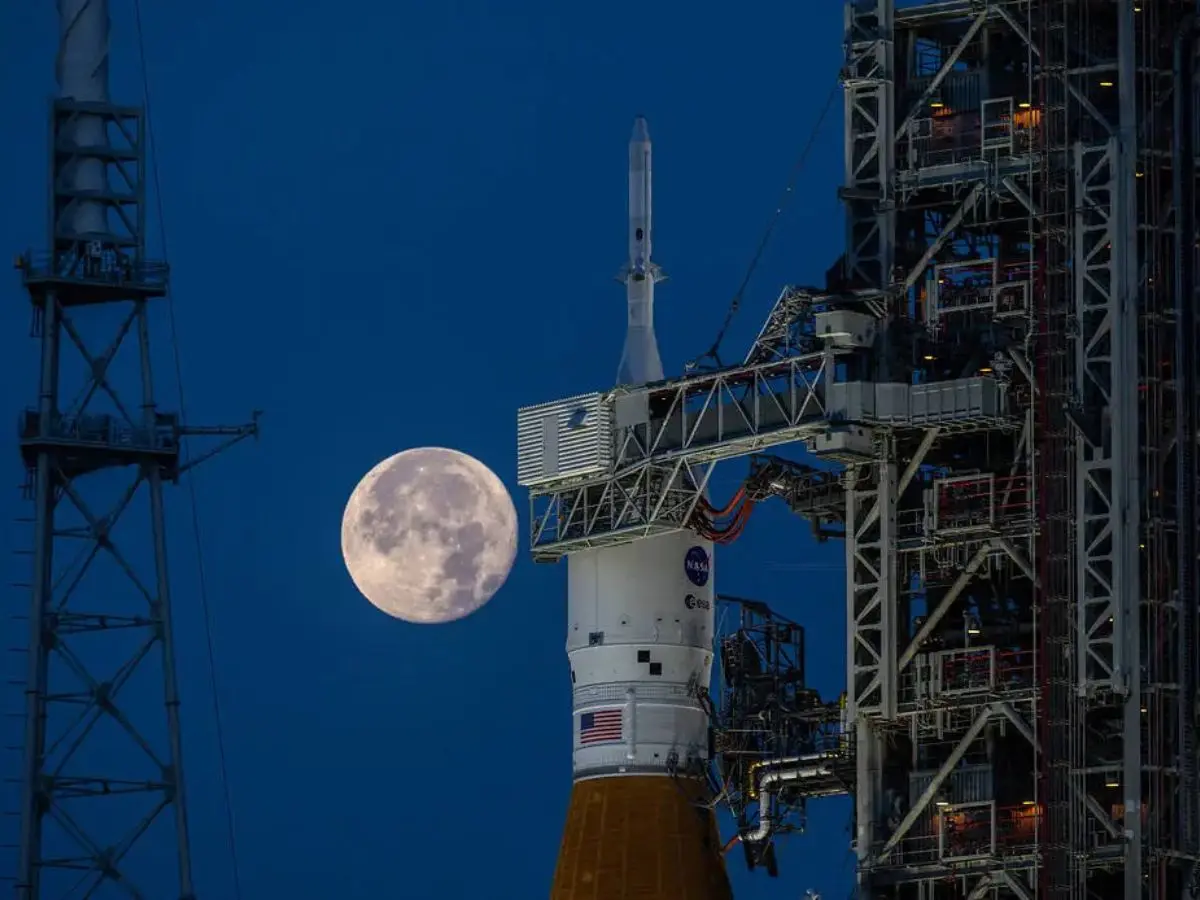
2. Winning the "New" Space Race (USA vs. China)
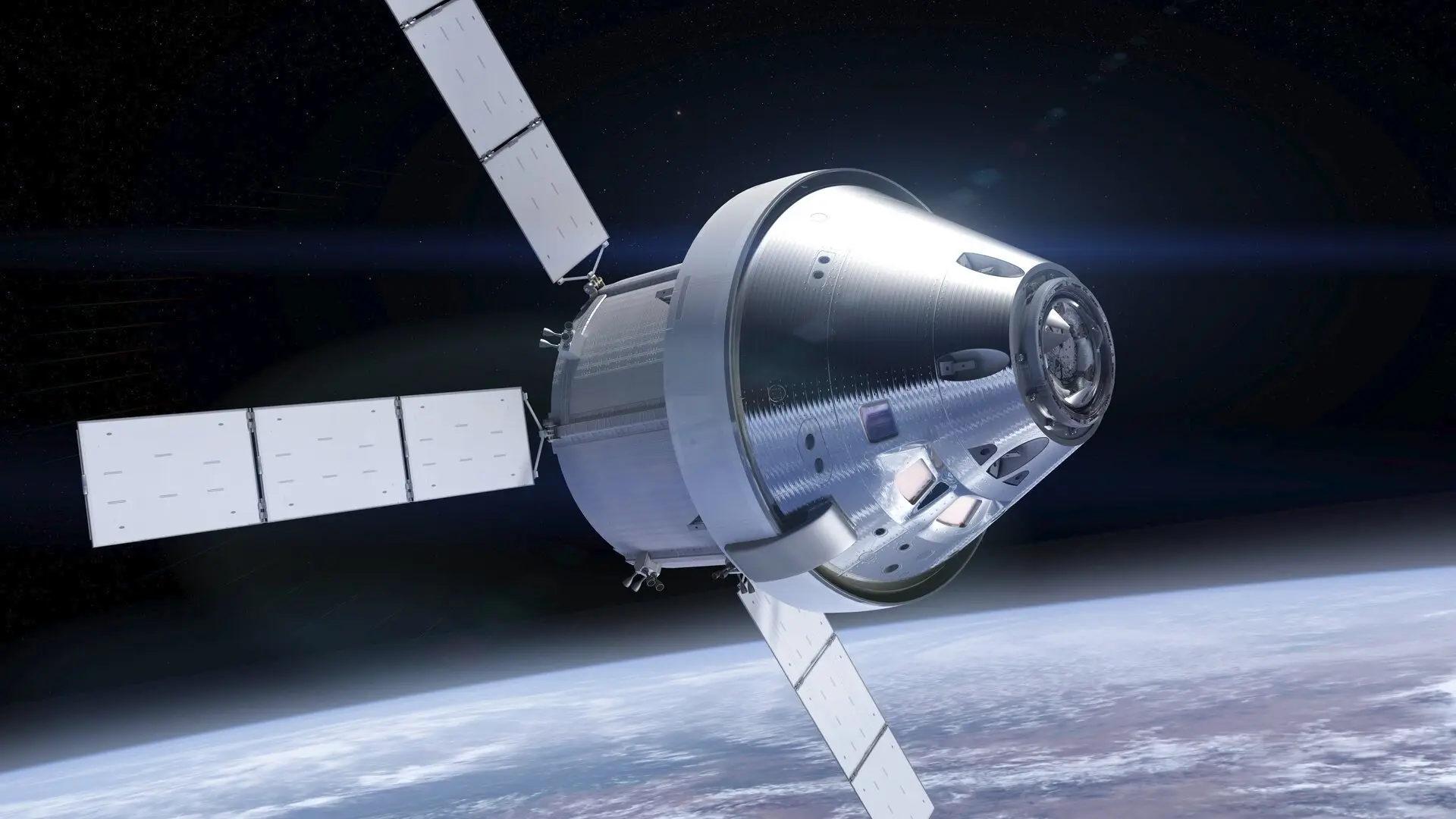
Unlike the 1960s, the current race is about sustained presence. With China aiming for a crewed lunar landing by 2030, Artemis 2 is the critical "checkmate" move. It proves the American Space Launch System (SLS) and Orion capsule are flight-ready, ensuring the U.S. remains the first to set up permanent infrastructure at the lunar South Pole.
3. A Massive Engine for the U.S. Economy
Artemis is a jobs program. It supports over 96,000 jobs across all 50 US states and generates nearly $24 billion in total economic output annually. From small software firms in Colorado to manufacturing hubs in Alabama, Artemis 2 is the proof-of-concept that keeps thousands of American high-tech businesses funded and growing.
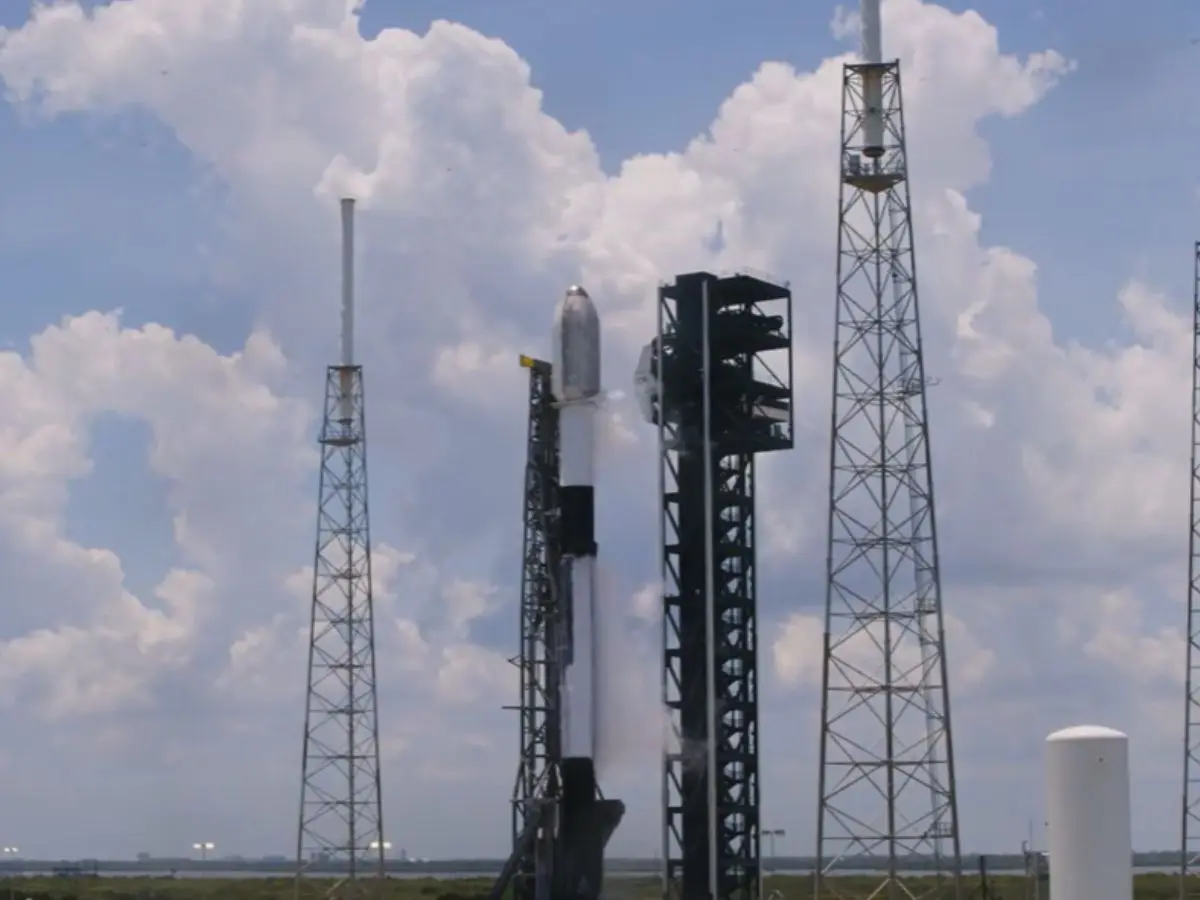
4. Transitioning to a "Commercial" Model
For NASA, Artemis 2 is the ultimate hand-off. By proving the government-built rocket works, NASA can now focus on hiring private US companies like SpaceX and Blue Origin to handle the "taxi service" to the surface. This shifts NASA from being a "landlord" of space to an "explorer," saving billions in the long run.
5. Validating the $93 Billion Investment
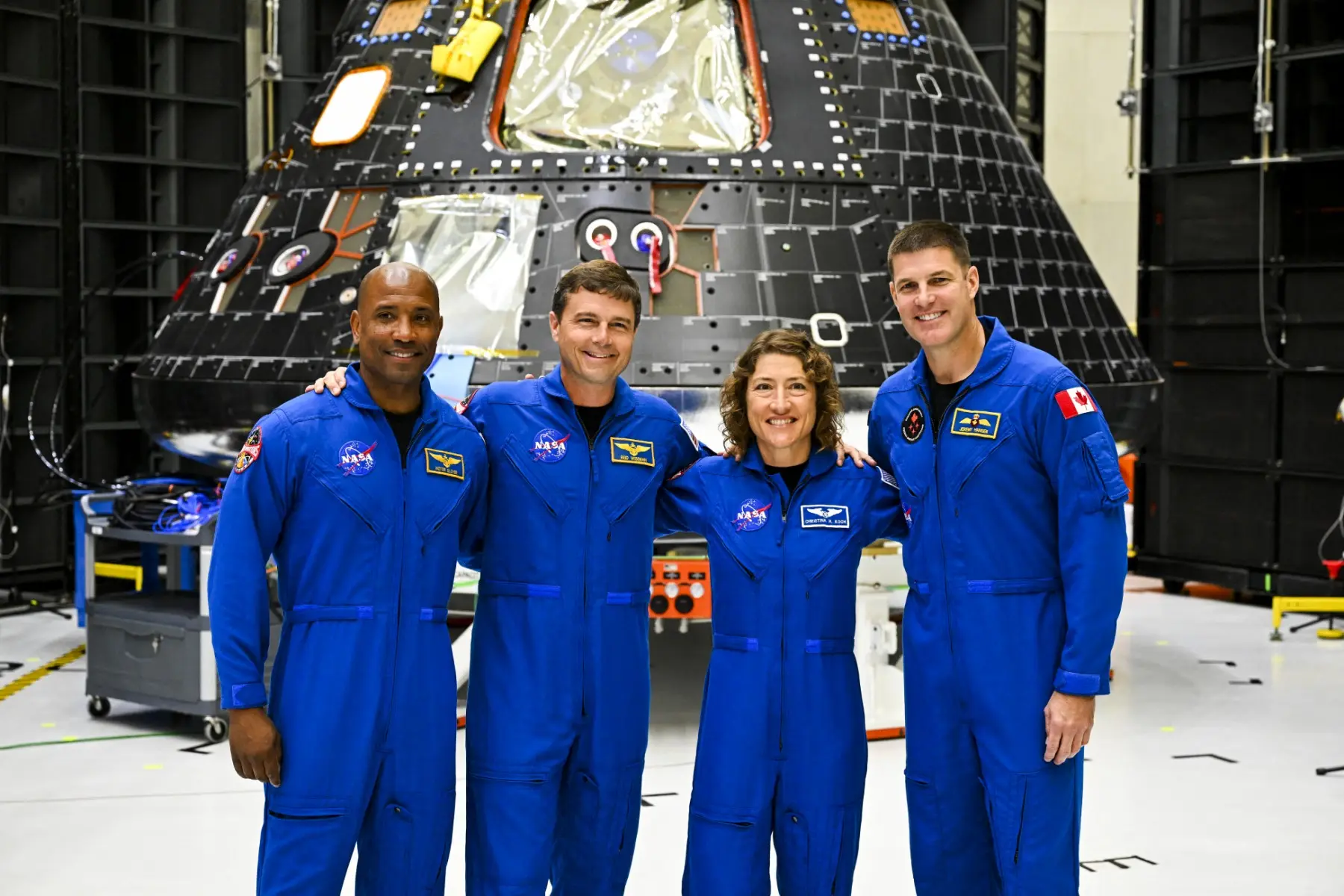
The Artemis program has a projected cost of roughly $93 billion through 2025. For NASA, Artemis 2 is the mission that justifies this taxpayer investment to Congress. A successful crewed flight around the Moon provides the "political oxygen" needed to secure funding for the next decade of Mars-bound research.
6. Geopolitical Soft Power (The Artemis Accords)
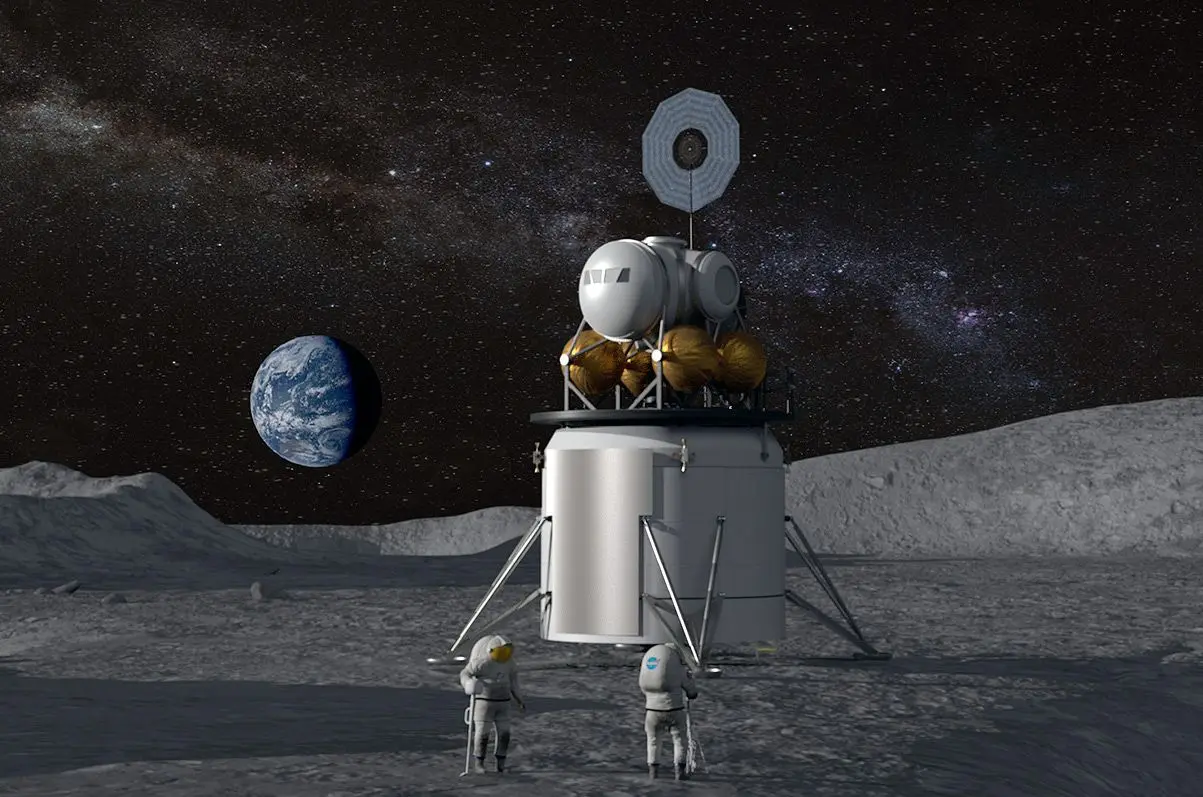
Artemis 2 is the flagship of the Artemis Accords, a US-led coalition of 40+ nations. By leading this mission, the U.S. sets the rules for space, transparency, peaceful exploration, and resource sharing. It ensures that the future of the Moon is governed by democratic values rather than a "first-come, first-served" free-for-all.
7. The "Artemis Generation" Recruitment
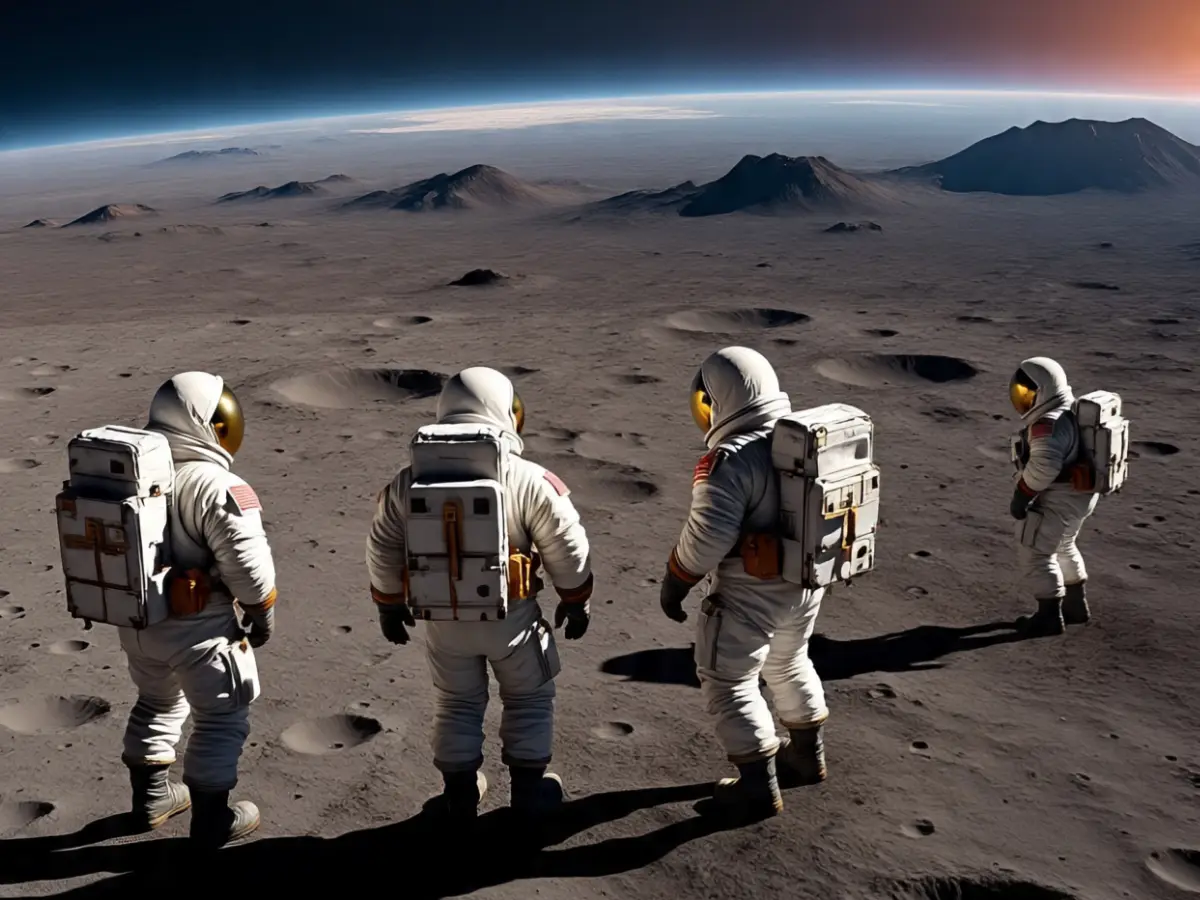
NASA faces a "brain drain" as the Apollo-era engineers retire. Artemis 2 is the ultimate recruitment tool for the next generation of American scientists and engineers. It provides a tangible, real-time hero story, the first humans to leave orbit in 50 years, inspiring a new wave of American students to enter STEM fields.
)
)
)
)
)