There is a reason why Voyager missions were launched in 1977, not before, not later

NASA launched the Voyager 1 and Voyager 2 missions in 1977, on August 20 and September 5. There was a very specific reason for using this window for the launch, as a rare cosmic alignment was about to take place.
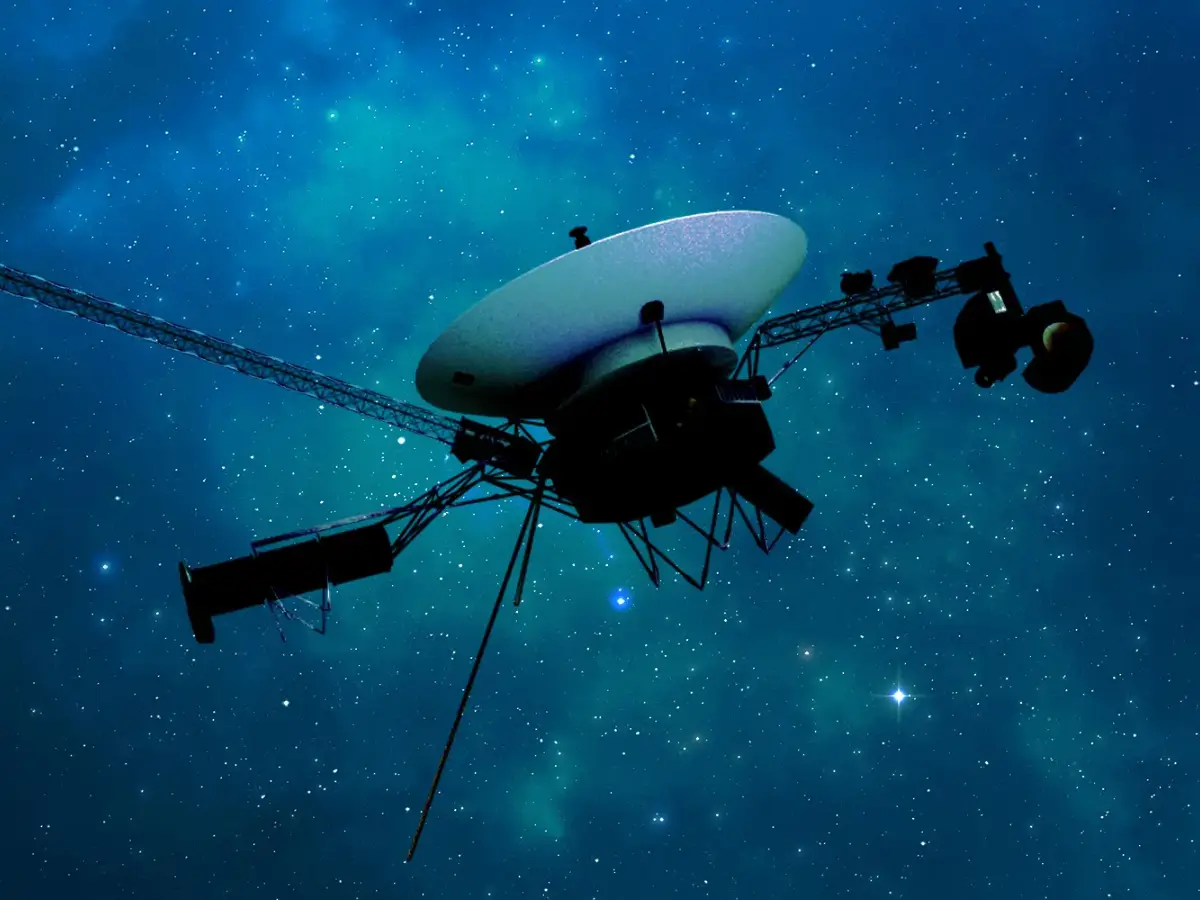
Voyager 1 and Voyager 2 missions were launched in 1977
The Voyager 1 and Voyager 2 missions are proof of the human thirst for knowledge, to know what lies out there in deep space. Initially, the purpose of the two spacecraft was to explore Jupiter, Saturn, Uranus, and Neptune, and then continue to drift into outer space to witness the vast cosmos and send back data for as long as possible. Voyager 2 was the first to go, launched on August 20, 1977, followed by Voyager 1 on Sep 5, 1977. NASA was clear on when the launches would happen because of a very specific formation that occurs only once every 176 years.
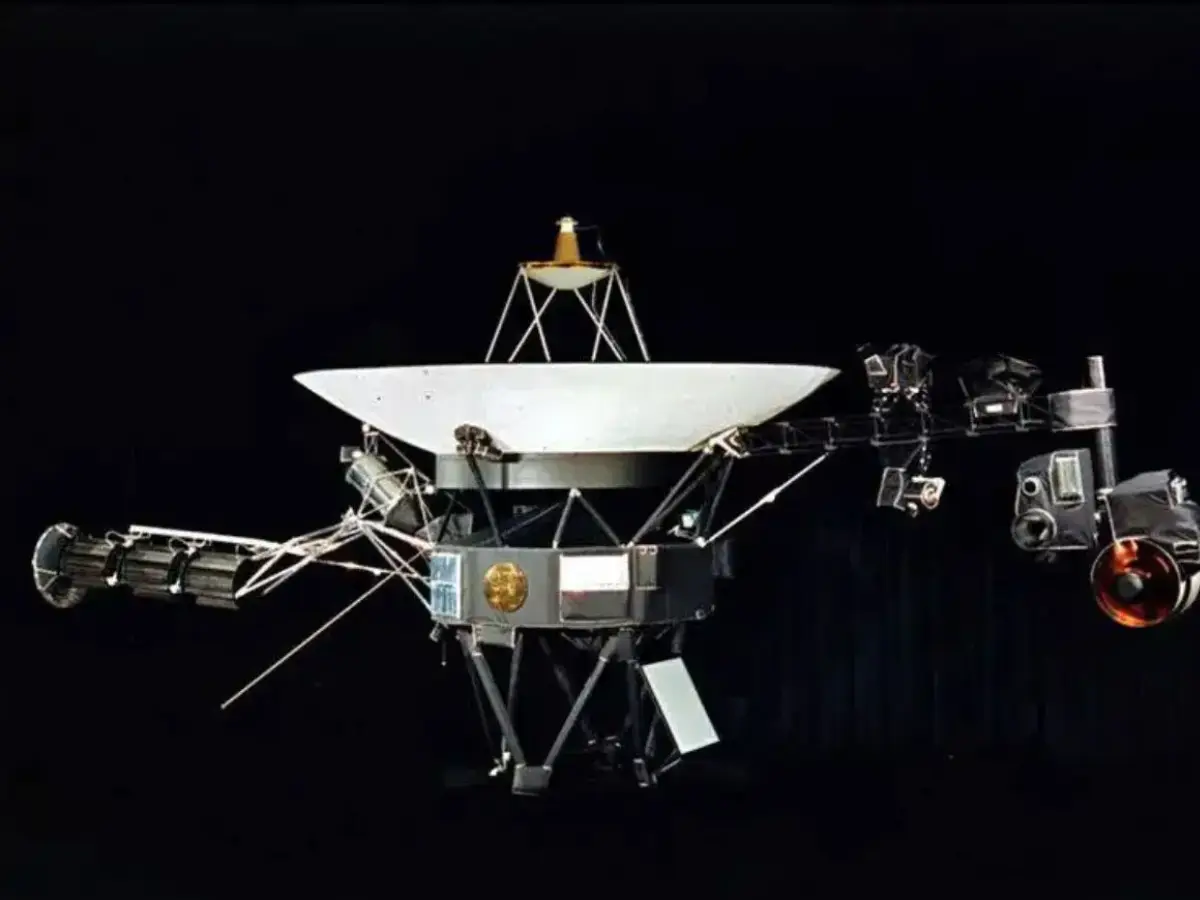
Why were Voyager missions launched in 1977?
The space agency made sure the Voyager missions were ready to be launched in 1977 at that particular time because something special was about to take place in our solar system. A space alignment in the coming years became the motivating factor to prepare both the spacecraft for launch during this time period.
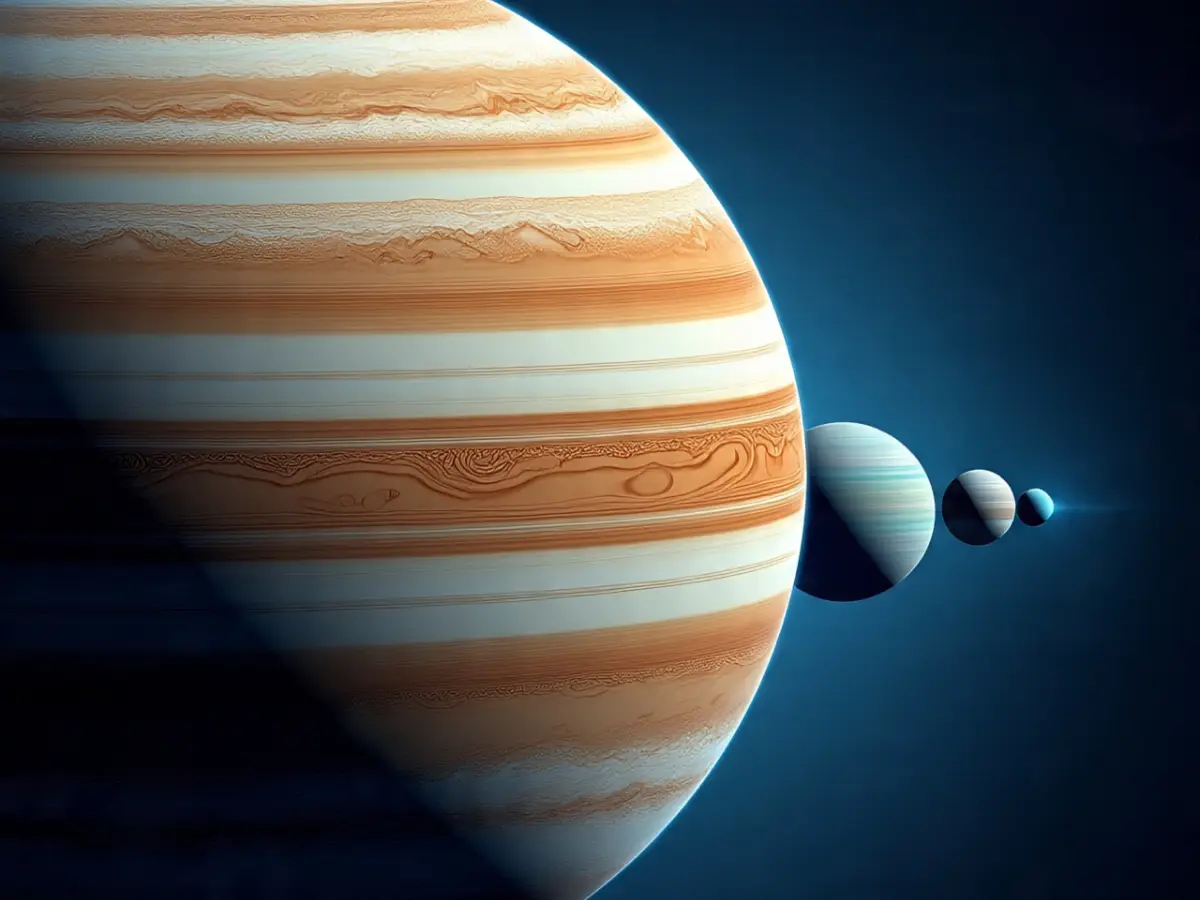
Voyager missions were planned keeping in mind a rare cosmic alignment
During the early years of space exploration, NASA realised that in the late 1970s a cosmic event would take place that wouldn't happen again for nearly 176 years. The scientists realised this was their chance to study all four giants with one probe. Gravity assist was a new technique at the time, and so plans were made for the Voyager missions.
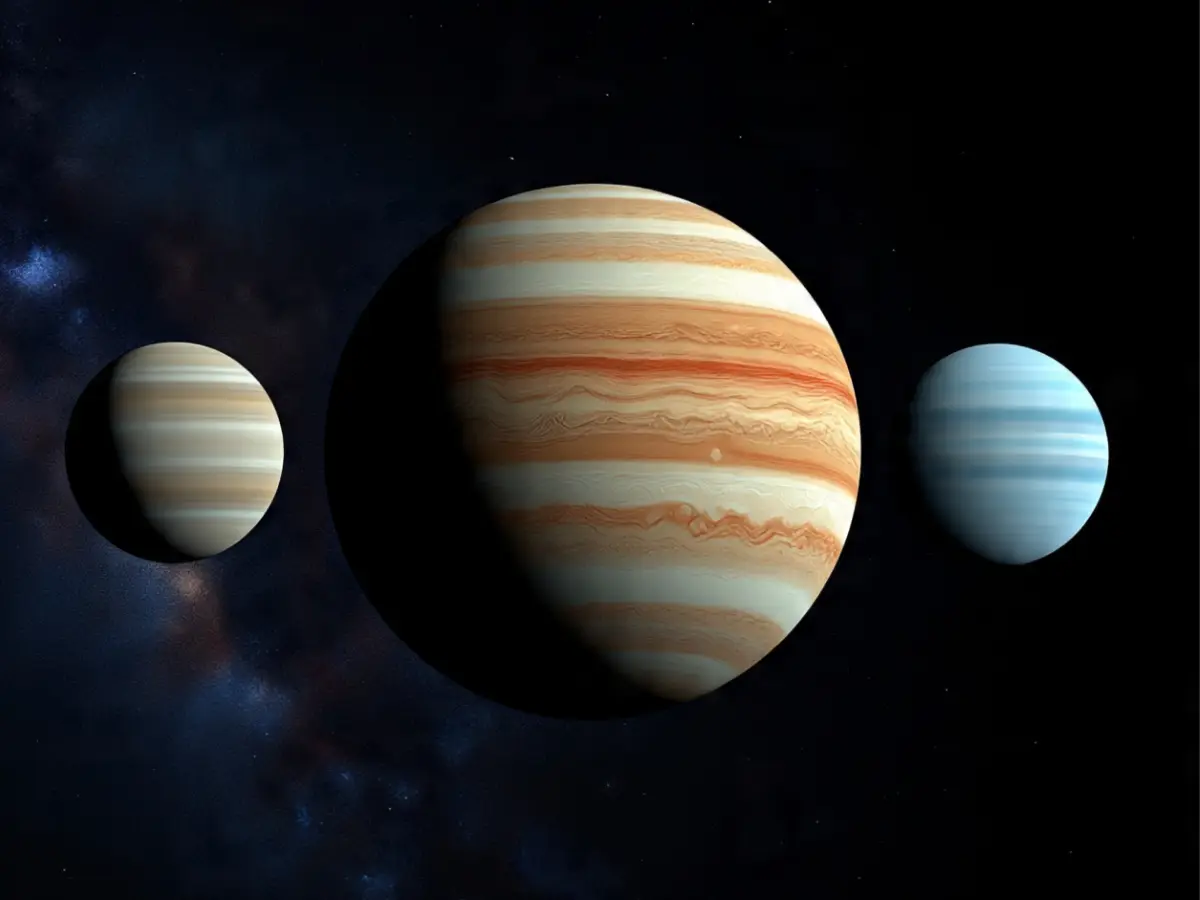
Once every 176 years cosmic event determined Voyager missions launch window
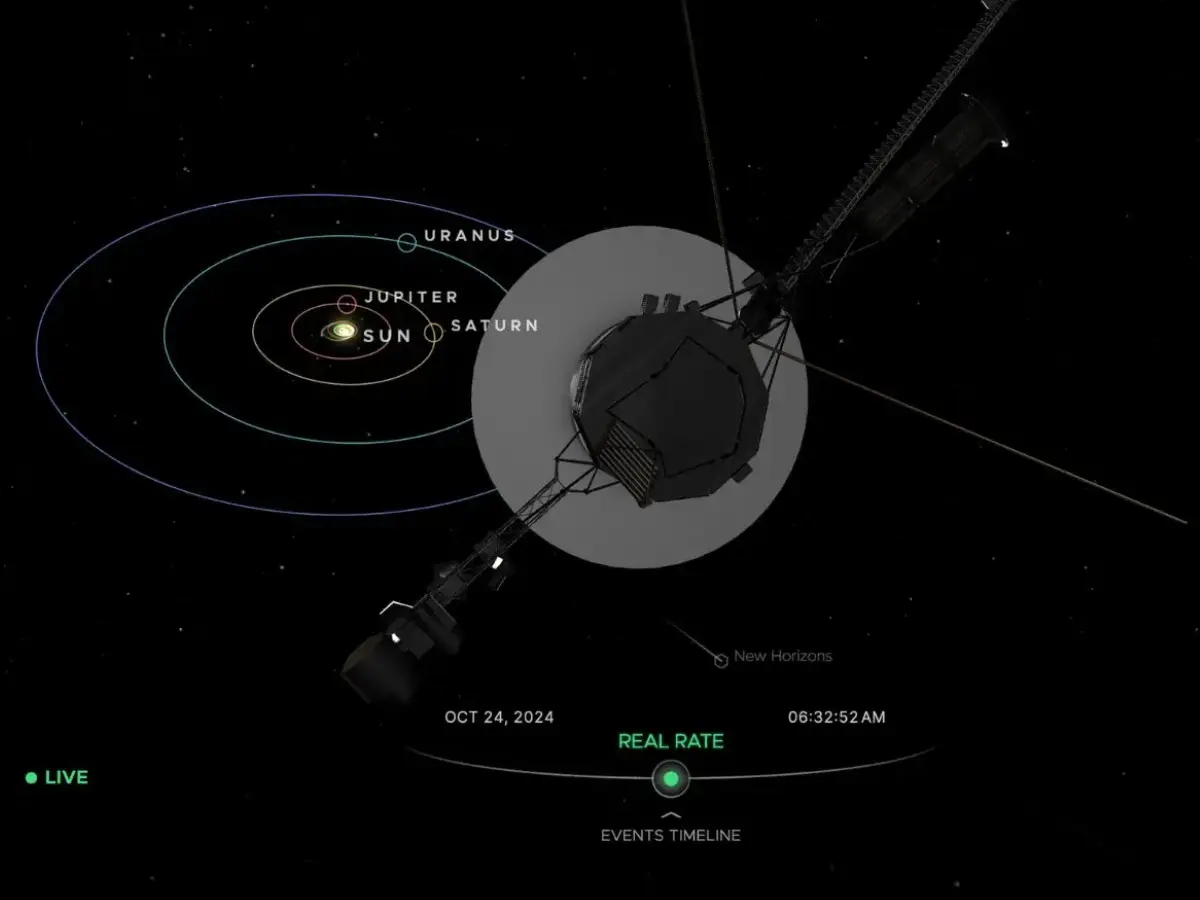
Approximately every 176 years, a Grand Tour alignment occurs in the outer solar system. This is when Jupiter, Saturn, Uranus, and Neptune come in line. NASA wanted to make sure that Voyagers 1 and 2 both reach a point near Jupiter at exactly this time to ensure their plan works.
Voyager spacecraft were to slingshot from one planet to other
The NASA engineers had planned to use the gravity assist of each planet to slingshot the Voyager spacecraft to the next planet. Only when the four planets were perfectly aligned, the slingshot method could have worked. Using the gravity of one planet, they sent the Voyager to another, but not before the spacecraft had studied the planet they were intended to.
Voyager 2 studied Jovian and Saturnian systems
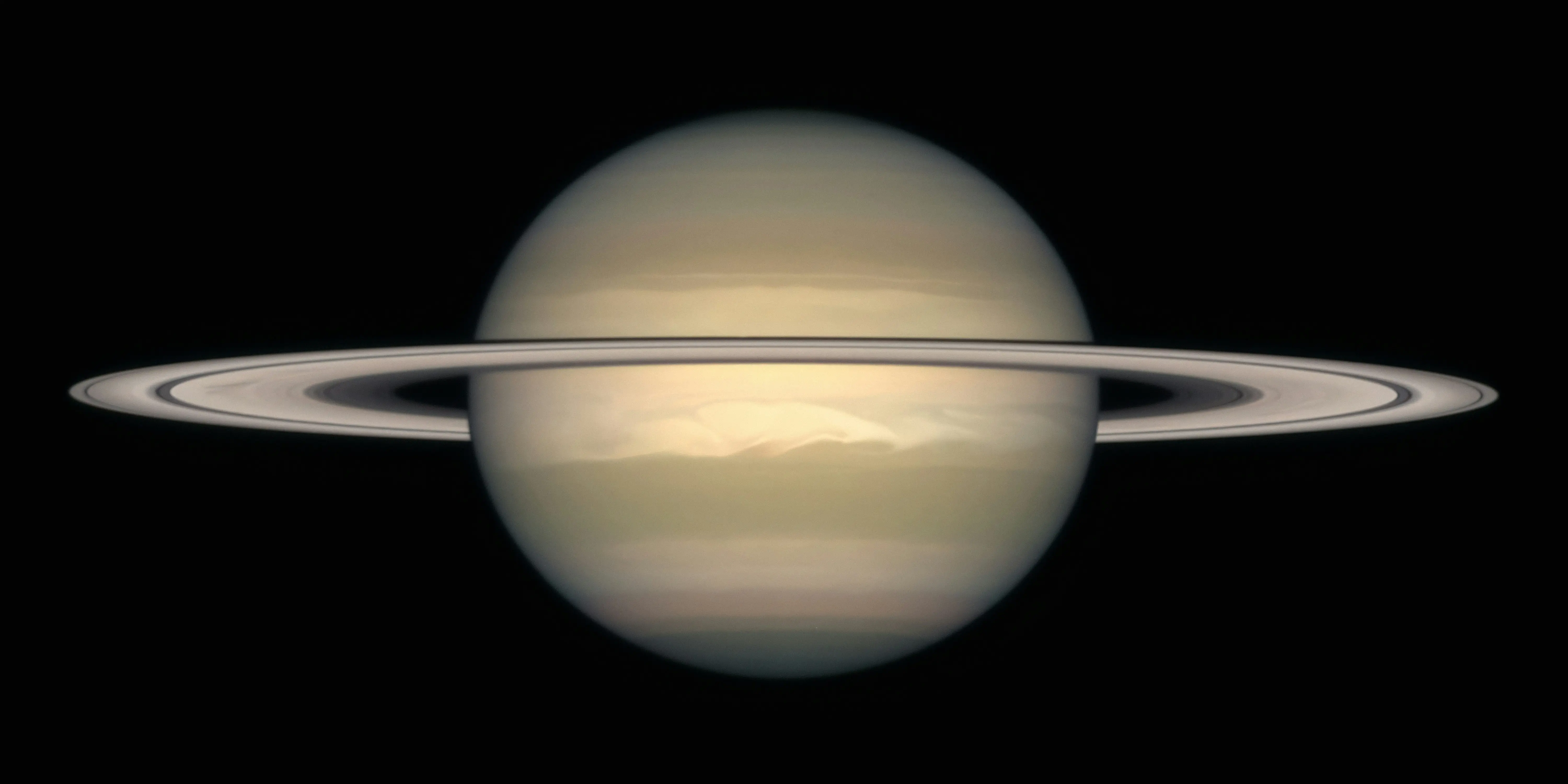
Voyager 2 was launched first and was tasked with studying Jupiter and Saturn. It reached the Jovian system in 1979 and the Saturnian system in 1981. It also managed to take a look at Uranus and Neptune, something that was only an "if" scenario. Right now, it is on an extended mission to study interstellar space. Even after 48 years, it continues to send data back to Earth. Where is Voyager 2 now? As of mid-2025, Voyager 2 is 20.8 billion kilometres from Earth.
Voyager 1 studied Jupiter's moons and Saturn's moons
Voyager 1 was launched 16 days after Voyager 2, but after three months, it overtook it. The main purpose of Voyager 1 was to fly by the outer solar system and later interstellar space, crossing the heliosphere. It reached the Jupiter system in 1979, flew by Amalthea, Europa, Ganymede and Calisto. Next came Saturn, its moons Titan, Tethys, Mimas, Enceladus, Rhea and Hyperion. Where is Voyager 1 now? At this moment, it is 25 billion kilometres from Earth.
)
)
)
)
)