Why must Israel destroy Iran’s cluster bombs above the atmosphere, or face a deadly rain of fire?

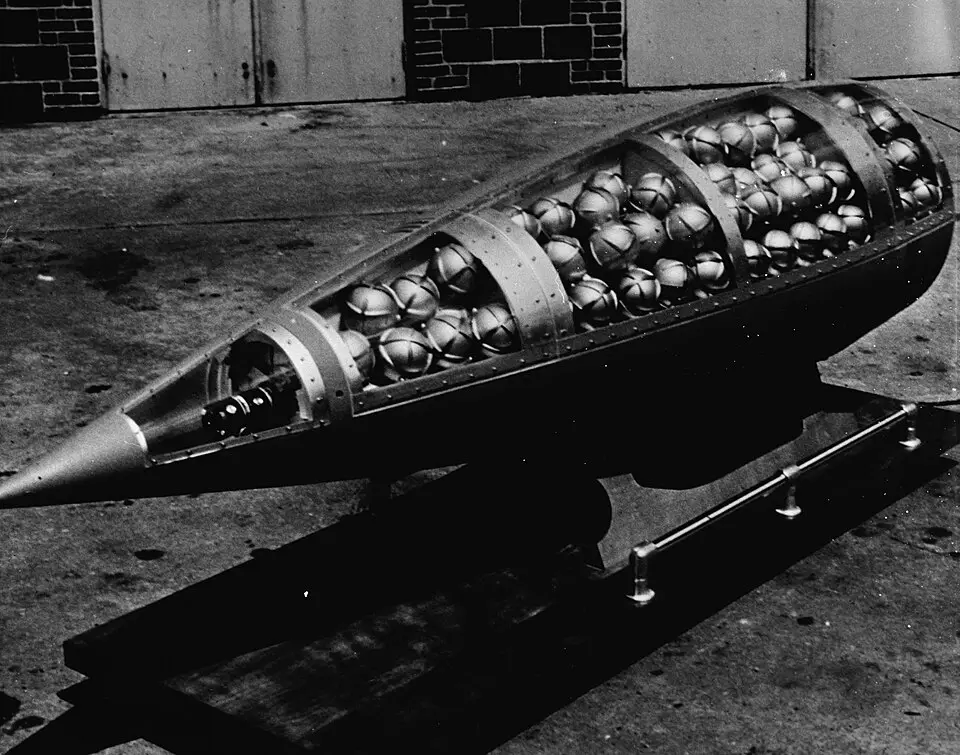
Unlike conventional warheads, cluster munitions split mid-air. These bomblets scatter across a wide area, creating dozens of separate impact sites.
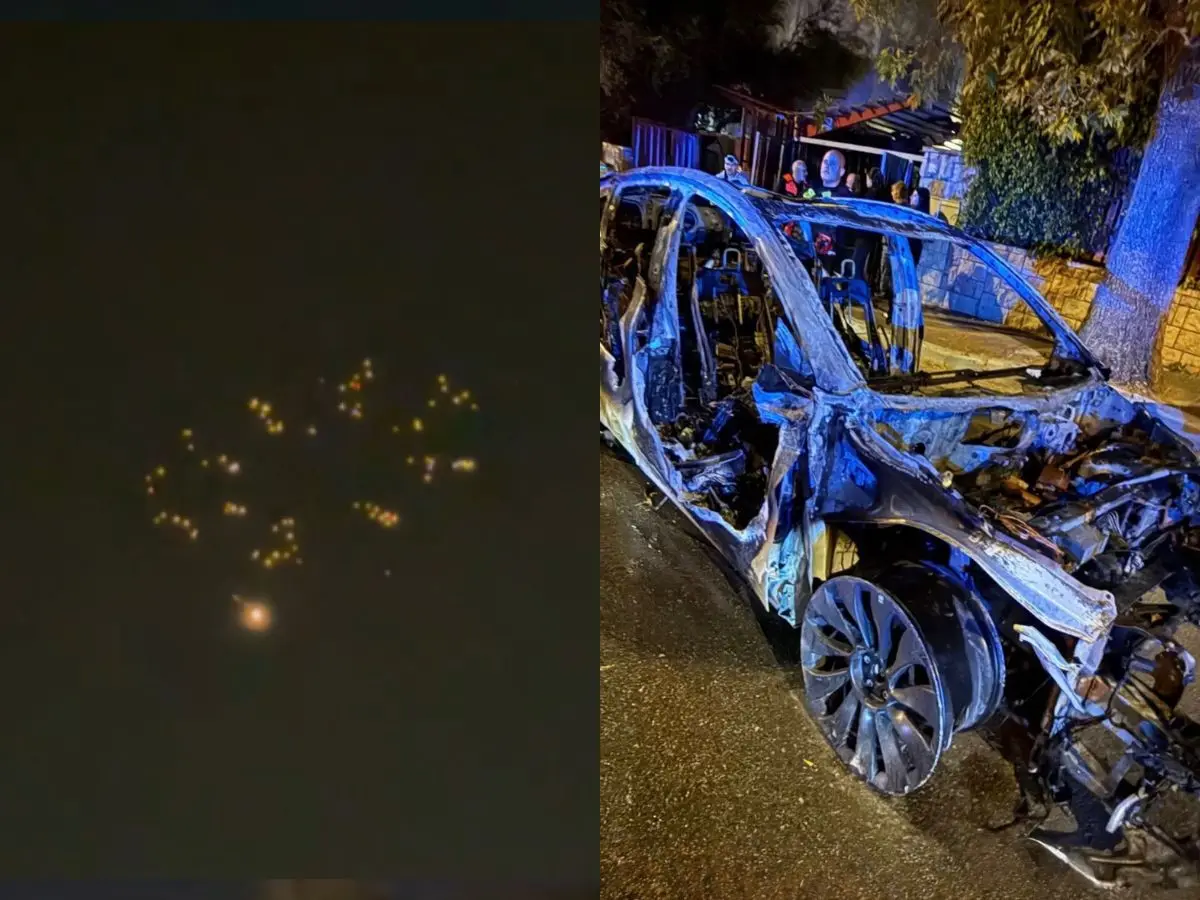
A new and dangerous phase of the conflict
Israel claims Iran has been using cluster munitions extensively during the ongoing war, adding a more complex and lethal dimension to Israel’s already-stretched air defenses. According to the Israel Defense Forces (IDF), about half of the ballistic missiles launched so far have carried cluster warheads. Iran has acknowledged their use, saying the strikes were in retaliation for the killing of its security chief, Ali Larijani. But what exactly are these weapons, why do they pose such a serious challenge for air defence systems and precisely why the interception must occur above the atmosphere?
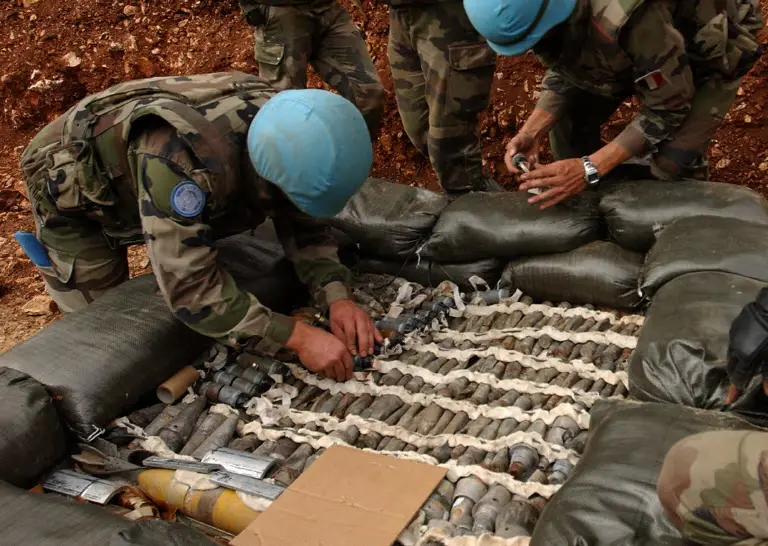
How cluster warheads multiply the threat
Unlike conventional warheads, cluster munitions split mid-air. These bomblets scatter across a wide area, creating dozens of separate impact sites. According to Reuters, Israeli military spokesperson Lieutenant Colonel Nadav Shoshani told reporters, 'Each submunition can detonate when it hits the ground or another hard surface,… its effect is similar to the explosion of a grenade- relatively limited local damage but highly dangerous to anyone nearby”.
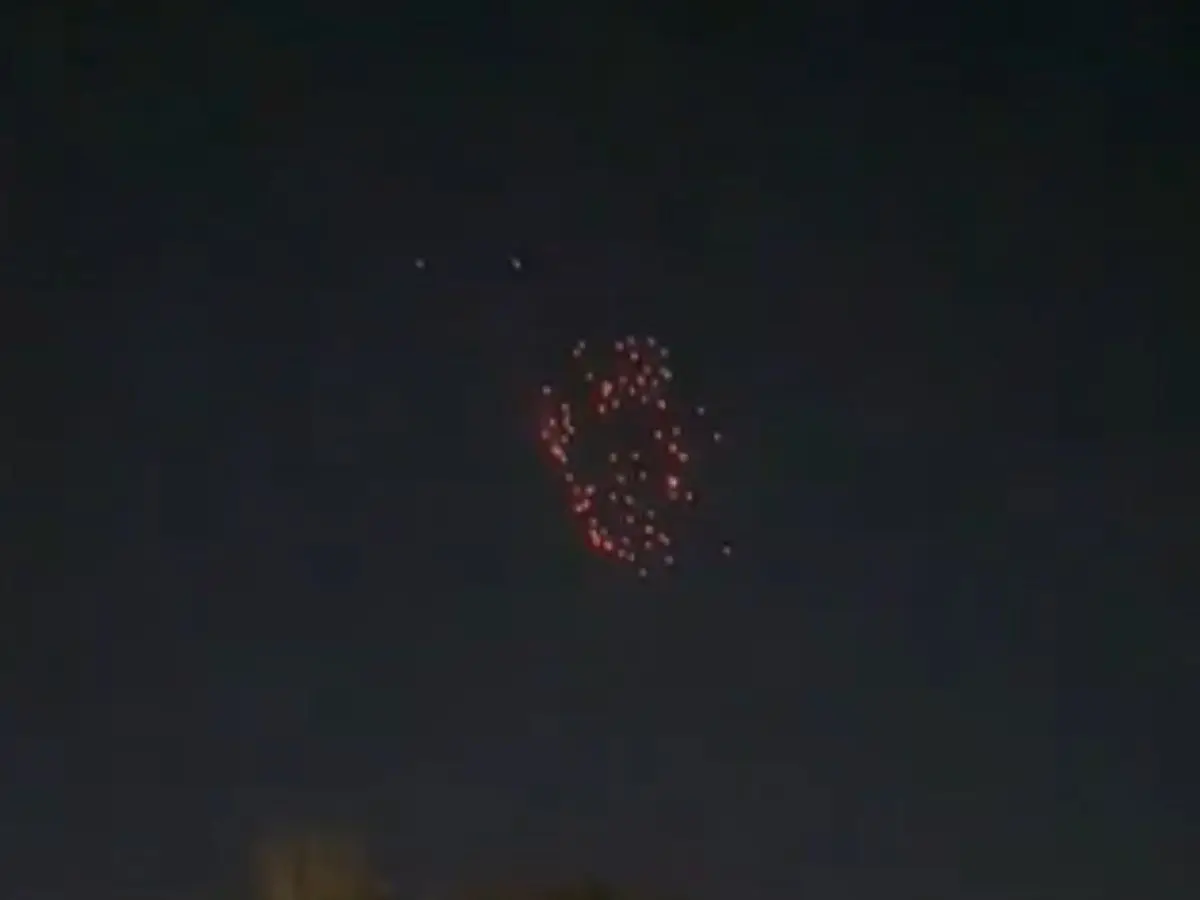
Why Interception Must Occur Above the Atmosphere
Israel’s Arrow-3 missile defence system is designed precisely for this challenge: intercepting threats in space before re-entry. Yehoshua Kalisky, a senior researcher at Israel’s Institute for National Security Studies, explained Reuters: “They must be intercepted above the atmosphere as far as possible… because once the cluster bombs are released, you cannot intercept them.” This is not tactical preference but necessity; failure to intercept early transforms a single missile into dozens of uncontrollable threats.
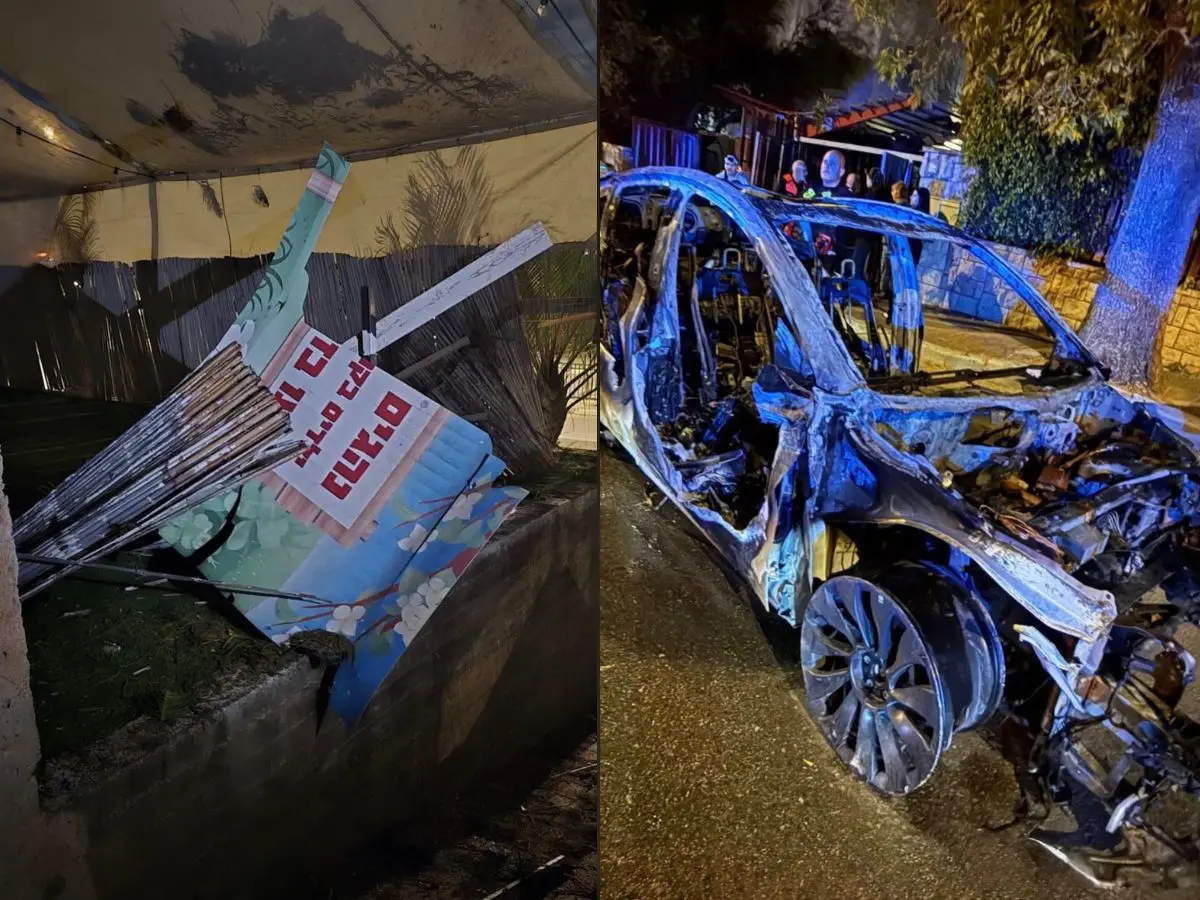
A ‘Rain of Fire’ on Civilian Areas
Once released, submunitions create multiple impact zones, often across populated regions. At altitudes of 7–10 kilometres, a single missile can release around 24 submunitions, each carrying 2–5 kilograms of explosives. One missile can generate dozens of explosions across a city, overwhelming emergency response and increasing civilian casualties.
Indiscriminate and lingering danger
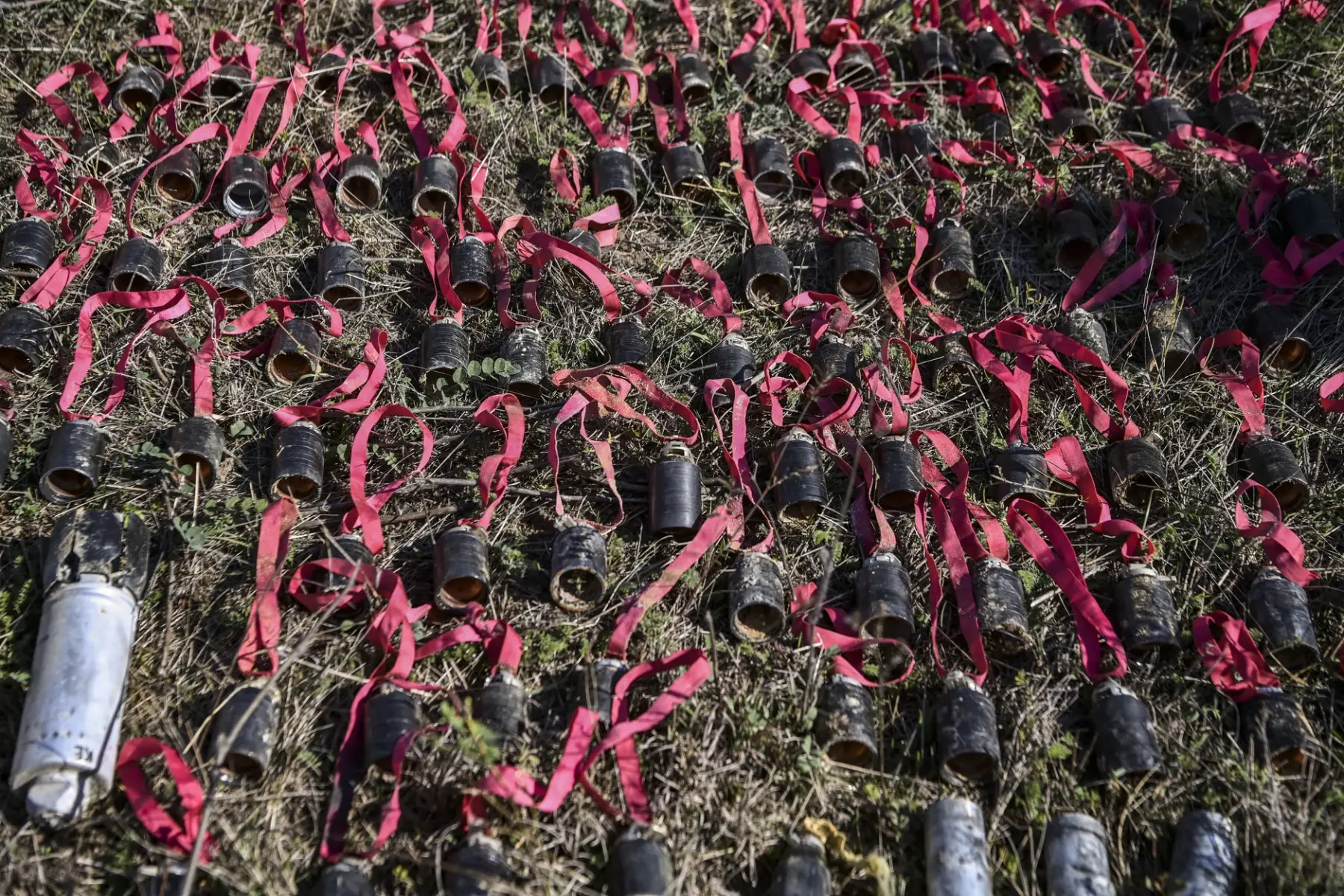
Cluster bombs are widely criticised for their indiscriminate impact. Bomblets can cover areas ranging from several hundred metres to kilometres, often missing intended targets. Many fail to detonate immediately, remaining as unexploded ordnance that can later act like landmines, posing a bigger risk to civilians.
A weapon widely condemned, yet still used
More than 120 countries have signed agreements prohibiting the use of cluster munitions, citing their severe and long-term humanitarian consequences. However, several key military powers, including Iran and Israel, are not signatories to these conventions. According to the Associated Press, Israel is not currently deploying cluster munitions.
)
)
)
)
)