Why modern fighter jets don’t use straight wings anymore

Straight wings were once a jet-age standard but are now replaced by swept and delta designs better suited for stealth and supersonic speeds. Advances in materials, engines, and stealth reshaped the future of fighter flight.
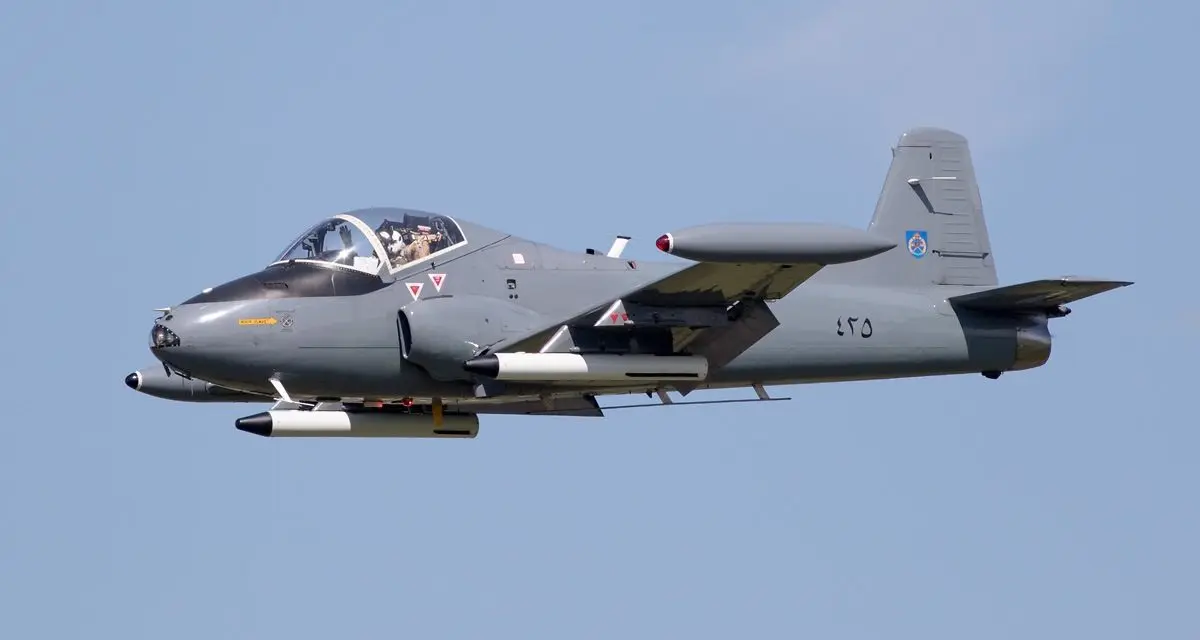
The Straight Wing Era - Early Jet Age Simplicity
In the early 1950s, straight wings were common in jets like the Gloster Meteor and MiG-15 prototypes, offering stability and simple airflow management. Straight wings generate strong lift at low speeds, essential during take-offs and landings. But as aircraft began flying faster, engineers noticed a sharp drag increase near the speed of sound, known as transonic drag.
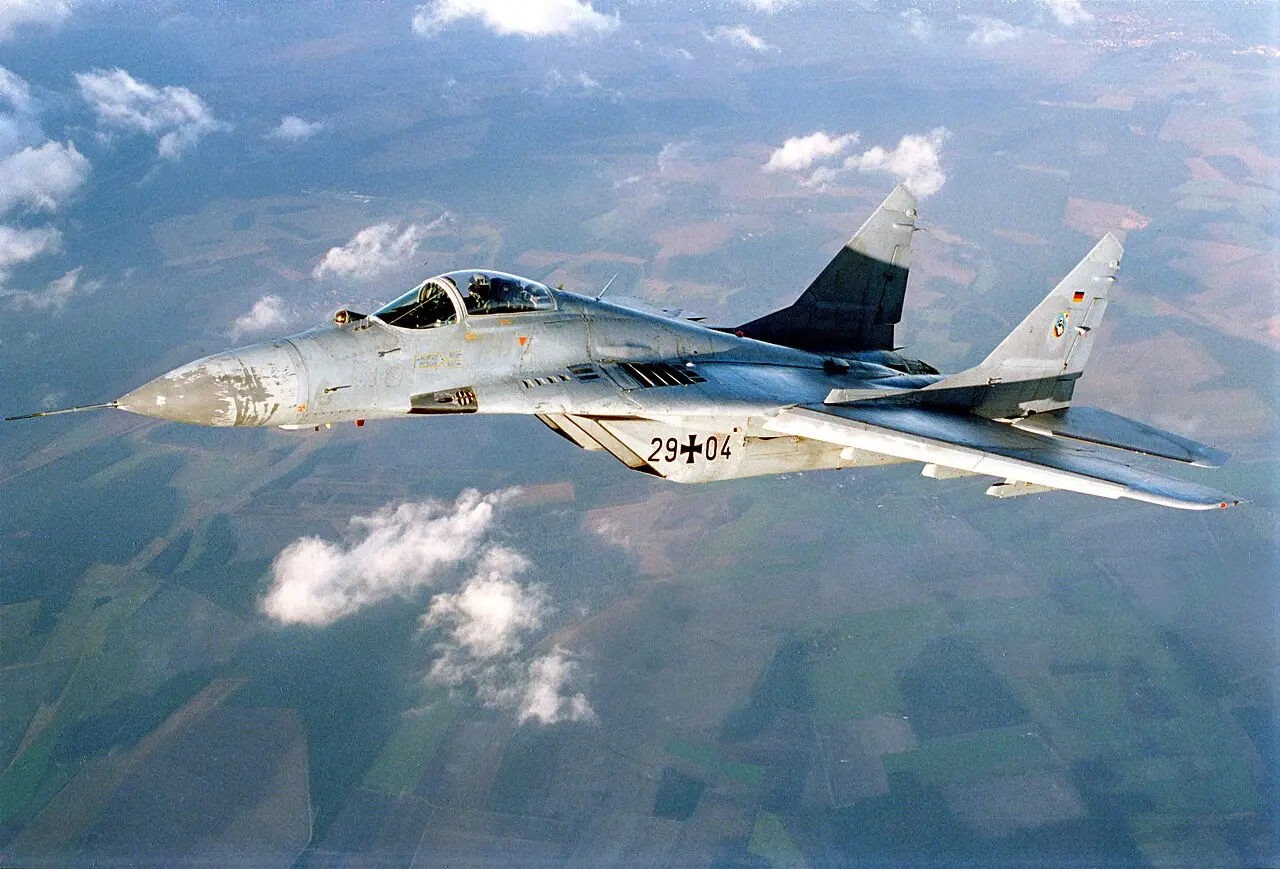
Swept and Delta Wings Reduce Shock Wave Drag
According to NASA supersonic aerodynamics studies, as aircraft approach Mach 1, shock waves form along the wings. Swept-back and delta wings redirect airflow, delaying shock wave formation and reducing drag. This allows jets like the F-16 and MiG-29 to maintain speed and control at transonic and supersonic levels something straight wings cannot do efficiently.
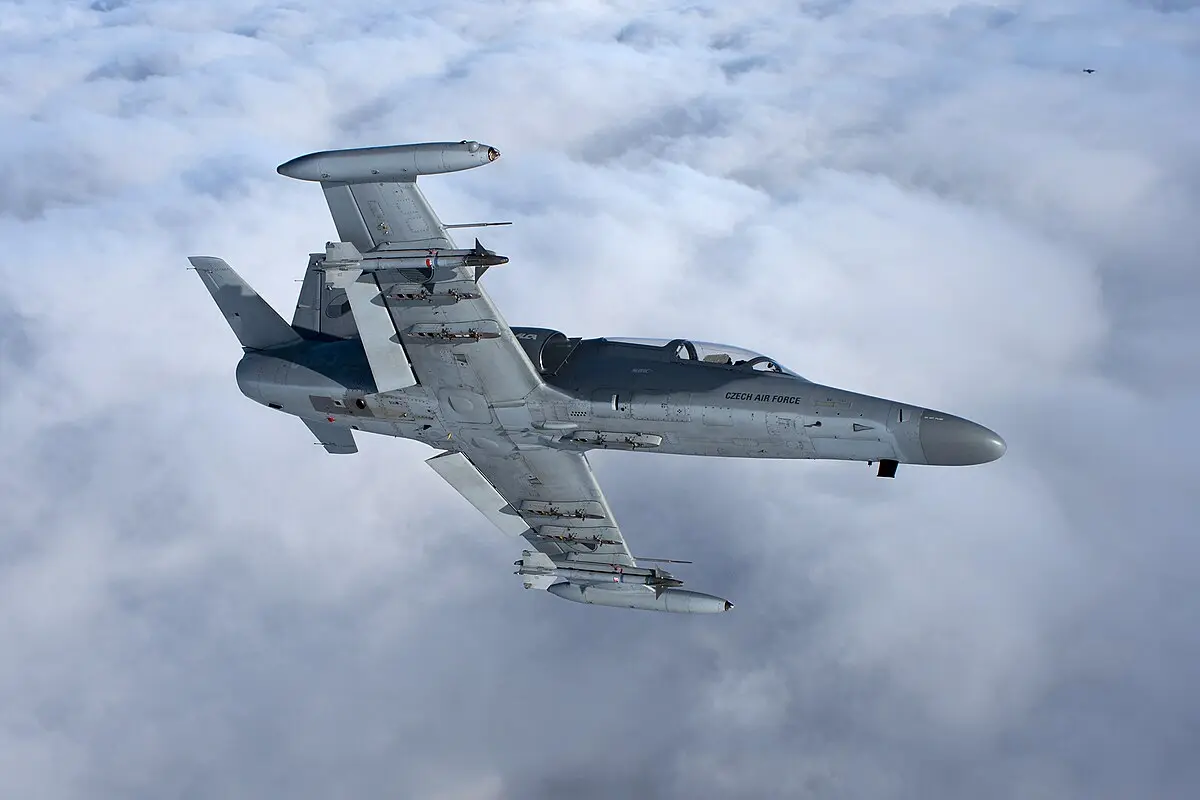
Efficiency vs Speed - The Design Compromise
Straight wings are ideal for slower aircraft, including propeller planes and turboprops, that fly below 800 km/h. Fighter jets, which regularly exceed Mach 1, need designs optimised for supersonic efficiency. Swept and delta wings trade a small loss of low-speed efficiency for massive aerodynamic gains at higher speeds, making them suited to both combat agility and high-altitude cruising.
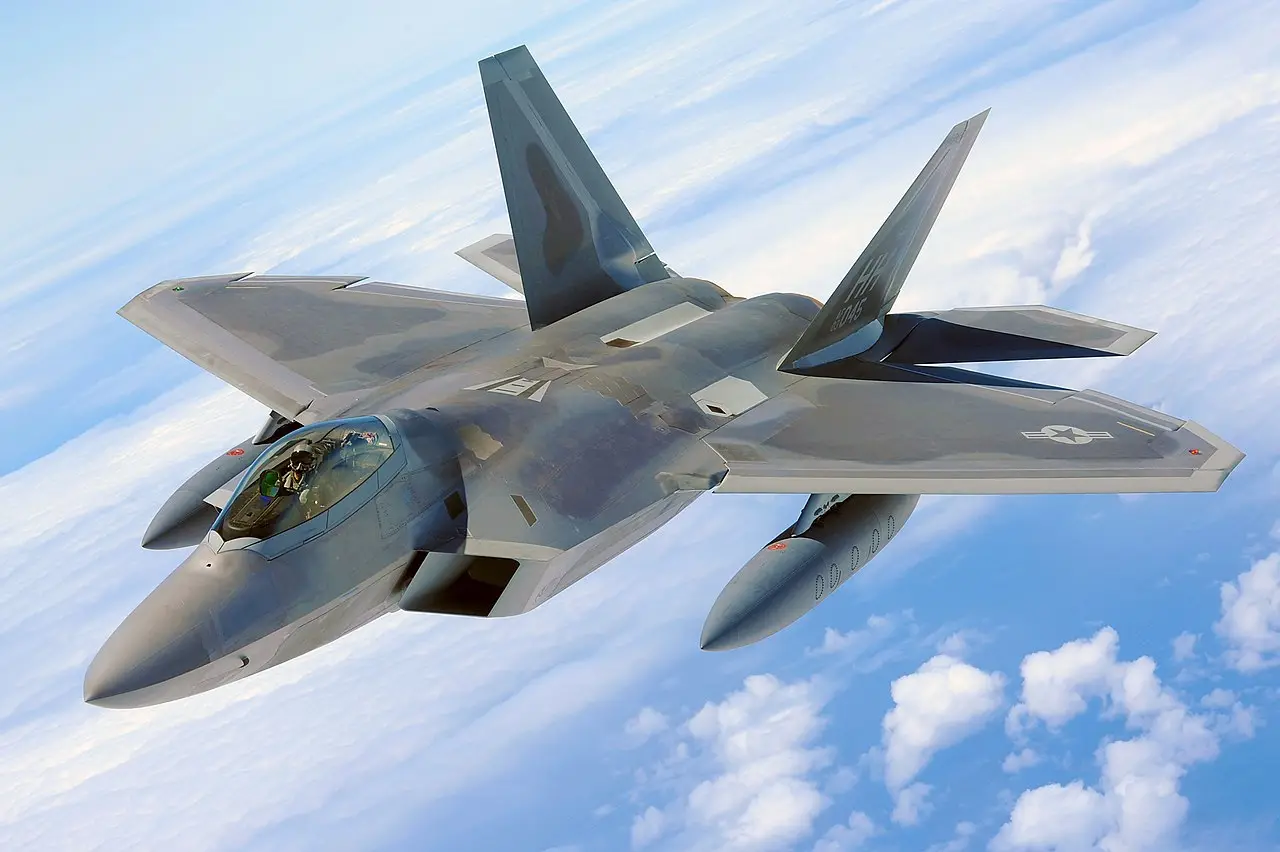
Modern Stealth Requirements
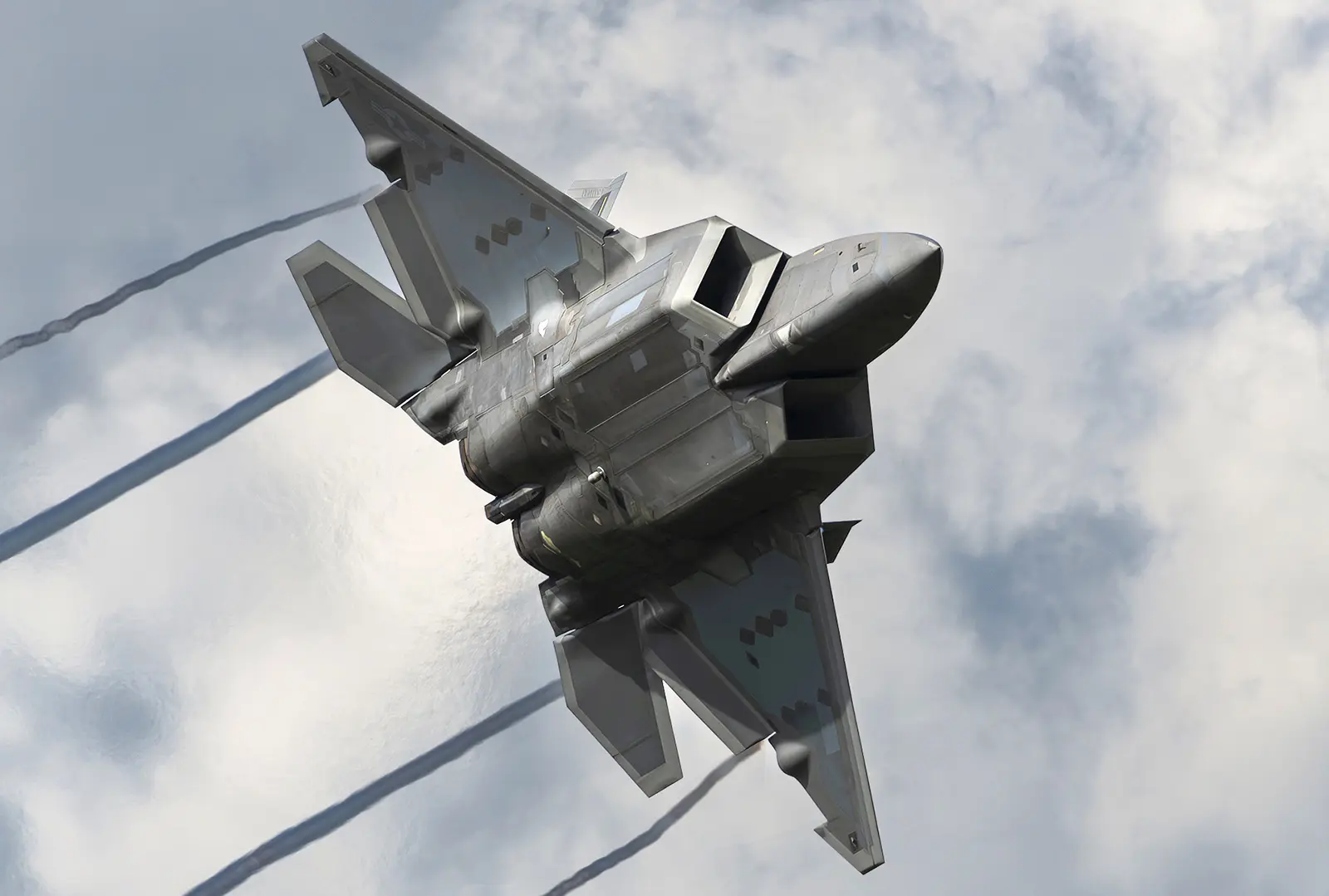
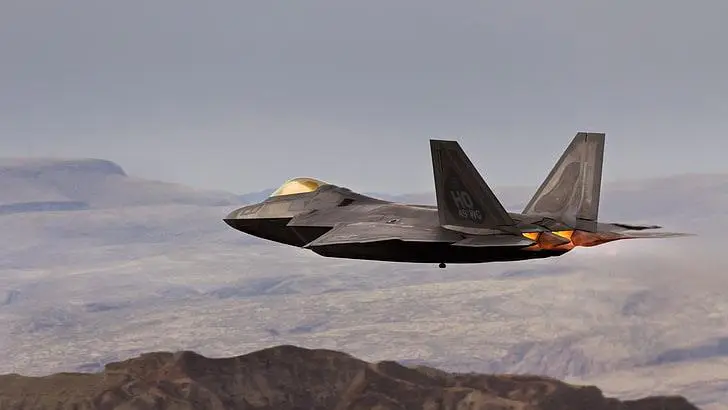
Stealth technology has made straight wings obsolete. According to a 2023 Defence Aviation Review, straight wings sharply reflect radar waves, increasing radar cross-section (RCS). Stealth fighters like the F-22 and F-35 use angled edges, smooth surfaces, and blended wings to scatter radar signals. Variable or moving wings, once used in the F-14 Tomcat, were also abandoned because they compromise stealth and add unnecessary weight.
Material and Engine Advancements
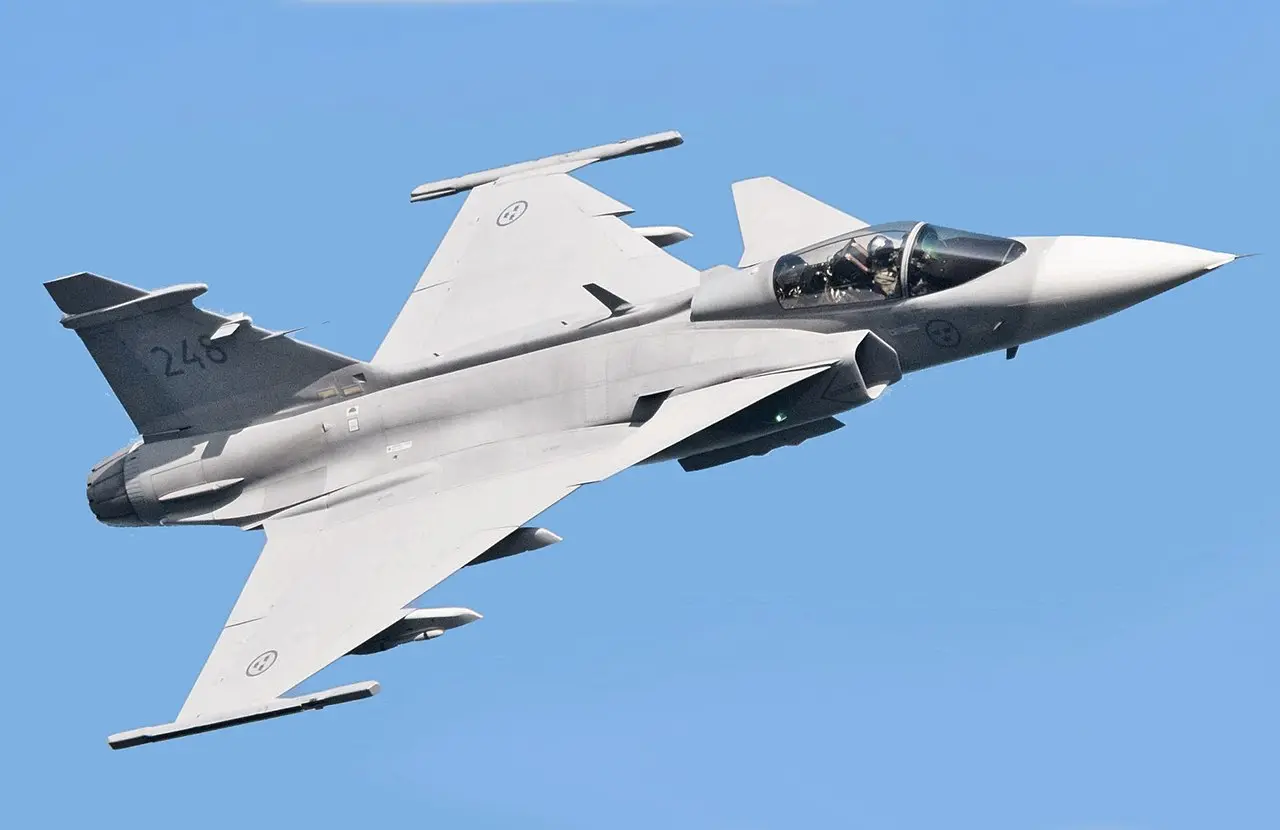
Modern turbofan engines produce greater thrust and fuel efficiency, removing the need for variable geometry wings to manage lift. Lightweight alloys and carbon composites allow thinner, stronger wings with optimised aerodynamic shaping. These improvements give jets like the Rafale and Gripen wide speed ranges without complex wing mechanisms.
Manoeuvrability and Control at High Speeds
Straight wings create strong drag and reduced control at supersonic speeds. Swept and delta wings offer smoother airflow during turns and climbs. Delta designs, such as that used on the Mirage III and Eurofighter Typhoon, generate vortex lift at high angles of attack, enabling stable manoeuvres even in extreme airflows a critical advantage in aerial combat.
The Future - Hybrid and Adaptive Wing Designs
Future fighters like the Tempest (UK) and FCAS (Europe) are expected to use adaptive wing structures with real-time shape adjustments using AI-assisted control. Engineers are combining features of swept, delta, and blended wings to achieve a balance of stealth, lift, and speed. Straight wings likely won’t return, but their legacy continues in slower, efficient aircraft like transport and surveillance planes.
)
)
)
)
)