Why militaries are turning to laser-based directed-energy weapons to counter drone swarms: 5 key advantages

As drone swarms proliferate and traditional air defences struggle with cost and response time, militaries are continuously reassessing how threats can be neutralised.
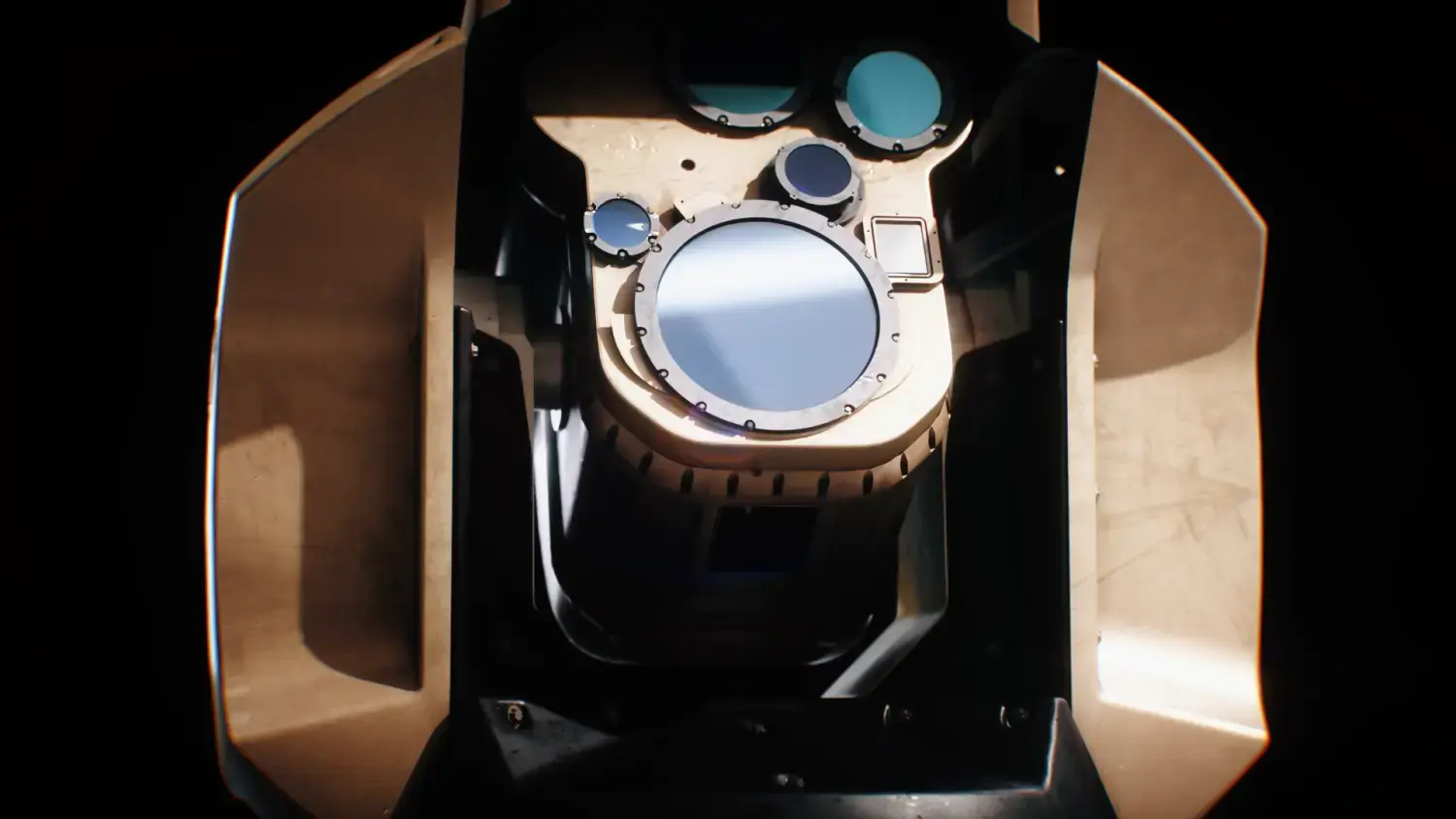
Light as a Weapon of Choice
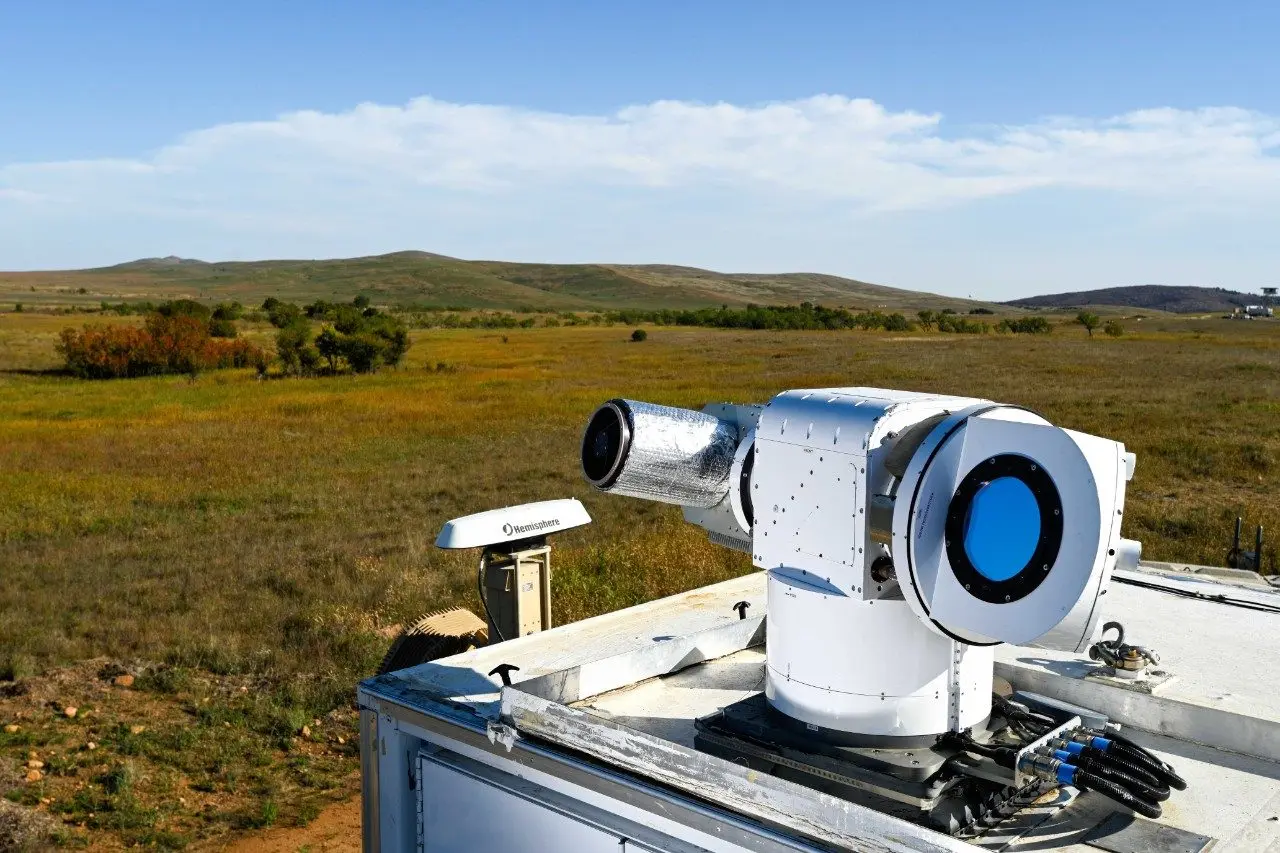
From naval decks in open seas to the arid test ranges and coastal proving grounds, laser-based directed-energy weapons (DEWs) are moving from experimentation to operational relevance. These systems use focused energy to damage or destroy targets, and are non-kinetic, thus offering great advantages over kinetic weapons in speed, precision and construction. As drone swarms proliferate and traditional air defences struggle with cost and response time, militaries are continuously reassessing how threats can be neutralised. Lasers are no longer seen as futuristic concepts, but practical tools reshaping battlefield economics and tactics. Here are 5 major advantages of these advanced systems:
1. Precision and Controlled Effects
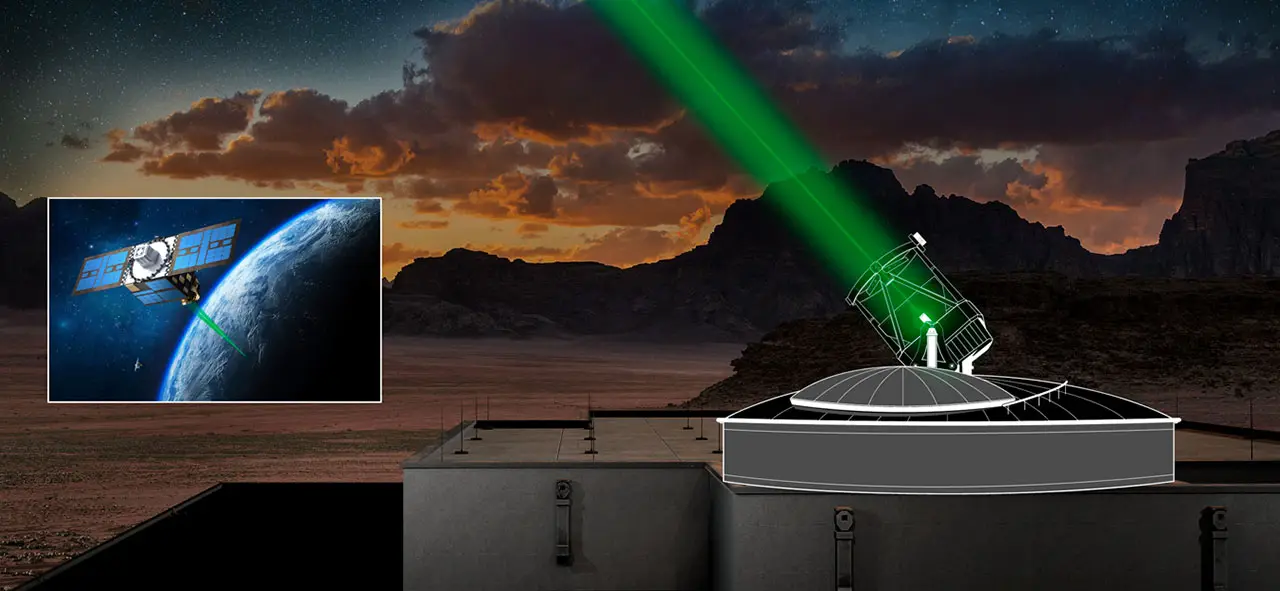
One of the defining advantages of laser weapons is precision. According to official US defence sources, a laser has a near-perfectly straight trajectory, unlike the arc of an artillery round, which allows the laser to be much more accurate in finding its target. DEWs can be focused on specific components of an incoming threat, such as sensors, propulsion systems or control surfaces, rather than destroying the entire platform. The power of the beam can be adjusted for any material, he said. There's even a non-lethal adjustment for human targets.
2. Speed-of-Light Engagement
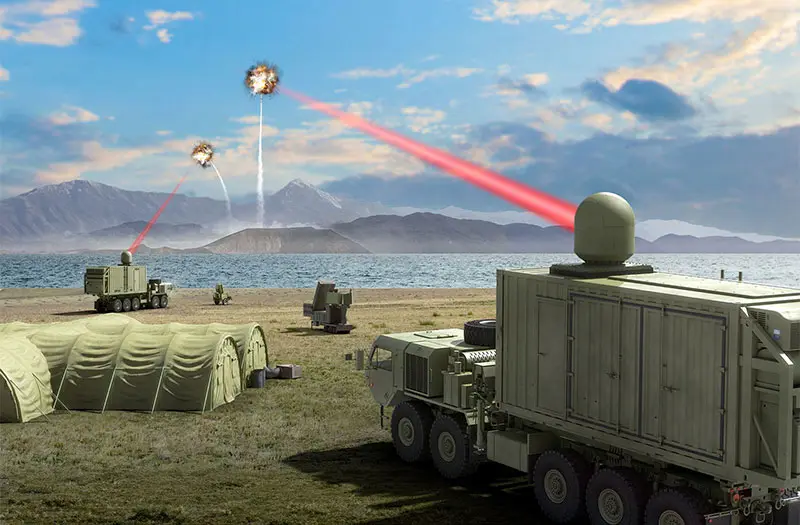
Laser weapons engage targets at the speed of light. A directed-energy beam, unlike any missiles or gun systems that require lead calculations and flight time, reaches its target instantly once fired. This ability of the weapon systems, could allow operators to counter fast-moving drones and manoeuvring threats in real time, even when multiple targets appear simultaneously.
3. Cost and Sustained Firepower
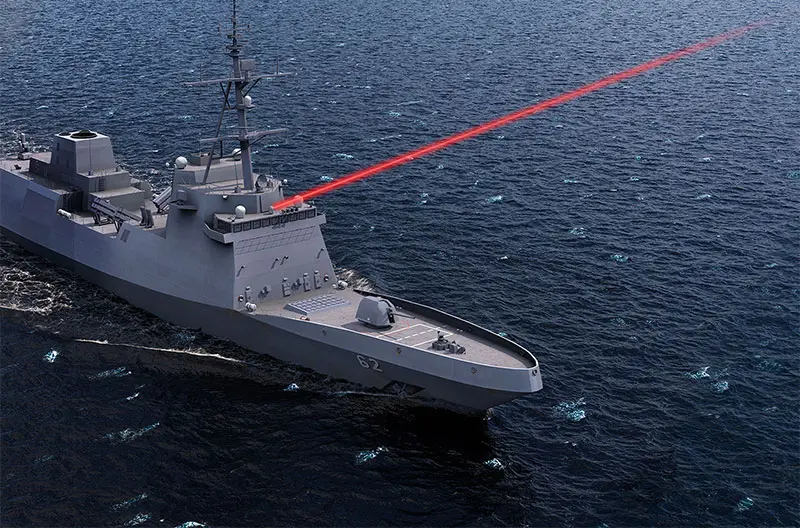
Traditional interceptors are expensive and finite. In contrast, official industry data from Lockheed Martin, Rafael and General Atomics notes that laser weapons only need electrical power to operate. This dramatically reduces cost per engagement, even removing the logistical burden of transporting and storing ammunition. As long as power and cooling are available, a laser system can continue firing without reloading. According to Lockheed Martin's release, "Responding to several hundred inexpensive drones with our costliest missiles is not a sustainable strategy," it also adds, “As long as you have power, you can shoot—that’s a critical capability.”

4. Countering Drone Swarms
Drone swarms represent one of the most pressing challenges for modern militaries. It seems laser weapons are uniquely suited to this role. DEWs can rapidly switch between targets, disabling multiple drones in succession without the need for explosive interceptors. This makes them particularly effective against low-cost, mass-produced aerial threats.
5. Stealth and Battlefield Discretion
Another advantage often overlooked is stealth. Laser weapons operate silently and without visible explosions. According to US Department of War, "On the plus side, lasers are silent and invisible to the human eye and are thus hard to detect by the enemy, Ketner said." This feature allows forces to engage threats without revealing the actual positions through sound or blast signatures, preserving tactical concealment in sensitive operations.

A Shift Driven by Necessity
There are several countries carefully progressing towards making their mark in the DEW programme. Currently Israel's Iron beam, US's HELOS systems and UK's Dragonfire lead in the game. India is also continuously testing and developing it's indigenous systems like Mk-II(A) and DURGA-2 laser weapon systems.
)
)
)
)
)