Why mechanics wear soft cloth booties when working on the F-22 fighter jet

F-22 mechanics wear soft cloth booties to prevent hard combat boots from scratching fragile radar-absorbing skin. This simple protocol preserves stealth and prevents costly hangar repairs.
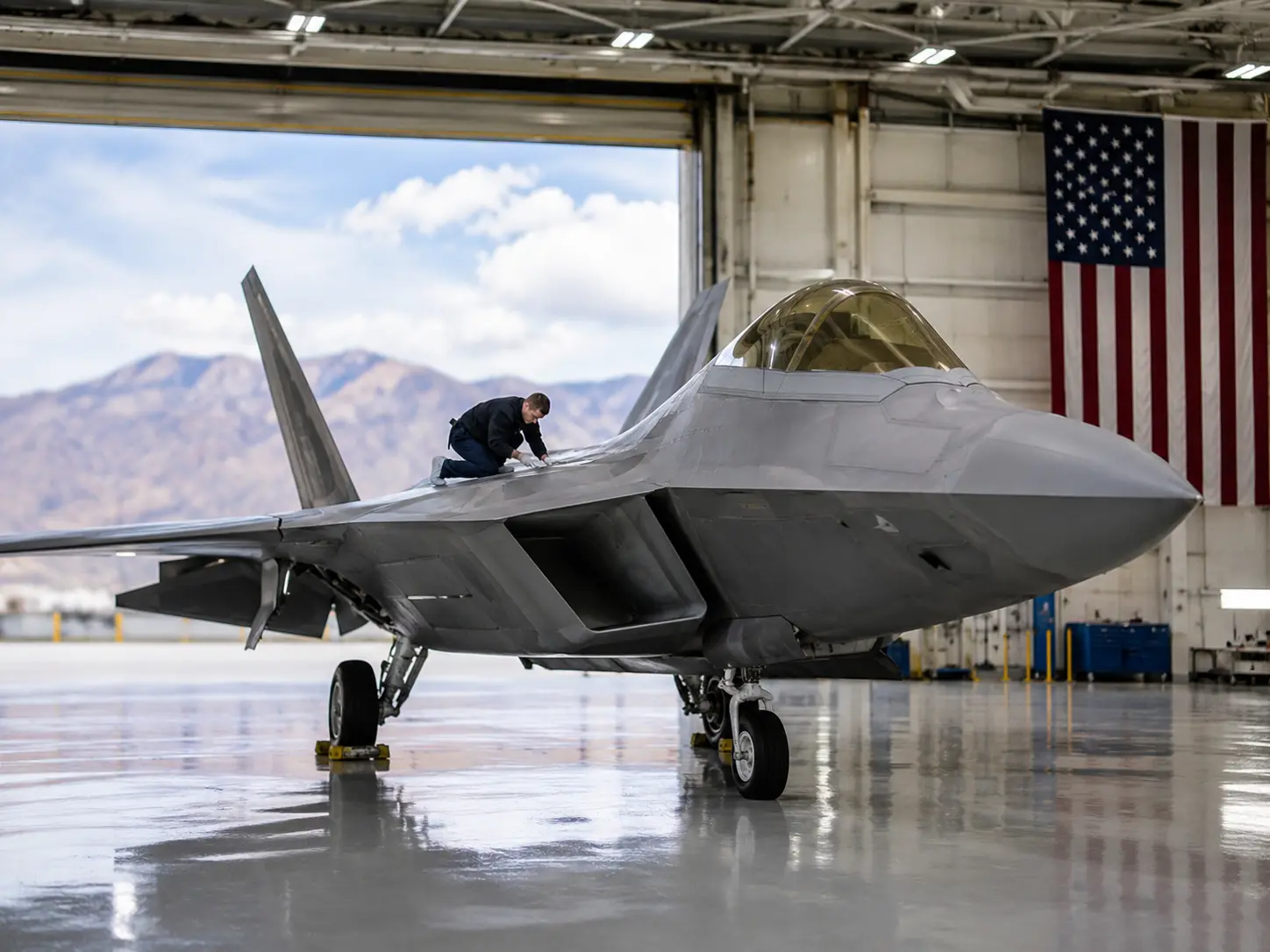
Protecting Fragile Stealth Skin
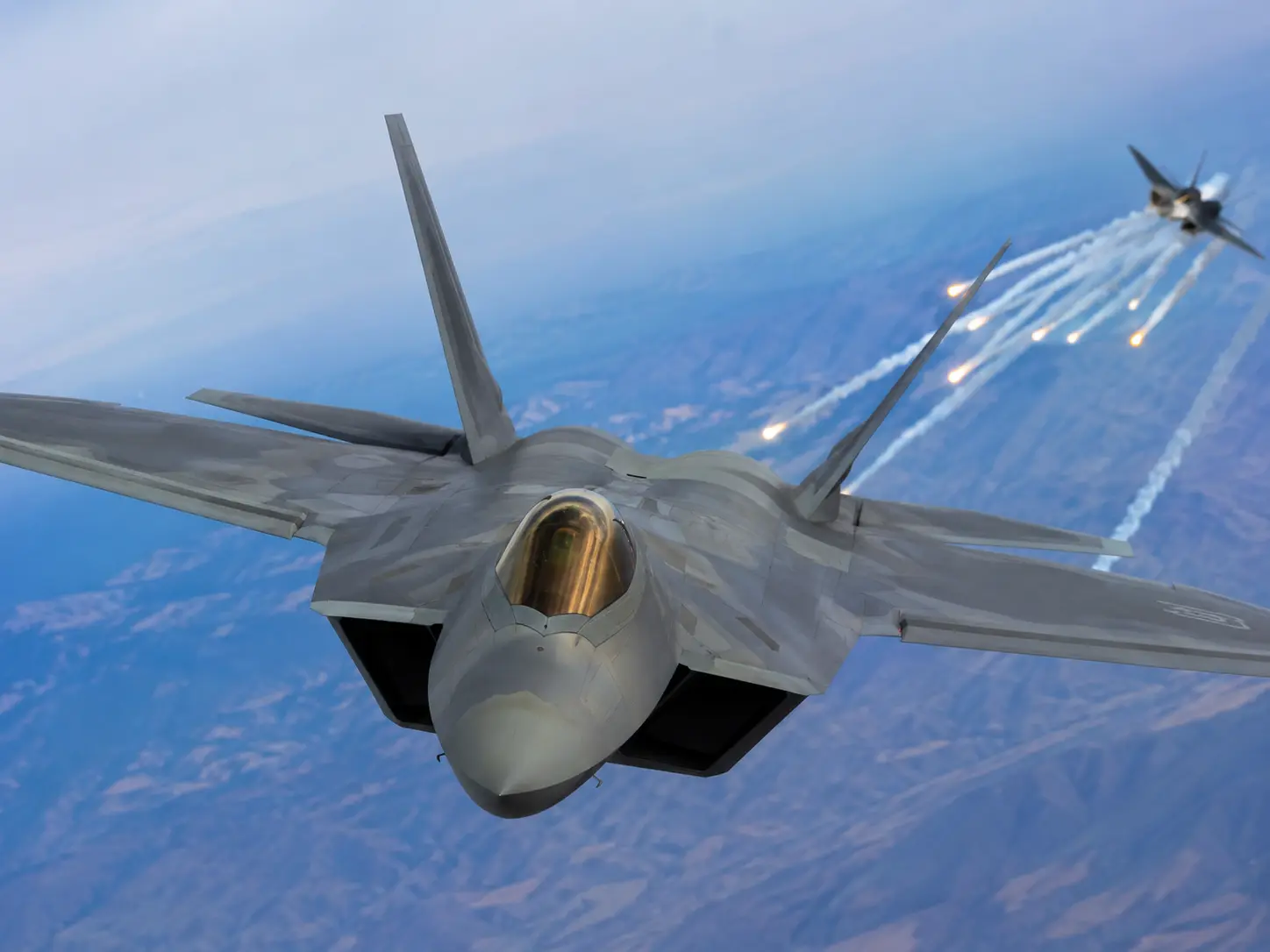
The F-22 Raptor is covered in a specialised radar-absorbing material that reduces its radar signature to the size of a bumblebee. This composite topcoat is exceptionally delicate and easily damaged by friction or blunt impact. Mechanics wear soft cloth booties to ensure their heavy footwear never directly grinds against the sensitive aircraft exterior.
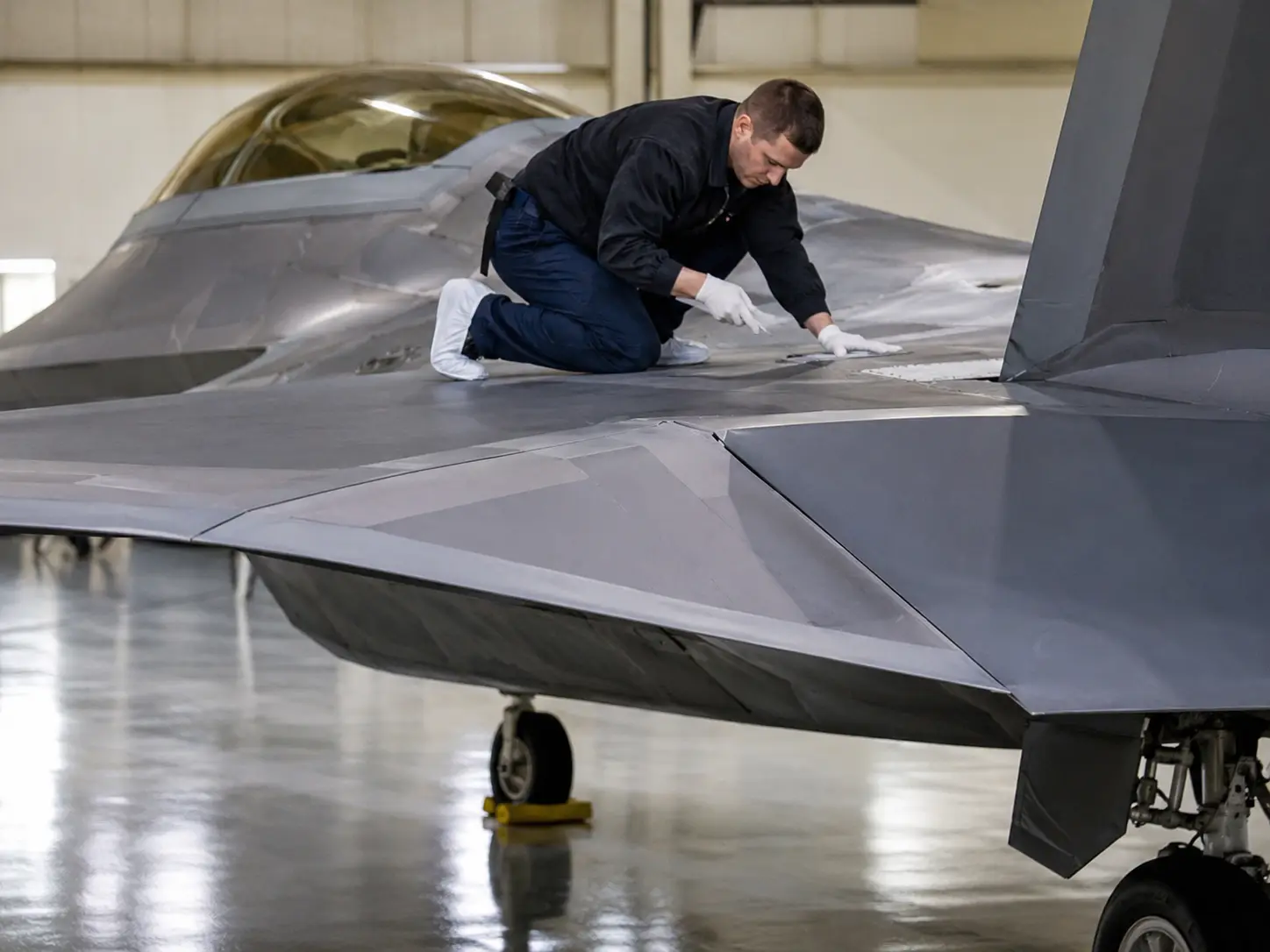
Preventing Microscopic Radar Scratches
Standard military combat boots feature thick rubber lugs that routinely trap small pebbles, dirt, and abrasive runway grit. If a technician walks across the wing with exposed soles, these trapped stones gouge the stealth coating. Even a millimetre-deep scratch can act as a beacon, reflecting hostile radar signals back to enemy tracking screens.
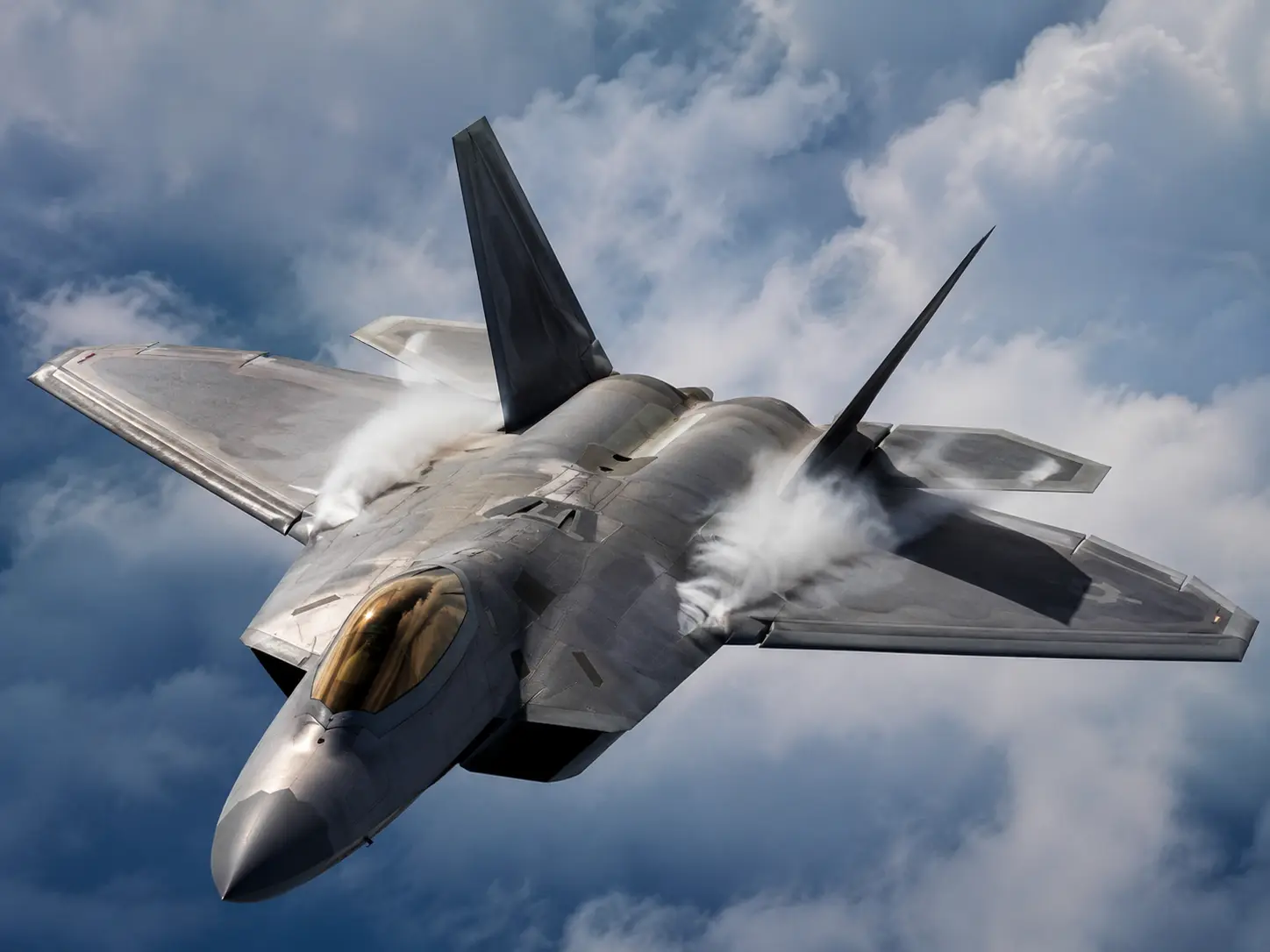
Avoiding Costly Skin Repairs
Repairing damaged stealth skin is one of the most expensive and time-consuming tasks in modern aviation maintenance. A single gouge requires technicians to strip the area, apply chemical putty, and bake the fresh coating under heating lamps. Wearing low-cost protective overshoes saves thousands of dollars in polymer materials and keeps the fighter operational.
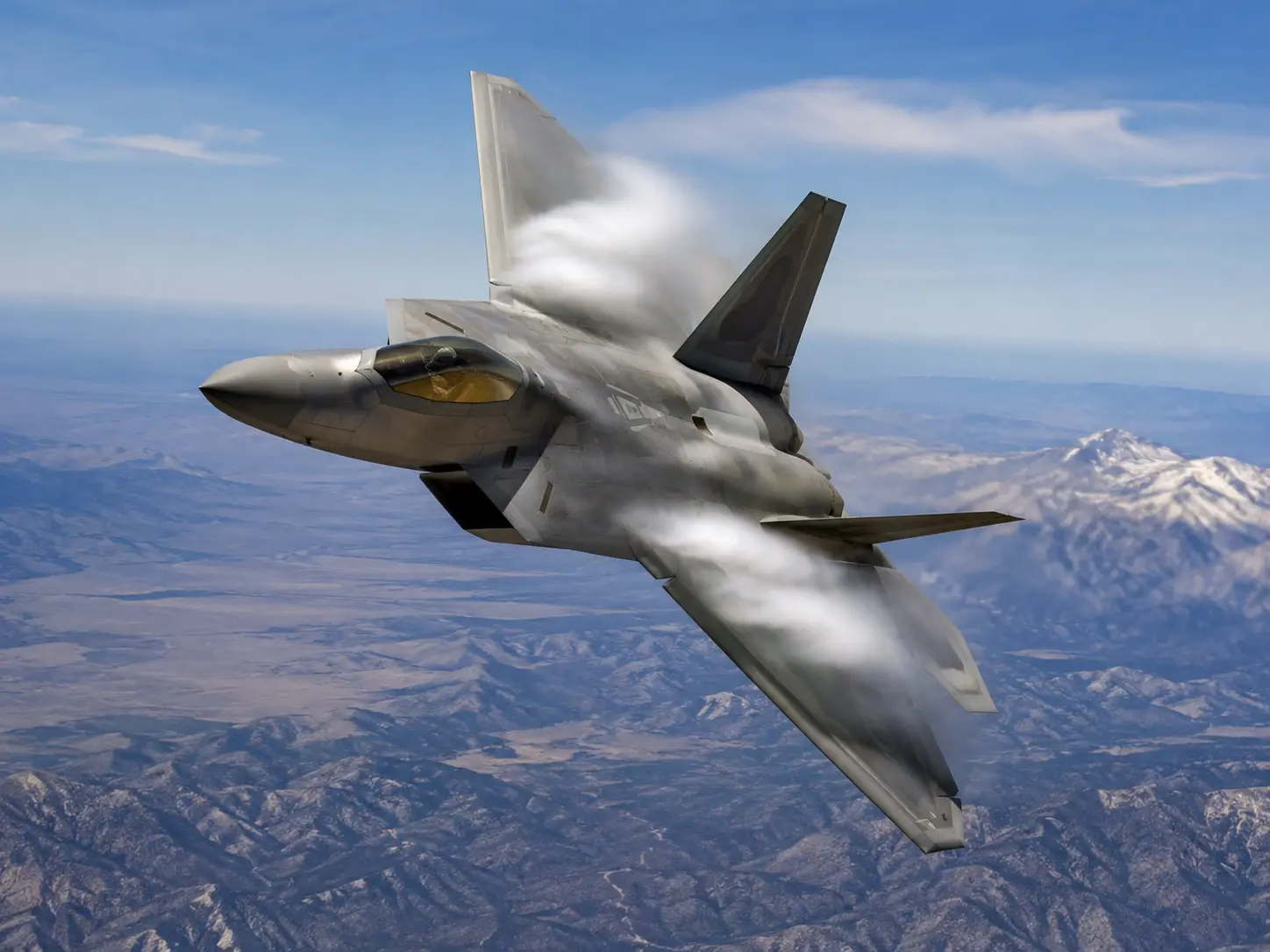
Reducing Hangar Downtime Hours
Maintaining the exterior stealth coating accounts for nearly half of all surface maintenance hours required by the fighter fleet. Every hour spent curing freshly repaired skin inside climate-controlled hangars keeps the combat jet grounded. Soft booties act as a preventative barrier, drastically cutting down on unplanned surface restoration work between tactical flying missions.
Protecting Flush Fastener Seams
The composite skin of the F-22 is secured by thousands of countersunk titanium screws, each covered with delicate radar-absorbing tape to keep the surface flush. When technicians climb onto the wings, a hard boot heel pivoting on these joints easily shears the tape. Soft overshoes allow ground crews to move across the airframe without breaking these vital stealth seals.
)
)
)
)
)