Why managing your car’s battery is very similar to managing your iPhone’s battery

Battery management systems (BMS) play a crucial role in extending battery life in both electric cars and smartphones. EV BMS systems regulate temperature, limit charging rates, balance individual cells, and manage regenerative braking.
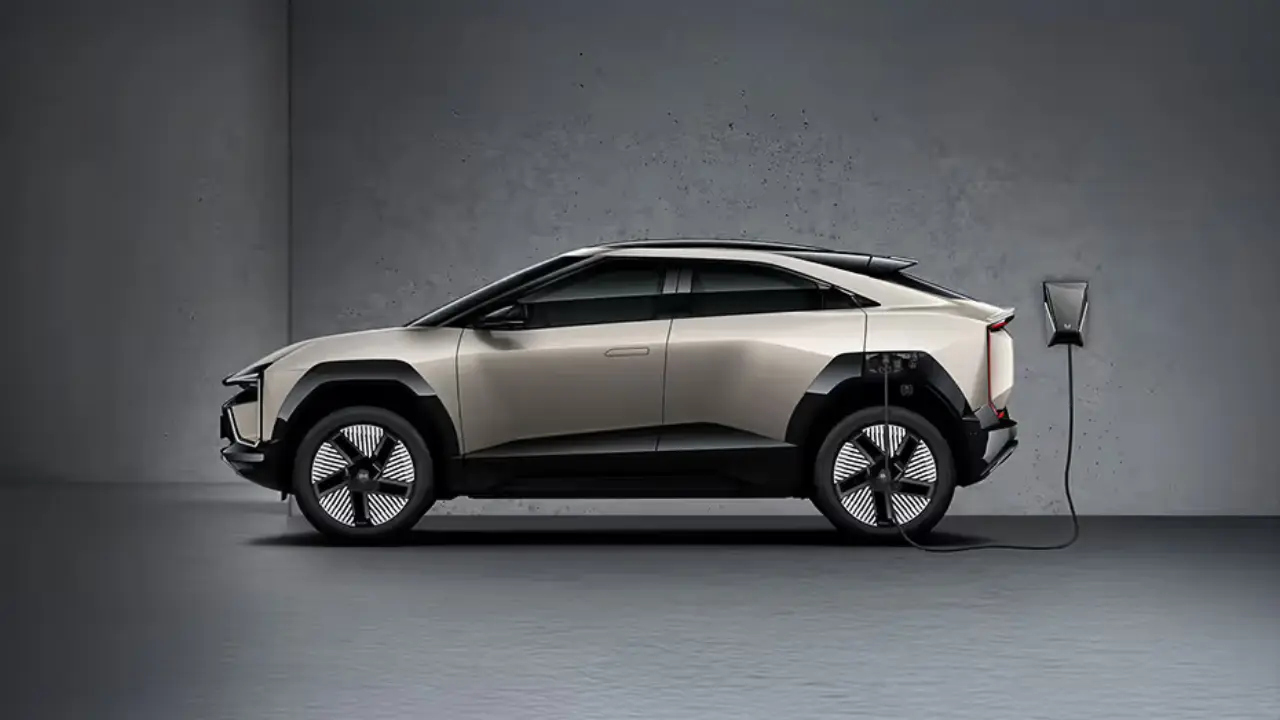
1. Both Use Lithium-Ion Batteries With the Same Chemical Principles
Electric cars and iPhones both rely on lithium-ion batteries, which store and release energy through the movement of lithium ions between electrodes. The chemistry is identical regardless of size, meaning both batteries experience similar degradation factors such as heat, voltage stress, and repeated charge cycles. Because the underlying chemical structure behaves the same, the rules that protect a smartphone battery also apply to an electric car battery.

2. AC and DC Charging Affect Battery Health in a Similar Way
Smartphones charge through slower AC charging and high-watt fast charging, while EVs use slow AC home charging and high-power DC fast charging. In both cases, slower AC charging generates less heat and keeps voltage levels moderate, which reduces long-term wear. High-speed DC charging, whether in an EV or a phone, raises battery temperature and exposes cells to higher voltage levels. This stress accelerates chemical aging. This is why both EV makers and phone manufacturers recommend fast charging only when necessary, not as the default method.

3. Both Slow Down Charging After Around 80 per cent to Protect the Battery
Lithium-ion batteries charge quickly up to approximately 70–80 per cent because the cells can accept energy efficiently at lower states of charge. Beyond this point, the battery becomes more sensitive to voltage stress, and the charger automatically reduces current to protect the cell structure. This is why iPhones slow down charging after 80 per cent, and EVs take significantly longer to go from 80 per cent to 100 per cent compared to 20 per cent to 80 per cent. The slowdown is intentional and helps preserve long-term battery capacity.
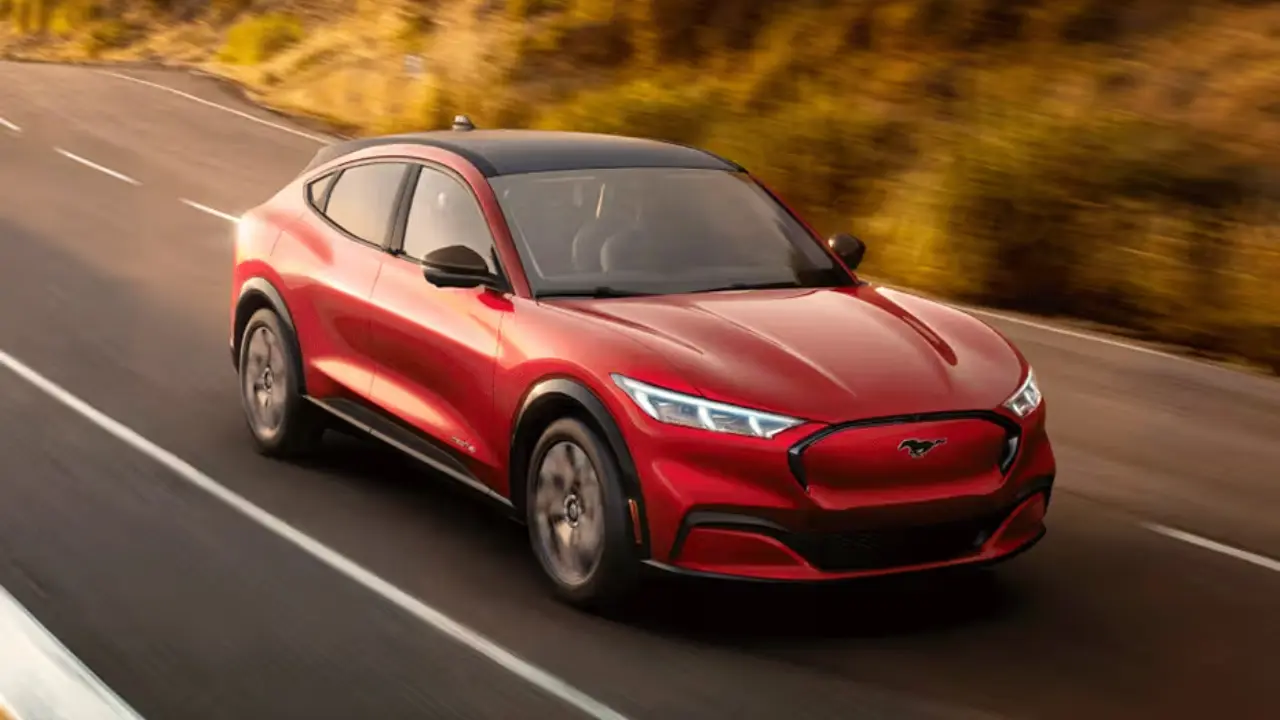
4. Staying at 100% Charge for Long Periods Is Bad for Both
High states of charge place the battery under maximum voltage stress, which accelerates chemical degradation in all lithium-ion systems. For this reason, iPhones introduced Optimised Battery Charging, which delays charging to 100 per cent until just before the user is expected to wake up. Similarly, EV manufacturers advise keeping daily charging limits between 70–80 per cent and using 100 per cent only for long trips. The chemistry behaves the same: prolonged full charge reduces long-term battery health.
5. Heat Is the Primary Cause of Battery Wear in Both Devices
Whether in an EV or a smartphone, heat speeds up the breakdown of electrolytes and electrode materials, leading to permanent capacity loss. Phones heat up during fast charging, gaming, or being left in direct sunlight, while EV batteries heat up during fast charging, high-speed driving, or hot weather. Both use cooling systems, EVs with liquid thermal management and phones with software-controlled throttling—but excessive heat remains the biggest driver of battery aging.
6. Both Lose Capacity With Each Charge Cycle
All lithium-ion batteries degrade over time as ions move back and forth during each charge and discharge cycle. This slow chemical wear reduces maximum capacity. iPhones typically retain around 80% of their battery health after about 500 charge cycles, while EVs, due to their larger battery packs and partial-cycle usage, usually retain 80–90 per cent health after many thousands of kilometres. The pattern of degradation, initial drop followed by gradual decline, is consistent across both technologies.
7. Software Actively Manages Battery Health in Both Systems
Battery management systems (BMS) play a crucial role in extending battery life in both electric cars and smartphones. EV BMS systems regulate temperature, limit charging rates, balance individual cells, and manage regenerative braking. iPhones use similar software controls to adjust charging speed, protect against overheating, and optimise charging schedules. Both rely on software intelligence to monitor battery conditions and help maintain stable performance over time.
)
)
)
)
)