Why making a 2nm chip is so incredibly hard

2nm chips are the most advanced in the world, but making them needs a new transistor design, machines costing around $200 million and near-perfect precision. Here is why only a few companies can do it.
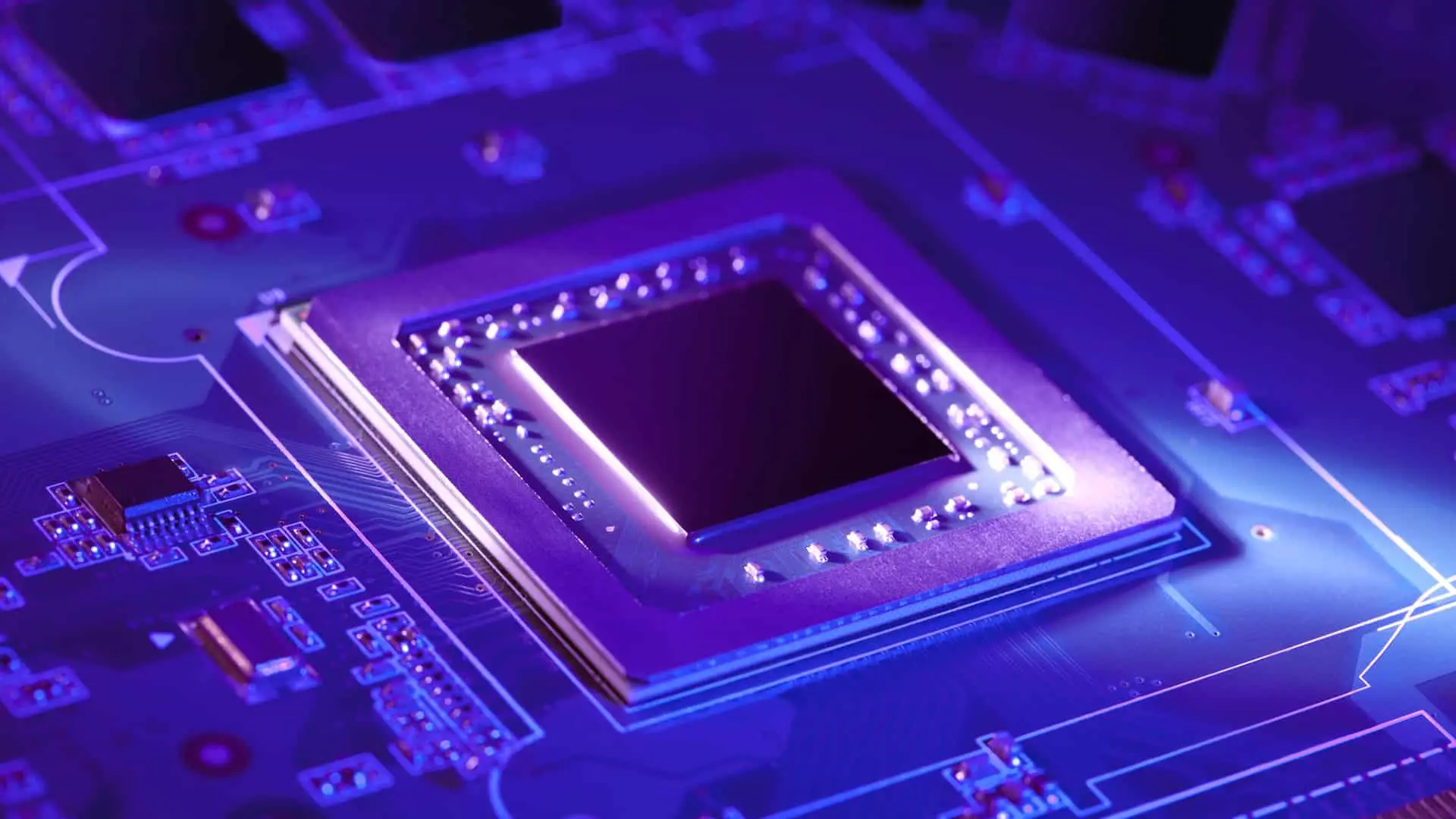
2nm is not really 2nm
Despite the name, no part of a 2nm chip is exactly 2 nanometres wide. The label is an industry naming convention for a new generation of smaller, faster and more power-efficient transistors, rather than a precise physical measurement.
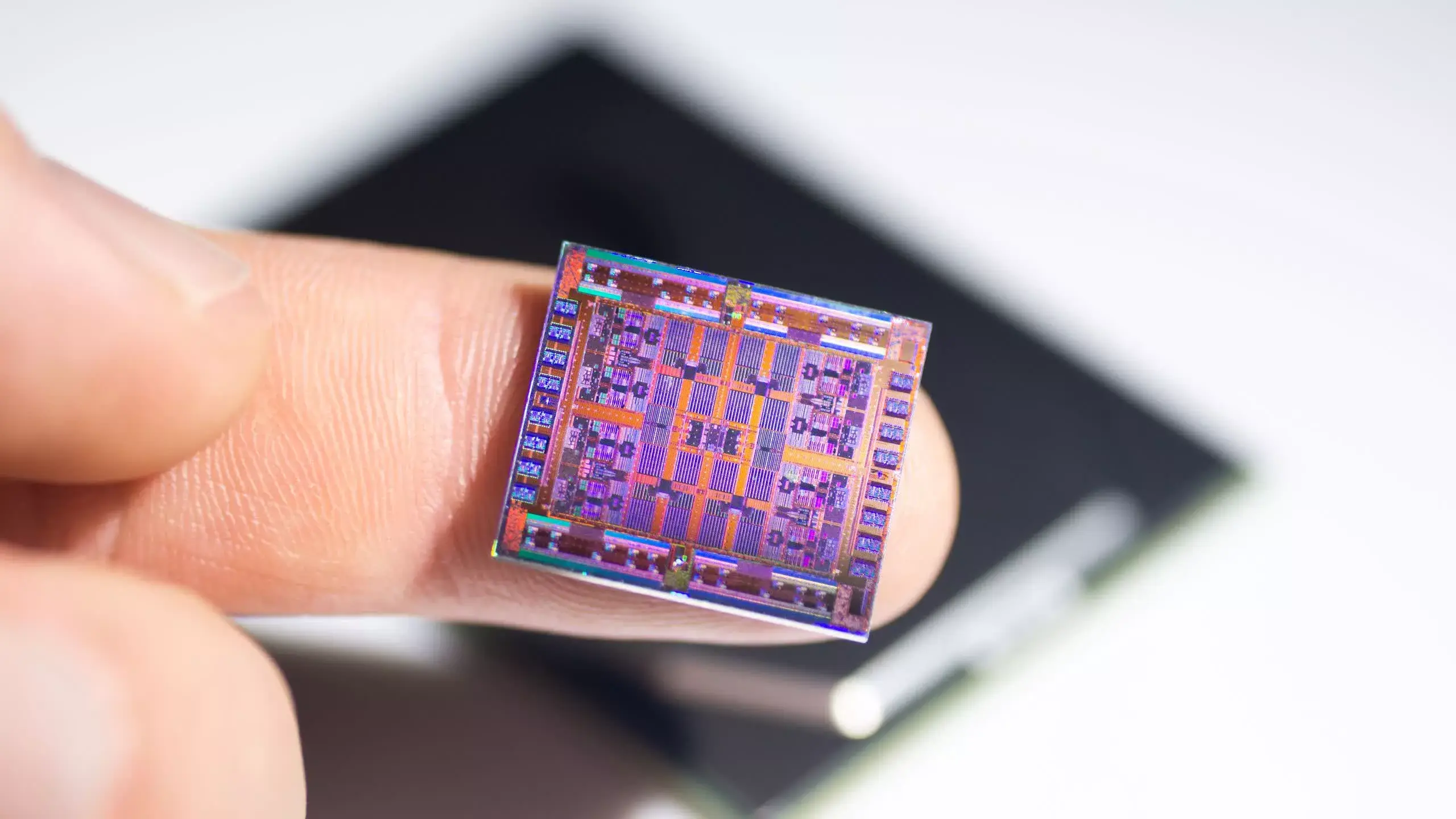
A whole new transistor
At 2nm, chipmakers are moving from FinFET transistors to a design called gate-all-around, where the gate wraps around stacked silicon sheets on every side. This gives better control over the current at tiny sizes, but it is much harder to build.
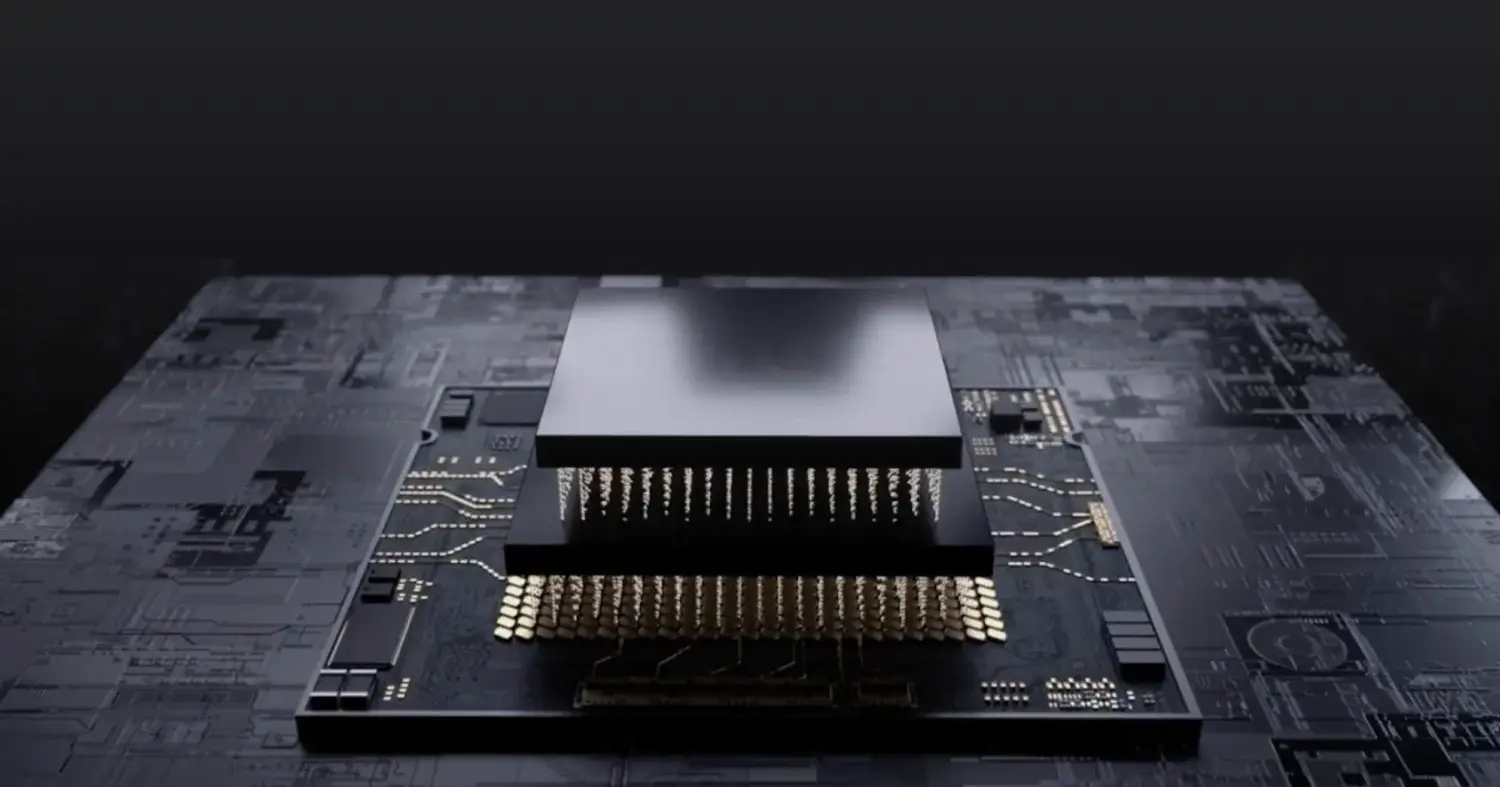
Printing with extreme light
The smallest features are printed using extreme ultraviolet (EUV) lithography, which uses light with a wavelength of just 13.5 nanometres. Only one company, the Netherlands' ASML, makes these machines, and each can cost around $200 million.

No room for error
A chip passes through more than 1,000 process steps, with dozens of layers that must line up almost perfectly. A shift of a few nanometres or a single stray particle can ruin it, so every step must be controlled with extreme accuracy.

Only a few can do it
Taiwan's TSMC, South Korea's Samsung and America's Intel are the main companies racing to make chips at this level. Building an advanced chip factory can cost more than $20 billion, which is why so few firms can compete.