Why laser weapons cannot replace missiles on the modern battlefield

These high-energy lasers can provide significant benefits, such as lower cost per shot and rapid engagement of airborne threats.
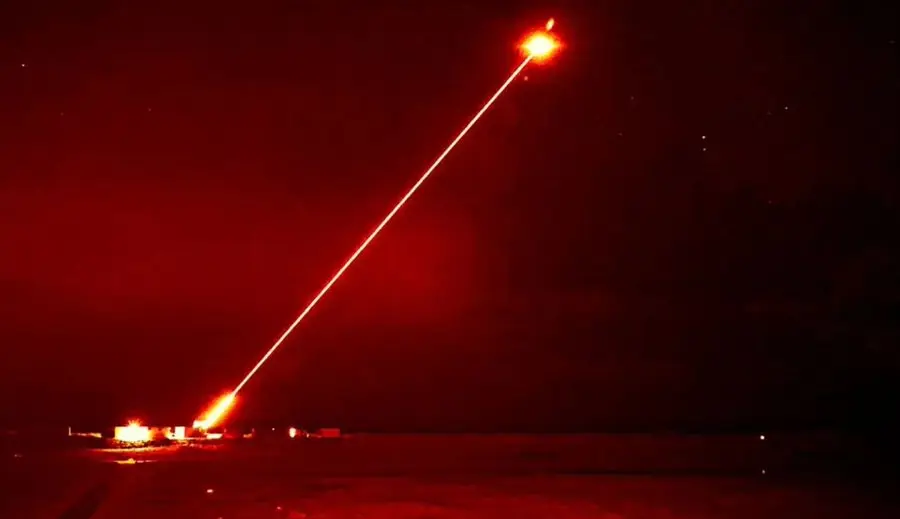
A New Weapon in a Traditional Arsenal
Laser weapons, or directed-energy weapons (DEWs), are increasingly discussed as a transformative defence technology. These high-energy lasers can provide significant benefits, such as lower cost per shot and rapid engagement of airborne threats. However, neither military planners, defence analysts nor manufacturers view lasers as a replacement for missiles. Here are some of the reasons why laser weapons could never replace missiles:
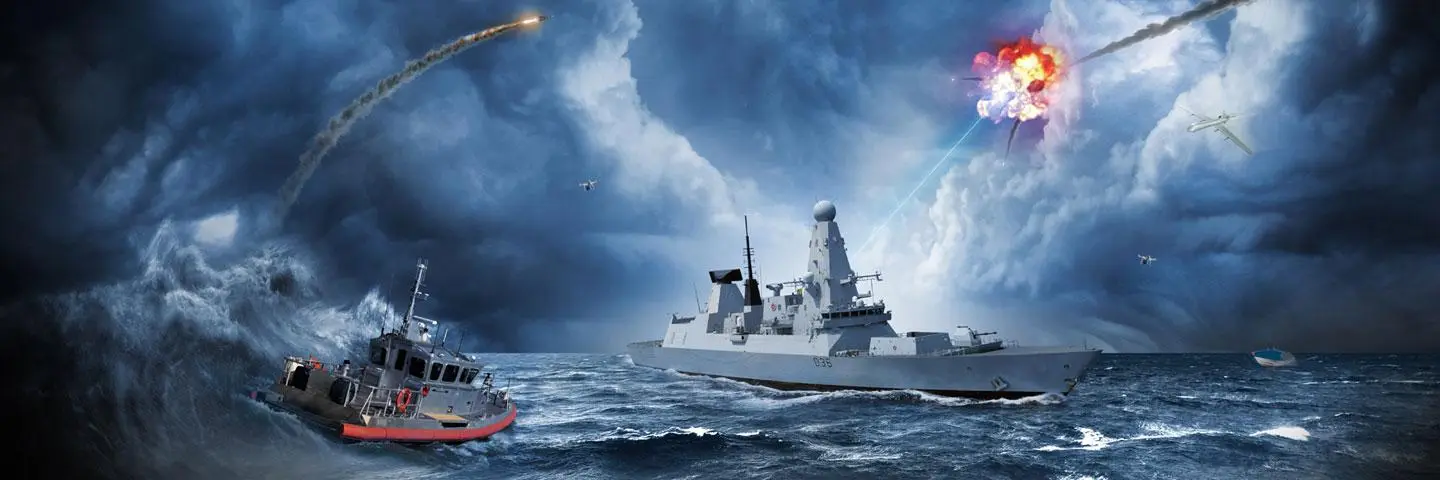
Complementary Role in Defence Layers
Laser weapon technology, according to Lockheed Martin, is meant to complement existing defence platforms, not supplant ballistic or guided weapons entirely. Lasers offer rapid access to targets and low marginal cost per engagement, but they also lack the broad mission flexibility of missiles. Missiles remain the primary means of long-range strike and area defence because their kinetic force delivers destructive energy even at great distances.

Power and Performance Limits
Current laser systems operate effectively at relatively short ranges and against certain classes of threats, such as drones and small craft. But for a laser system to work efficiently atmospheric conditions need to favour it, factors including rain, fog and obscurants can significantly reduce beam quality and effective range, thus limiting laser usefulness outside short-range defensive roles.
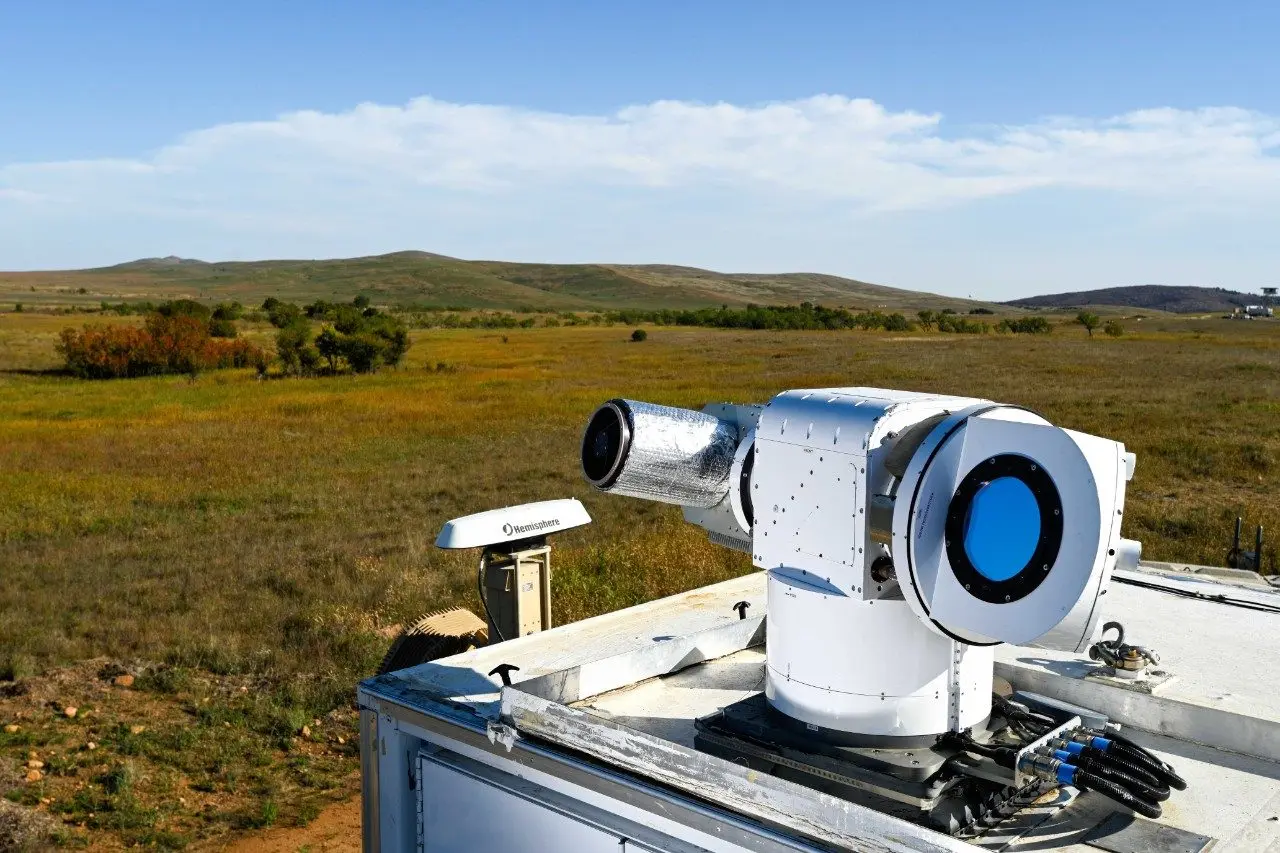
Line-of-Sight Constraints
Lasers operate on a line-of-sight basis: a direct, unobstructed path between emitter and target. Responding to several hundred inexpensive drones with the costliest missiles is not a sustainable strategy. Missiles, by contrast, can travel beyond the visual horizon and home in on targets using guidance systems. For long-range defence and deep strike missions, this remains a crucial distinction.
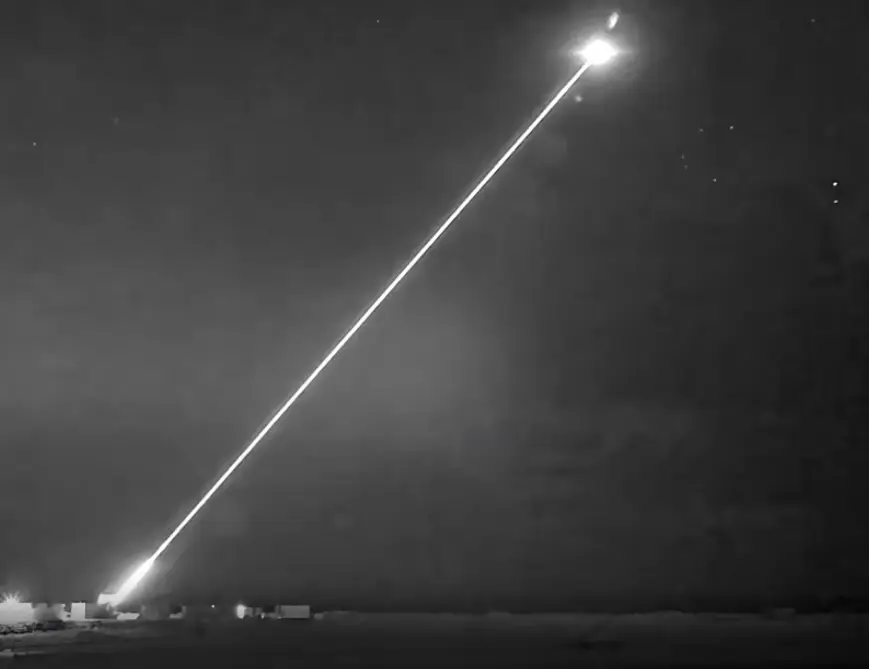
Energy and Platform Integration Challenges
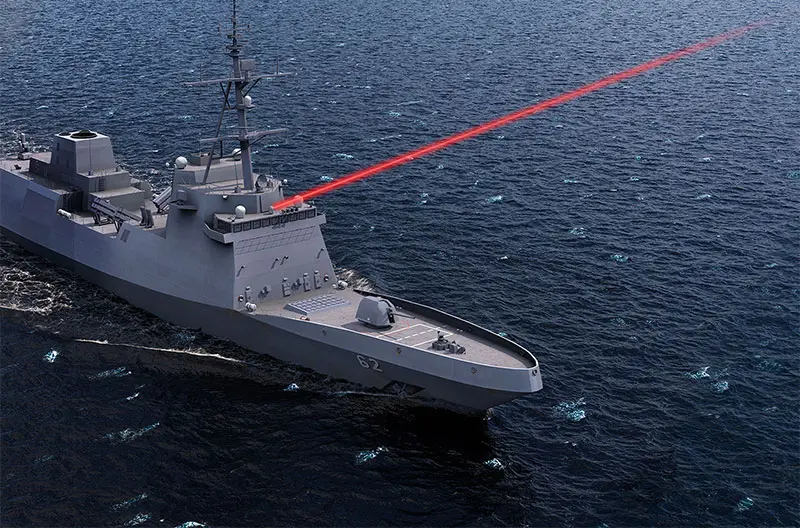
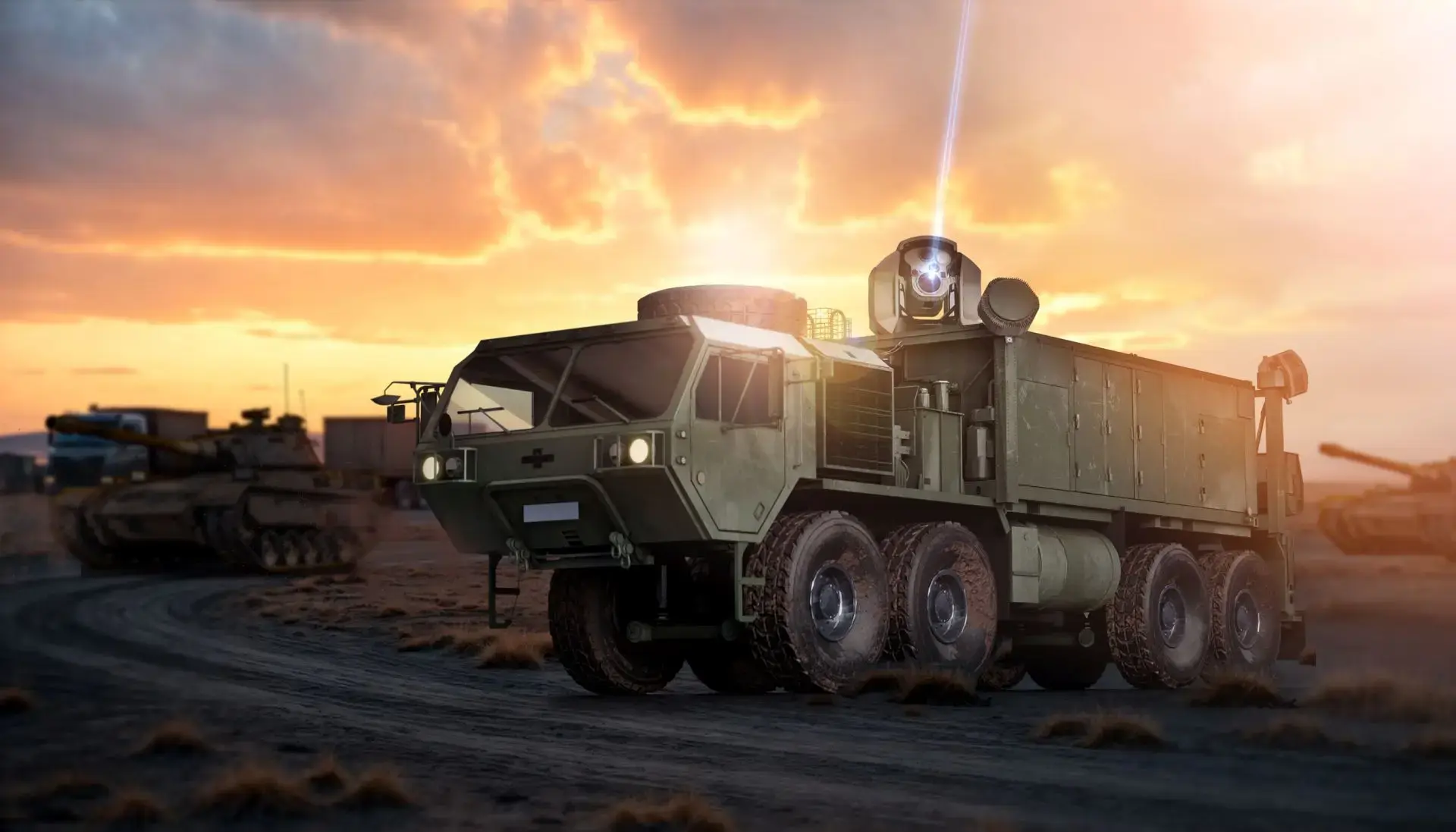
High-energy lasers additionally need sustained power and robust cooling systems that make them difficult to integrate with smaller platforms such as fighter jets. While ships and ground vehicles can support such infrastructure, missiles do not face these constraints and remain deployable across a wider range of forces.
Missile Shielding and Hardening
As lasers become more common, missile designers are likely to improve heat shielding and countermeasures, making kinetic systems progressively more resilient. Early Pentagon assessments see lasers and missiles working in concert rather than one replacing the other.
A Mixed Arsenal Ahead
Laser and directed-energy technology continues to advance, however, its inherent limitations in range, atmospheric interference and platform power requirements mean that laser weapons will not supplant missiles soon. Instead, militaries are developing layered defence systems where lasers and missiles play complementary roles.
)
)
)
)
)