Why it costs over $80,000 to fly an F-22 for just 1 hour

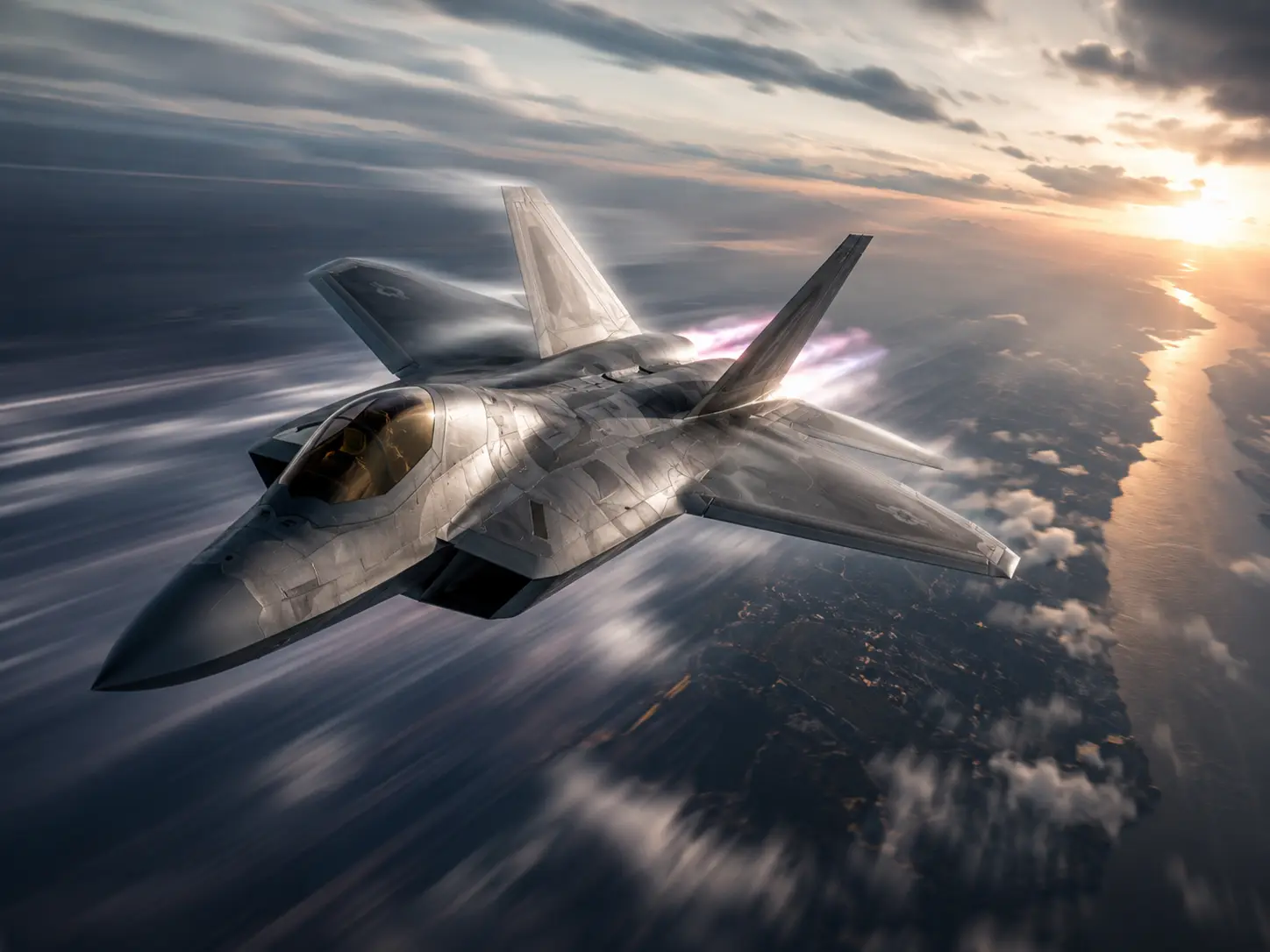
Operating the F-22 Raptor costs $85,325 per airborne hour due to delicate stealth coatings, heavy fuel consumption, boutique logistics, and labour costs.
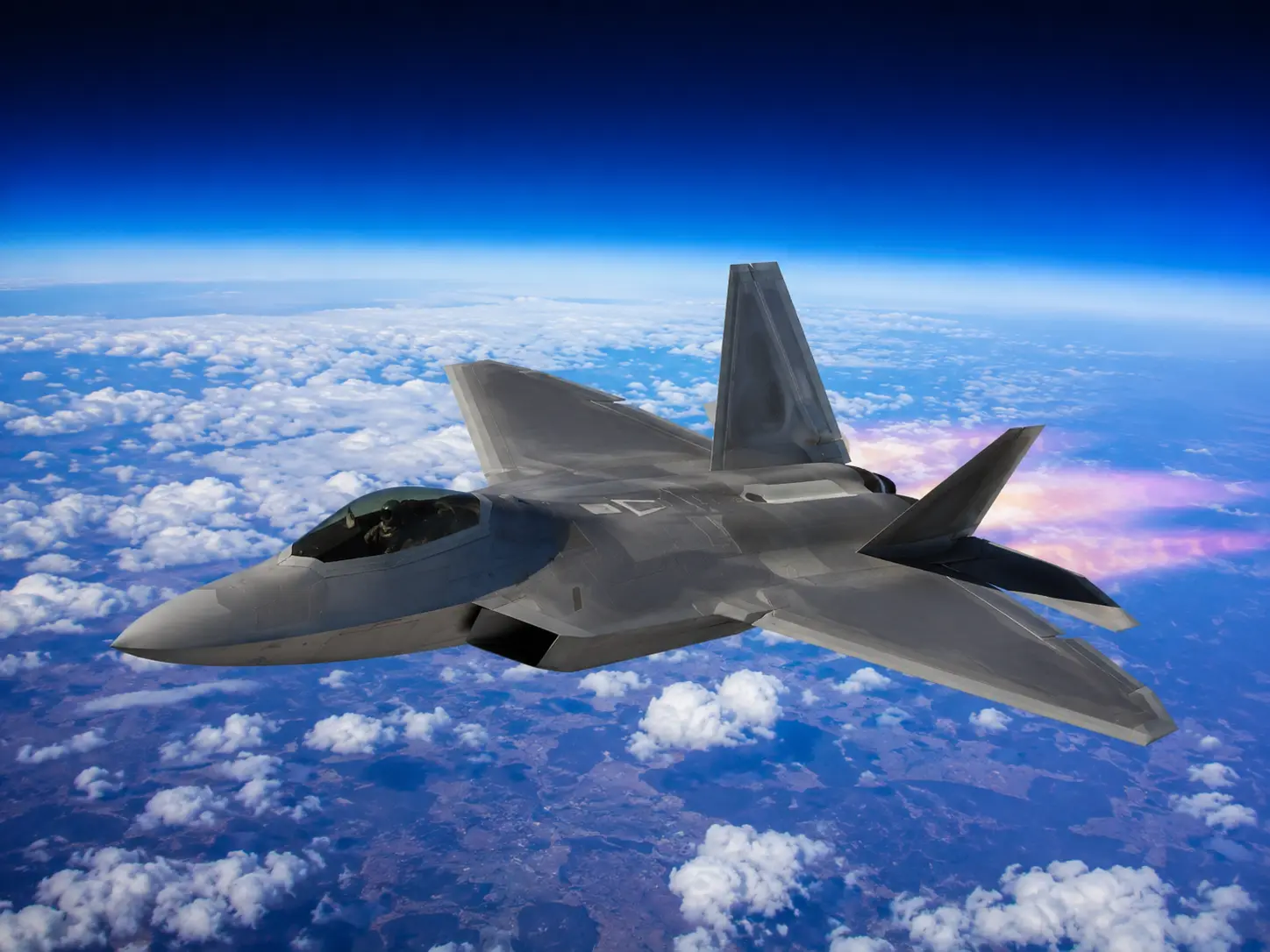
Exceeding $85,000 per hour
Flying the Raptor incurs an average comprehensive cost of $85,325 for every airborne hour. This calculation accounts for the entire operational lifecycle, including aviation fuel, hangar facilities, ground personnel salaries, and continuous logistical support. Spreading expensive baseline infrastructure across standard flight missions results in exceptional hourly expenditure.
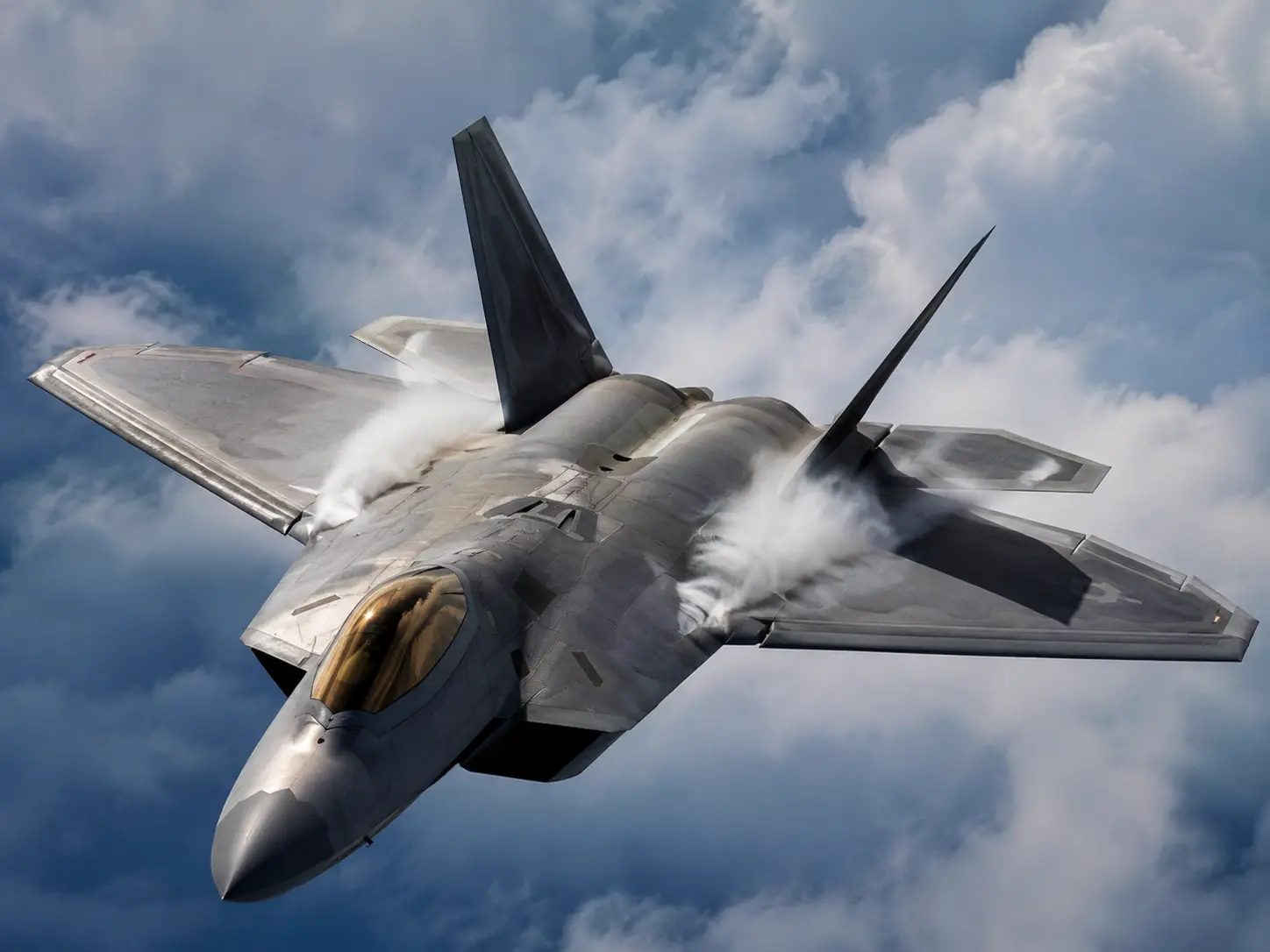
One-third maintenance on stealth
Preserving the specialised radar-absorbent material and exterior metallic skin represents roughly one-third of all structural servicing. High-speed atmospheric friction, thermal stress, and daily weather exposure constantly degrade these sensitive stealth coatings. Restoring the low-observable architecture demands expensive climate-controlled repair depots and highly trained technicians.
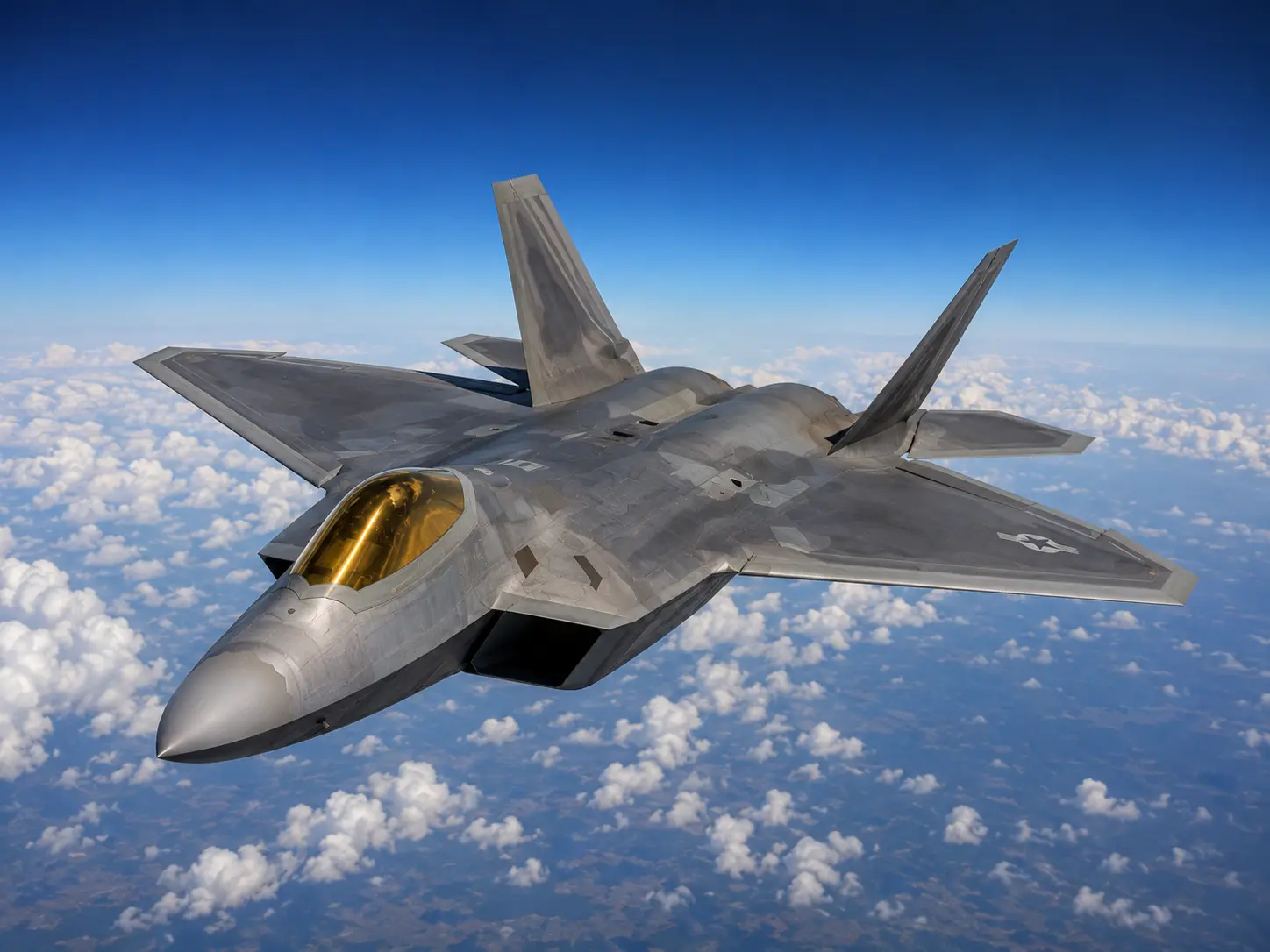
Only 187 jets built
The military originally planned to manufacture 750 Raptors, but assembly lines shut down. Operating such a small boutique fleet prevents the air force from achieving industrial economies of scale. Acquiring replacement components for out-of-production systems requires expensive, custom engineering.
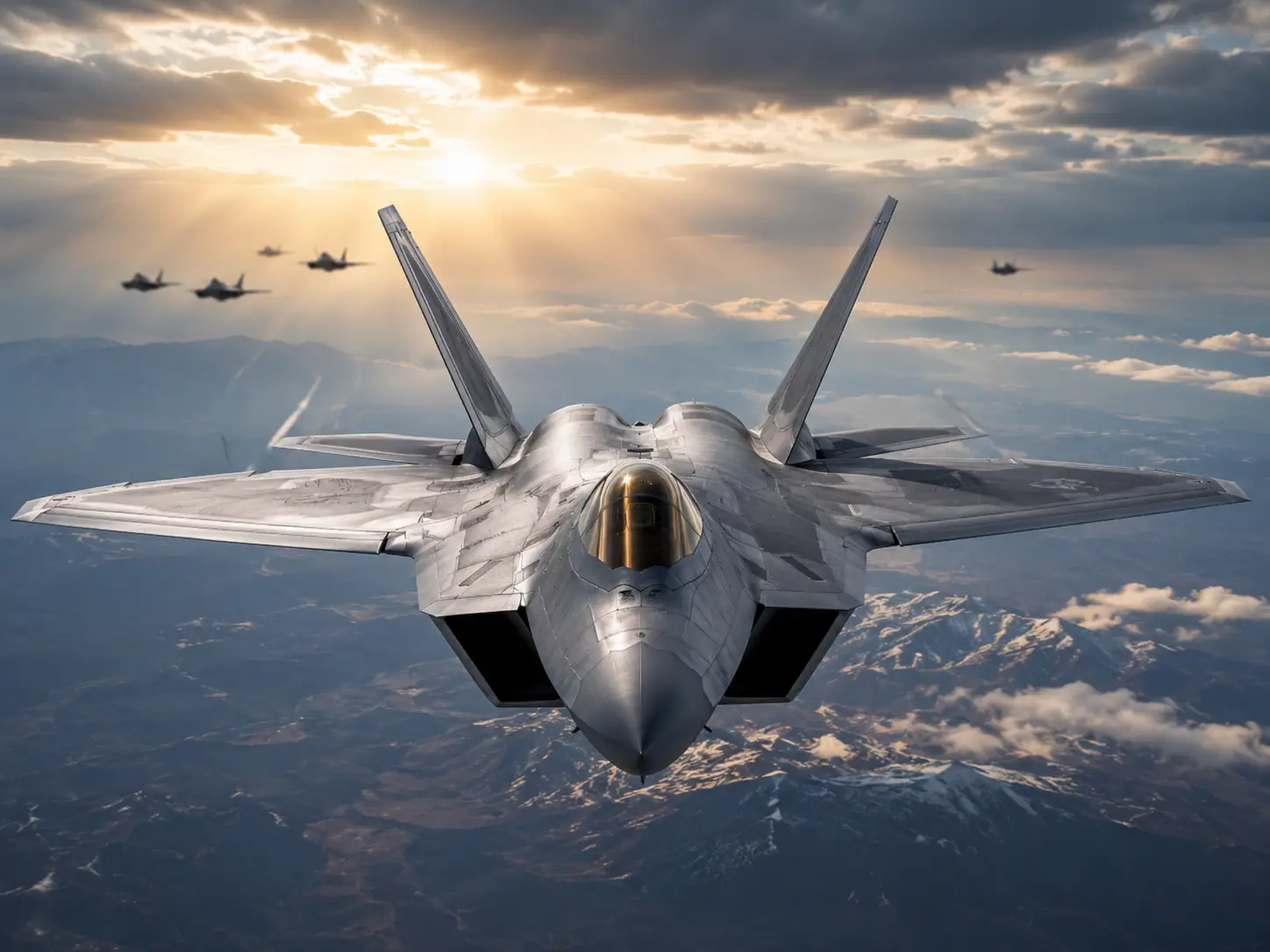
Requires 30 maintenance hours
For every single hour spent in the sky, the fighter historically demands between 10 and 30 hours of meticulous ground servicing. The sophisticated twin-engine architecture and integrated avionics require rigorous pre-flight and post-flight inspections. This intensive schedule limits overall aircraft availability while significantly increasing labour costs.
Burning 1,500 gallons hourly
The twin turbofan engines consume approximately 1,500 to 2,000 gallons of aviation fuel during a standard one-hour sortie. Sustaining extreme thrust places heavy thermal fatigue on interior moving metal components. Replacing these brittle structural parts during mandatory engine overhauls adds substantially to operating expenses.
)
)
)
)
)