Why Israel's David’s Sling failed to intercept Iranian ballistic missiles in southern towns? Features, range & more

According to the IAF, the two missile impacts were unrelated despite occurring within two hours in the same area. Both missiles carried conventional warheads with hundreds of kilograms of explosives.
A rare lapse in missile defence
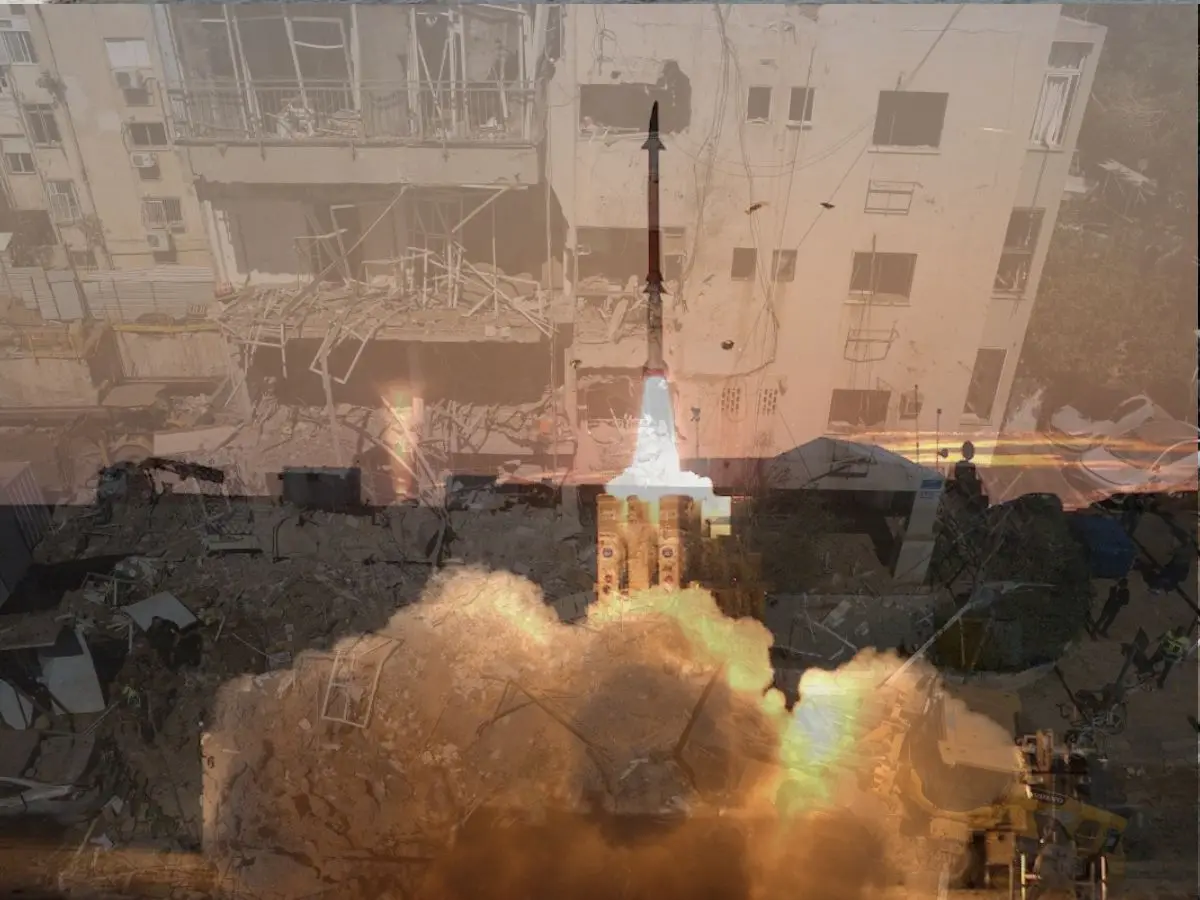
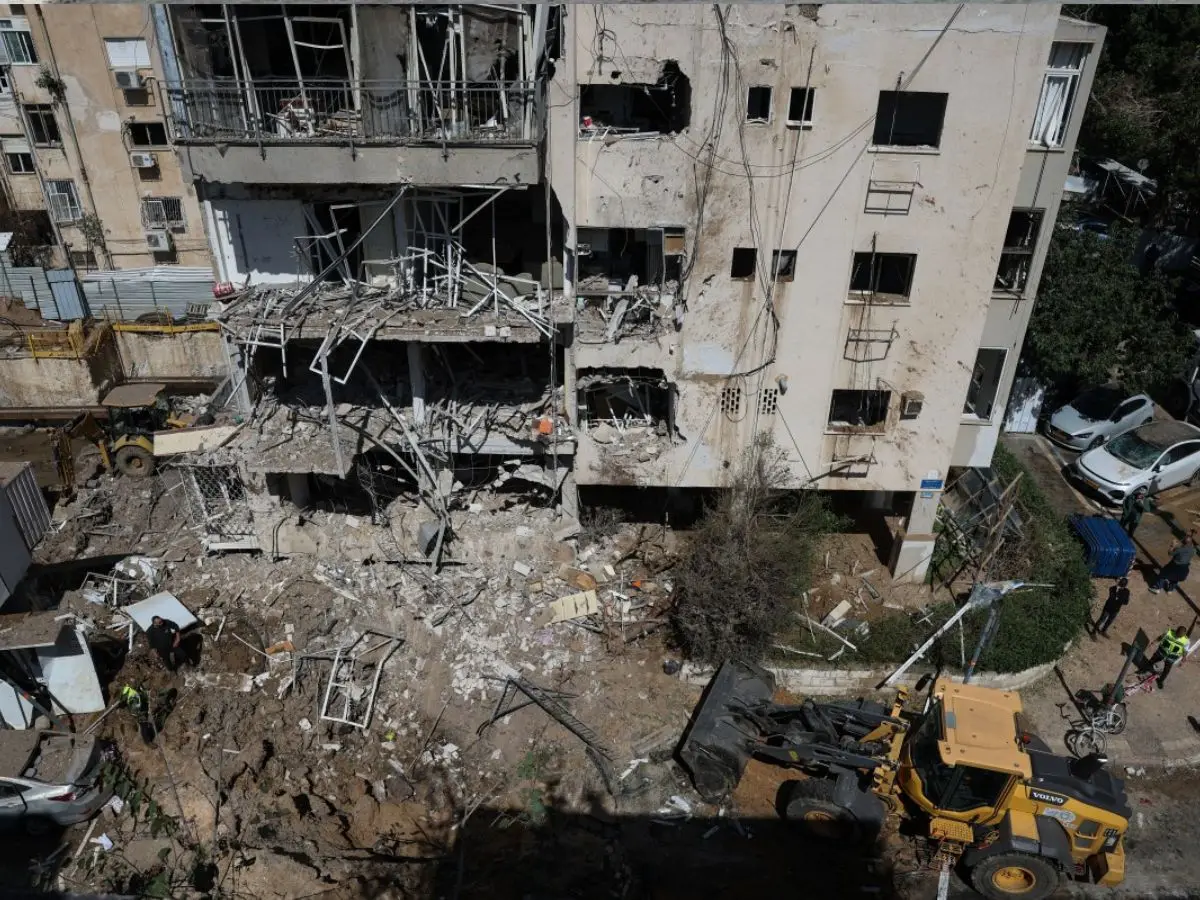
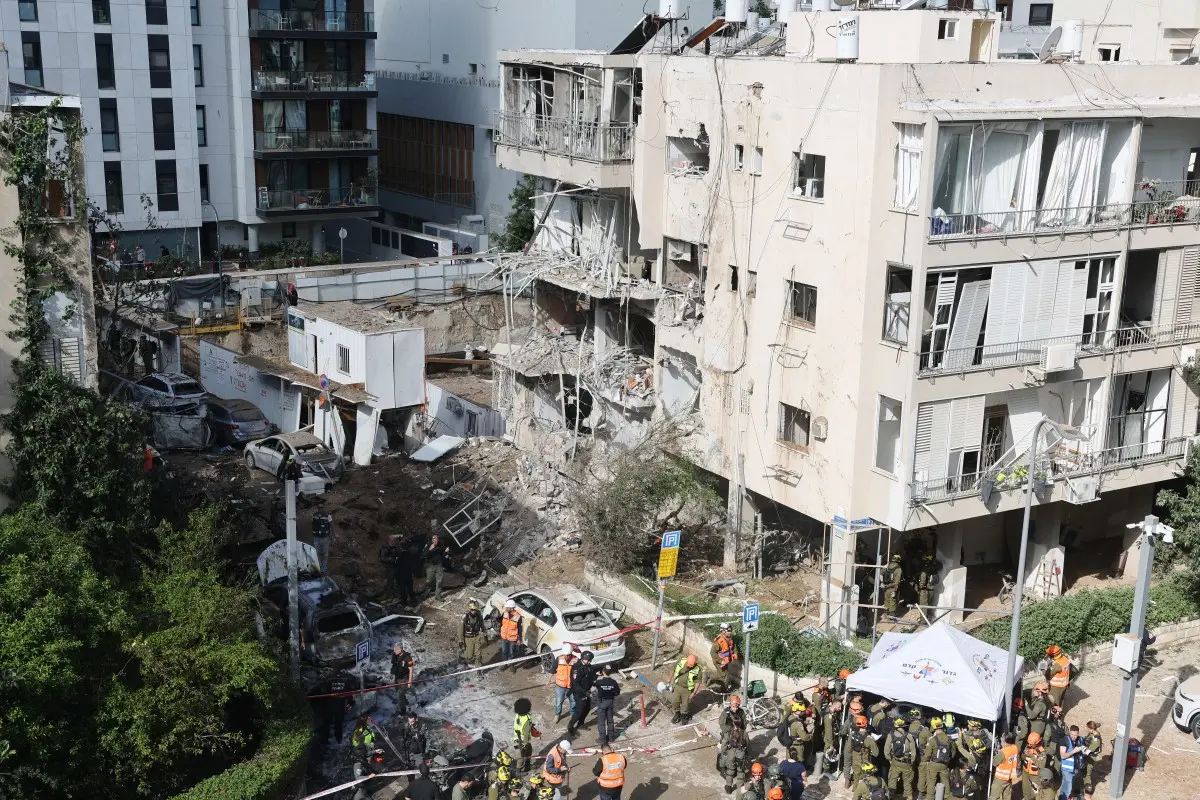
Two Iranian ballistic missiles struck the southern Israeli cities of Dimona and Arad on Saturday, causing injuries to nearly 200 civilians and significant structural damage. The Israeli Air Force (IAF) confirmed that the medium-range David’s Sling system, named after the Biblical figure who slew Goliath had failed to intercept the projectiles, highlighting a rare lapse in Israel’s otherwise robust missile defence network.
David’s Sling in context
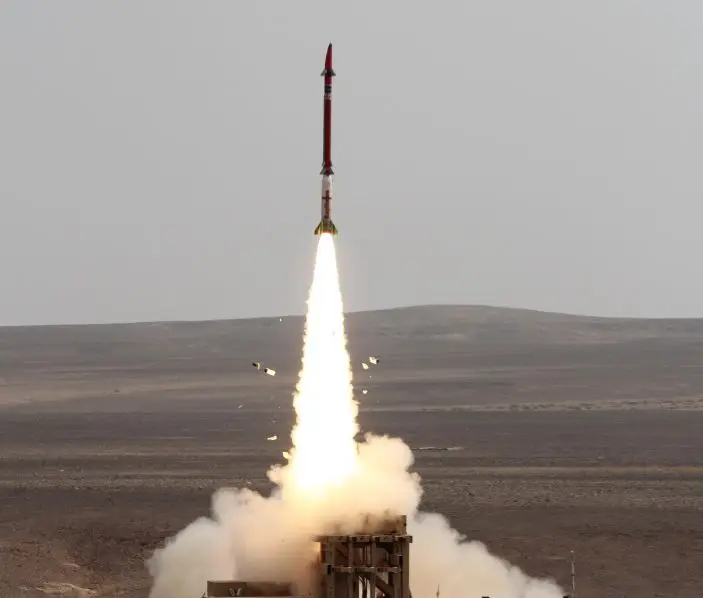
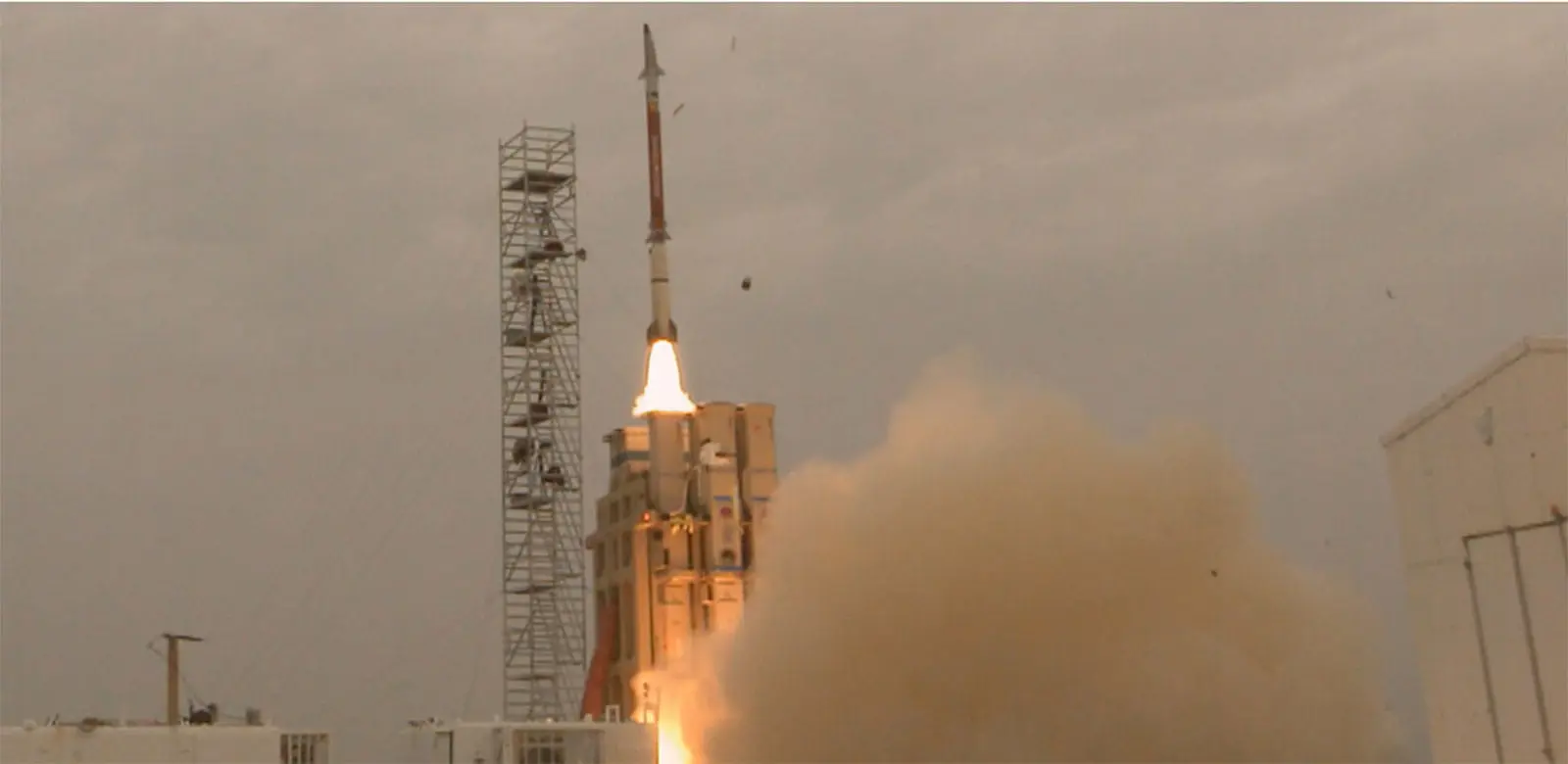
David’s Sling is a medium- to long-range missile defence system developed by Rafael Advanced Defense Systems in collaboration with Raytheon. It is designed to intercept medium-range rockets, cruise missiles, and tactical ballistic missiles. While it has successfully downed Iranian missiles in previous conflicts, including the June 2025 war, its use against the Ghadr-class projectiles launched on this occasion proved ineffective.
The incident specifics
According to the IAF, the two missile impacts were unrelated despite occurring within two hours in the same area. Both missiles carried conventional warheads with hundreds of kilograms of explosives. Investigations confirmed that the system engaged the projectiles, but its interceptors failed to neutralise them. Earlier attacks in the same region were successfully intercepted using David’s Sling.
System features and limitations
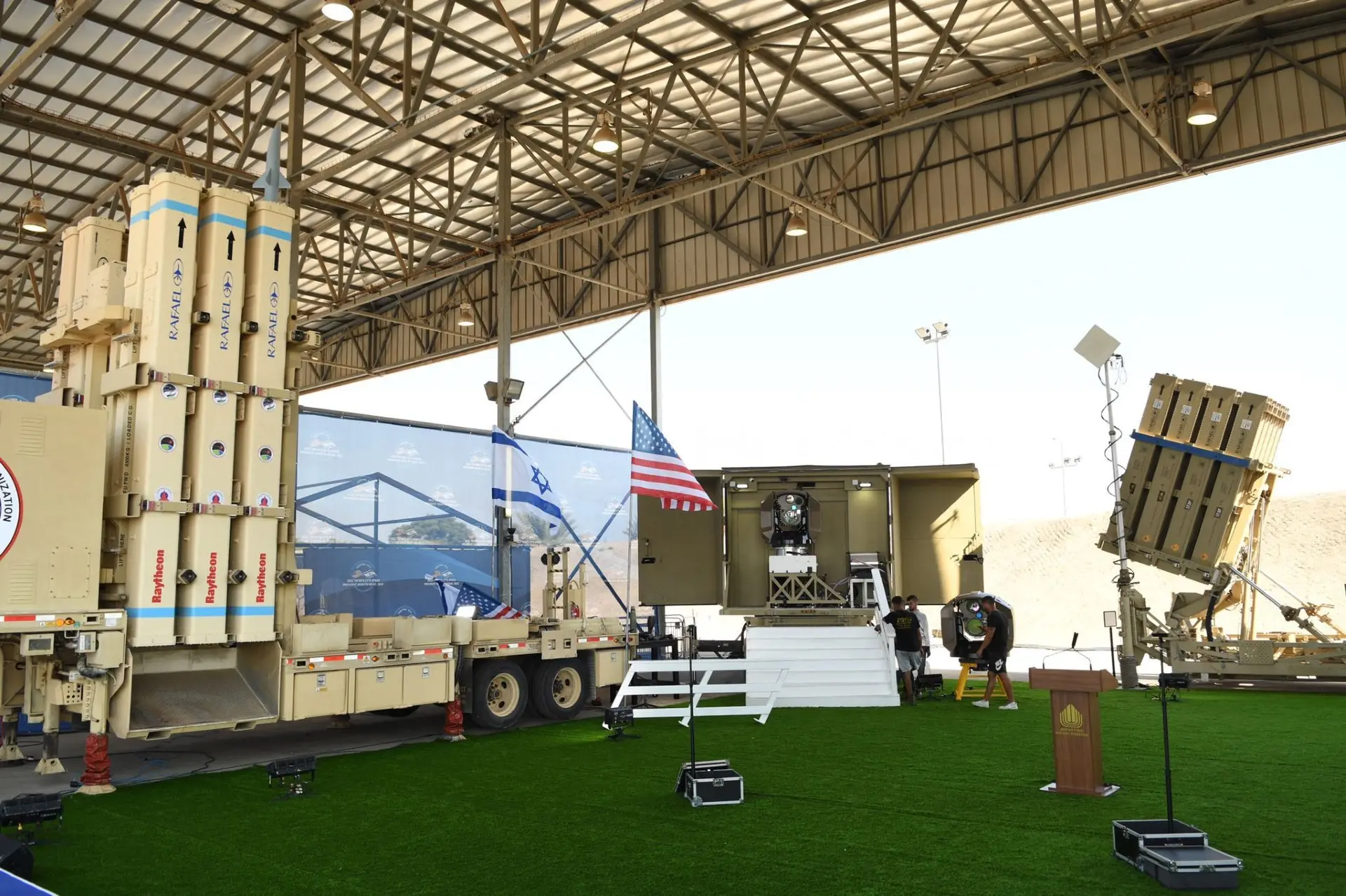
David’s Sling was not originally designed for long-range ballistic missile defence but has been adapted for such use. It has a reported interception range sufficient for medium- to long-range projectiles, with individual missiles costing roughly $1 million per engagement. By contrast, Israel’s Arrow 3 system, which intercepts missiles exo-atmospherically, costs over $2.5 million per interceptor.
Operational strategy
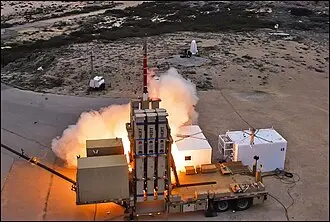
Military analysts suggest that the use of David’s Sling instead of Arrow 3 for these interceptions may have been a strategic choice to conserve Israel’s stockpile of more expensive, long-range interceptors. Israel operates a multi-tiered defence array, combining Iron Dome, David’s Sling, and Arrow systems to protect civilian areas and critical infrastructure.
Performance metrics
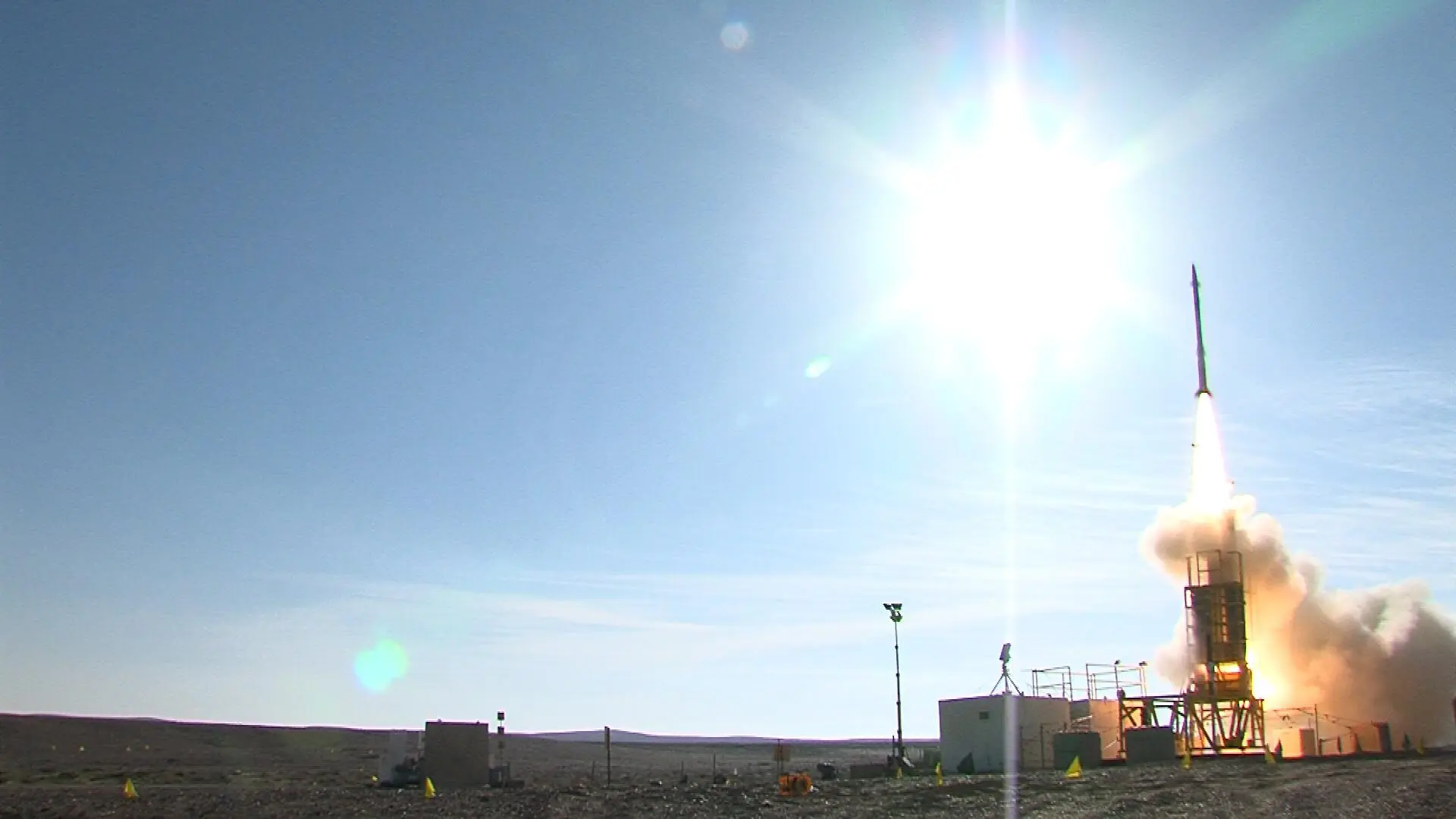
Since the start of the conflict with Iran, more than 400 ballistic missiles have been fired at Israel, with an interception success rate of 92 percent for projectiles targeting populated areas and key infrastructure. Despite the recent failure, David’s Sling has contributed significantly to this record.
Features
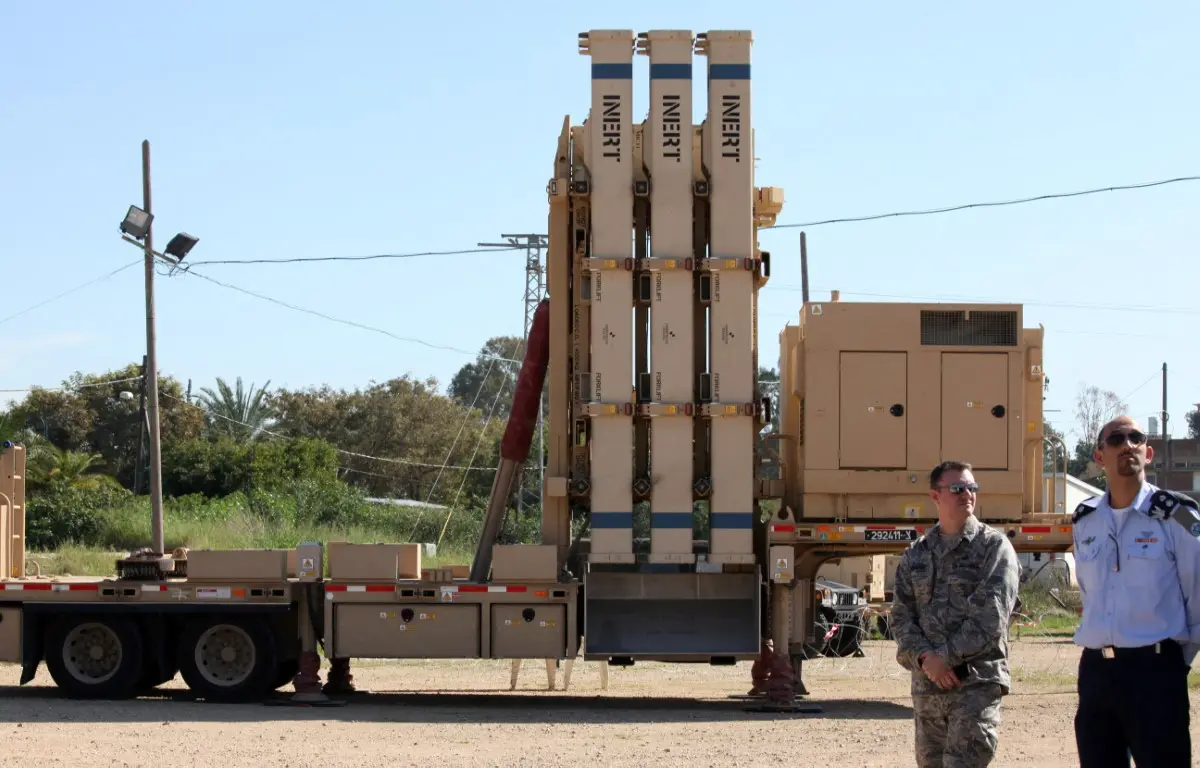
Combining innovative steering control, multi- propulsion, and an advanced seeker, it defeats high-volume asymmetric threats including tactical ballistic missiles and large-caliber rockets. Plug-and-play design enables easy insertion into air and missile defense systems. Large interception envelope. Cost-effective, can be deployed in sufficient quantities for asymmetric threats.
Stunner missile
The David’s Sling weapon system is anchored by the Stunner, a highly maneuverable, two-stage interceptor designed to neutralise contemporary aerial threats through pure kinetic energy. Unlike traditional missiles, the Stunner features a "hit-to-kill" mechanism, meaning it carries no explosive warhead and relies instead on the sheer force of a high-speed physical impact to destroy its target. To achieve this precision, the missile utilises a sophisticated suite of sensors and control systems, guided by an Active Electronically Scanned Array (AESA) multi-mission radar for real-time targeting.
Future readiness
The Israeli Defence Ministry recently completed a series of complex tests on David’s Sling to enhance its readiness against emerging threats. As missile technology evolves, Israel continues to upgrade its systems, combining medium-range interceptors with Arrow 3’s exo-atmospheric capabilities to maintain a layered, responsive defence network.
)
)
)
)
)