Once-in-5,000-year cosmic event occurred with total solar eclipse...and a 64-year wait begins

The total solar eclipse of 2026 was the last one in the UK for the next 64 years. Meanwhile, the next such event for the world is coming in 2027, when the Eclipse of the Century happens. It will be followed by another one in 2028.
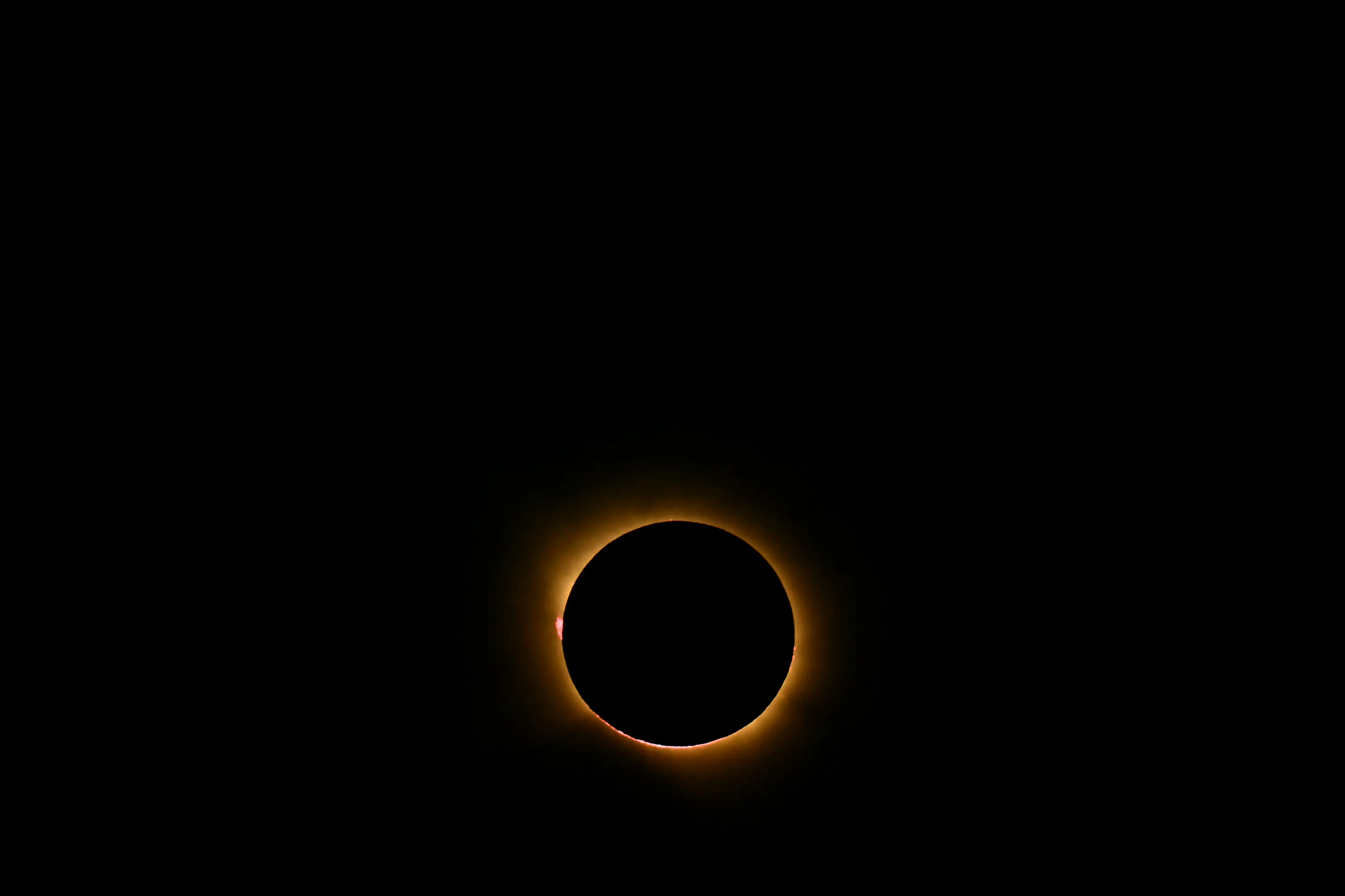
World watches the total solar eclipse
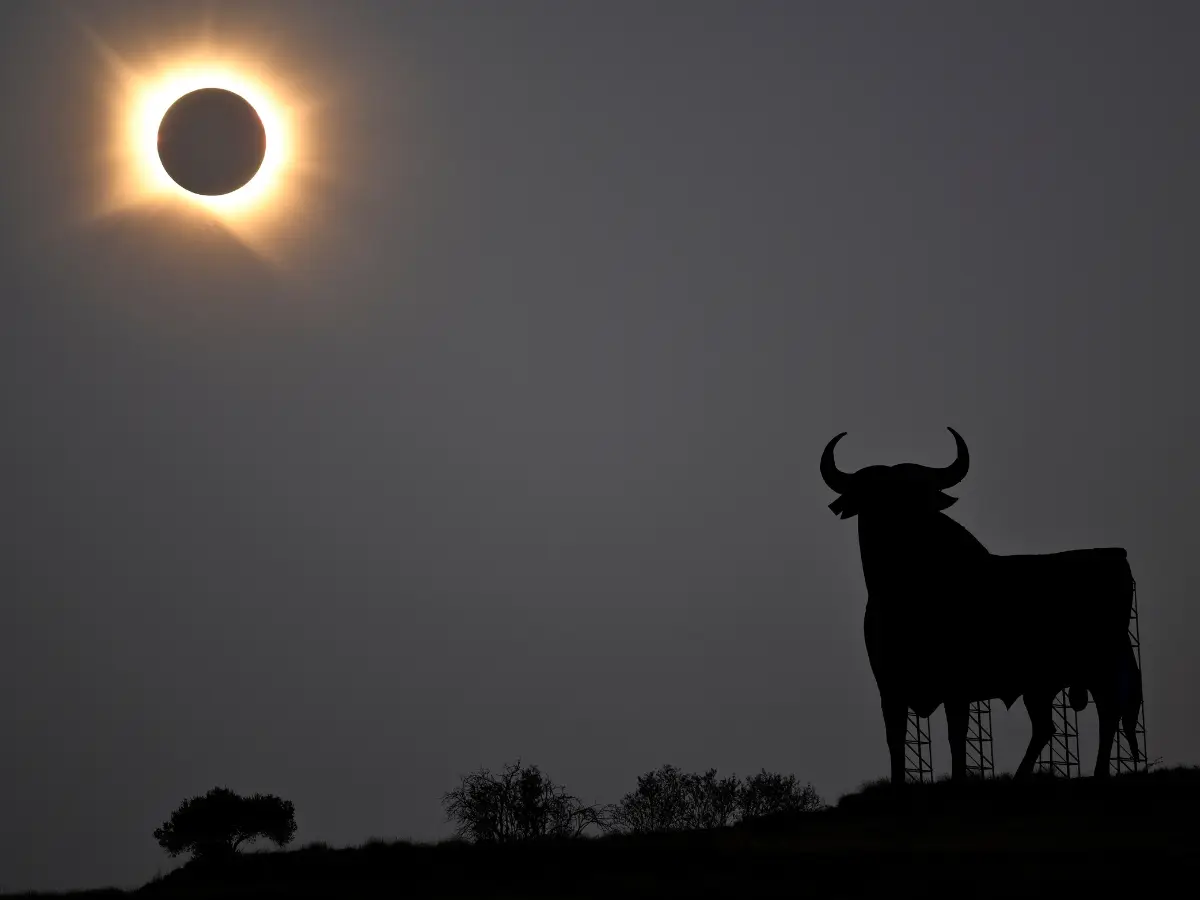
A total solar eclipse left people in Spain spellbound as they witnessed totality. The United Kingdom saw the most coverage in Edinburgh, Glasgow and Cornwall. Parts of Wales witnessed 94 to 96 per cent coverage. People screamed as the Moon completely covered the Sun, leaving them in the dark. Dogs barked, and the birds got confused as day turned into dusk for a few moments.
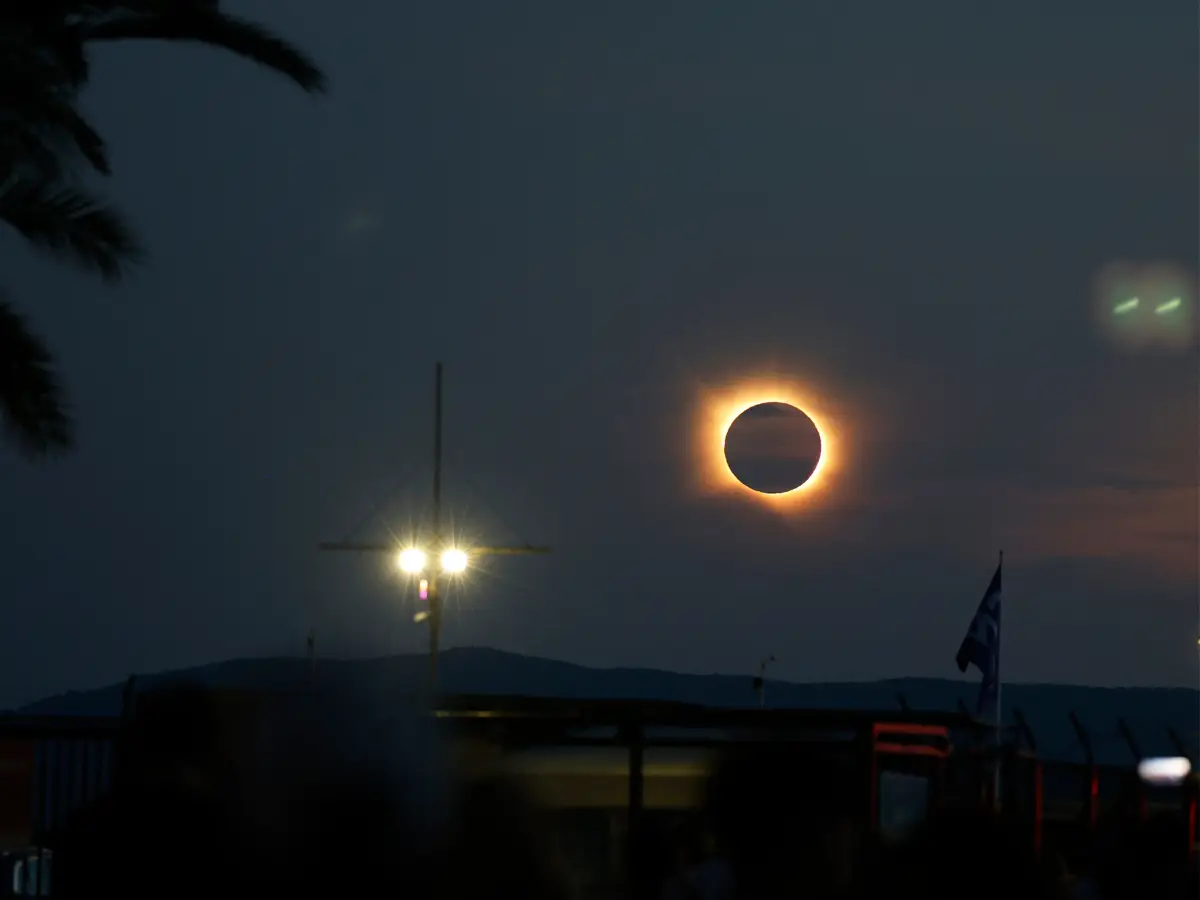
When is UK's next total solar eclipse?
This was a once-in-a-lifetime event for most people in the UK since the next total eclipse is not scheduled to happen until 2090. Spain will get another total eclipse in another year, when the longest such event will take place on 2 August 2027. It will be a partial eclipse with almost 60% coverage as seen from Scotland. An 80 per cent partial eclipse will be visible in the UK in 2050, 24 years. For the next best coverage, you'll have to wait until 2081, when an eclipse of 95 per cent will be seen from the UK. Sadly, a total eclipse is not going to happen for another 64 years.
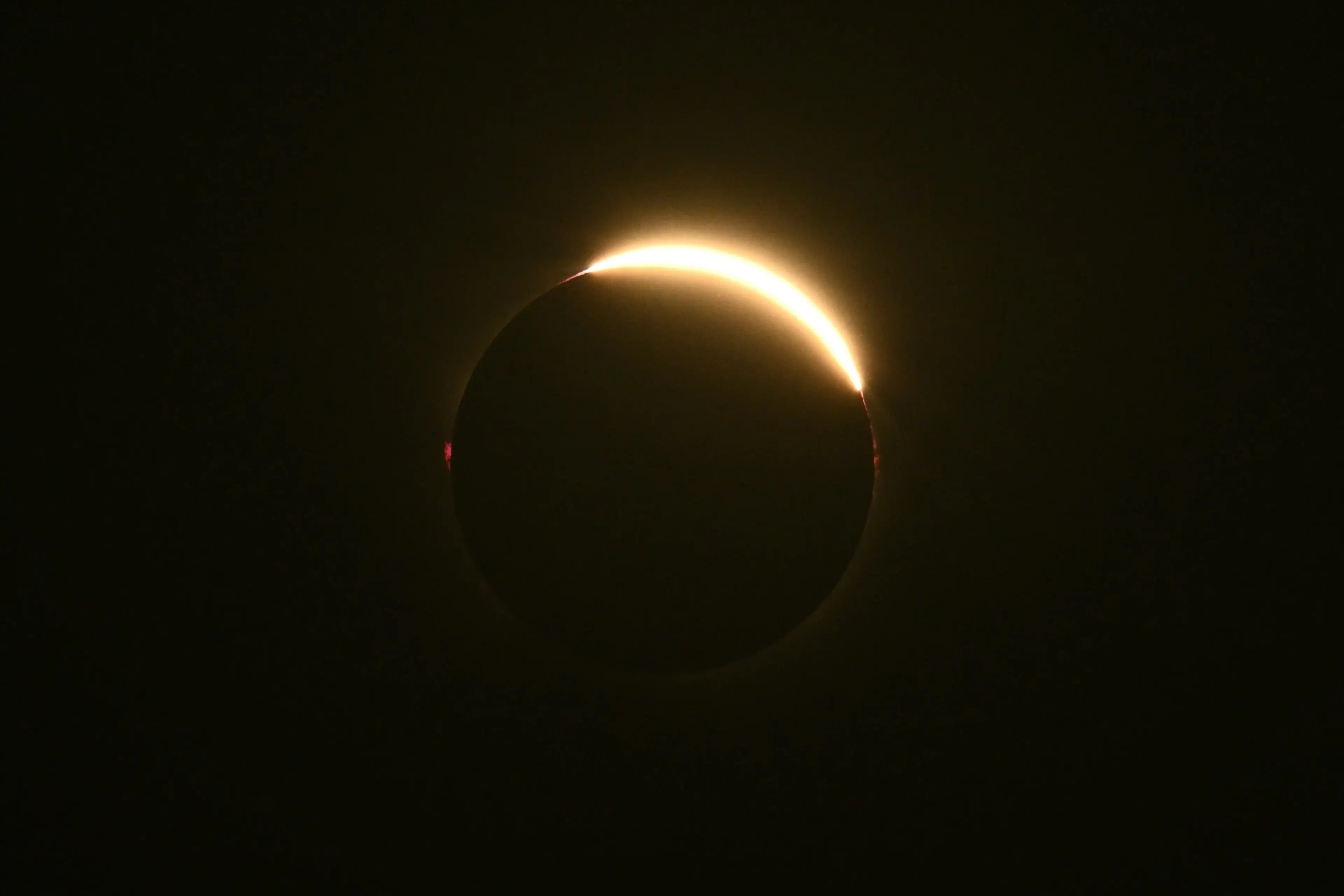
Once-in-5000-years event happened the same night
The eclipse on August 12 was also special in two more ways, as the Perseids Meteor Shower peaked on the same night. This is the first time in 5,000 years that both cosmic events are happening at the same time. A planetary parade was also visible on the same night, as six planets - Mercury, Jupiter, Mars, Saturn, Uranus and Neptune - were also visible in the night sky.
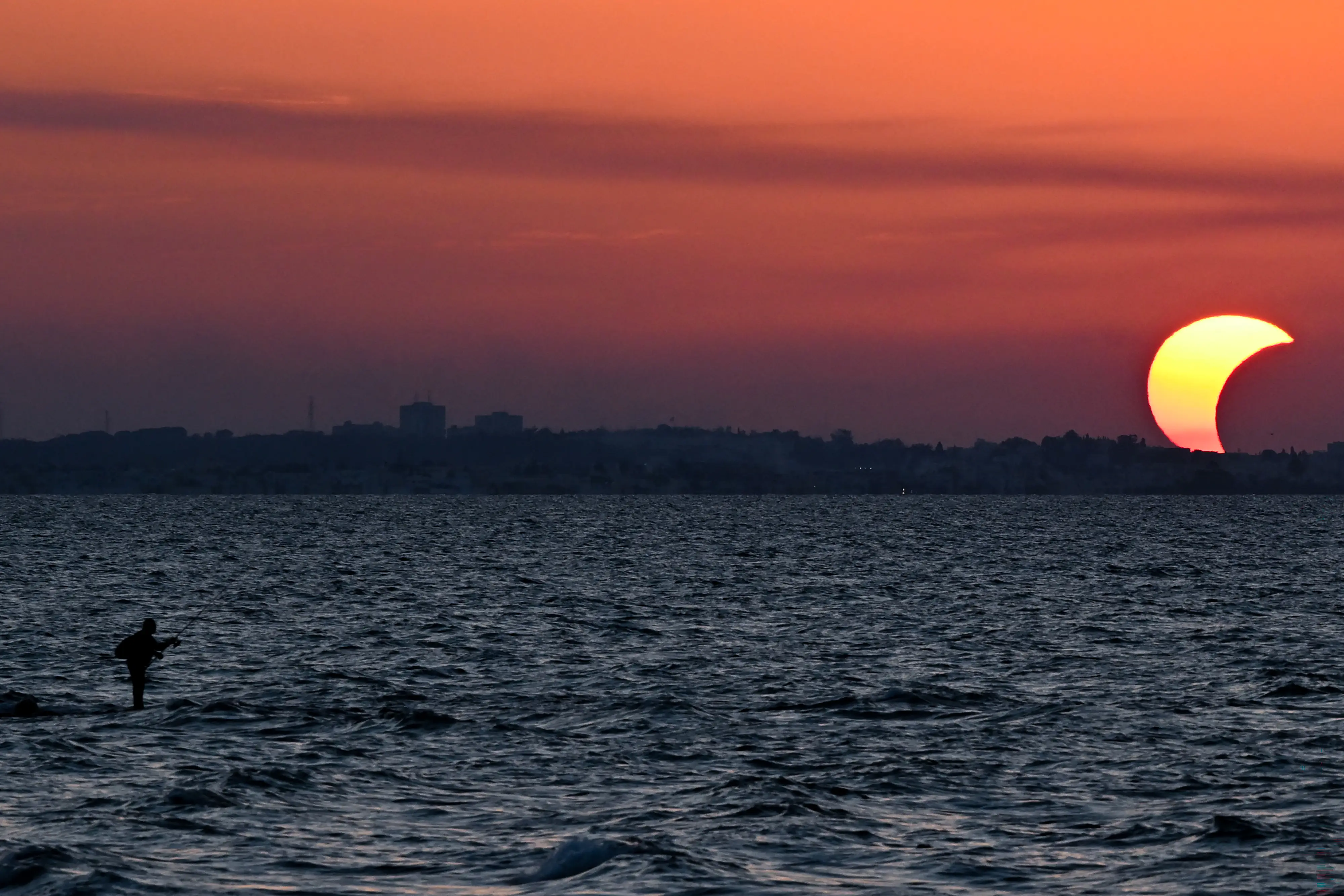
Eclipse of the century is next
Earth is getting three total solar eclipses back-to-back, with the next one coming on August 2, 2027, followed by one on July 22, 2028. The one in 2027 will be historic because of its duration. It will plunge areas witnessing totality into darkness for six minutes. It will peak at six minutes and 22 seconds in Luxor, Egypt, according to Sky & Telescope. This will make it the longest total solar eclipse visible from land since 1991. It will hold this record for 87 years until 2114. This is why it has been nicknamed "Eclipse of the Century."
Total solar eclipse in Sydney in nearly 170 years
The next total solar eclipse will be on 22 July 2028. It will cross the Indian Ocean and northern Australia, passing directly over heavily populated regions of Australia and New Zealand. For Sydney, it will be the first total solar eclipse since 1857. Its maximum duration of totality will be up to 5 minutes and 10 seconds in remote Western Australia. In the rest of Australia, New Zealand, Indonesia, Papua New Guinea, and parts of Antarctica, a partial eclipse will be visible.
)
)
)
)
)