Why Israel's Blue Sparrow missile needs no internet to find its target

Israel's Blue Sparrow missile hits targets from 2,000 kilometres away without internet. It uses a built-in Inertial Navigation System to calculate speed and direction, ensuring precise strikes even when enemy forces jam GPS and external signals.

Weighs massive 1,900 kilogrammes
The Blue Sparrow is a 6.51-metre-long air-launched ballistic weapon made in Israel. It functions without internet because its core navigation relies on built-in sensors. This prevents enemies from hacking its flight path mid-air.

Uses 1 internal compass
The missile is equipped with an Inertial Navigation System, known as INS. This system works like an advanced internal compass that continuously measures movement and direction. It calculates the exact location without needing any web signals.

Strikes from 2,000 kilometres
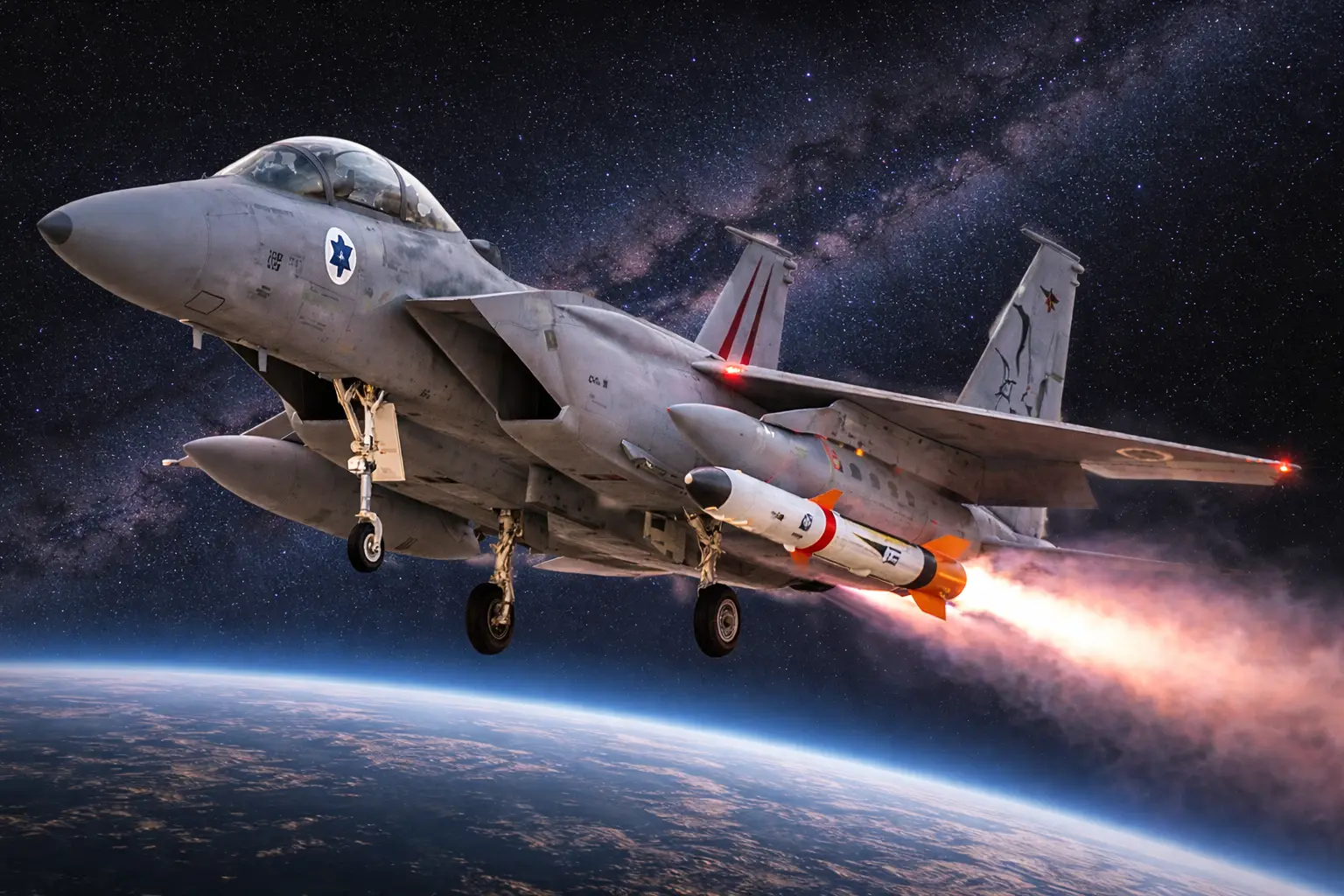
Fighter jets release this weapon from a safe distance of up to 2,000 kilometres away. Once dropped, the propellant pushes it towards the edge of space. The internal sensors keep it precisely on track during this massive climb.
Needs 0 internet connections
While it has GPS capabilities, the weapon automatically switches to internal guidance if signals are blocked. This ensures it remains accurate even when hostile forces deploy heavy electronic jamming. It simply ignores the outside interference.
Uses 1 solid rocket
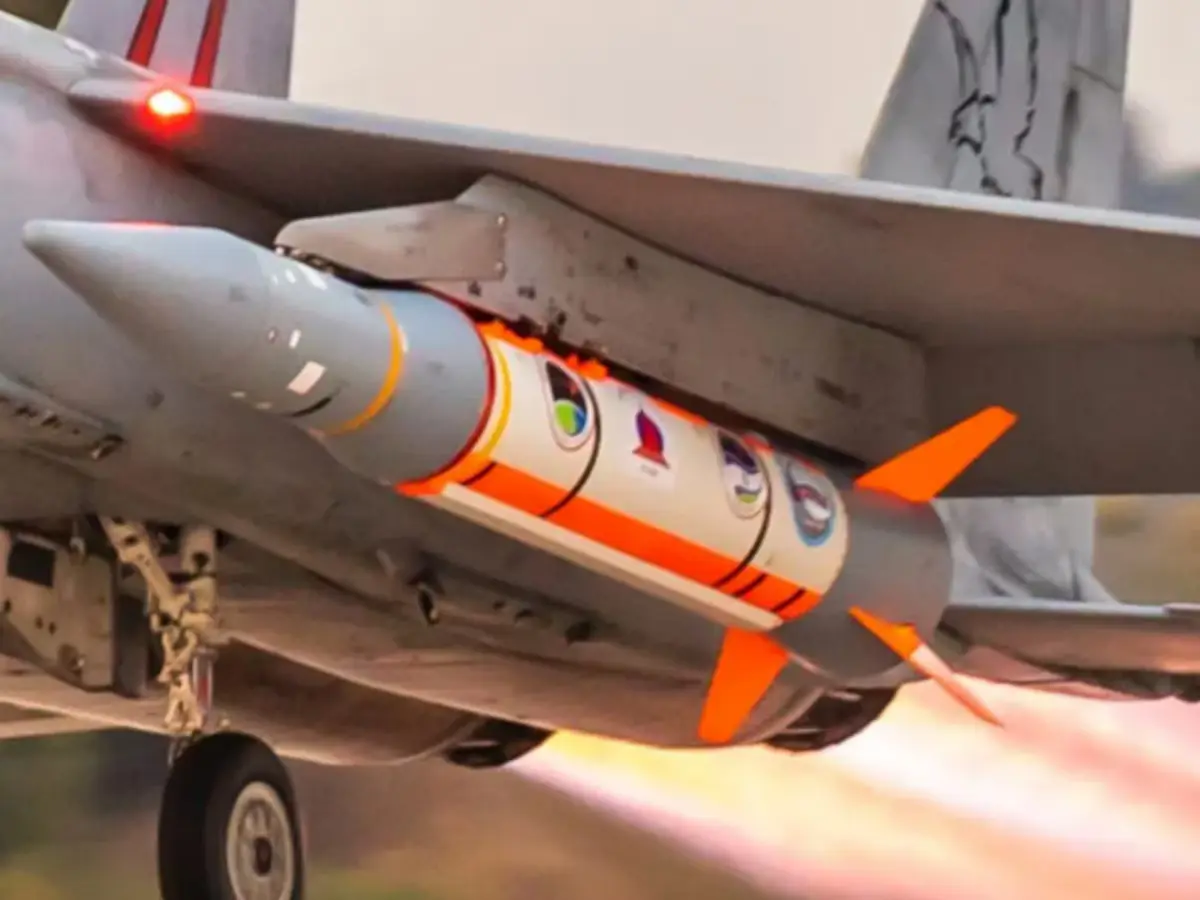
A single-stage solid rocket boosts the weapon to the upper atmosphere before a smaller section breaks away. Small thrusters on this re-entry vehicle use the internal data to adjust the descent. It drops vertically, leaving air defences blind.

Hits within 3 metres
Relying entirely on its closed-loop navigation, the weapon can hit a precise room within a fortified compound. It adjusts its final descent to achieve an accuracy margin of just three metres. This surgical precision makes it highly lethal.

Carries 150 kilogramme warhead
The complete independence from external links makes the weapon virtually unstoppable as it delivers a highly concentrated 150-kilogramme explosive payload. Because it ignores outside data to pinpoint its target, cyber attacks and electronic jamming are entirely useless against its final surgical strike.
)
)
)
)
)