Why Israel's Blue Sparrow missile gave Iran almost zero time to react

The Blue Sparrow missile flies to the edge of space and drops vertically at extreme speeds. This unique top-down trajectory blinds conventional radars, leaving air defences with no time to intercept.

Launched From Safe Distance
Fighter jets release the Blue Sparrow at a high altitude far from the target. Launching from a distance keeps the aircraft safe while immediately giving the missile a massive speed and altitude advantage over ground-based interceptors.
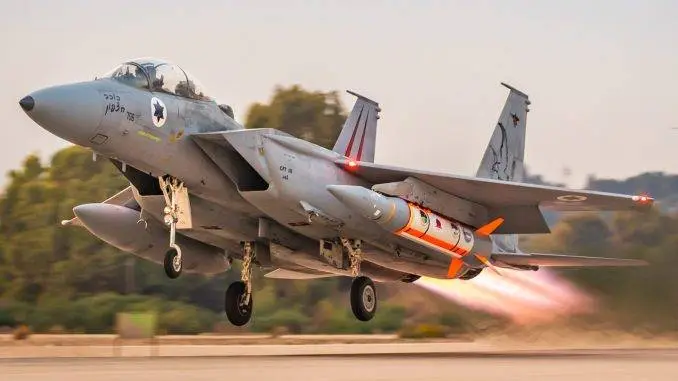
A 2,000 km Range
The 1,900 kg weapon can travel approximately 2,000 kilometres to strike its target. This massive standoff range means the missile can be fired well outside enemy airspace, entirely bypassing border radar systems during the initial launch phase.
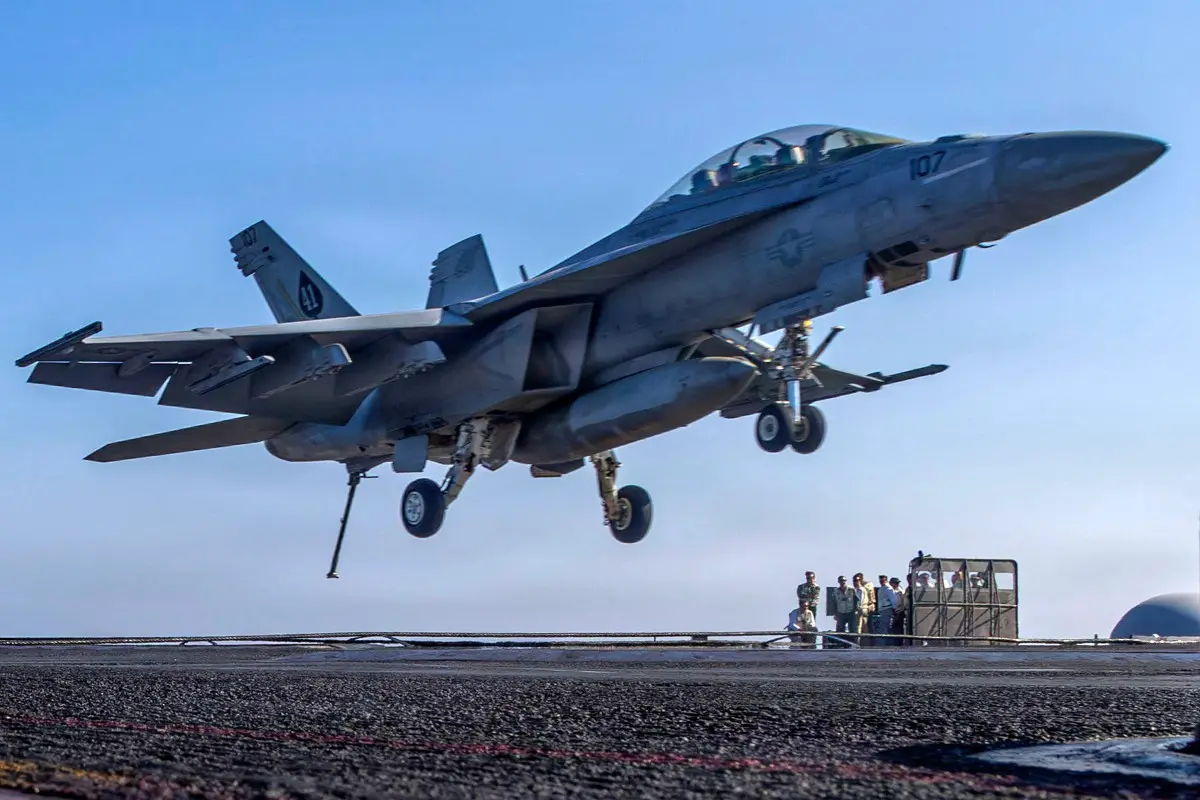
Reaches Edge of Space
Once released, a solid-rocket booster propels the 6.5-metre missile steeply upward. It follows a quasi-ballistic trajectory, briefly grazing the edge of the Earth's atmosphere before preparing for its rapid descent back down.
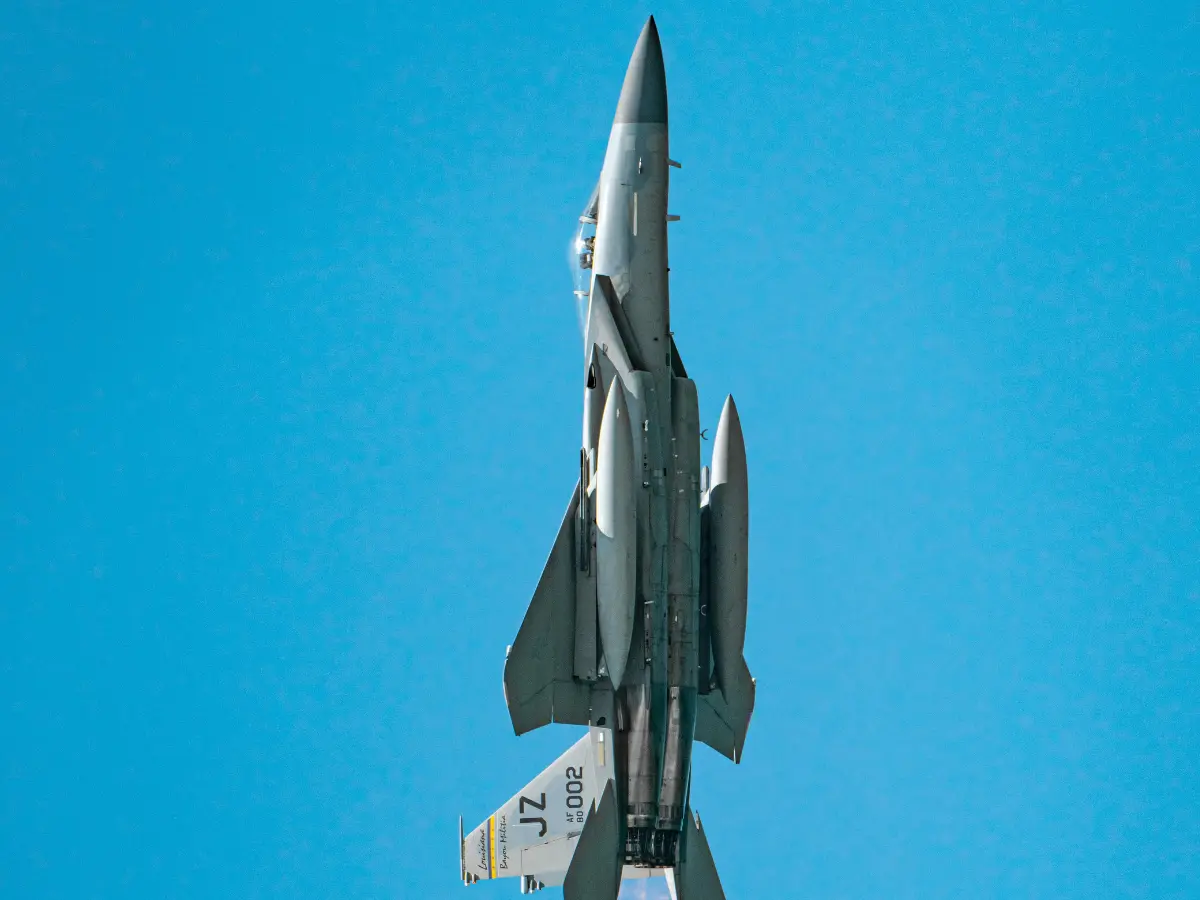
Detaches Re-entry Vehicle
At its peak altitude, the front section of the missile detaches from the main body. This smaller re-entry vehicle is much harder for radar to track because of its reduced radar cross-section as it begins its downward journey.

Vertical High-Speed Drop
The detached vehicle falls almost straight down at several times the speed of sound. Conventional air defence systems are designed to monitor the horizon for threats coming in at an angle, making them blind to a direct top-down assault.

Guided by Dual Navigation
The falling warhead uses small built-in thrusters to stay perfectly on course. It relies on a dual GPS and inertial navigation system to make continuous micro-adjustments, ensuring it hits the target with extreme accuracy.
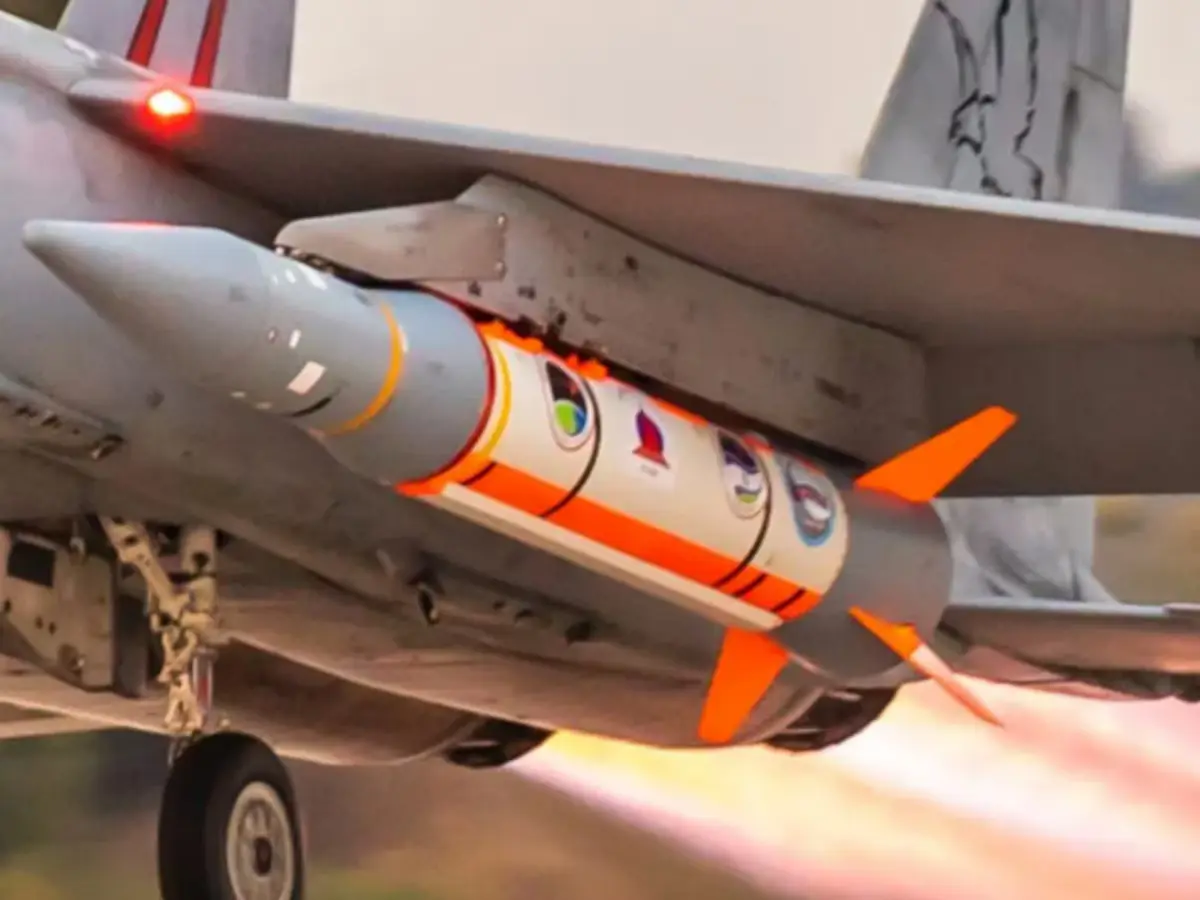
Leaves No Reaction Window
Because it drops vertically at extreme velocities, ground radars detect it much too late. By the time an anti-aircraft system identifies the incoming threat, there are only seconds left, giving operators almost zero time to react.
)
)
)
)
)