Why is US massing F-35, F-22 & F-16 fighter jets around Iran amid sensitive nuclear talks: Show of force or pre-strike signal?

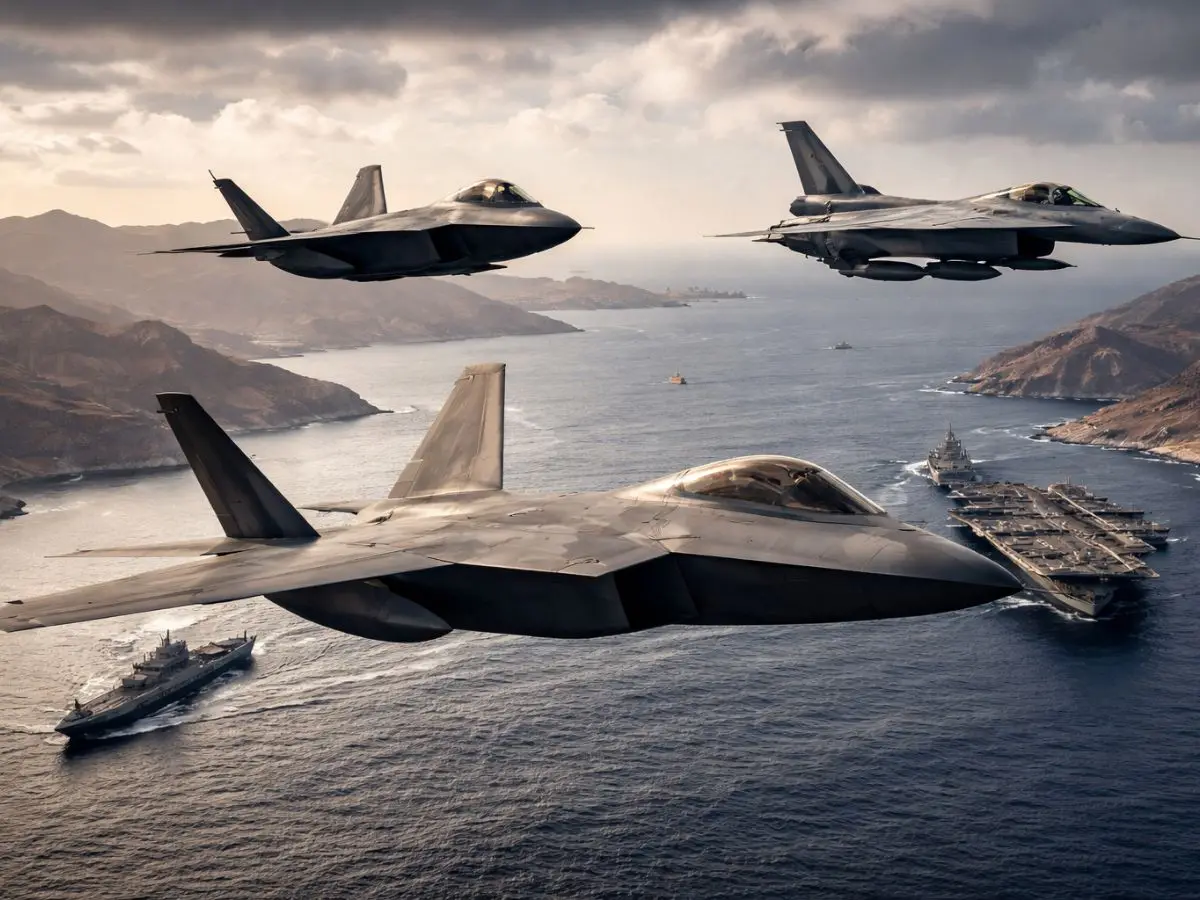
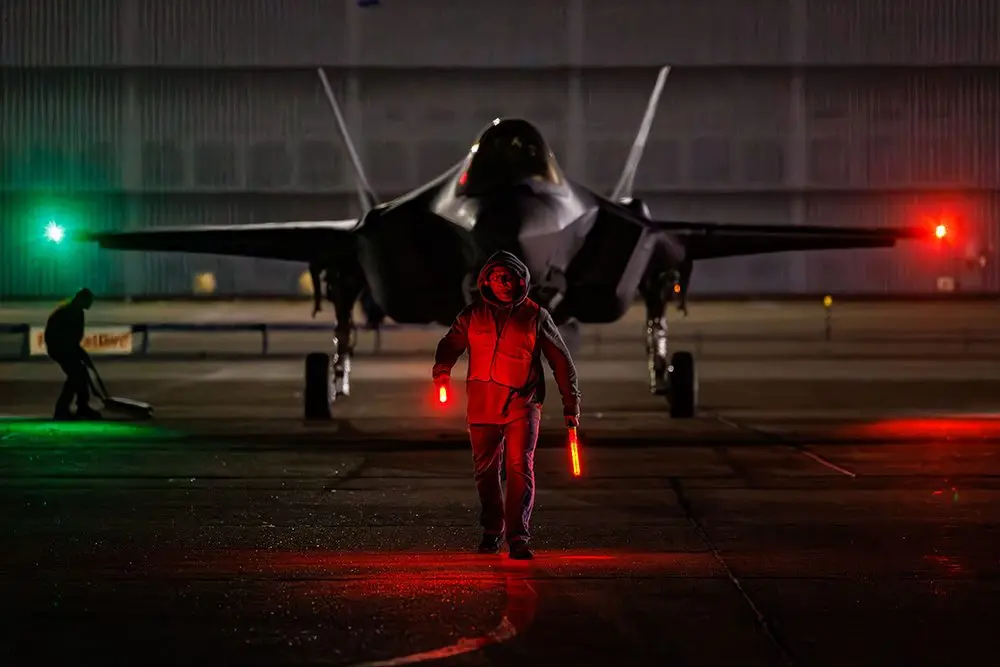
The aircraft movements recorded include multiple squadrons of F-35s, F-22s and F-16s heading toward the region along with aerial refuelling tankers, suggesting not just short-range flights but positioning for sustained operations if required.
Nuclear diplomacy resumes under military shadow
Both the United States and Iran said they were making progress after the second round of nuclear negotiations in Geneva on Tuesday, with mediators from Oman facilitating dialogue. Iranian Foreign Minister Abbas Araghchi said both sides had agreed on 'guiding principles' for a potential agreement, though he cautioned that drafting a final text would prove more difficult. The talks follow an earlier meeting held in Muscat and reflect attempts to stabilise a dispute centred on uranium enrichment and sanctions relief. While negotiations continue, Washington has significantly expanded its military deployment across the Middle East.
Fighter jets and carrier groups expand regional footprint
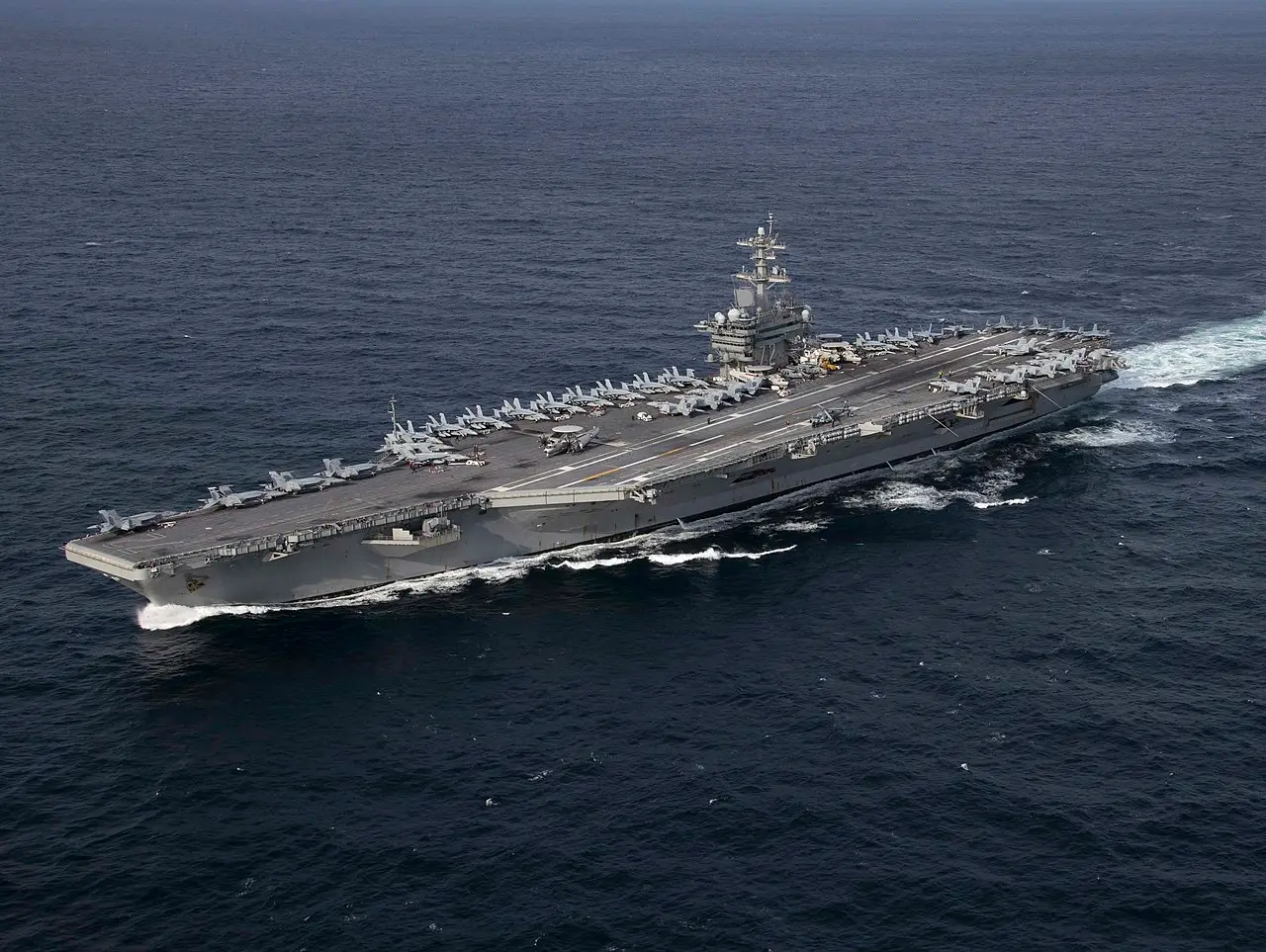
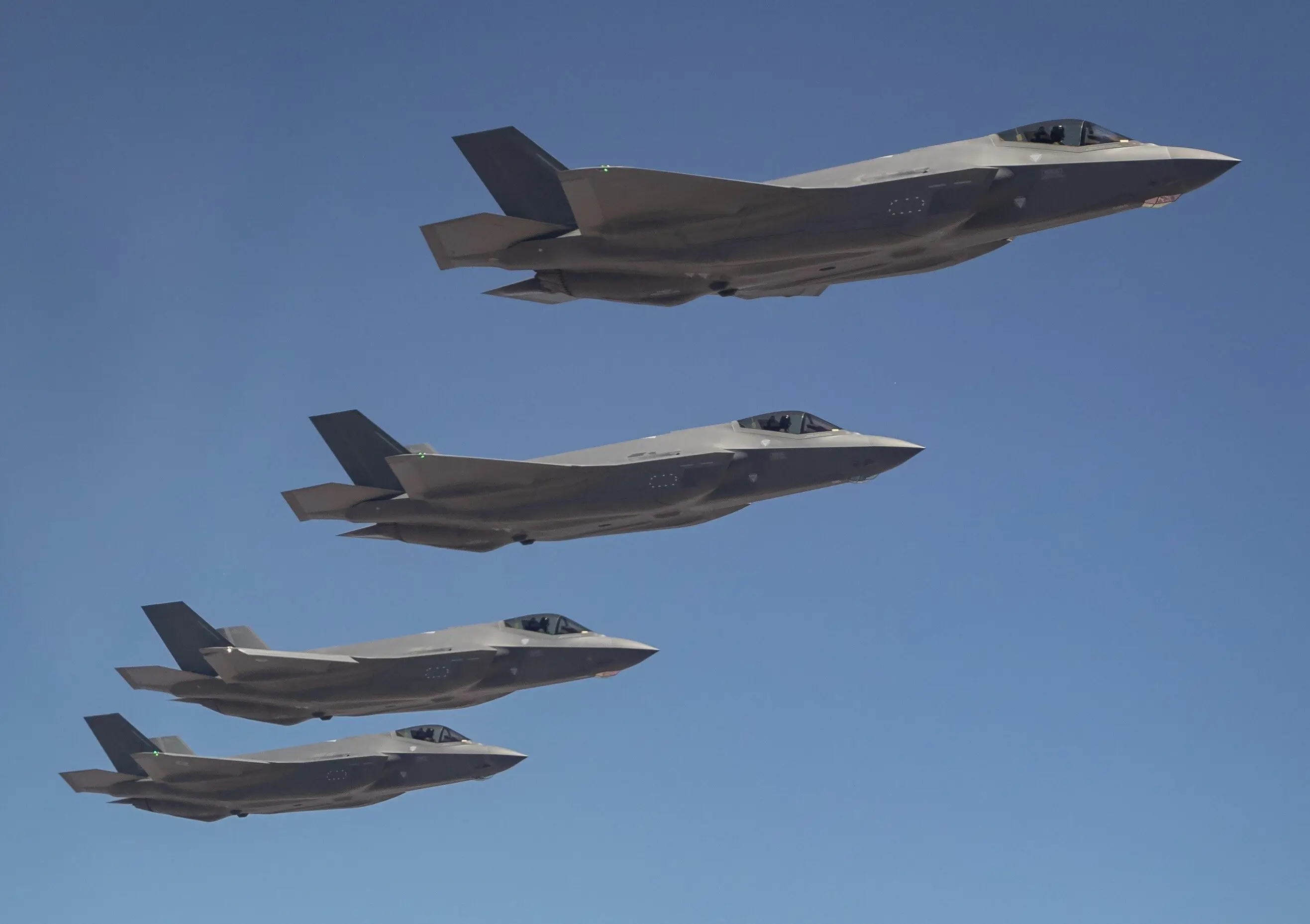
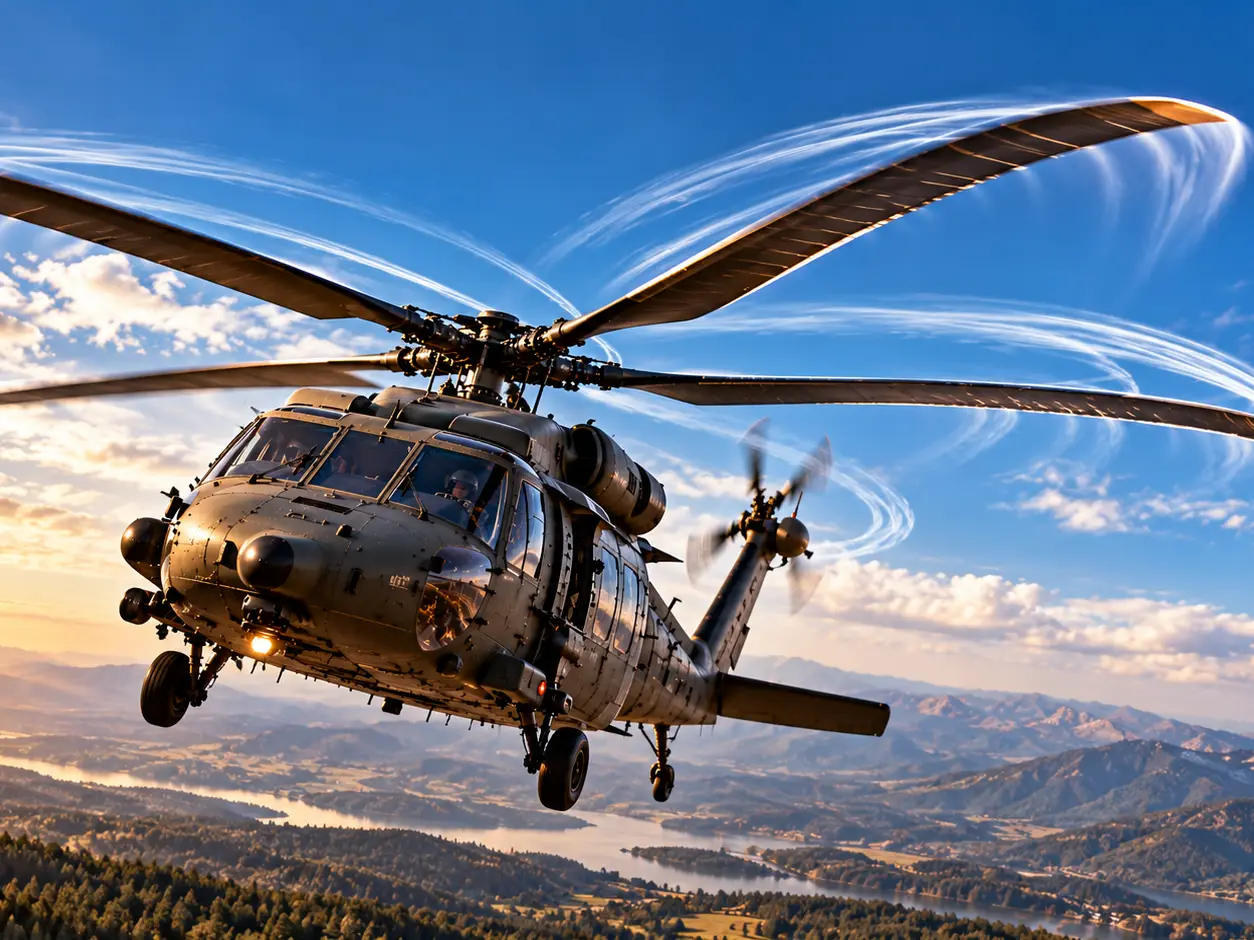
The United States moved more than 50 fighter jets toward the Middle East in the past 24 hours, reported several media outlets. The aircraft movements recorded include multiple squadrons of F-35s, F-22s and F-16s heading toward the region along with aerial refuelling tankers, suggesting not just short-range flights but positioning for sustained operations if required. A second carrier strike group, centred on USS Gerald R. Ford, has joined existing naval assets already operating in the region.
Context of US Strategy
The movement of fighters forms part of a broader military posture designed to influence regional security dynamics, particularly as talks with Iran remain unresolved on key points of a potential nuclear agreement. The presence of these aircraft provides the United States with flexible options that range from deterrence and defence to rapid strike capability.
Naval Drills and Rising Strategic Tensions
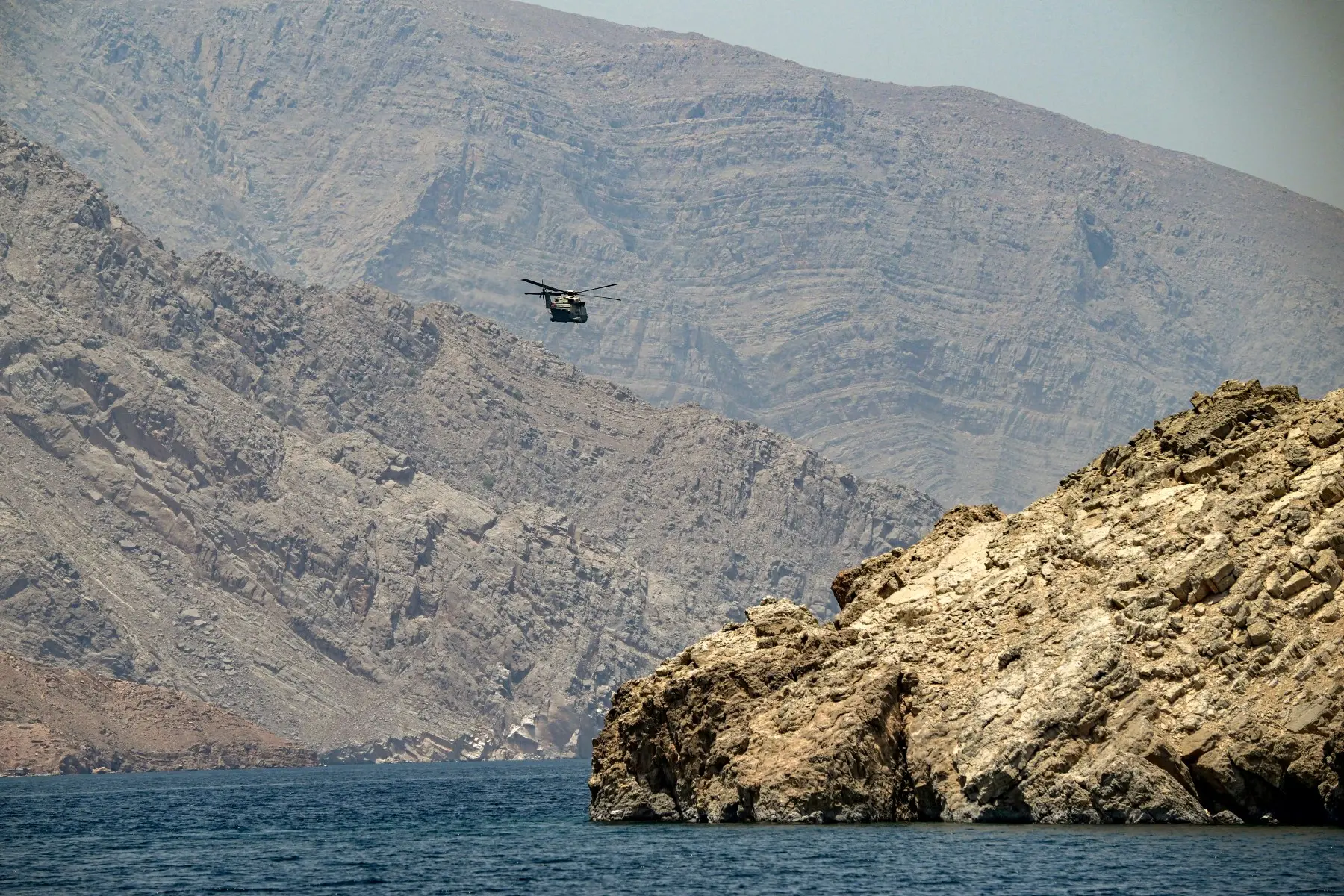
Iran’s announcement of temporary restrictions around the Strait of Hormuz on Tuesday, for live-fire naval drills can reasonably be viewed as one of the triggers for heightened US military vigilance in the region. The drills coincided with indirect nuclear negotiations between Iran and the United States in Geneva. The Strait of Hormuz is one of the world’s most critical maritime chokepoints. Roughly 20 per cent of global oil shipments transit through this narrow passage connecting the Persian Gulf to international sea routes. Any disruption, even temporary training restrictions, is closely monitored by global energy markets and military planners because it can affect shipping security and fuel prices worldwide.
Echoes of previous military operations
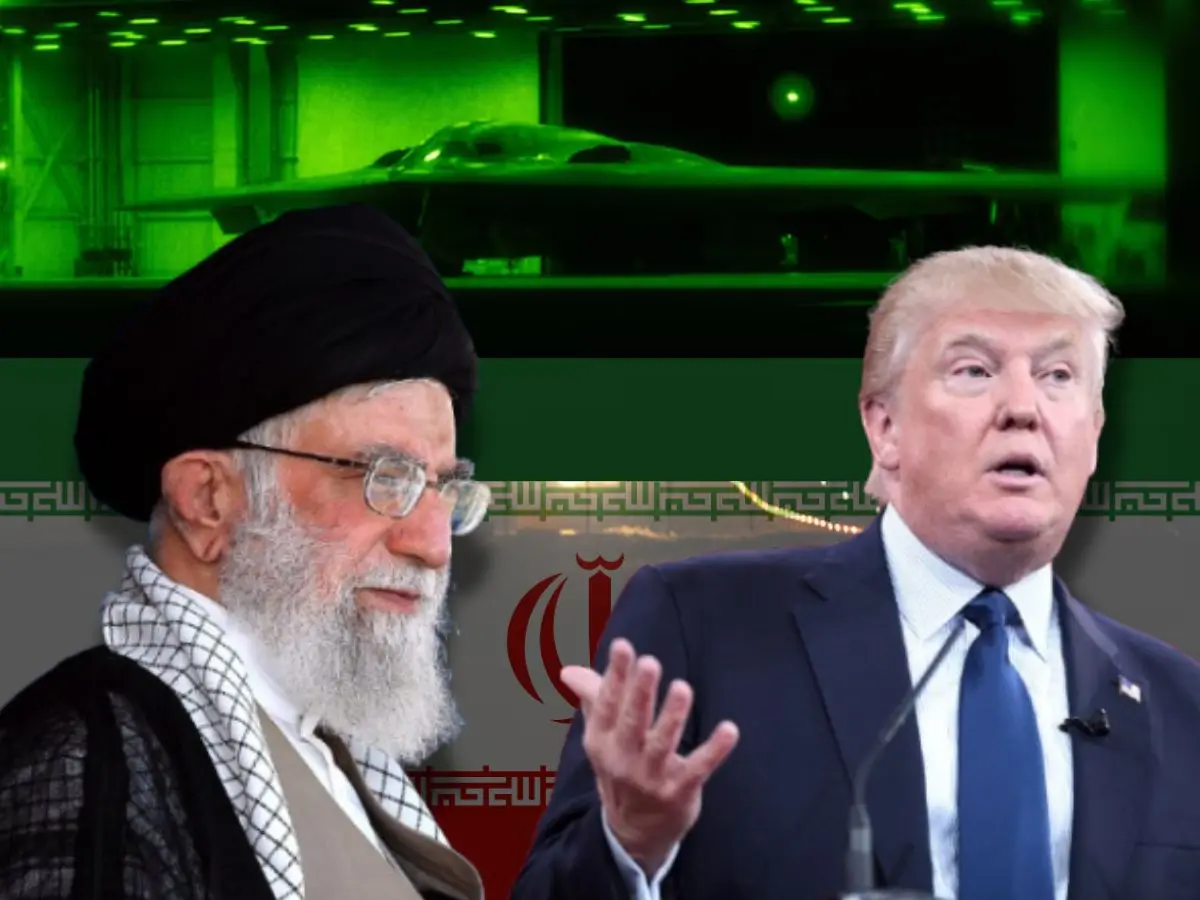
Several of the aircraft deployed mirror those used during Operation Midnight Hammer in June 2025, when US forces targeted Iranian nuclear infrastructure. That operation marked one of Washington’s most direct military actions against Iranian facilities in decades and reinforced US willingness to use advanced stealth and precision strike platforms if negotiations fail.
Washington’s stated red lines and political messaging
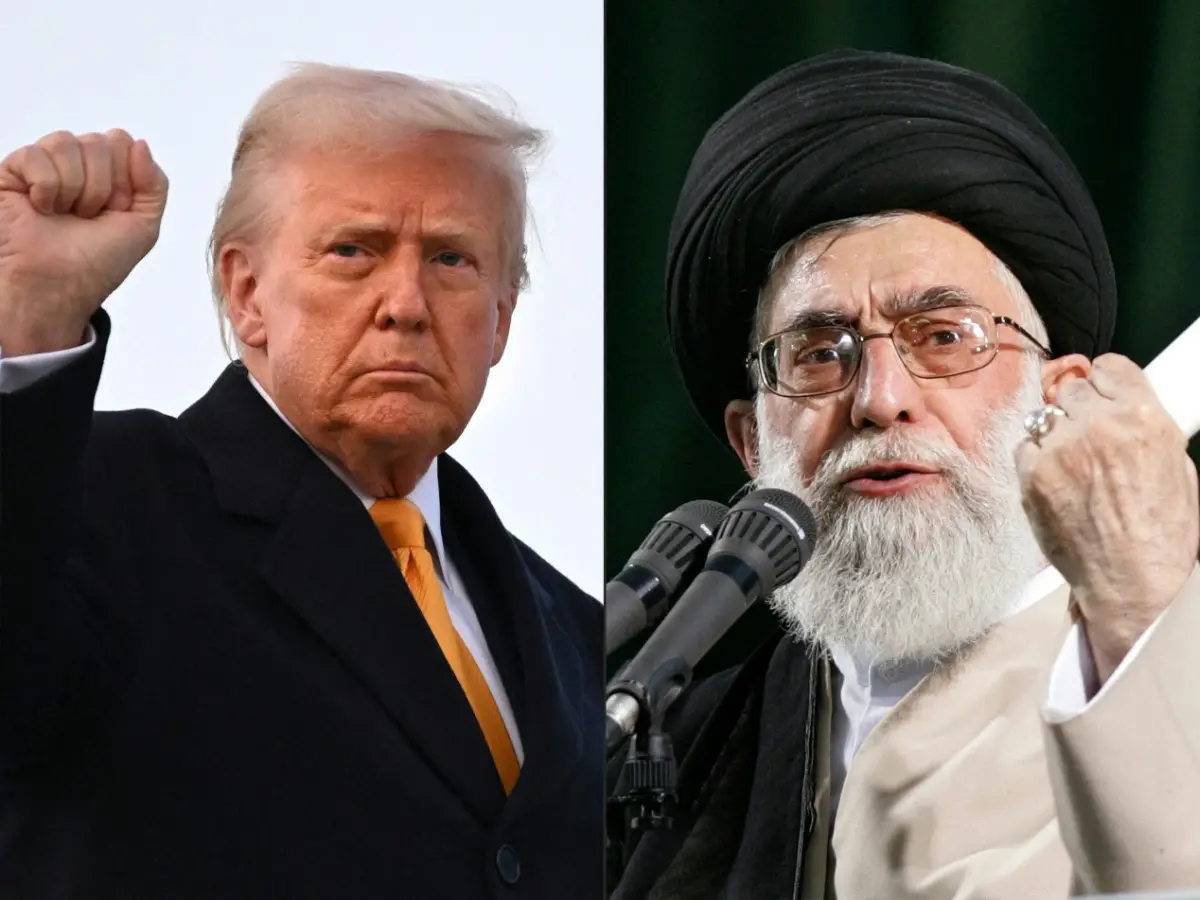
US officials continue to emphasise that preventing Iran from developing nuclear weapons remains a firm strategic objective. Speaking to Fox News, Vice President JD Vance stated that Tehran had yet to fully address President Donald Trump’s demands regarding uranium enrichment limits. He described the talks as partially constructive but unresolved.
Deterrence versus Offensive Posture
This deployment could primarily indicate in terms of deterrence and readiness, aimed at dissuading escalation by Iran or Iran-aligned forces. At the same time, the concentration of air power and supporting assets reflects preparedness for a range of contingencies should diplomatic efforts fail.
)
)
)
)
)