Why is this cheese banned in some parts of the world?

Casu Marzu is a Sardinian cheese banned in the EU due to health risks from live insect larvae. Locals still produce it to preserve their heritage.
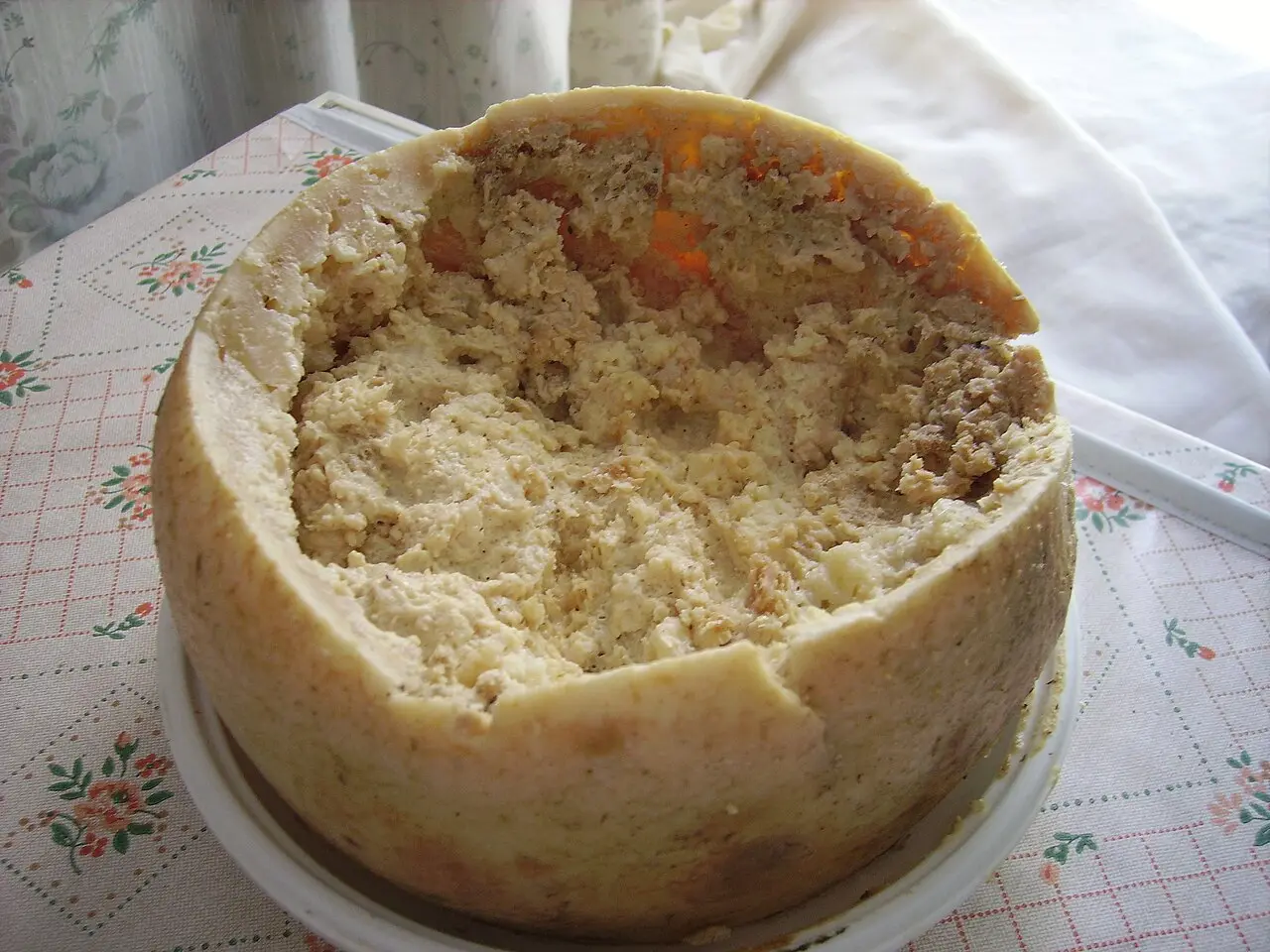
A unique fermentation process
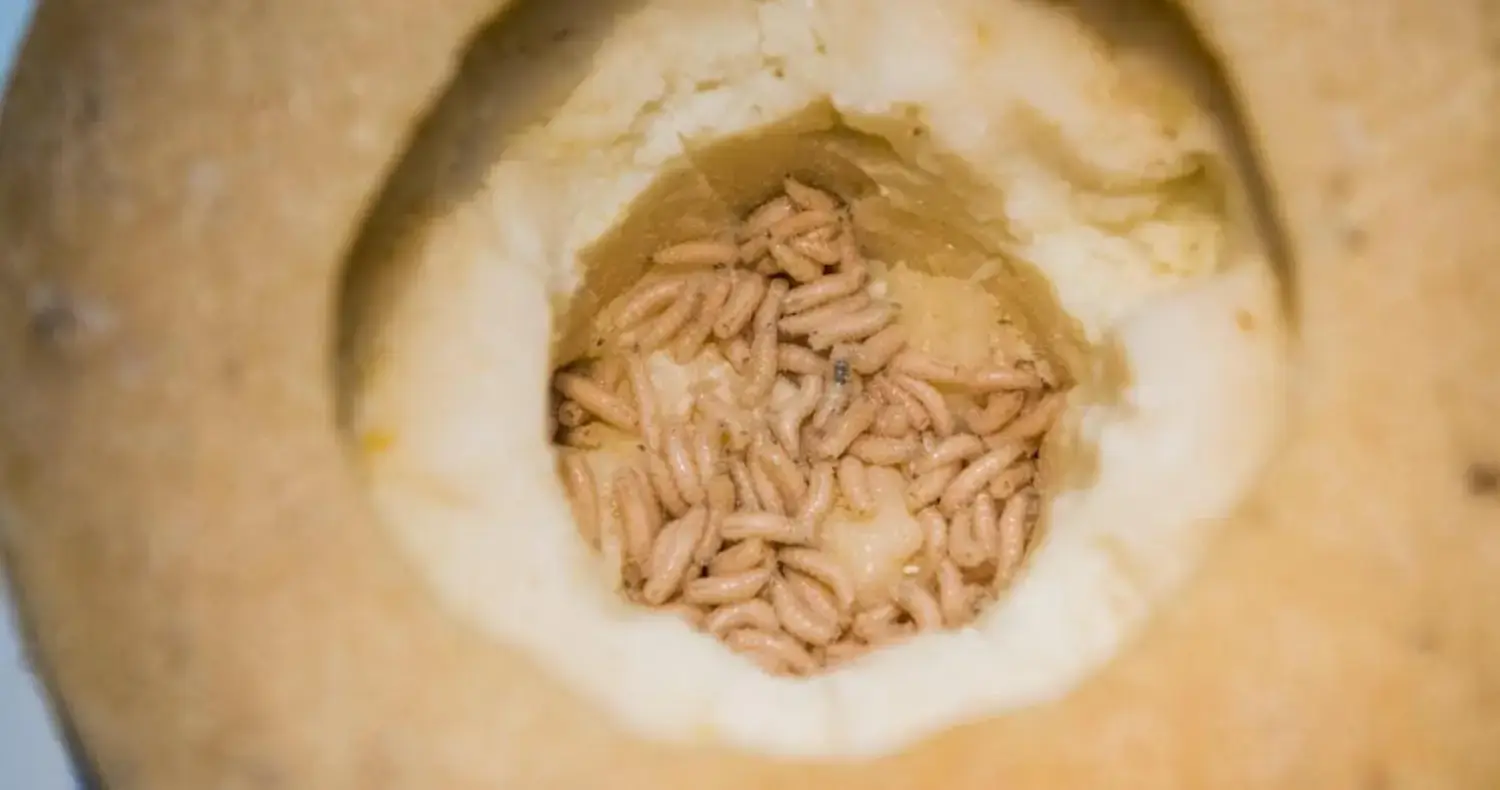
Producers create Casu Marzu by allowing cheese skipper flies to lay eggs inside pecorino cheese. When the eggs hatch, the larvae consume the cheese fats, accelerating fermentation and creating a soft texture. This traditional method transforms the solid pecorino into a pungent, creamy product.
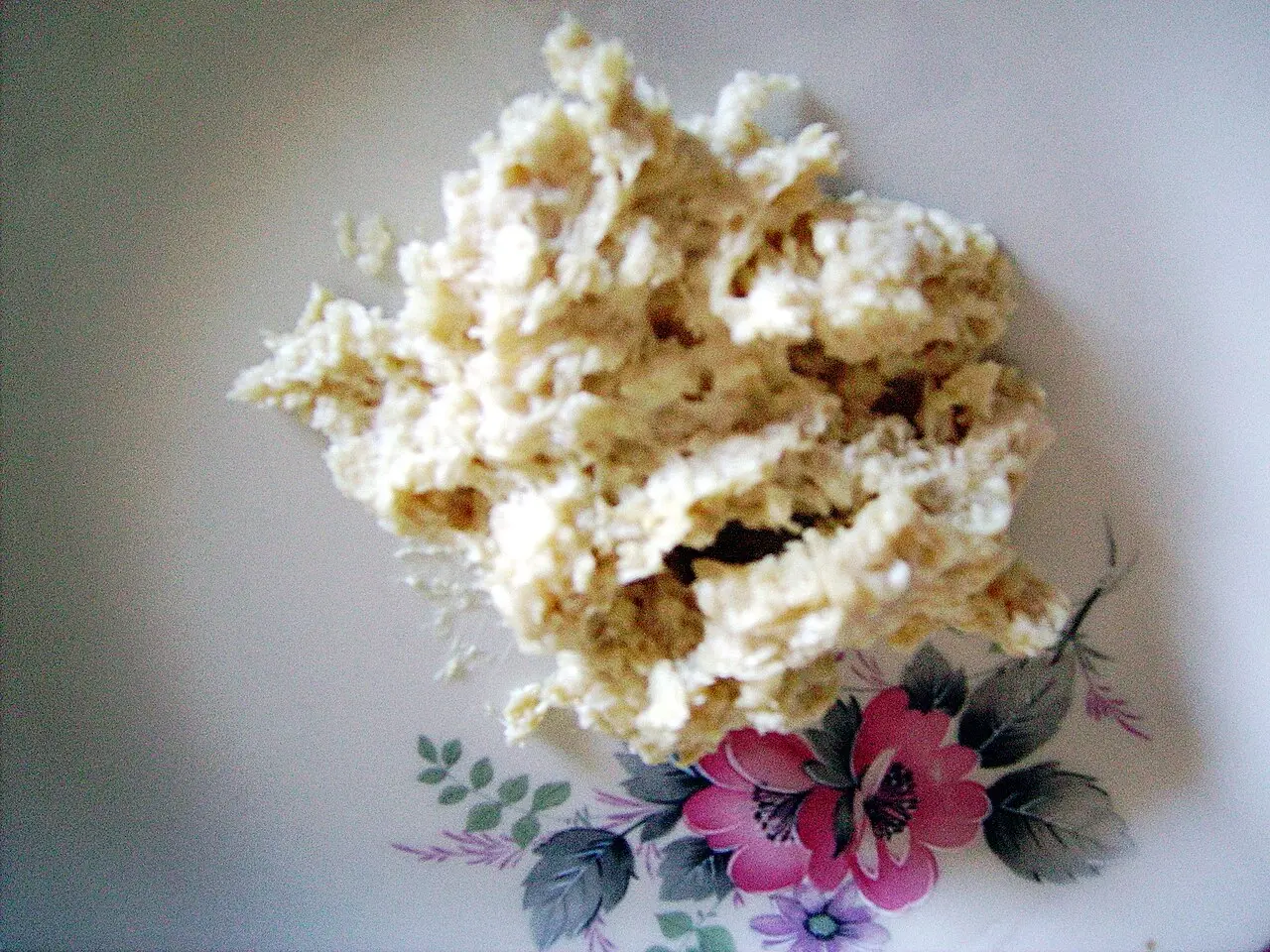
Documented health risks
Food safety experts warn that consuming live larvae poses severe biological risks to human health. The maggots can potentially survive stomach acid and settle in the intestines, causing pseudomyiasis. This condition often leads to serious gastrointestinal distress, including abdominal pain and vomiting.
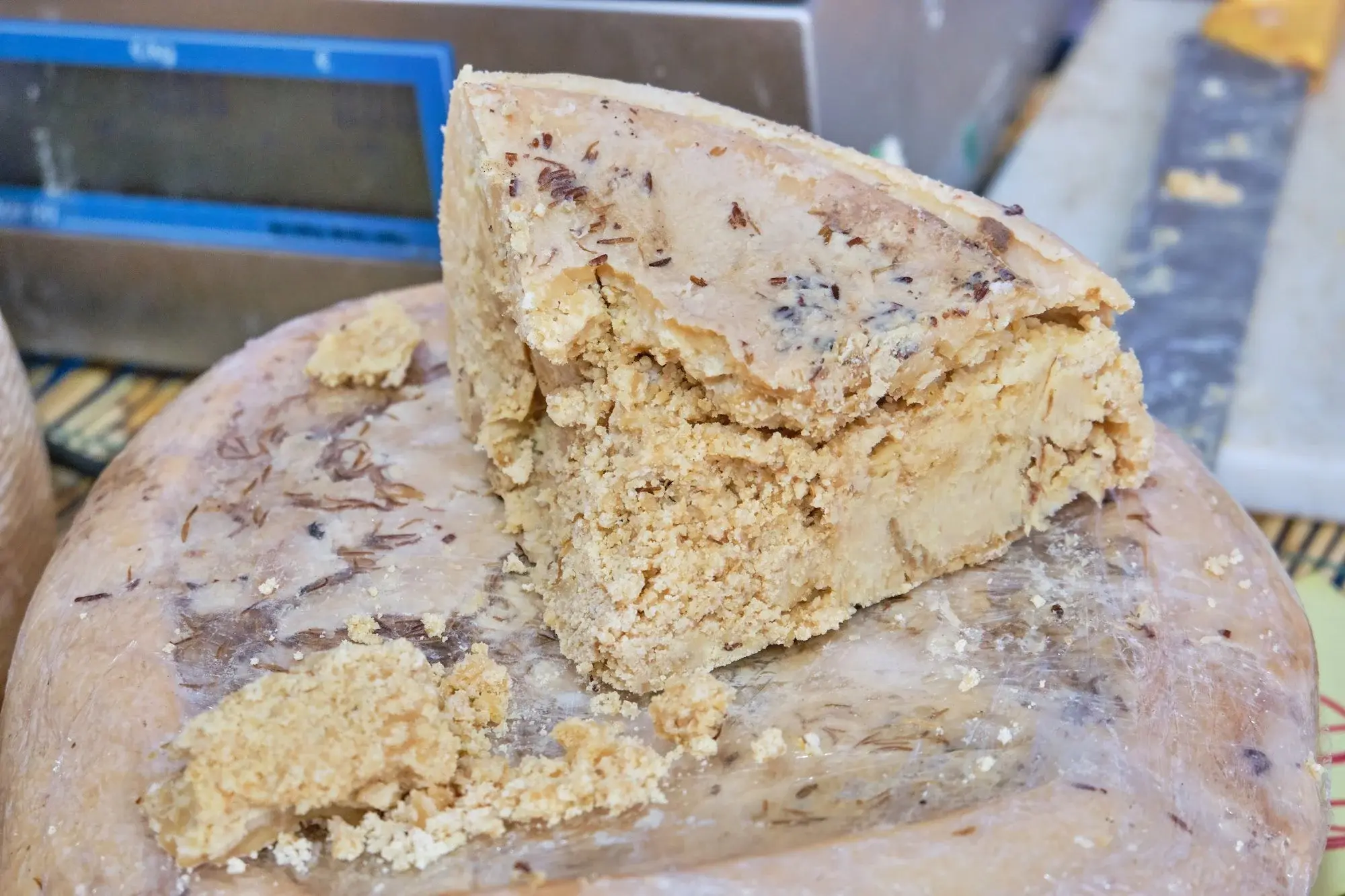
Strict legal prohibitions
The Italian government initially outlawed the sale of Casu Marzu in 1962 due to parasite infestation laws. The European Union later reinforced this ban, preventing the cheese from meeting modern safety standards. Anyone caught selling the product commercially can face significant financial penalties.
The cultural paradox
Despite the strict bans, many Sardinians view the cheese as a vital symbol of their pastoral heritage. Local communities continue to produce it artisanally in domestic settings, treating it as an important tradition. Some groups even advocate for its recognition as an intangible cultural heritage.
A thriving black market
Because supermarkets cannot legally stock Casu Marzu, it trades hands through informal, under-the-counter networks. Estimates suggest illegal production reaches about 100 tonnes annually, generating millions of euros. Buyers often pay double the price of standard pecorino to acquire this prohibited regional item.
)
)
)
)
)