Why is the US military relying most on Tomahawk missiles in the war against Iran?

The US military relies heavily on the Tomahawk cruise missile during the opening phases of conflict with Iran. Tomahawk missiles offer a 1,000-mile range and pinpoint accuracy without risking pilots. Flying just 100 feet above ground, these weapons evade radar.
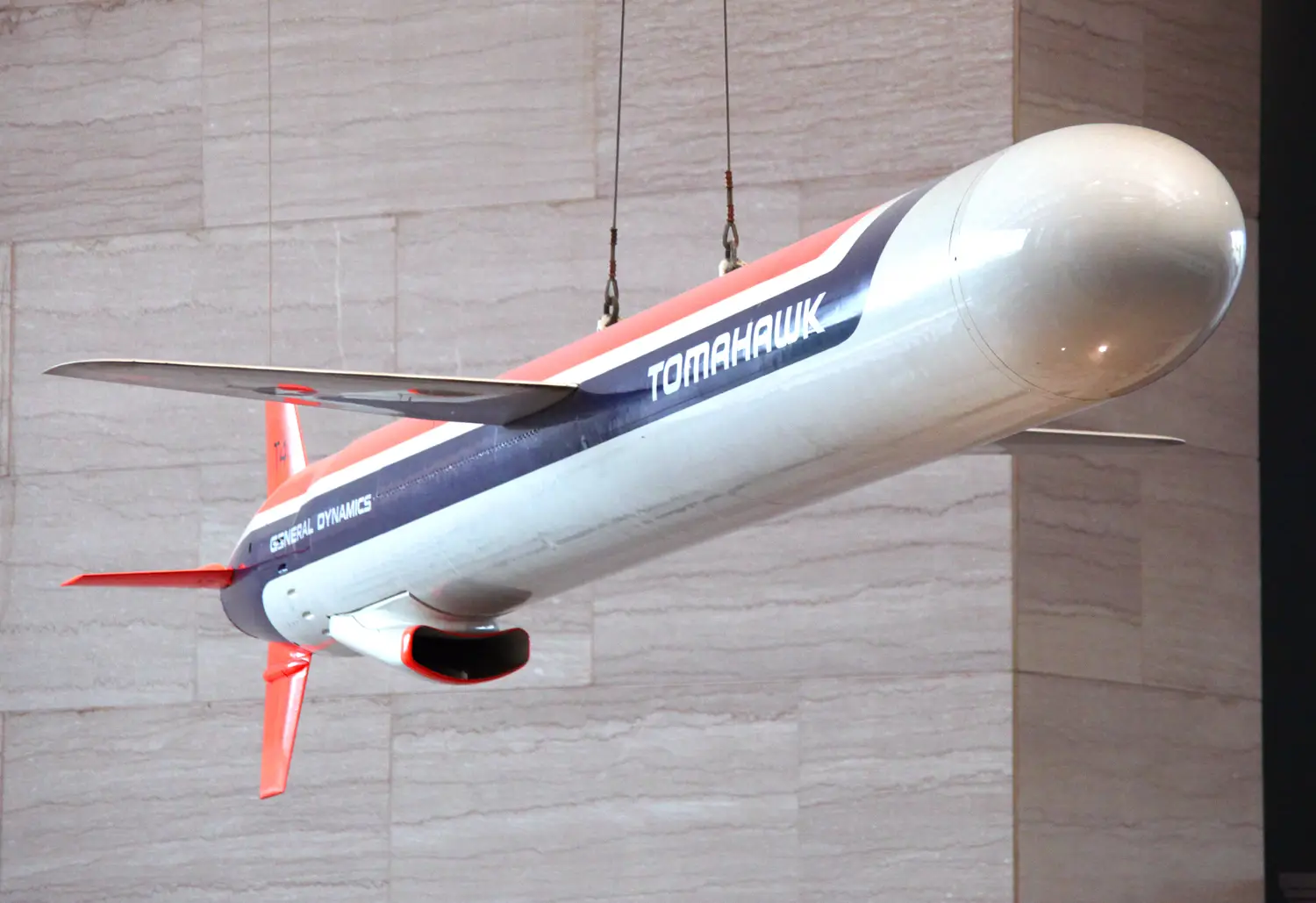
Eliminating pilot risk
The primary advantage of the Tomahawk is that it allows the US Navy to strike heavily defended Iranian targets from afar. This eliminates the need to fly expensive aircraft and vulnerable pilots directly into hostile airspace.
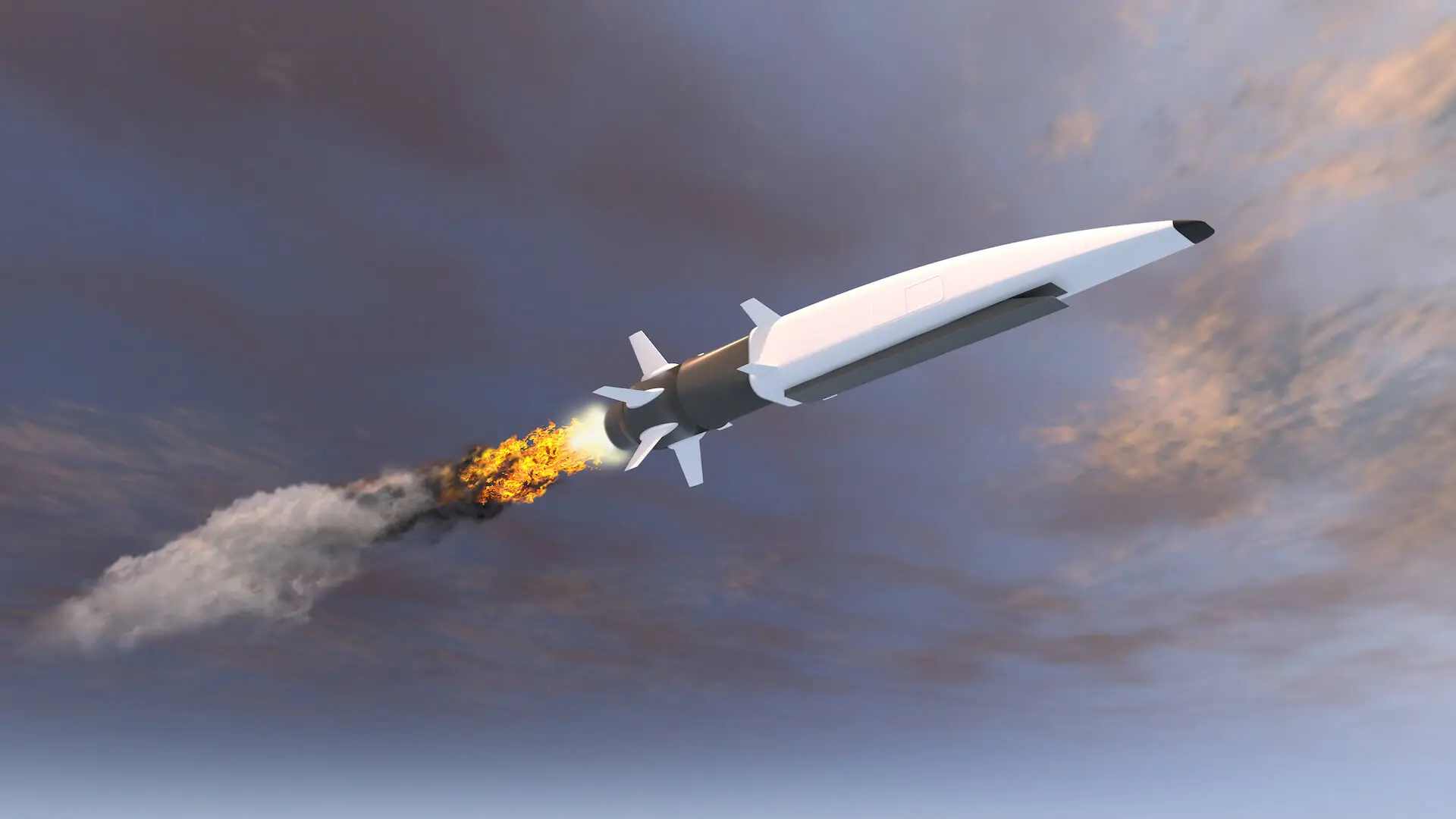
Long-range strike capability
Modern Block IV and V Tomahawk missiles boast an operational range exceeding 1,000 miles (1,600 kilometres). This vast reach allows US warships stationed safely in the Red Sea or the Persian Gulf to hit targets deep inland.
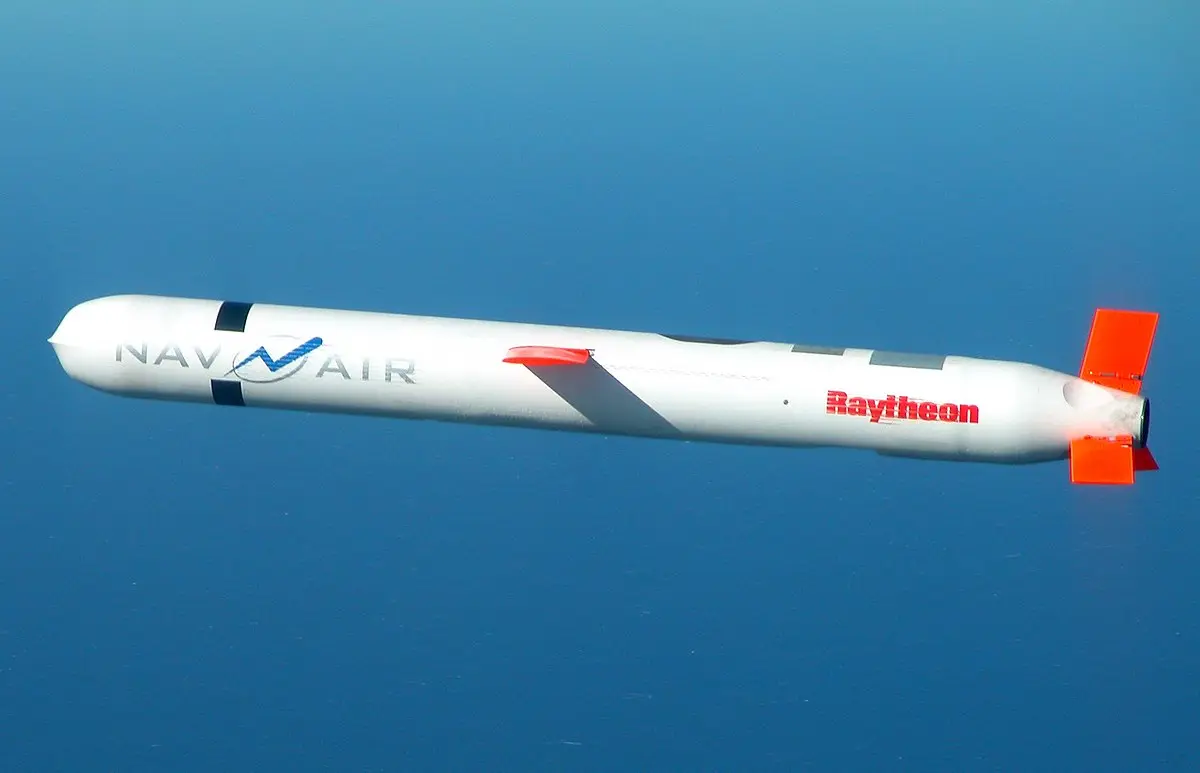
Low-altitude radar evasion
To bypass Iran's advanced air defence networks, the missile hugs the earth's surface during its flight. Travelling at roughly 550 miles per hour at an altitude of just 100 feet, it remains virtually undetectable to standard radar until moments before impact.
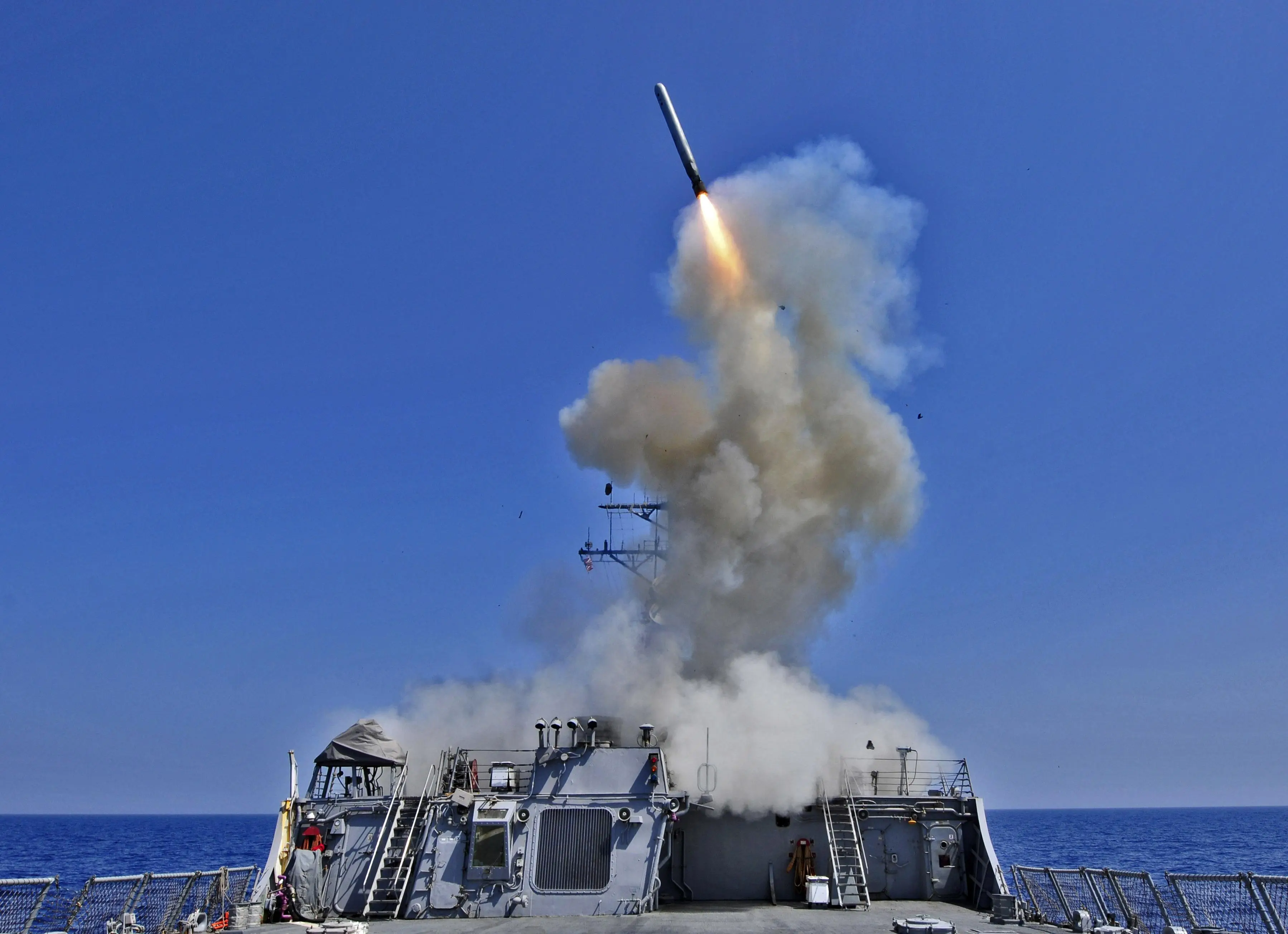
Pinpoint navigation technology
The missile relies on Terrain Contour Matching (TERCOM) and GPS to navigate complex environments. This advanced guidance system ensures precision accuracy, typically striking within 10 metres of its intended target.
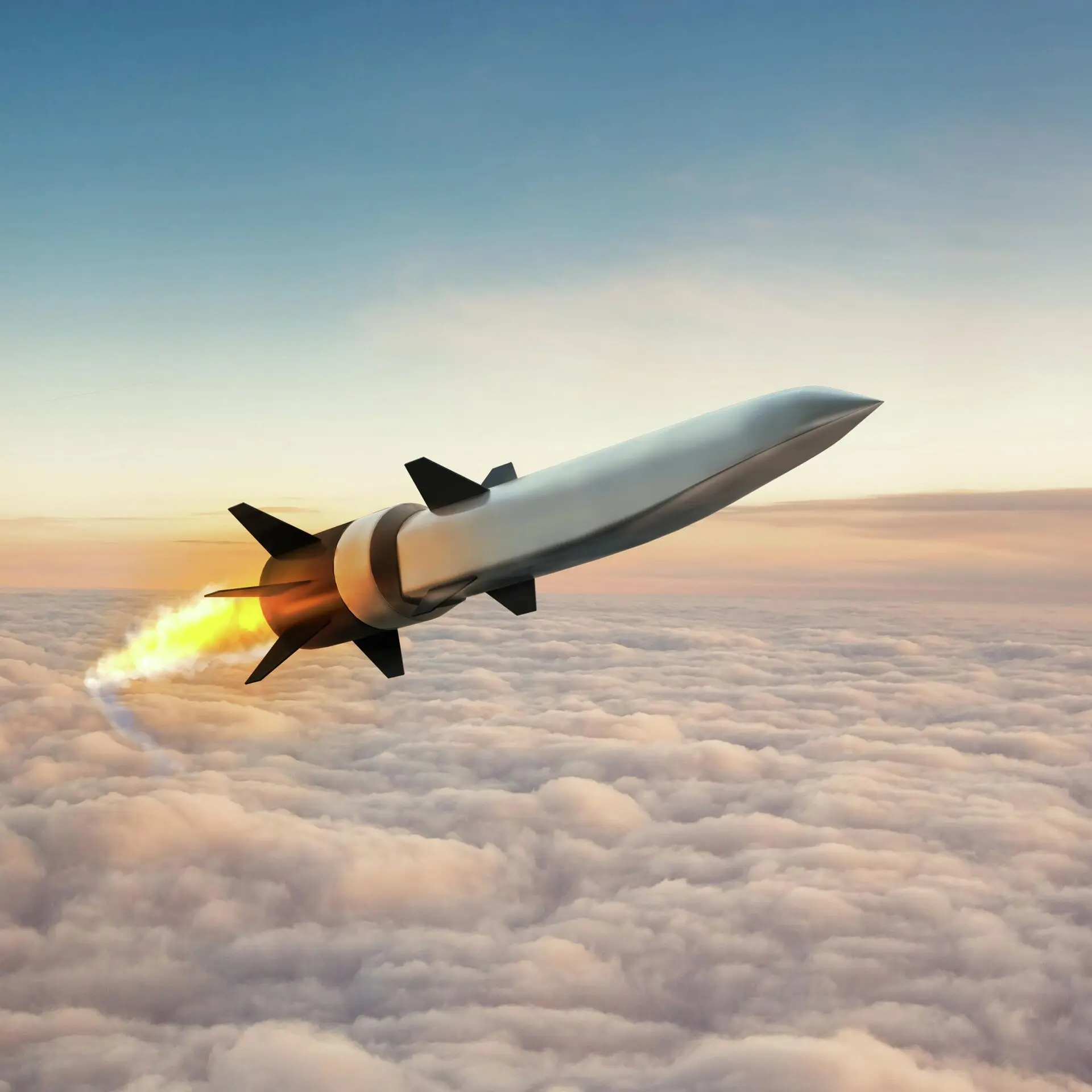
Mid-air target redirection
The latest Tactical Tomahawk variants feature a two-way satellite data link that provides real-time communication. Military commanders can actively reprogram the missile while it is in flight to hit any of 15 alternate targets if battlefield conditions change.
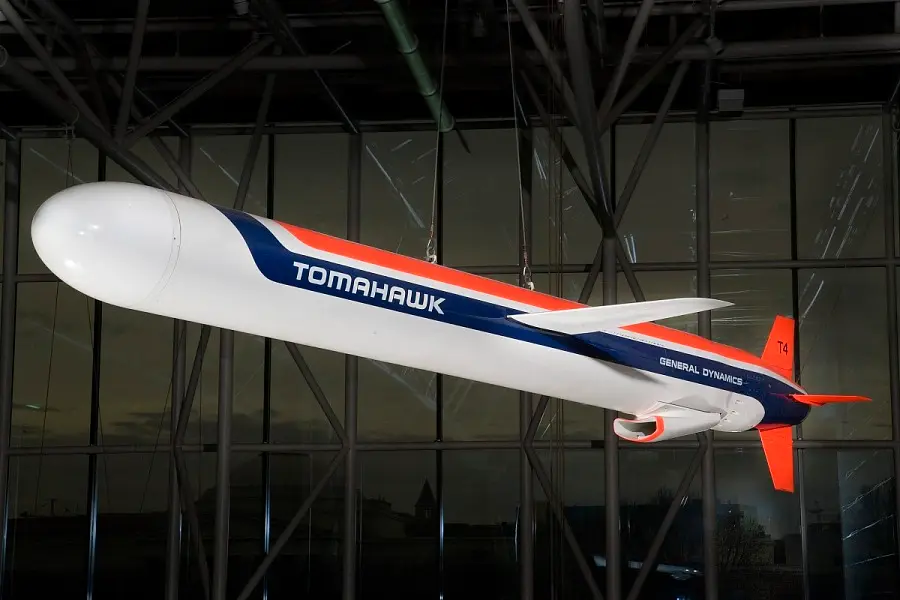
Heavy destructive payload
Each conventional Tomahawk carries a 1,000-pound unitary high-explosive warhead. This immense kinetic power is specifically designed to destroy hardened infrastructure, including command centres and fortified air-defence installations.
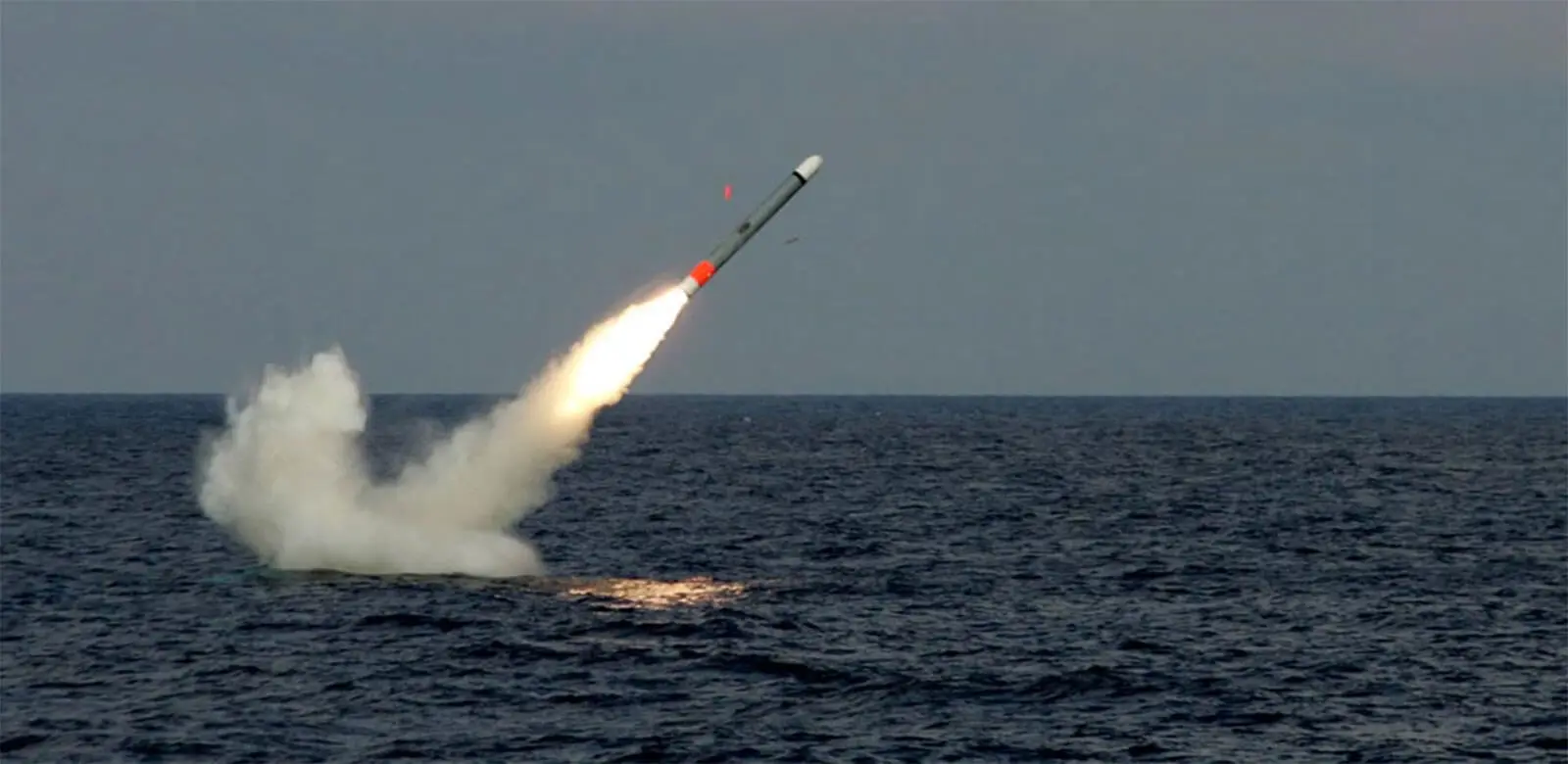
Saturating enemy defences
The US military relies on launching massive volleys of Tomahawks to overwhelm adversary shields. During the initial days of Operation Epic Fury, US forces rapidly fired hundreds of Tomahawk missiles to successfully degrade Iranian military capabilities.
)
)
)
)
)