Why is the paint on the F-22 so difficult and expensive to maintain?

Sustaining F-22 Raptor stealth paint requires expensive three-layer chemical coatings. Supersonic friction and humidity constantly degrade its fragile skin.
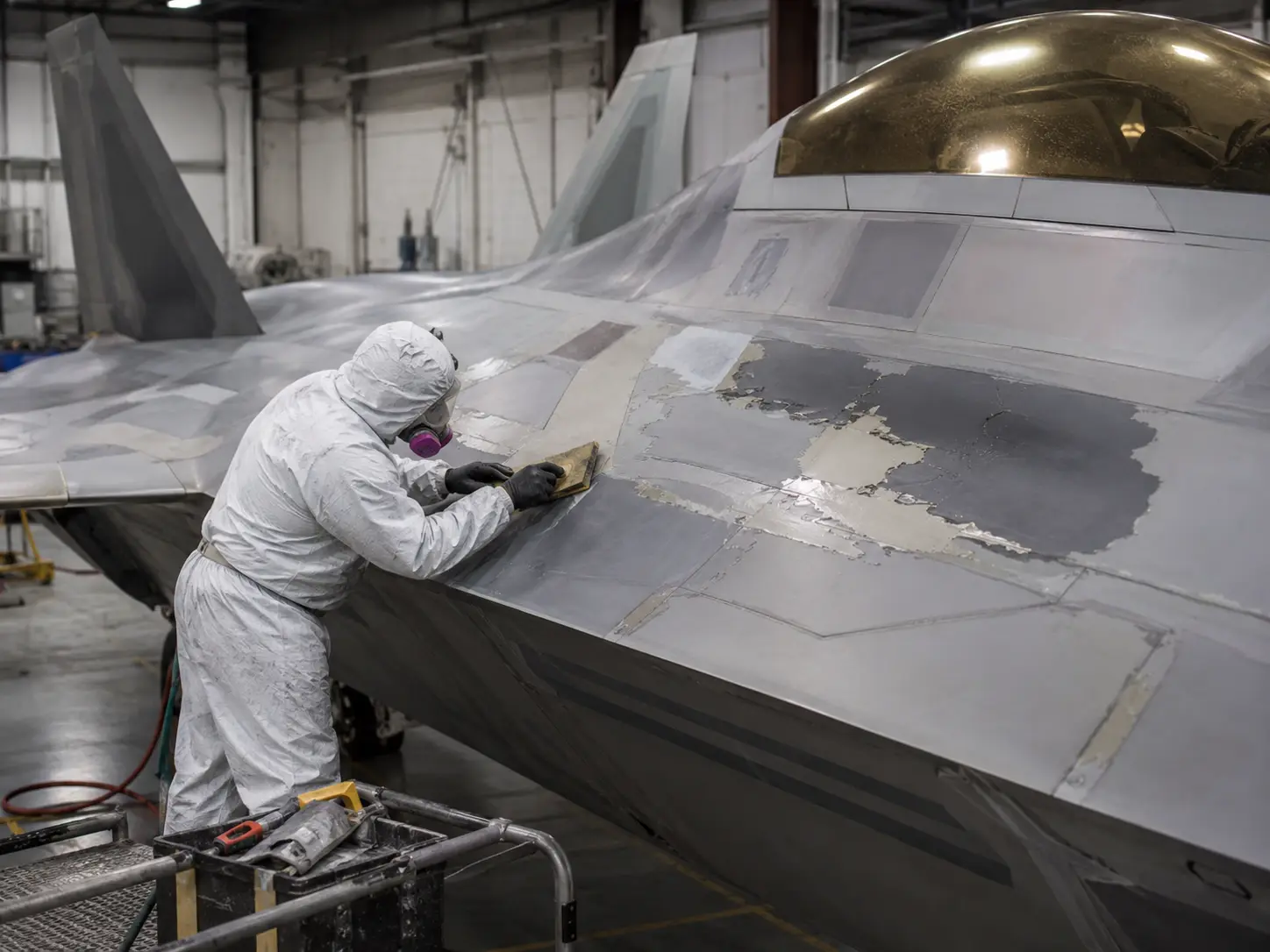
Three intricate coating layers
The fighter relies on a complex three-layer skin finish to evade radar detection. Ground crews apply a sealing adhesive primer, followed by a conductive polyurethane layer filled with silver flakes to absorb electromagnetic frequencies, and a protective metallic topcoat to dissipate infrared heat signatures.
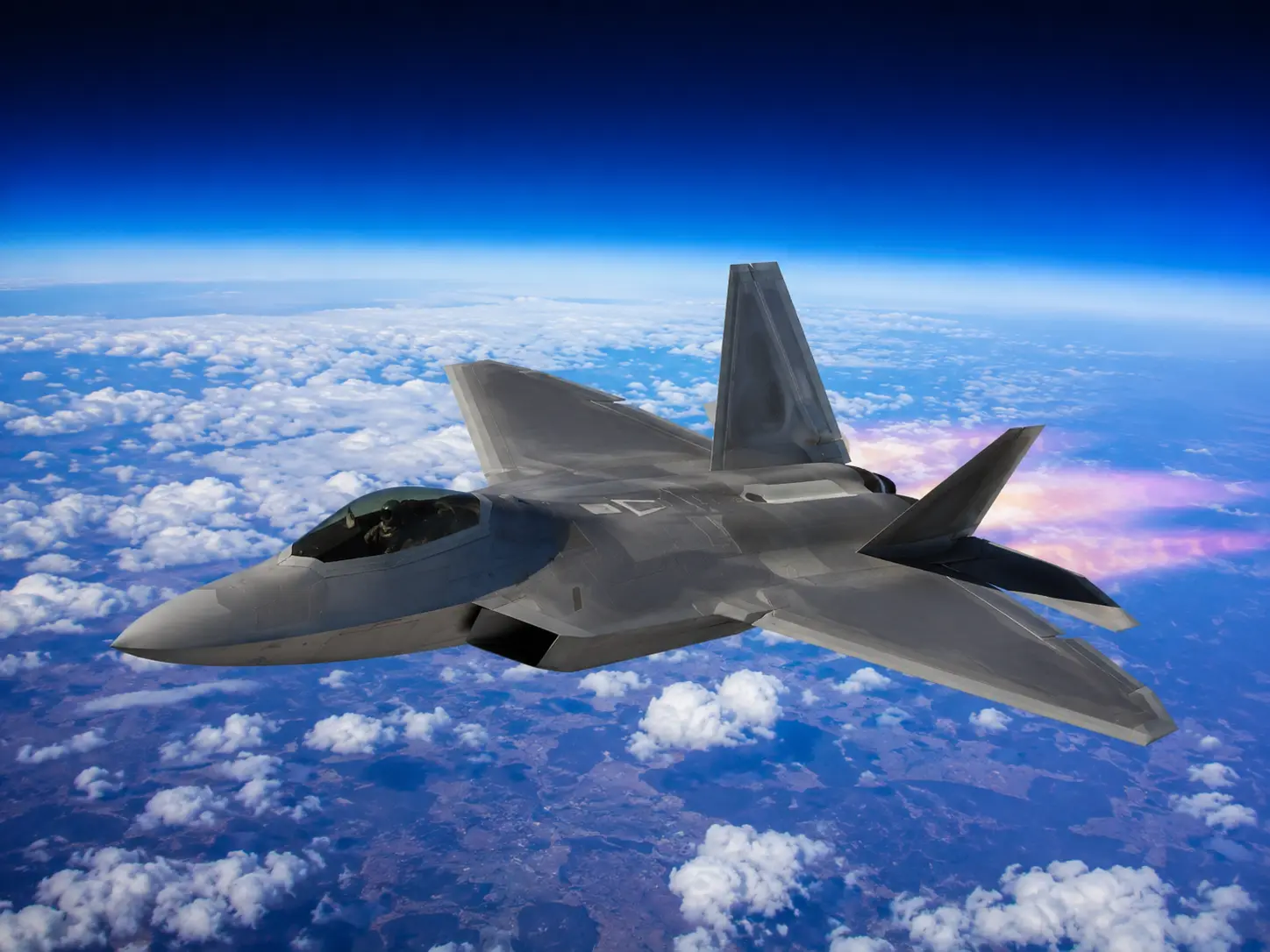
30 ground service hours
For every single hour spent airborne, the jet demands up to 30 hours of intensive ground maintenance. A massive portion of this routine servicing involves inspecting the fragile outer fuselage panels and painstakingly repairing microscopic cracks in the radar-absorbent material.
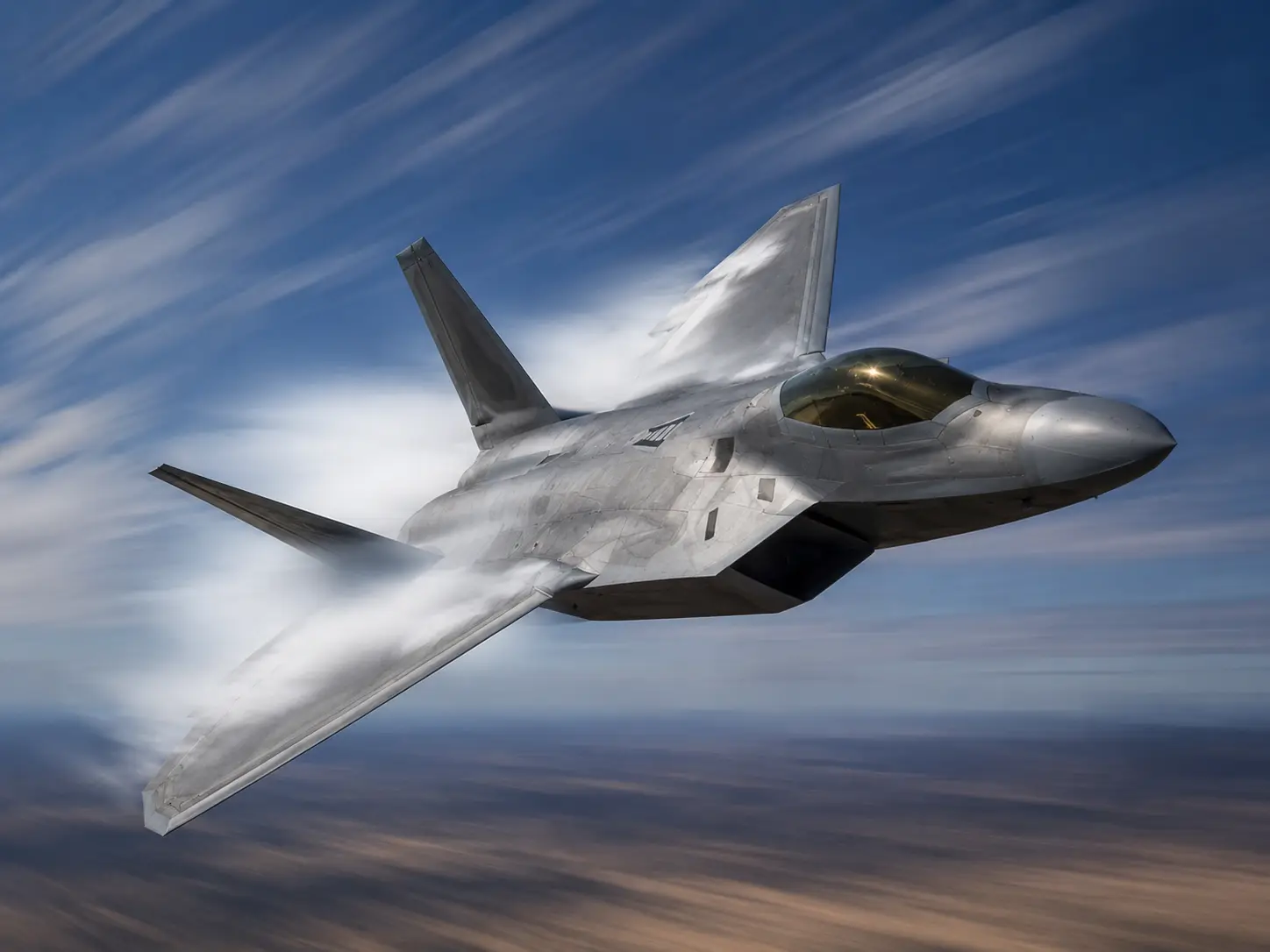
Mach 1.5 supercruise friction
Sustained supercruise speeds of Mach 1.5 and aggressive high-G combat turns subject the external airframe to extreme aerodynamic friction. This intense thermal and physical stress causes the delicate stealth coatings along the leading wing edges to peel, blister, or completely disbond during flight.
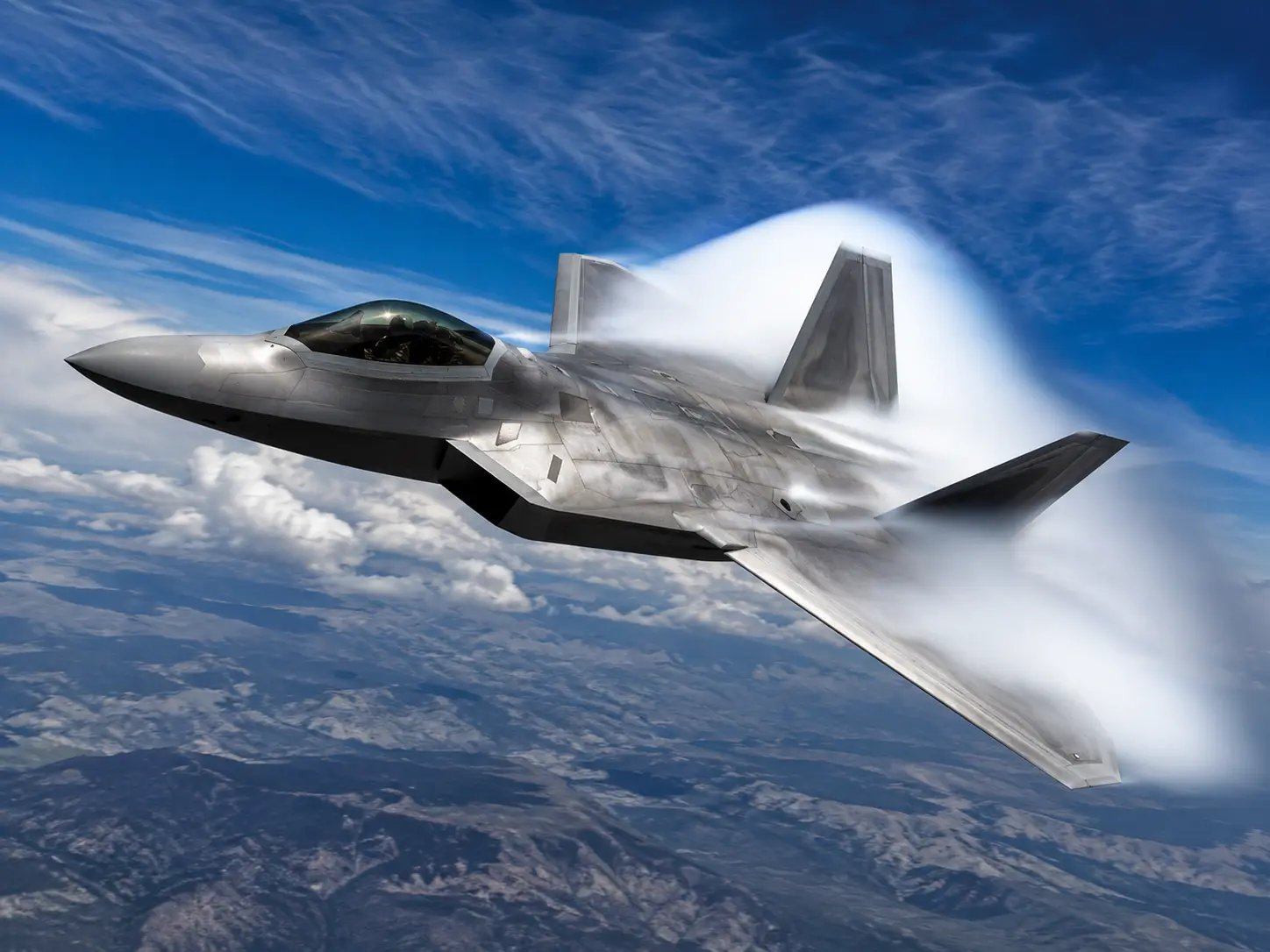
150 necessary skin repairs
When an individual airframe undergoes a major signature reduction overhaul, technicians must perform roughly 150 meticulous surface repairs across 30 distinct exterior panels. Ground maintainers must manually chisel away damaged polymer coatings, clean the underlying structural fasteners, and apply fresh chemical layers.
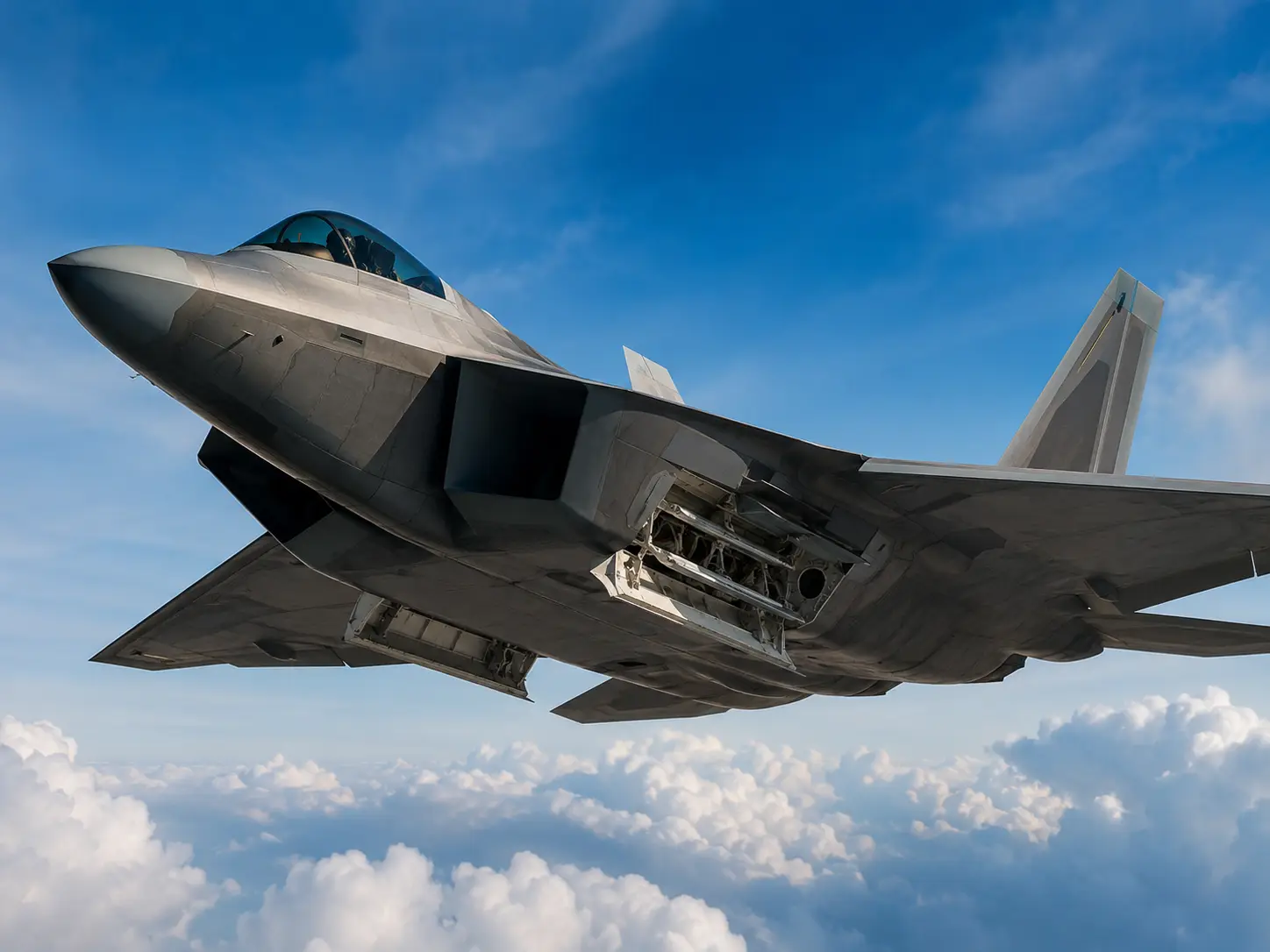
Exactly 195 airframes produced
Because the manufacturing line closed after producing exactly 195 airframes, sustaining the proprietary stealth finish suffers from a severely restricted supply chain. Sourcing bespoke chemical compounds and operating climate-controlled hangars pushes the overall annual maintenance expenditure for the fleet past Rs 13,600 crore.
)
)
)
)
)