Why is the F-22's paint so much more expensive than the B-52 bomber's?

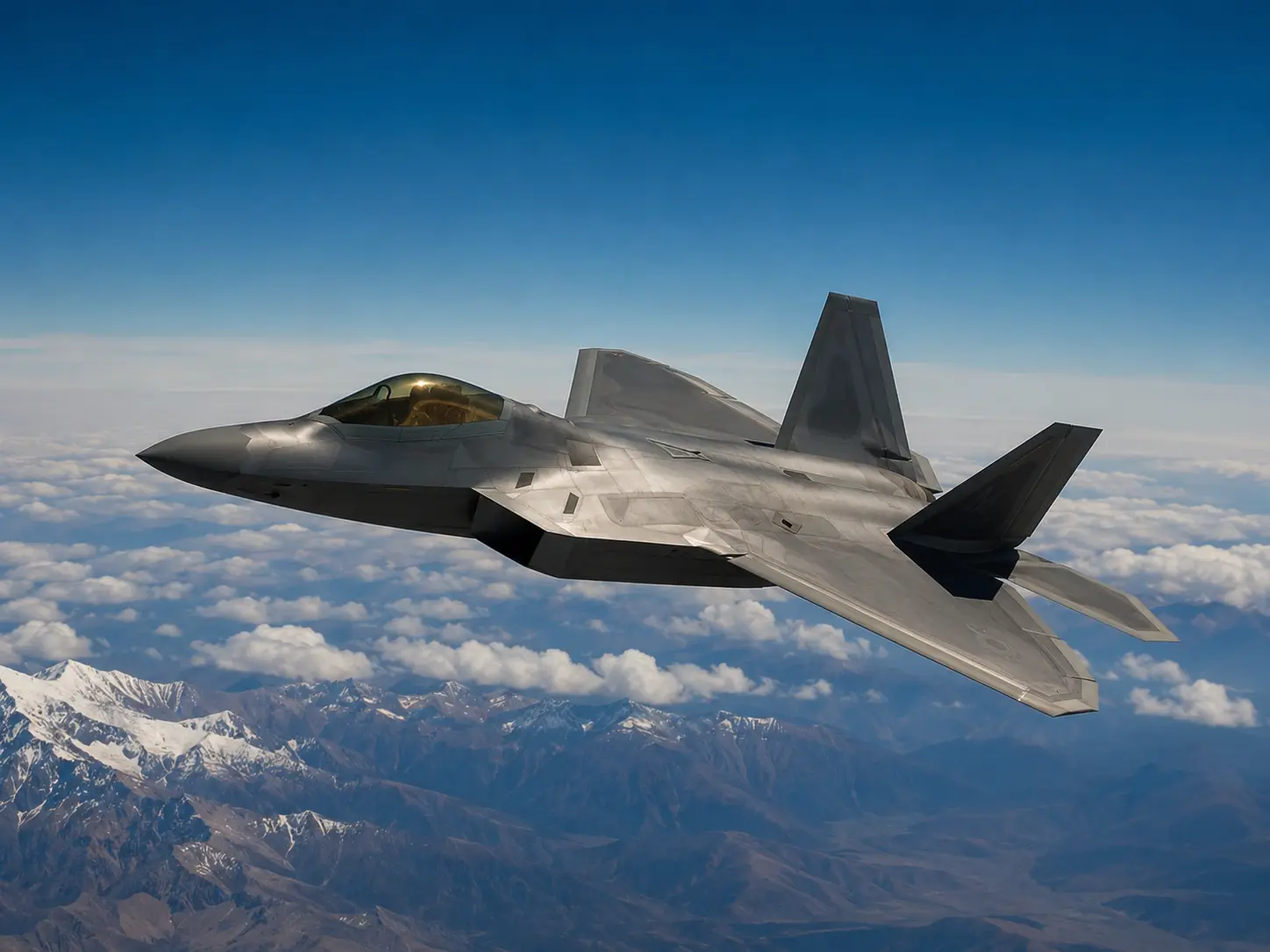
F-22 stealth paint absorbs radar but degrades under Mach 1.5 heat, driving upkeep to $85,000 per flight hour. The B-52 uses standard polyurethane paint designed for low-cost, durable weatherproofing.
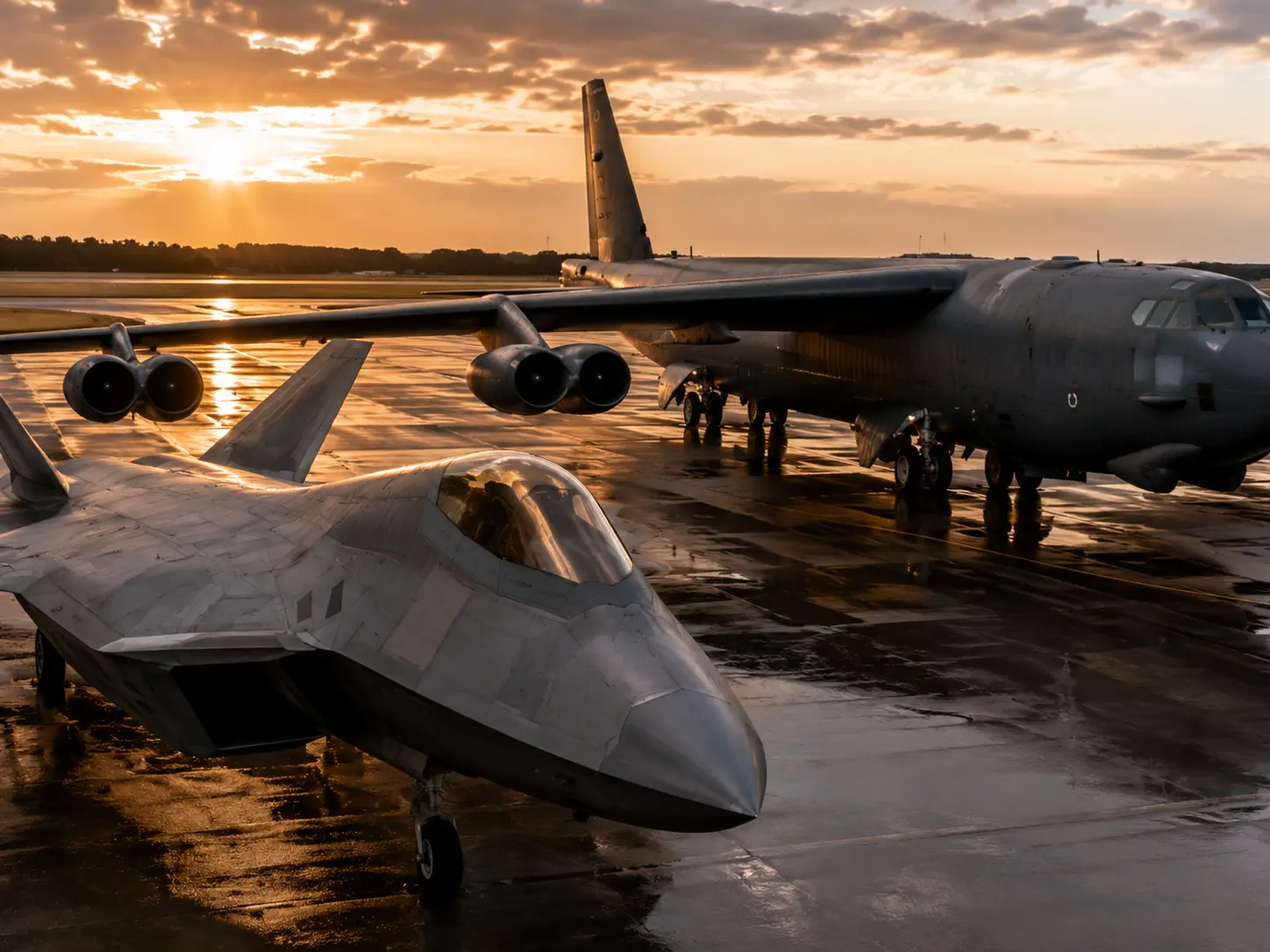
Demands 30 maintenance hours
Maintaining the low-observable profile of the F-22 Raptor is exceptionally labour-intensive. Ground crews must perform approximately 30 hours of meticulous maintenance for every single hour the fighter spends in the air. Roughly 33 per cent of this routine servicing is dedicated entirely to repairing and curing its specialised stealth skin.
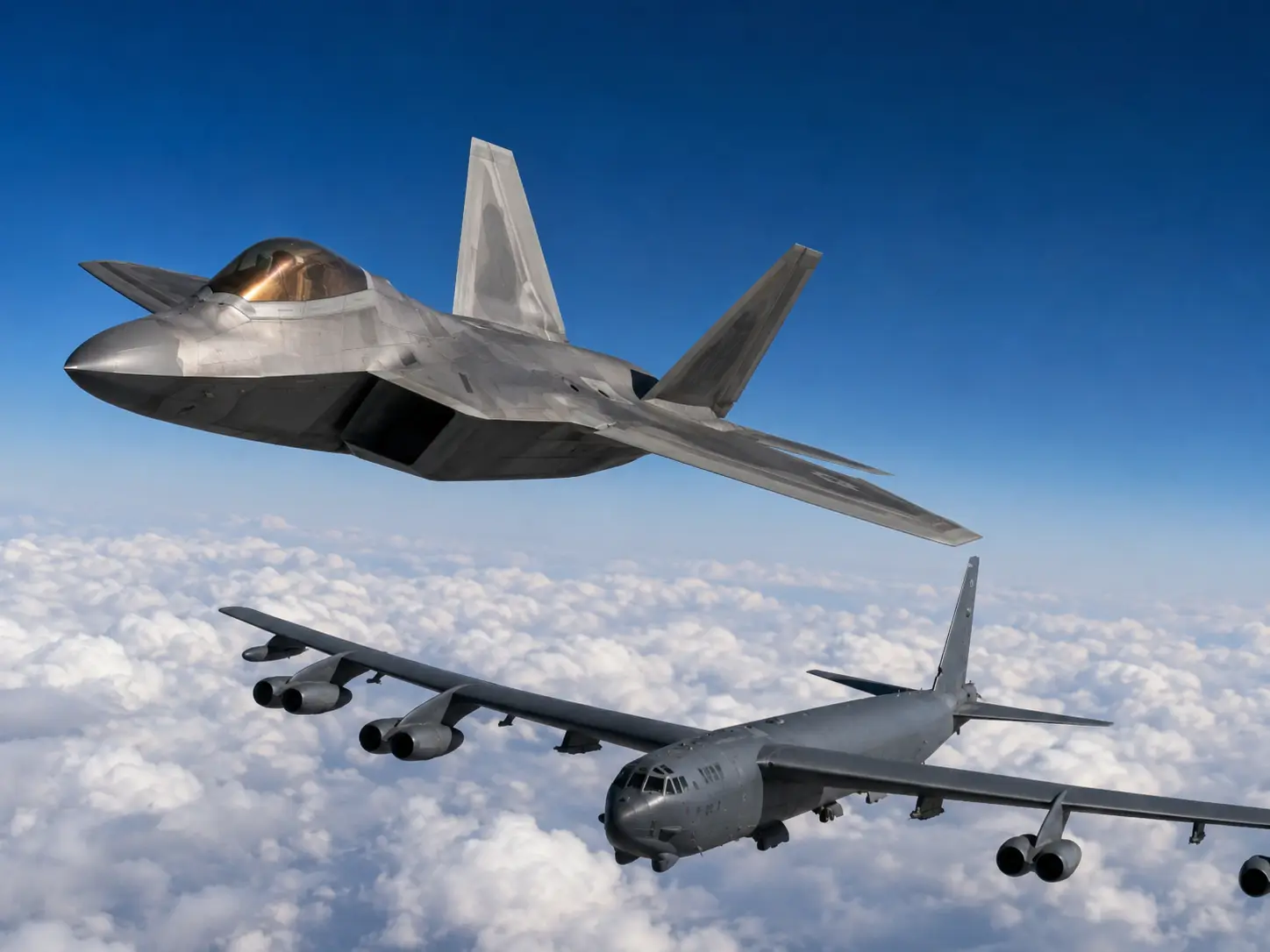
Exceeds Mach 1.5 supercruise
The Raptor achieves supersonic supercruise speeds above Mach 1.5 without relying on fuel-heavy afterburners. This extreme velocity generates intense atmospheric friction and kinetic heat along the leading edges of the airframe. Standard military finishes instantly blister under these conditions, necessitating highly engineered, heat-resistant chemical composites.
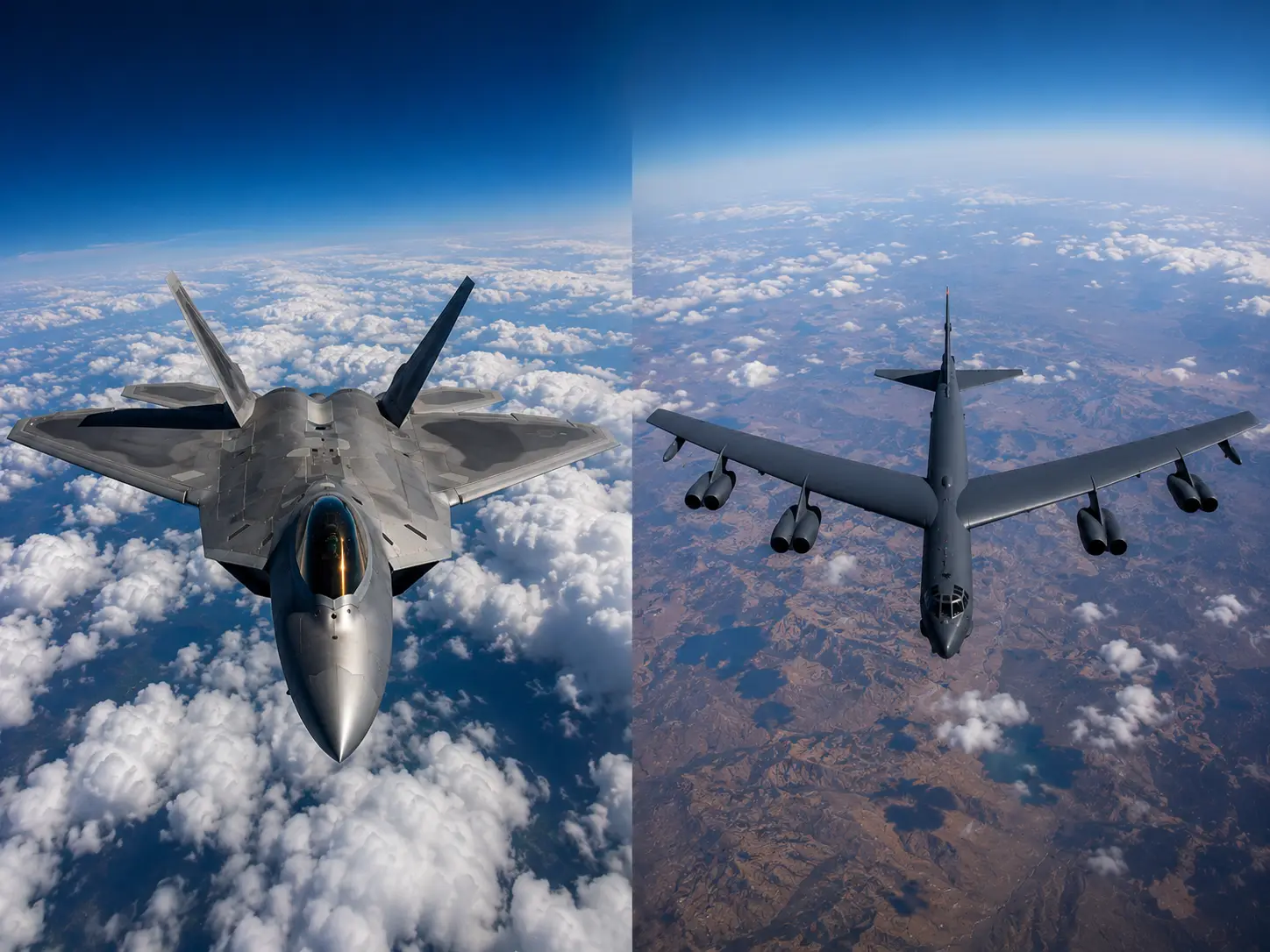
Costs $85,000 per hour
Because the delicate Radar-Absorbent Material absorbs incoming radar waves rather than reflecting them, it requires constant preservation inside climate-controlled hangars. This boutique chemical upkeep pushes the total operational cost of the F-22 to roughly $85,000 per flight hour, making its exterior skin the most expensive finish in frontline service.
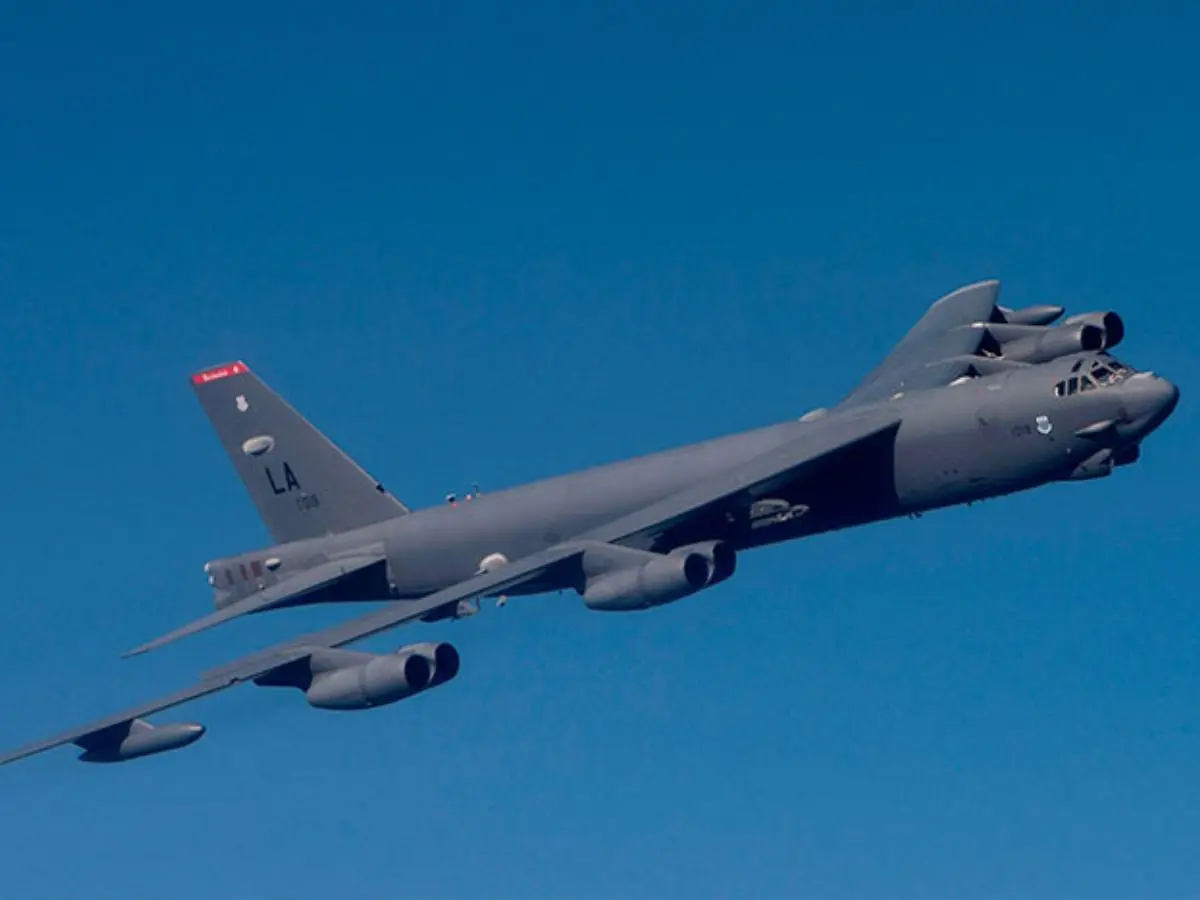
Uses 2 polyurethane coats
In stark contrast, the heavy Boeing B-52H bomber operates entirely without stealth parameters, delivering massive strategic payloads from standoff distances. Its exterior receives just two layers of conventional military polyurethane paint. This standard coating is engineered strictly for basic weatherproofing and protection against environmental corrosion.
Spans 4-year depot cycles
While the heavy bomber demands extensive mechanical overhauls every four years, its durable exterior paint requires virtually no boutique upkeep. Ground crews easily touch up minor surface scratches with standard brushes in normal airfield conditions, bypassing the multi-million-dollar chemical sustainment required by fifth-generation fighters.
)
)
)
)
)