60-foot oarfish with horns spoke of great disaster: The Japanese folk tale of 'doomsday fish'

Japanese legend tells of a 60-foot oarfish bedecked with horns and jewels, whose appearance was feared as an omen of misfortune. Appearing before the people as a messenger of Ryūjin, the sea god, it had risen from the ocean depths and warned of a "severe epidemic of a great evil illness."
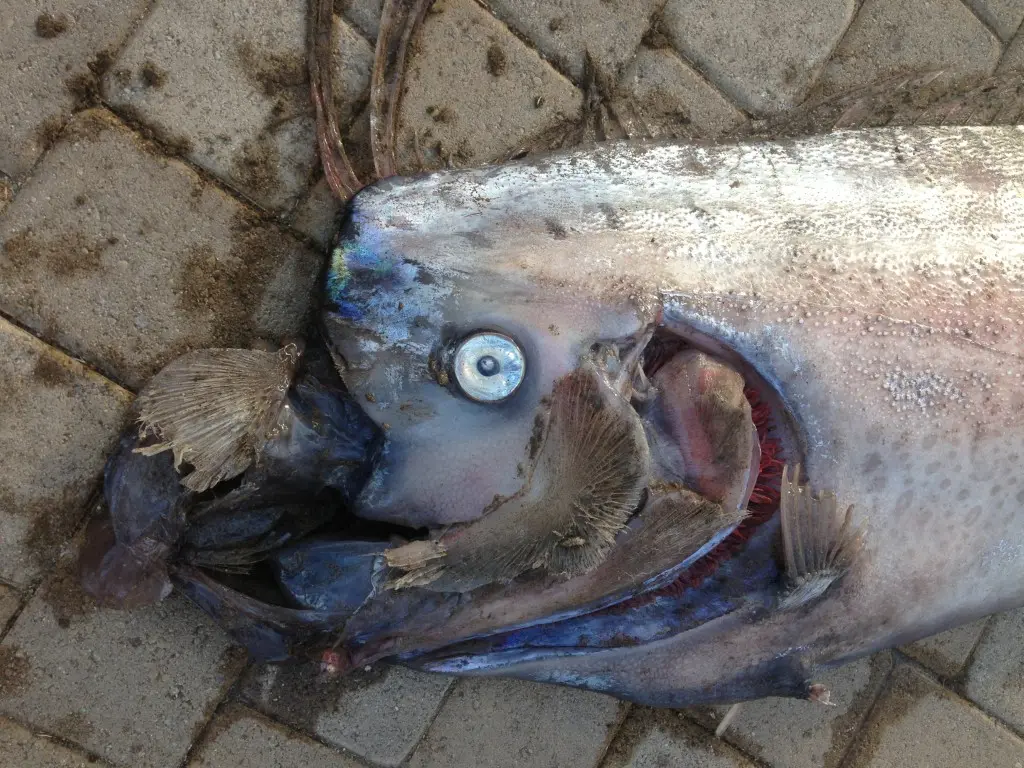
From the Depths of Oceans: How the Oarfish Became Japan’s 'Doomsday Fish'
The Japanese believe the oarfish brings with it disasters. That is why it is also known as the "doomsday" fish. It is a rare sea creature that lives in the depths of the ocean. They hardly leave their world in tropical areas at depths of 20 metres to 200 metres. But when they do, it is taken as a sign of a looming disaster. The "doomsday fish" can grow to whopping lengths of 36 feet. A 30 foot giant was caught in the southern Indian state of Tamil Nadu earlier this year. Some sightings suggest oarfish measuring 56 feet. They are believed to be harbingers of tsunamis and earthquakes. What lent these sea creatures a bad name?
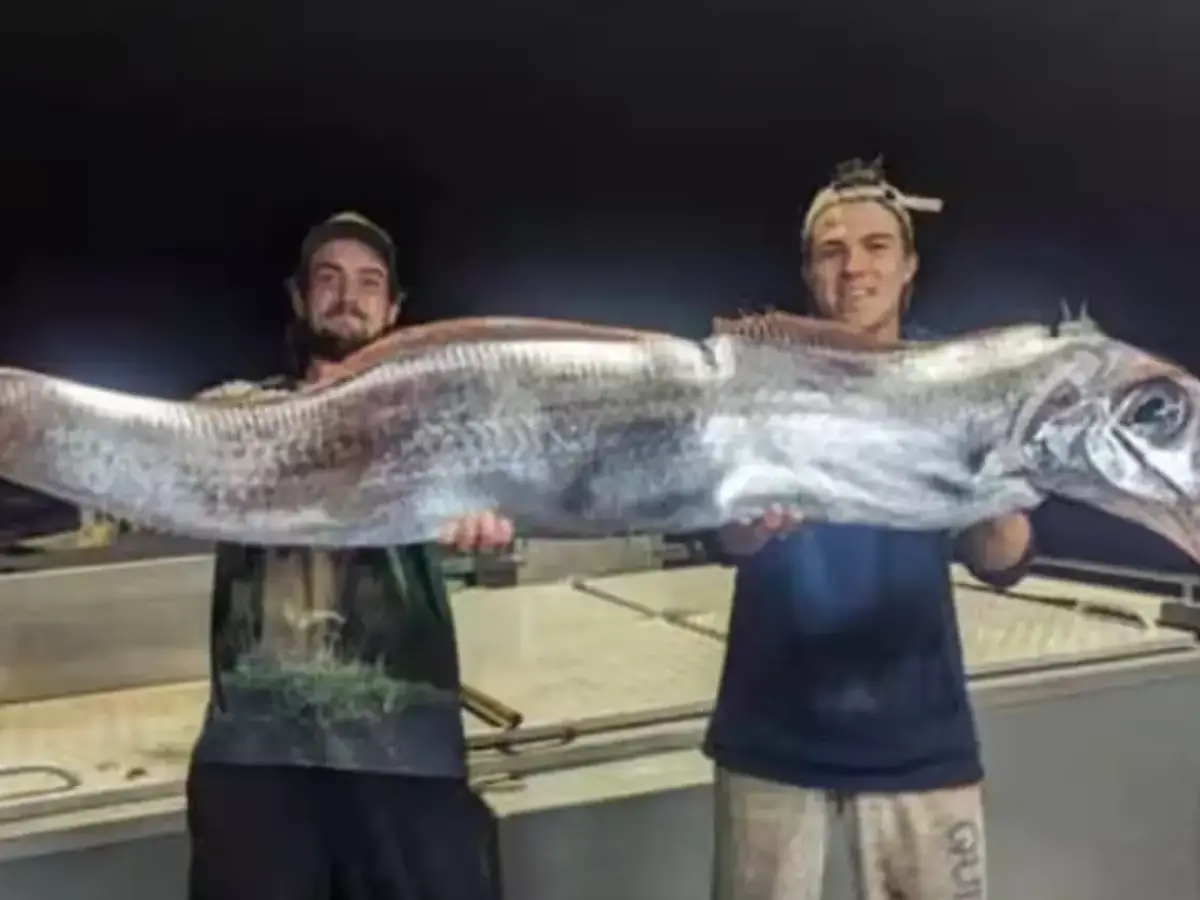
From Sea God's Messenger to Doomsday Icon: The Oarfish in Japanese Legends
Oarfish came to be known as "doomsday fish" because of a Japanese folklore. In Japanese culture, the sea creature is known as Ryūgū no tsukai, which translates to Messenger from the Sea God's Palace. This palace is a reference to the mythical underwater world where the gods live. The "doomsday fish" is believed to be the servants and messengers of Ryūjin, the god of the sea. They are sent to the surface by the gods to issue an ominous warning to humans.
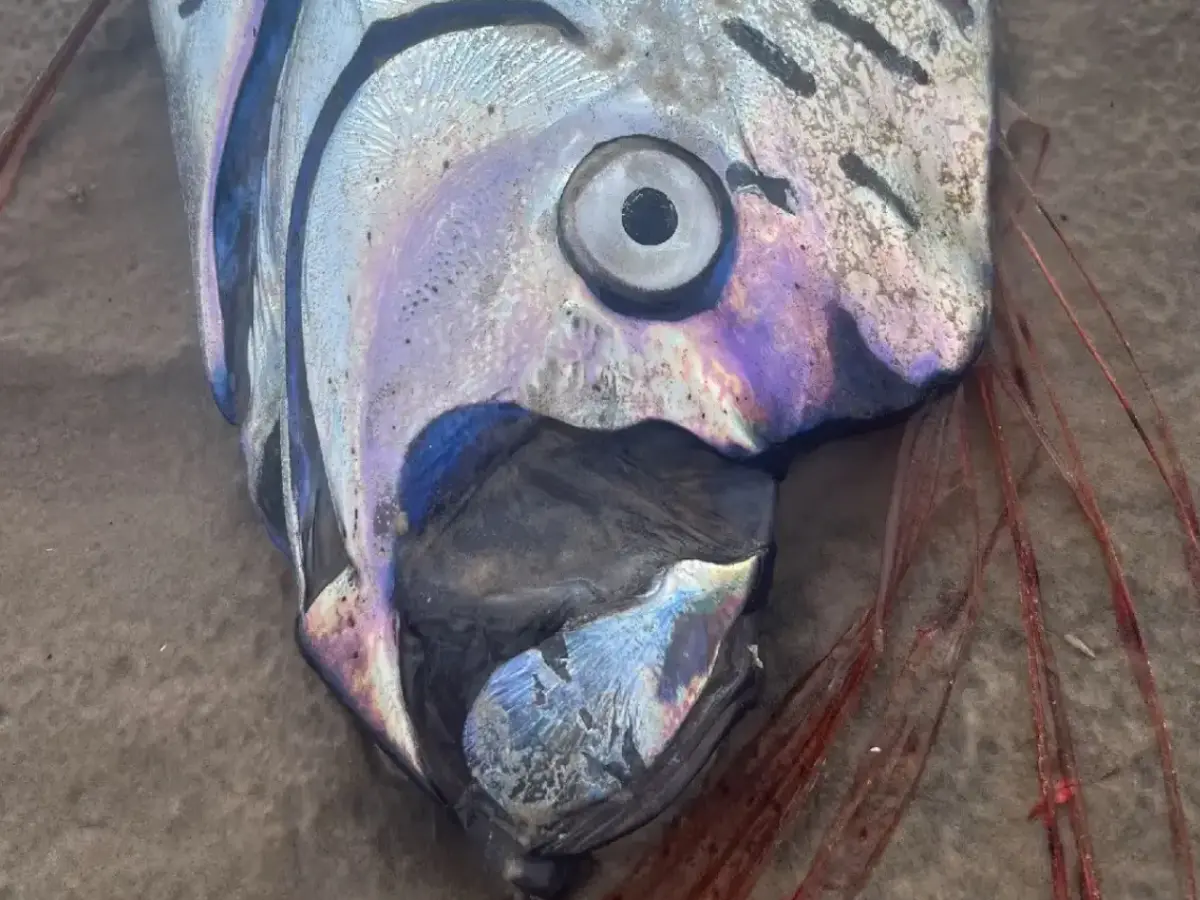
The Hirado Yōkai: How Beached Mermaids Became Japan’s Ominous Omens
Legends around the oarfish spread in Japan throughout the 19th century were born from stories of mermaids that were sent to deliver messages to humans. These tales originated in Hirado, Nagasaki Prefecture, and started spreading the the country. Not just the "doomsday fish," but other strange creatures that washed ashore were believed to be Yōkai, supernatural spirits and demons in Japanese folklore.

Gunfire off the coast of Tsushima: The 1819 Oarfish That Spoke of Disease and Disaster
Japanese folklore has a few stories about the oarfish coming to the surface and speaking to the people about epidemics, diseases and natural disasters. In one such tale, a 30-foot oarfish was seen off the coast of Tsushima in April 1819. People got scared, and so 800 of them gathered in boats and fired thirty guns at it. But it remained in its place.
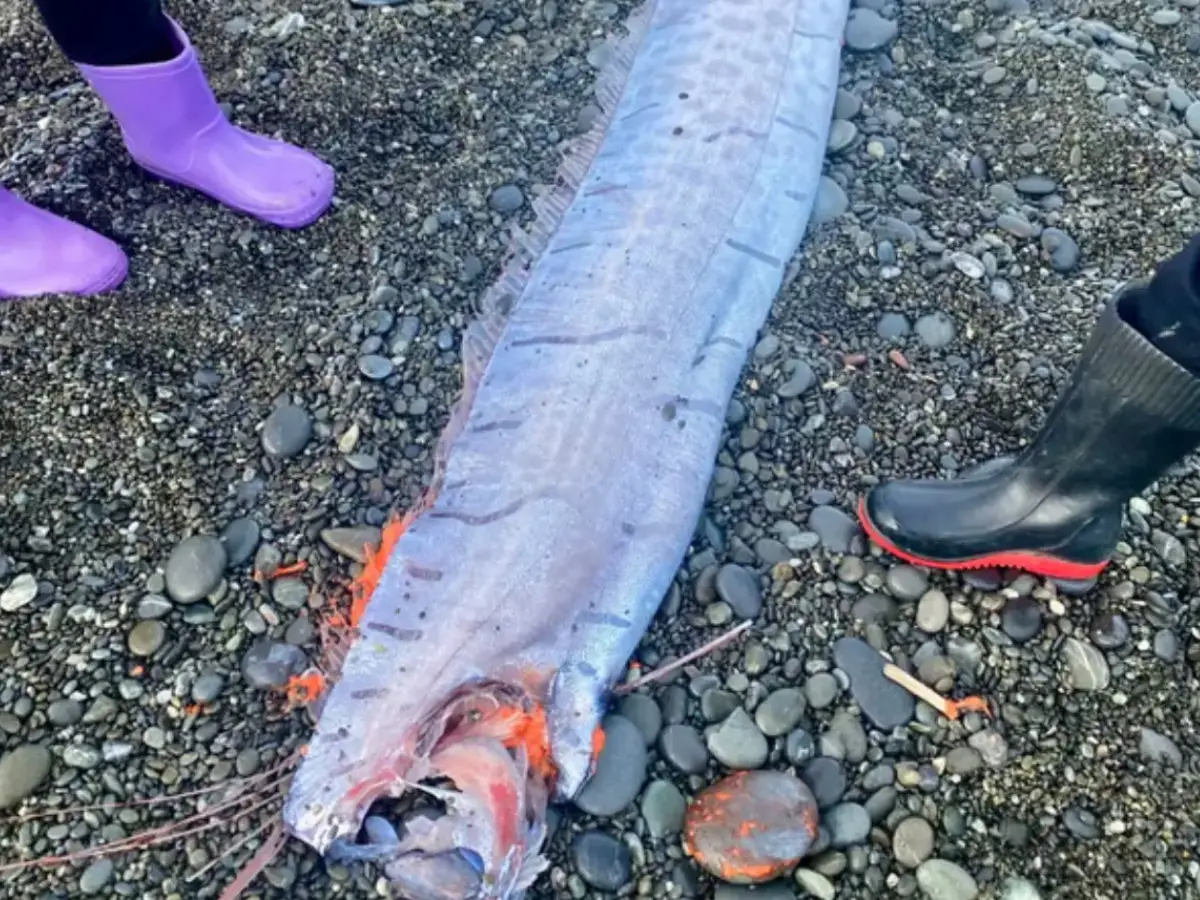
After Seven Days, the Oarfish Spoke: A Warning From the Dragon Palace
After seven days, the oarfish started speaking. “I am nothing to be afraid of. I have come here from the Dragon Palace for a reason. One day this year, a great evil disease will come, and people will certainly die." It called on people to make pictures of it and spread it around Japan as whoever sees it "even once will be spared from this evil disease." It will also safeguard the land and grant a long life, acting as an amulet, it said.
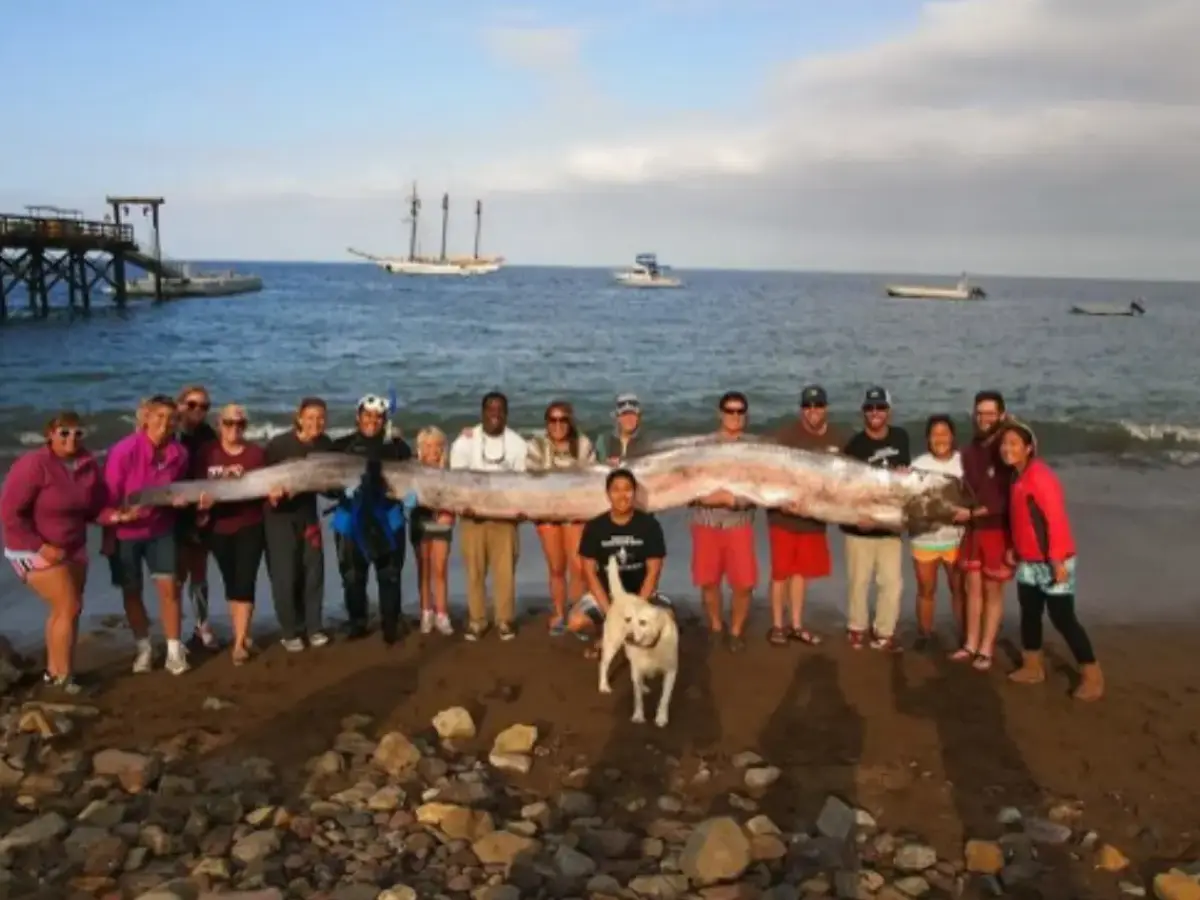
A 60-Foot Dragon: The Oarfish with Horns, Jewels, and a Prophecy of Doom
Another tale in Japanese folklore mentions the appearance of the "doomsday fish" off of Kumamoto. This one was a beast, measuring almost 60 feet. It had two horns, purple scales, six fins, a goldfish-like tail and held three jewels. The oarfish said that it had come from Dragon Palace. It then warned people of "a severe epidemic of a great evil illness, and the sick will not be saved." It said that it had come to save lives, and everyone who heard the message was "sure to be spared from the disease."
)
)
)
)
)