Why is the B-52 bomber expected to remain in service until the 2050s?

The B-52 will serve until the 2050s due to extreme structural integrity and a USD 48.6 billion upgrade. Armed with new Rolls-Royce engines, AESA radar, and a massive 70,000-pound payload, the heavy bomber remains the ultimate standoff missile truck.
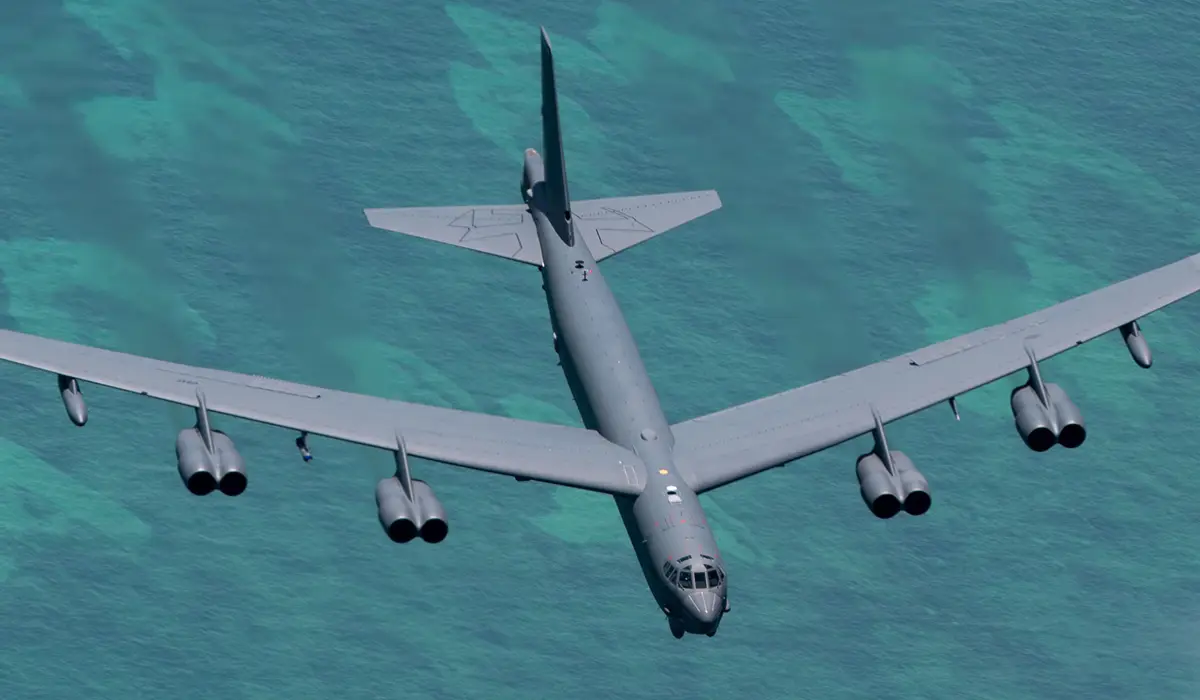
Over-Engineered Airframes
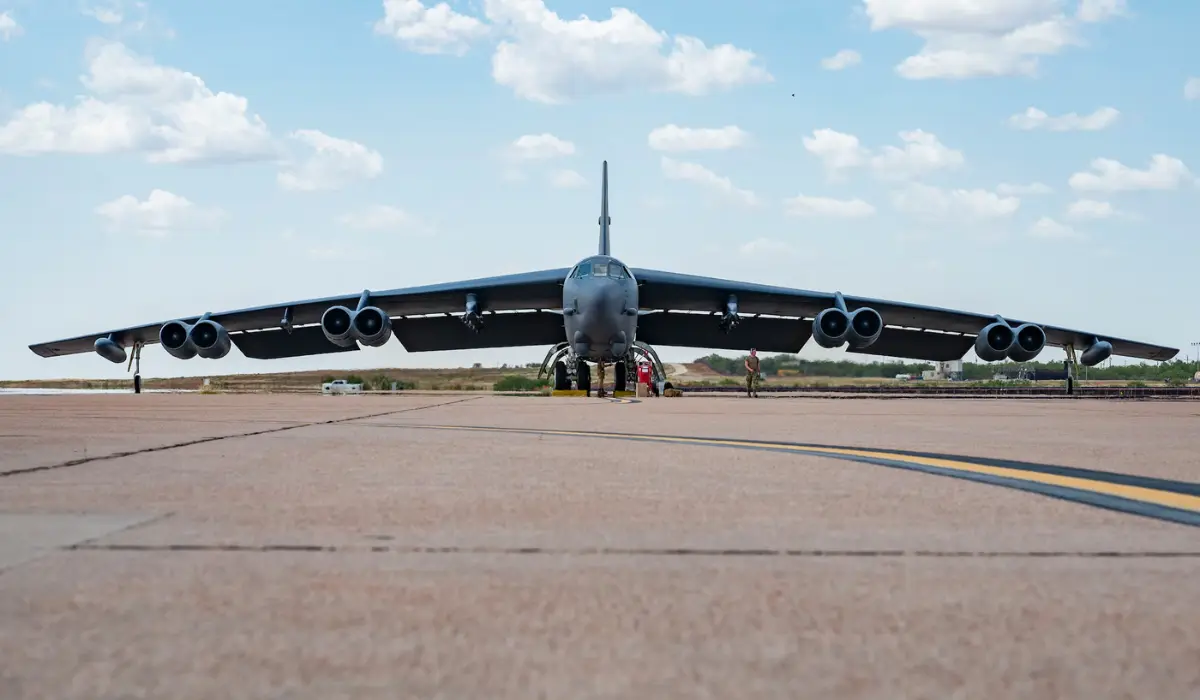
Designed during the Cold War to withstand nuclear blast waves, the Boeing B-52 Stratofortress features unmatched structural integrity. Because the heavy bombers have accumulated far fewer flight hours relative to their absolute fatigue limits, the core metal airframes remain incredibly sound.
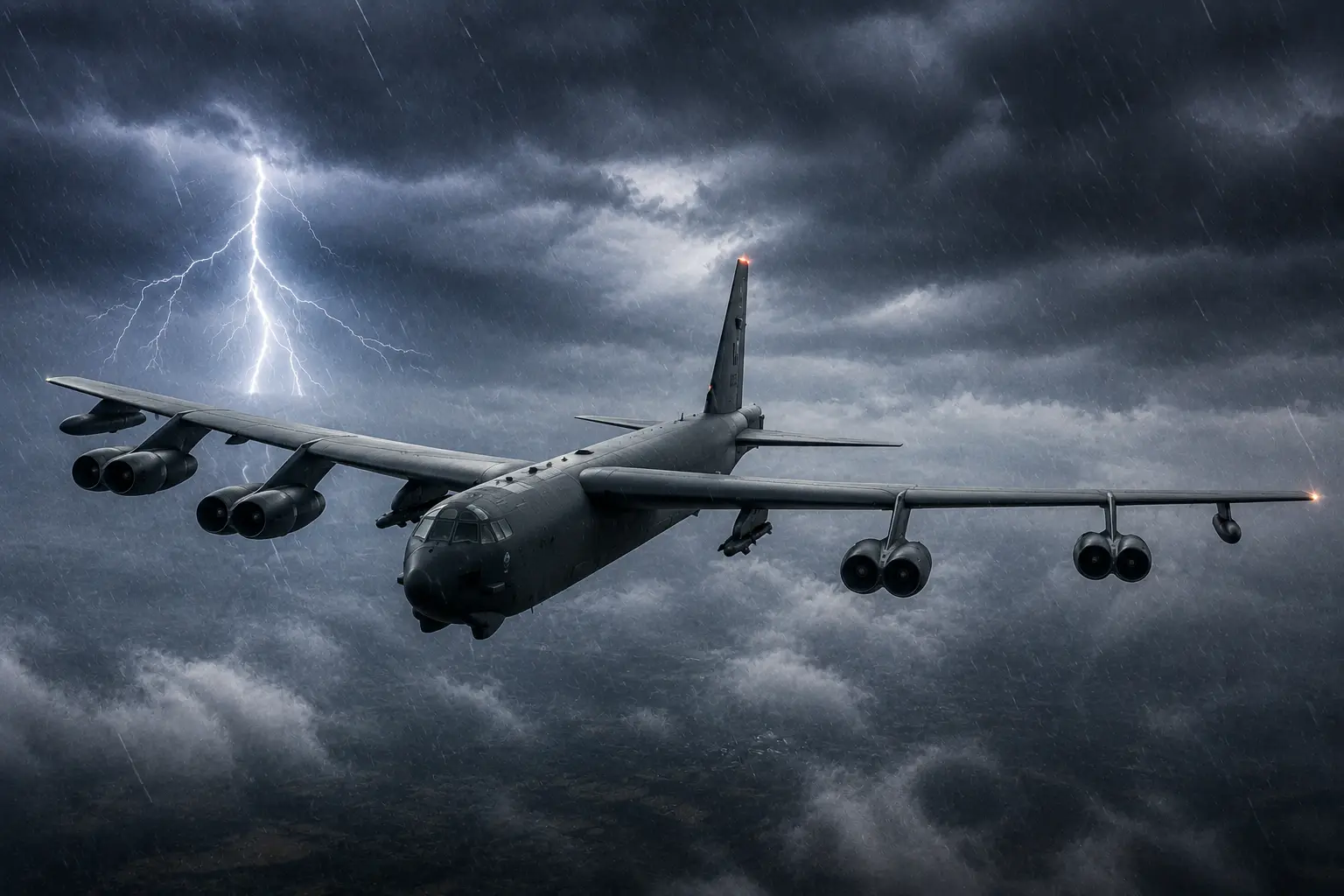
The USD 48.6 Billion Overhaul
To ensure the aircraft remains lethal in modern conflicts, the Pentagon is executing a massive USD 48.6 billion modernisation programme. This comprehensive digital rewiring will officially transition the current fleet into the advanced B-52J variant.
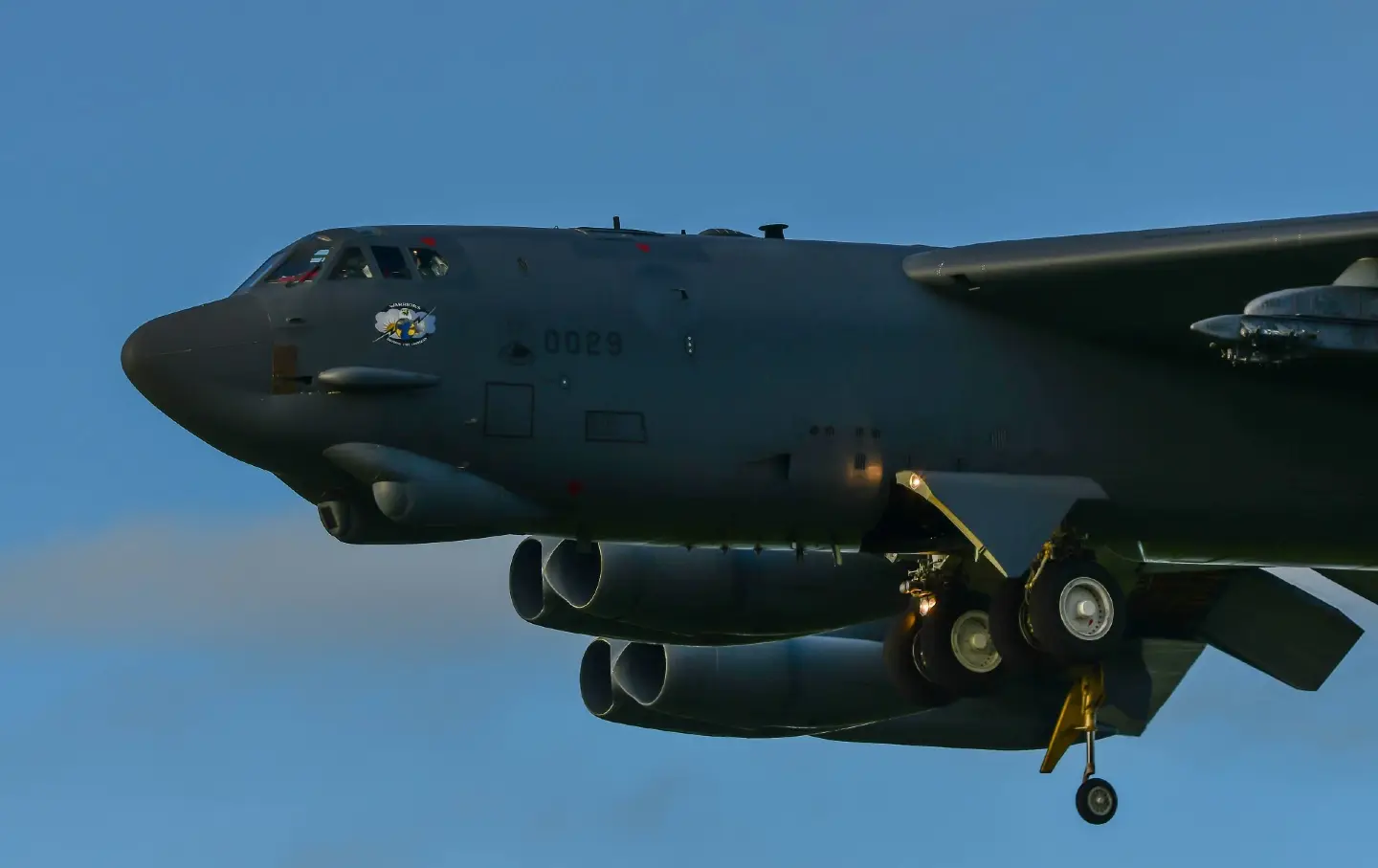
Swapping the Engines
The US Air Force is permanently retiring the bomber's original, inefficient 1960s-era turbofans. By installing eight modern Rolls-Royce F130 engines, the military expects to slash fuel consumption by roughly 30 per cent while drastically extending the aircraft's global reach.
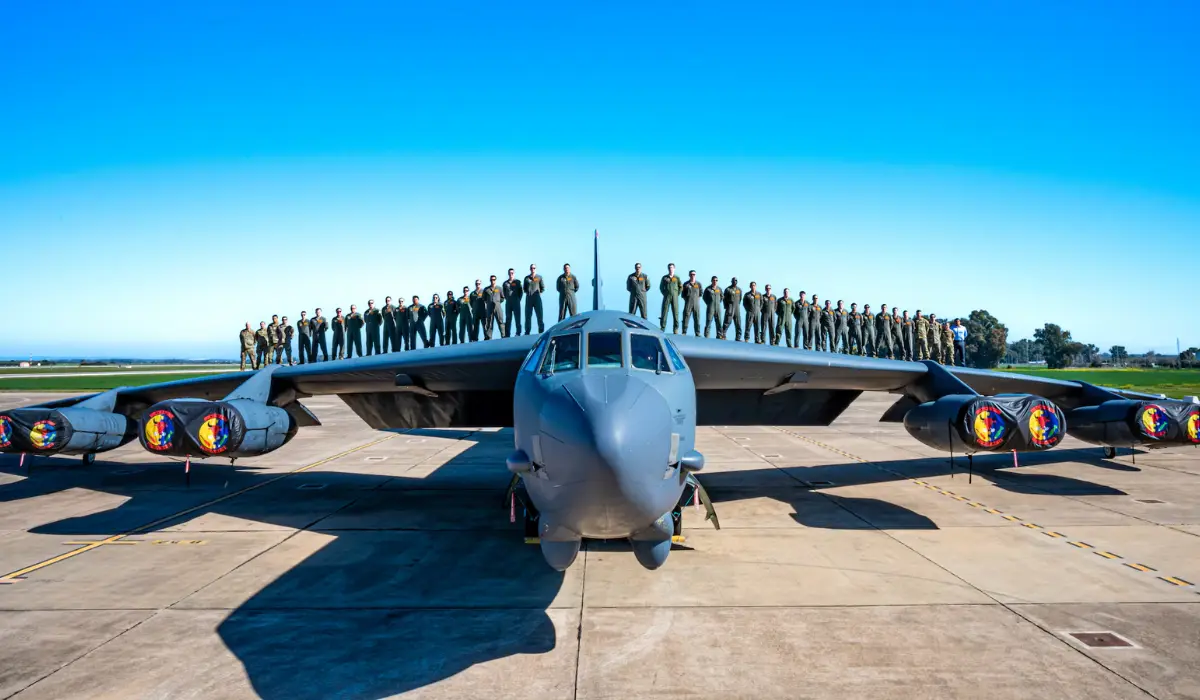
Fighter-Grade Targeting
The B-52J is receiving the advanced AN/APQ-188 Active Electronically Scanned Array (AESA) radar, a system derived directly from US Navy fighter jets. This powerful new sensor grants the vintage bomber high-resolution ground mapping and advanced electronic warfare capabilities.
The Standoff Missile Truck
As modern air defences grew more lethal, the B-52 completely abandoned low-level bombing runs. Today, it operates as an airborne magazine with a 70,000-pound payload, lingering in safe airspace to launch hypersonic weapons and stealth cruise missiles.

Cost-Effective Operations
Relying exclusively on multi-billion dollar stealth aircraft like the B-2 Spirit places a massive financial drain on military budgets. The conventional B-52 operates at a fraction of that hourly cost, providing commanders with a highly reliable and affordable global strike platform.
A Century in the Sky
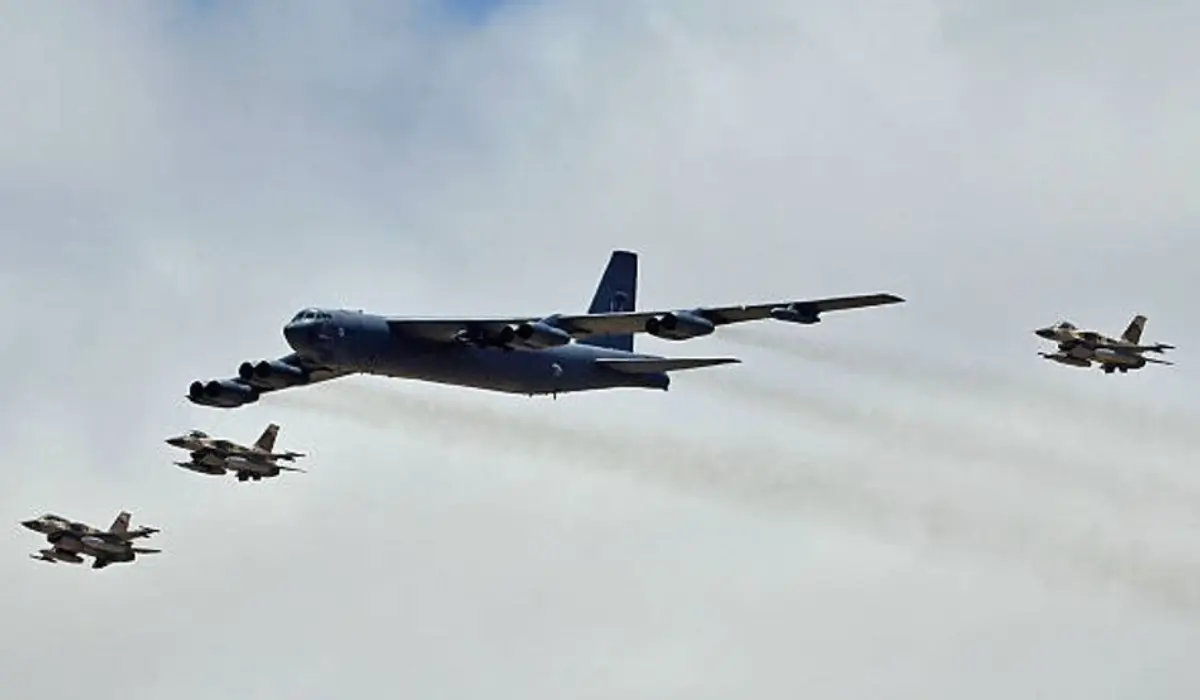
The upgraded B-52J will serve as a lethal standoff partner to the upcoming B-21 Raider stealth bomber. This unmatched combination of upgrades ensures the legendary Moon-age survivor will achieve an unprecedented 100 years of active military service by the 2050s.
)
)
)
)
)