Why is Greenland part of Denmark? History, law and the sovereignty debate

Denmark’s modern claim began in 1721 when Norwegian-Danish missionary named Hans Egede established a permanent presence, initiating European colonial rule.
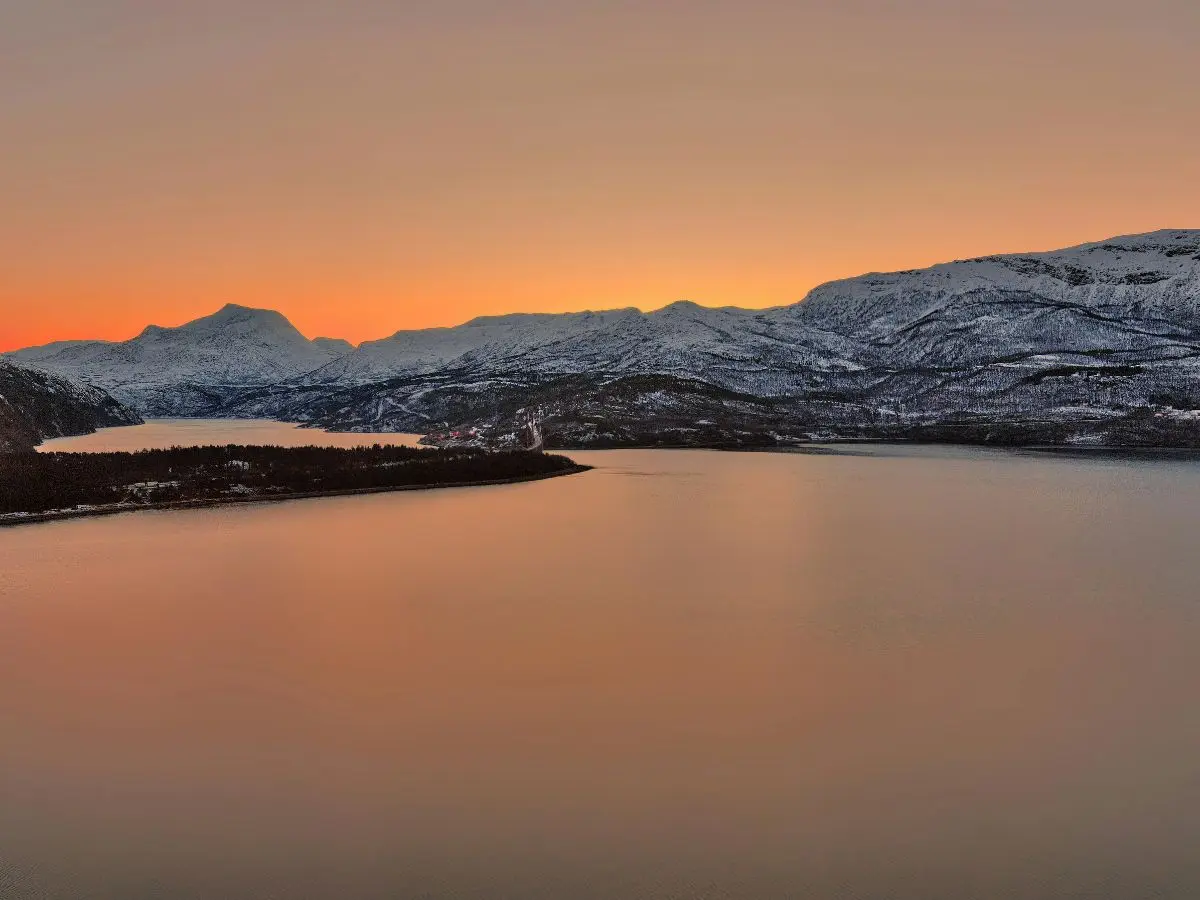
Why is Greenland part of the Kingdom of Denmark?
US President Donald Trump renewed threats over Greenland’s future, triggering alarm across Europe and within NATO. These renewed remarks about taking control of Greenland for US national security, questioning Denmark's legal right to the Arctic island, has revived a long-running question: why does Denmark have sovereignty over the vast Arctic island?
Origins of Denmark’s link to Greenland
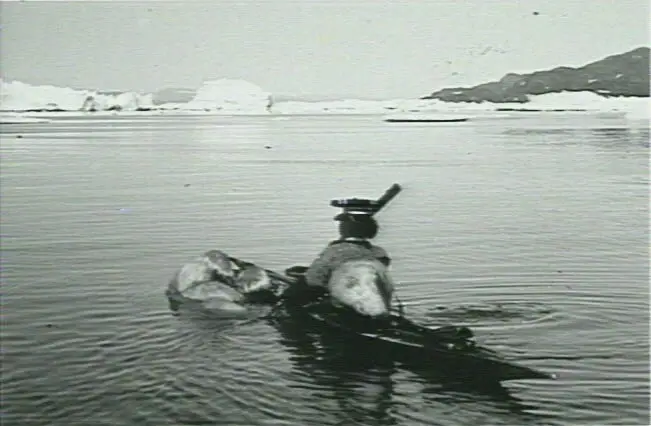
Greenland’s relationship with Denmark dates back centuries and was formalised during the early modern period. The island was first settled by Inuit peoples that had migrating from North America thousands of years ago. The Norse settlers arrived in the 10th century, led by Erik the Red, who named the land 'Greenland' which referred to the vegetation around Southern Greenland's Fjords. The name was likely to attract settlers by highlighting the fertile southern fjords. According to the Danish Institute for International Studies, Inuit communities eventually became dominant, and Norse settlements disappeared by around 1400, with little trace.
Colonial rule and consolidation
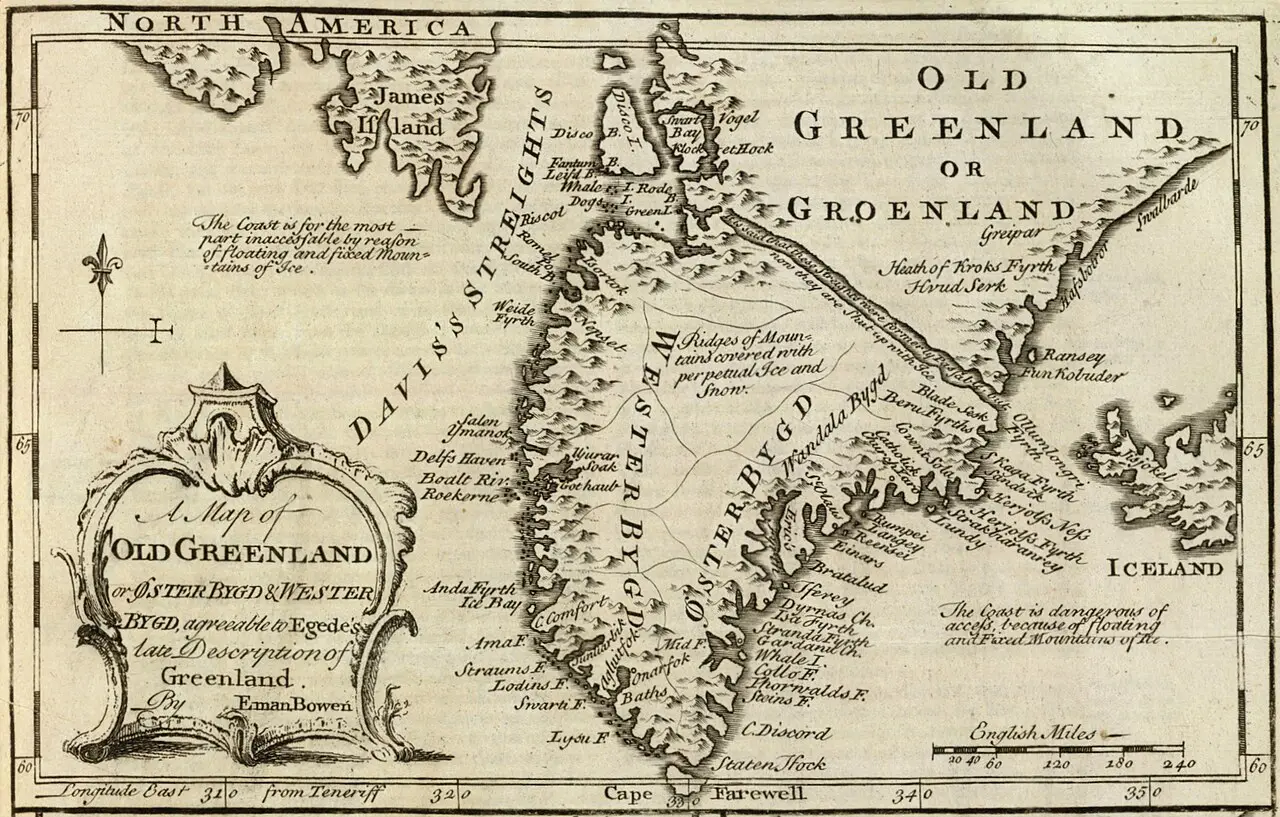
Denmark’s modern claim began in 1721 when Norwegian-Danish missionary named Hans Egede established a permanent presence, initiating European colonial rule. Over the following centuries, Denmark tightened control, restricted foreign access and governed Greenland as a colony. The island’s status remained largely unchanged until the mid-20th century.
Integration into the Danish state
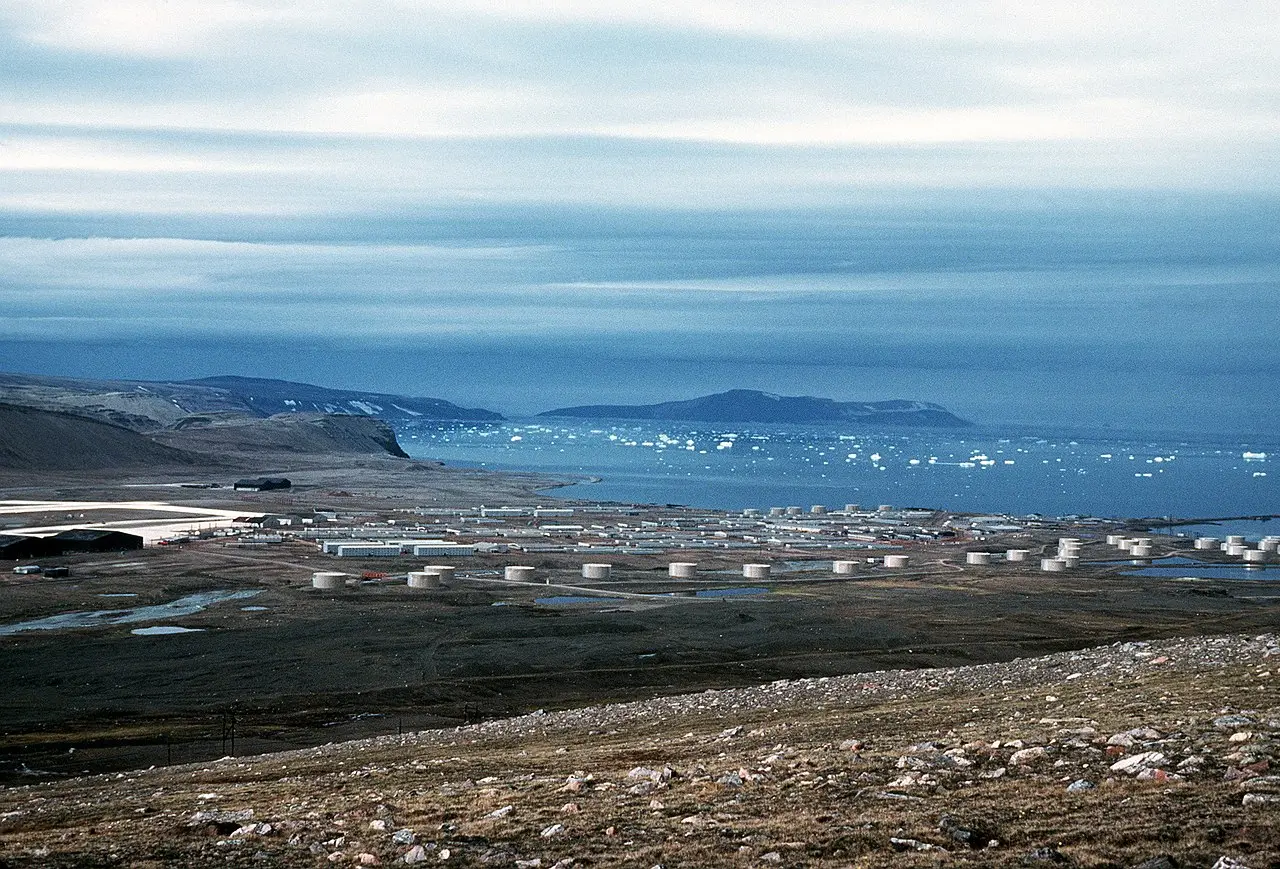
Post the Second World War, the United Nations pushed for decolonisation in Greenland. The island’s colonial status formally ended in 1953, when Denmark amended its constitution and incorporated Greenland as a county within the Kingdom of Denmark. Greenlanders were later granted Danish citizenship and two representatives in the Danish parliament. However, policies aimed at cultural integration drew criticism, particularly from Inuit communities.
Home rule and self-government
Growing demands for autonomy led to January 1979 referendum that established home rule and a Greenlandic parliament. Over 70 per cent of the voters favoured more autonomy. The establishment of the Parliament established Greenlanders control over areas such as education, health and fisheries shifted locally, while Denmark retained authority over defence and foreign affairs. Greenland’s small population of about 57,000 and lack of road links between its 17 towns continue to shape governance.
Expanded autonomy after 2009
The 2009 Self-Government Act significantly widened the powers of Greenland, covering policing and the justice system, Labor and social affairs as well as administration of natural resources. It also recognised Greenlanders as a people under international law and set out a legal route towards independence, should voters choose that path. The act made Greenlandic the sole official language, giving Greenlanders control over most domestic matters. After the act, Danish government retained authority primarily over defence, security, and overall foreign policy coordination.
Strategic importance and future choices
Greenland’s strategic value has increased due to climate change, Arctic shipping routes and mineral resources. Despite extensive self-rule, Greenland remains economically dependent on Denmark, receiving an annual block grant of about $600 million. While independence is legally possible, any move would require a referendum and careful economic planning.
)
)
)
)
)