Why is Awami League not contesting Bangladesh elections? A look at rise and fall of Sheikh Hasina's party

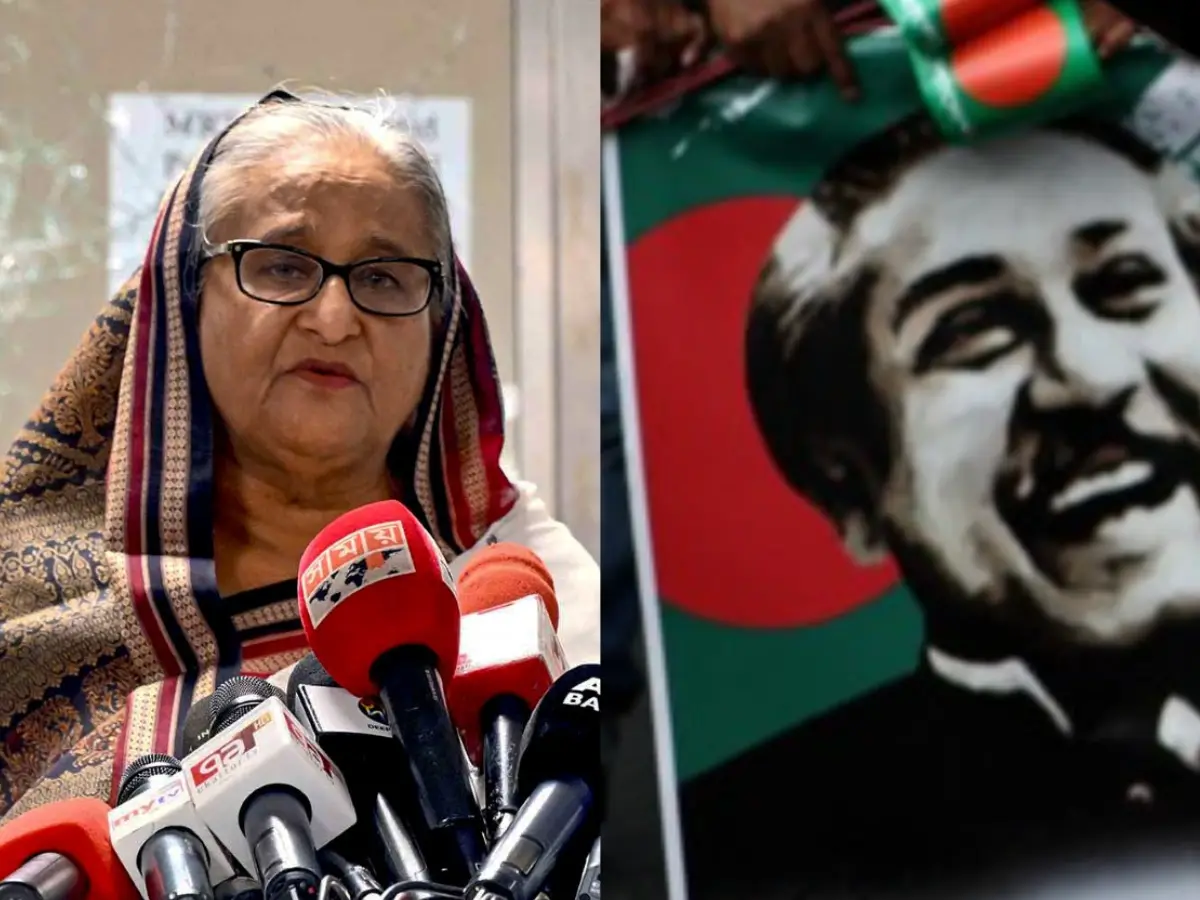
Founded in 1949, the Awami League led Bangladesh’s 1971 Liberation War under Sheikh Mujibur Rahman. After coups and political turmoil, Sheikh Hasina revived the party and ruled from 2009–2024. Following her 2024 ouster, the party was banned and is not contesting elections.
When was Awami League founded and its role in formation of Bangladesh?
The Bangladesh Awami League was founded in 1949, by a group of progressive Bengali nationalists, as the 'East Pakistan Awami Muslim League.' The sole aim of the party was to fight for Bengali rights against the West Pakistani establishment. In 1953, it dropped ‘Muslim’ from its name to embrace secularism. In 1970, under Sheikh Mujibur Rahman, the party won 167 of 169 seats in East Pakistan but West Pakistan’s refused to hand over power. A movement also started to establish Bengali as a national language in East Pakistan. All these events led to the 1971 Liberation War, that created Bangladesh.
Sheikh Mujibur's links to India
In 1971, during the struggle, Sheikh Mujib was imprisoned in West Pakistan. Other top Awami leaders fled to India and formed the Provisional Government of Bangladesh also known as ‘Mujibnagar Government.’ This government-in-exile formed ‘Mukti Bahini’ - a force backed by India, that fought the Pakistan Army for nine months until victory was achieved on December 16, 1971
First Bangladeshi government and Awami League
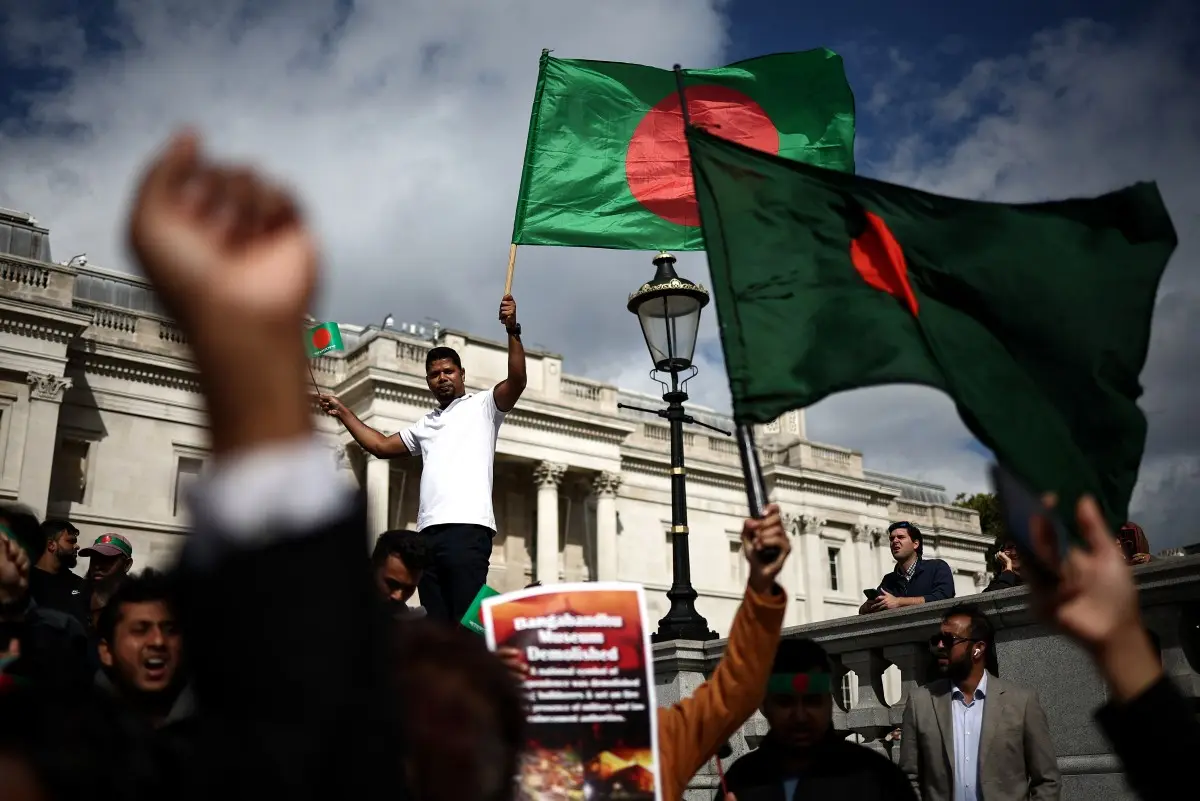
Sheikh Mujib led the Awami League-dominated parliament drafted the country’s first constitution. He ruled the country between 1972–1975. He attempted to replace democracy with a one-party state. The establishment of his own militia ‘Jatiya Rakkhi Bahini’ made him a target because of allegations of human rights abuses. The military went against him and staged a coup known as August 15 coup. He was assassinated
How Sheikh Hasina led resurgence of Awami League after 1981?
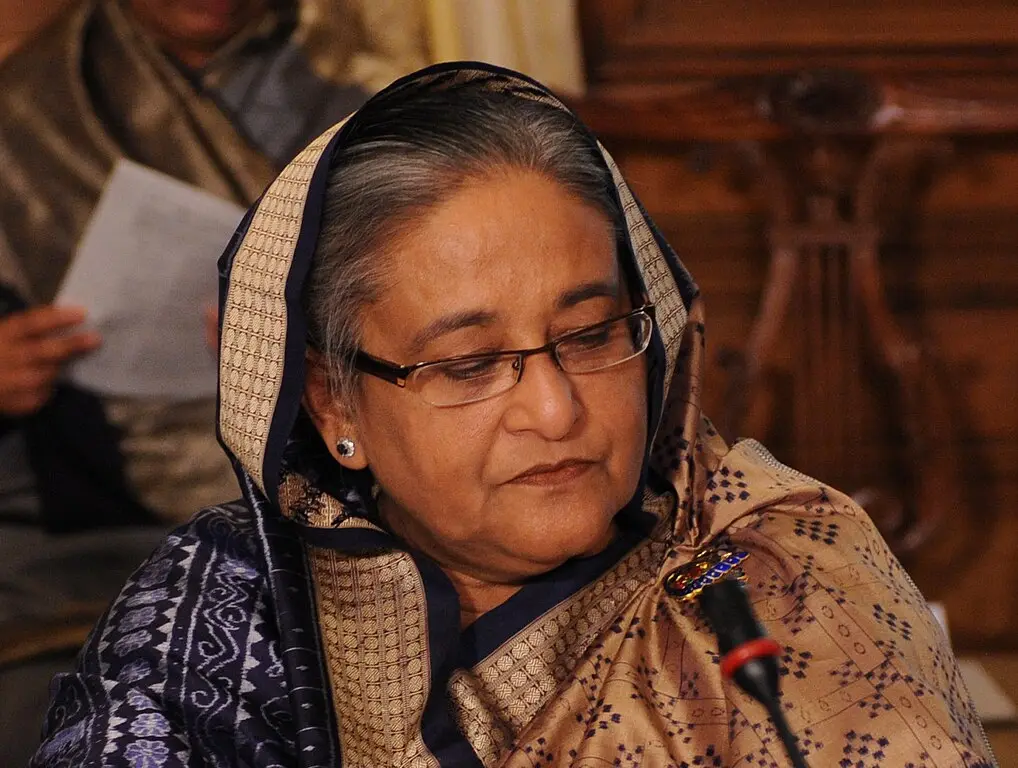
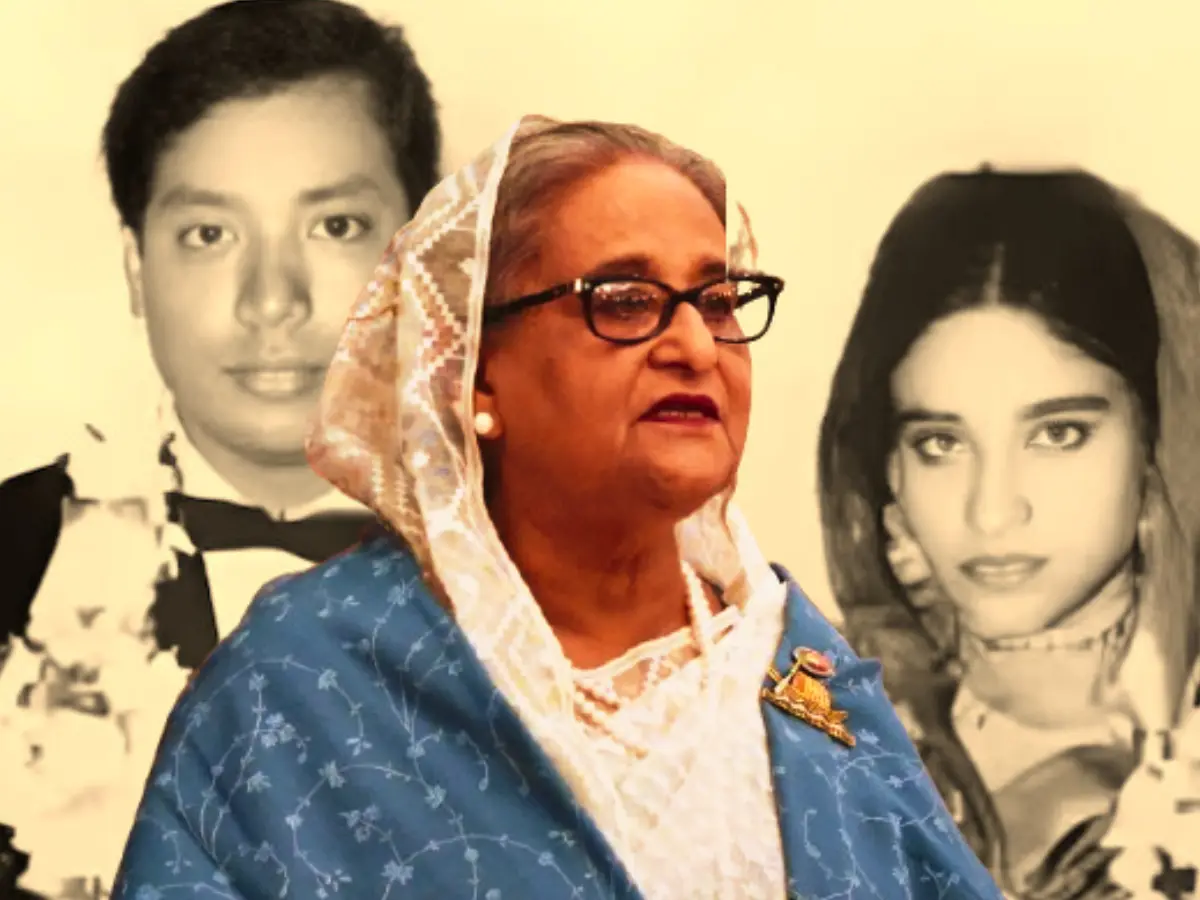
After Mujibur Rahman's assassination, a former Awami League minister took over presidency. Another coup happened in November 1975 and the then Chief Justice was installed as the president. Soon after, General Ziaur Rahman emerged as the de facto leader and officially assumed the presidency in April 1977. He founded Bangladesh Nationalist Party (BNP). Awami League was banned for few years and performed very poorly in 1979 elections, winning only 39 seats. In 1981, General Ziaur Rahman allowed Sheikh Hasina to return from exile in India. Soon after Ziaur Rahman was assassinated. Another Army Chief General Ershad took over in 1982 and imposed martial law. Meanwhile, Hasina united her party and made a strategic decision to joined hands with her political rival, Khaleda Zia, the head of the BNP, and both the ‘begums’ led 1990 'Mass Uprising.' This toppled Ershad's dictatorship.
Post 1991and Hasina's era?
The parliamentary era began with 1991 elections. Khaleda Zia's party BNP emerged as the largest party and she was sworn in as the country's first female PM. Between 1991 to 2006, power rotated between Zia and Hasina. However, after 2006, violent protest led to state of emergency. Elections were held only in December 2008, and Awami League registered a big victory. The period between 2009 to 2024 is described as Hasina's era as she ruled with an iron fist. Though significant infrastructure and GDP growth took place and Bangladesh established relations with many countries, the period was also marked by human rights abuses, enforced disappearances, and the suppression of dissent. Moreover, the general elections of 2014, 2018, and 2024 were criticised due to allegations of massive rigging.
What Hasina did to Khaleda Zia and BNP after 2004?
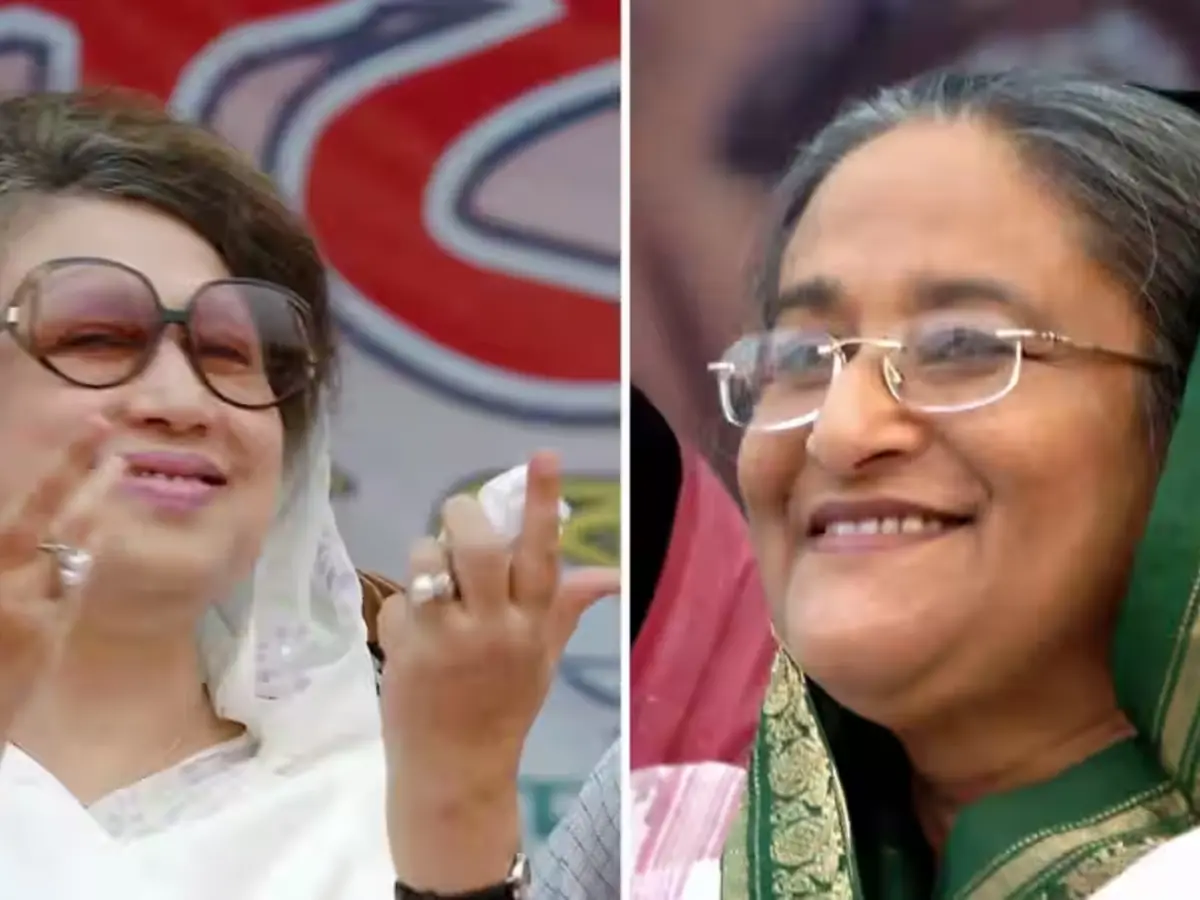
The rivalry between Sheikh Hasina and Khaleda Zia intensified after 2004. Several decisions by Hasina's government were termed as vendetta. In 2018, Zia was sentenced to 17 years in prison in the Zia Orphanage Trust and Zia Charitable Trust cases. She was also held as the sole inmate. In March 2020, her sentence was suspended due to ill health, and she was moved to house arrest with strict conditions, including a ban on political activity. Reports also said that Hasina government rejected at least 18 requests from Zia’s family to allow her to travel abroad for treatment. Zia's eldest son and heir apparent, Tarique Rahman, was also sentenced in absentia to life imprisonment for his alleged role in the 2004 grenade attack.
How was Hasina ousted and what is the present scenario?
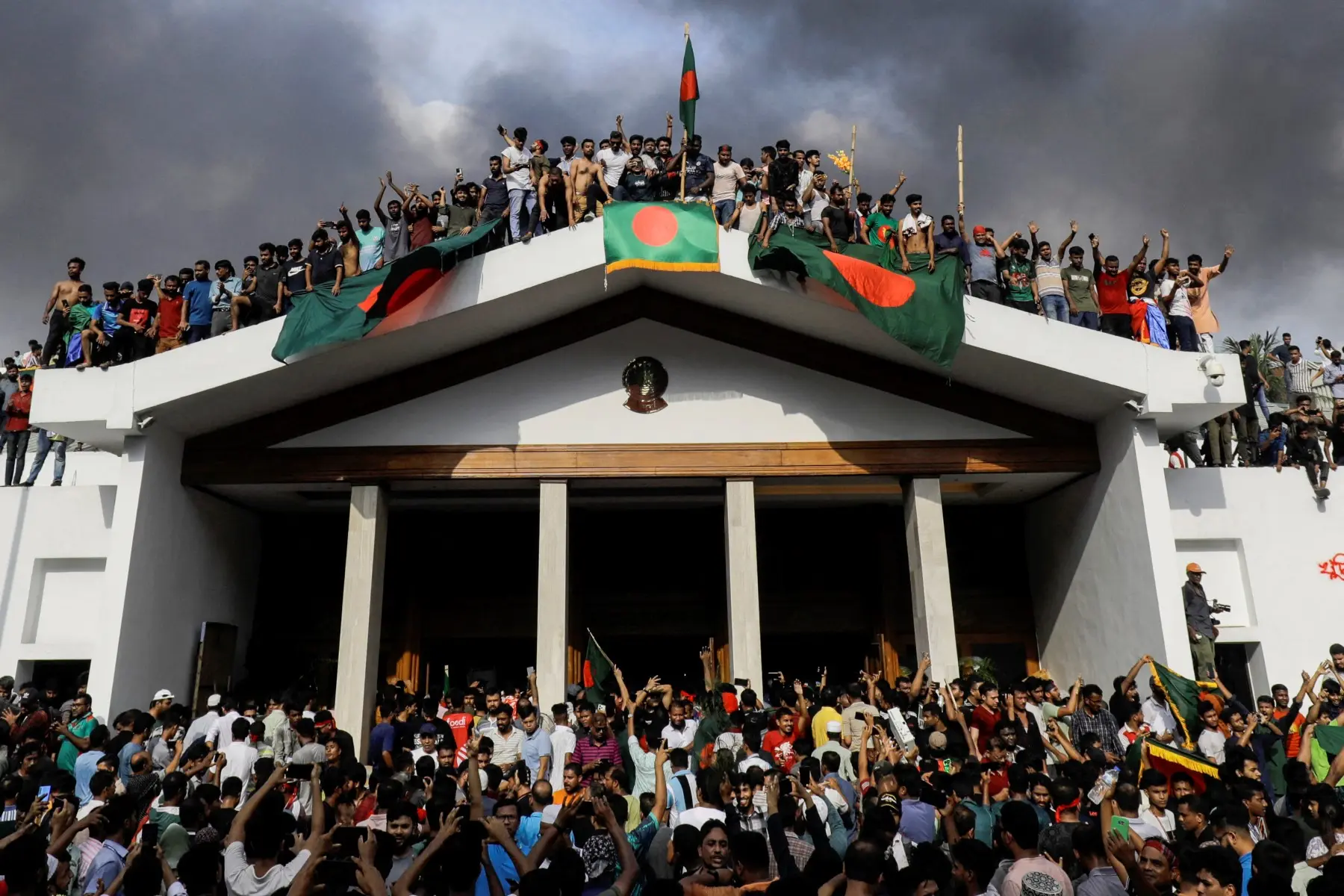
In what is being called as reversal of roles, Sheikh Hasina has been sentenced in absentia to death for her crackdown against students in Aug 2024. The unrest in June 2024 began when students protested the reinstatement of a 30 per cent job quota for descendants of 1971 independence war veterans. As the government launched a crackdown, over 1,400 people were killed. Hasina's comparison of protesters with ‘Razakars’ further enraged the crowd. As students took to streets, the military turned against her and refused to use lethal force against the protesting students, finally forcing her to flee the country.
Why is Awami League not contesting elections?
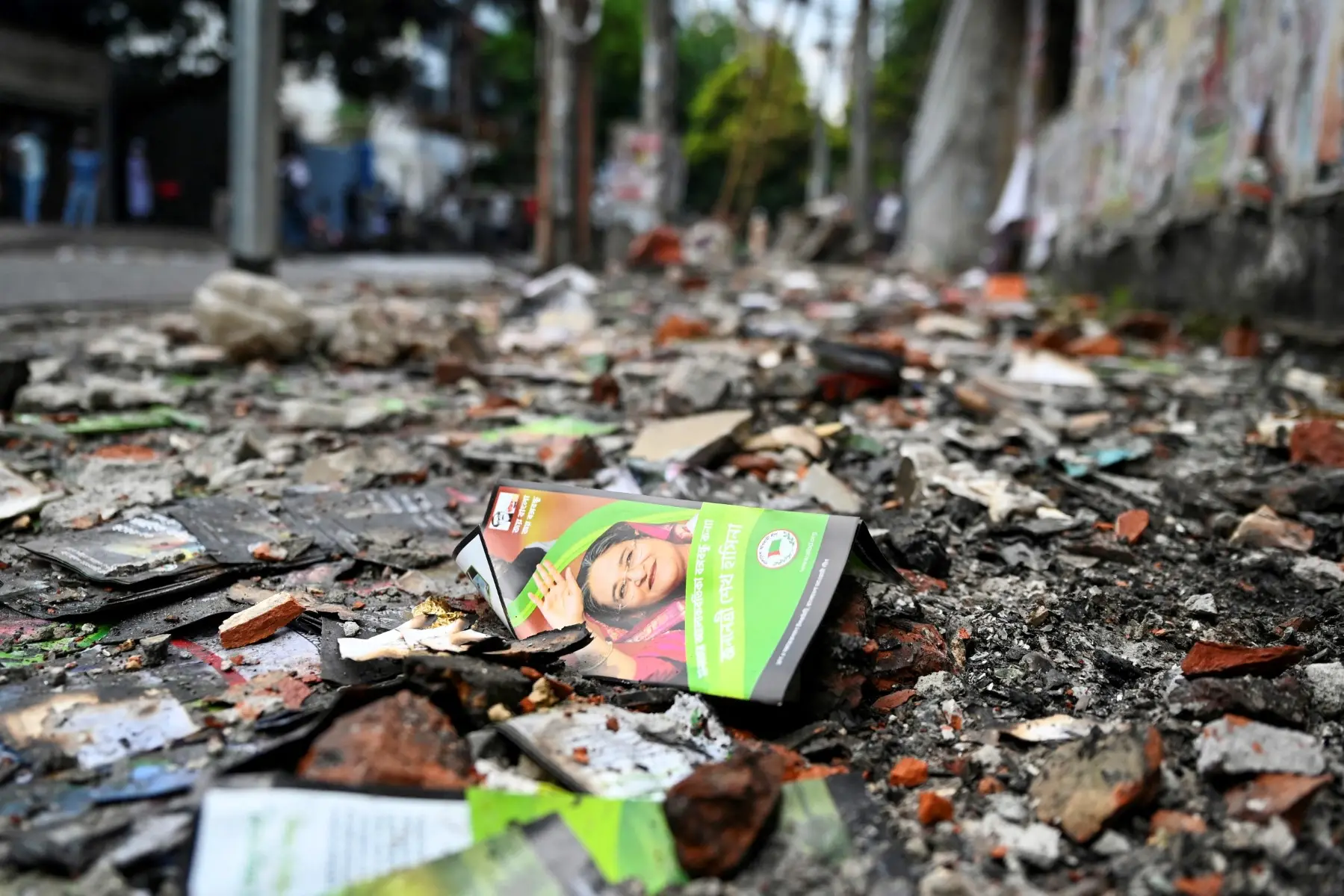
Firstly, the interim government led by Muhammad Yunus banned all activities of the Awami League under the Anti-Terrorism Act, 2009. Following this, the Election Commission suspended the party's registration. This is essentially seen as a ban on the party. In response to this, the Awami League leadership in exile said that they will boycott the polls, and termed it as a ‘sham’.
)
)
)
)
)