Why is America’s B-52 cheaper than the B-2 bomber?

The US B-2 stealth bomber costs more than twice as much as the B-52 to fly, mainly due to stealth coatings, heavy maintenance, and tiny fleet size. Despite the huge cost gap, both bombers show similar mission readiness, raising questions over long-term value.
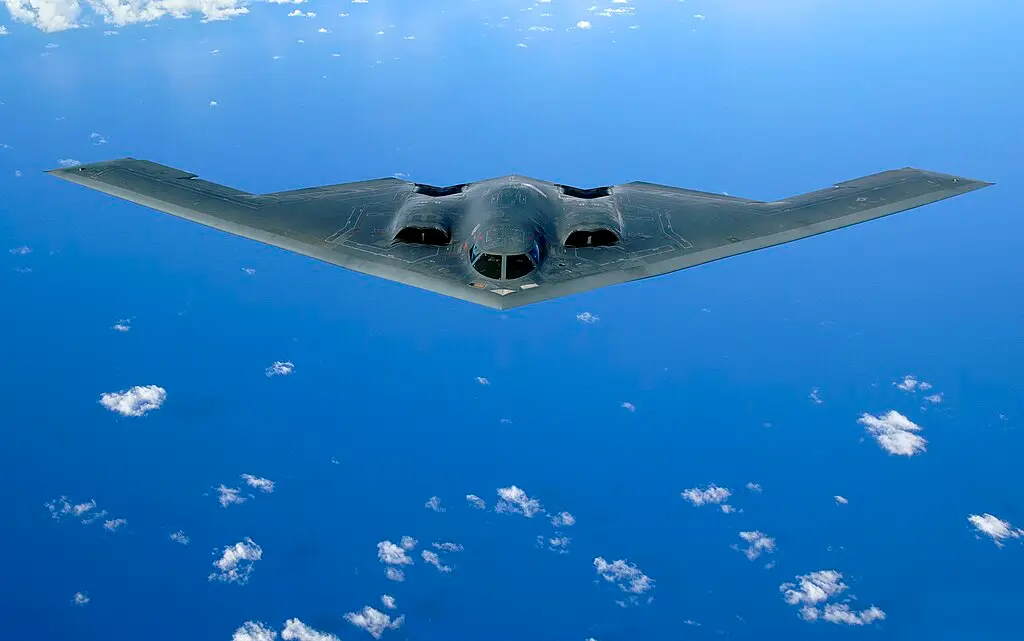
B-2 Costs $169,000 Per Hour Whilst B-52 Costs $84,000 Per Hour
B-2 Spirit stealth bomber costs $169,313 per flying hour according to USAF data. B-52 Stratofortress costs $84,708 per flying hour making it 2 times cheaper. This $84,605 difference per hour adds up quickly for military operations. National Interest reports confirm B-2's operating costs exceed all other USAF bombers dramatically.
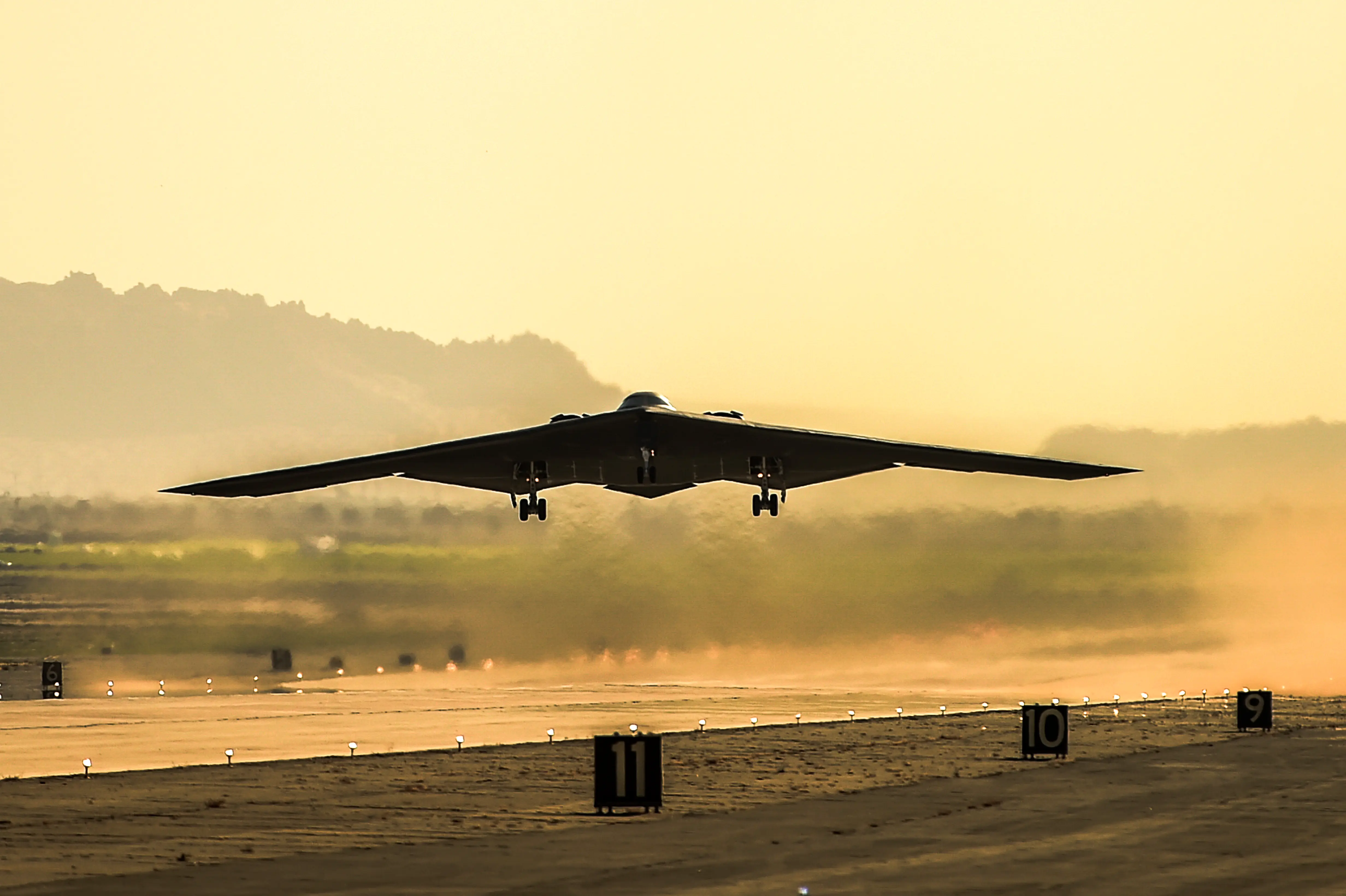
B-2 Requires 119 Maintenance Hours Per Flight Hour vs B-52's 53 Hours
B-2 needs 119 hours of ground maintenance for every single hour it flies. B-52 requires only 53 maintenance hours per flight hour - more than twice as efficient. This massive difference drives most of B-2's higher operating costs according to aviation analysts. Stealth coatings demand constant inspection and repair creating enormous manpower requirements.
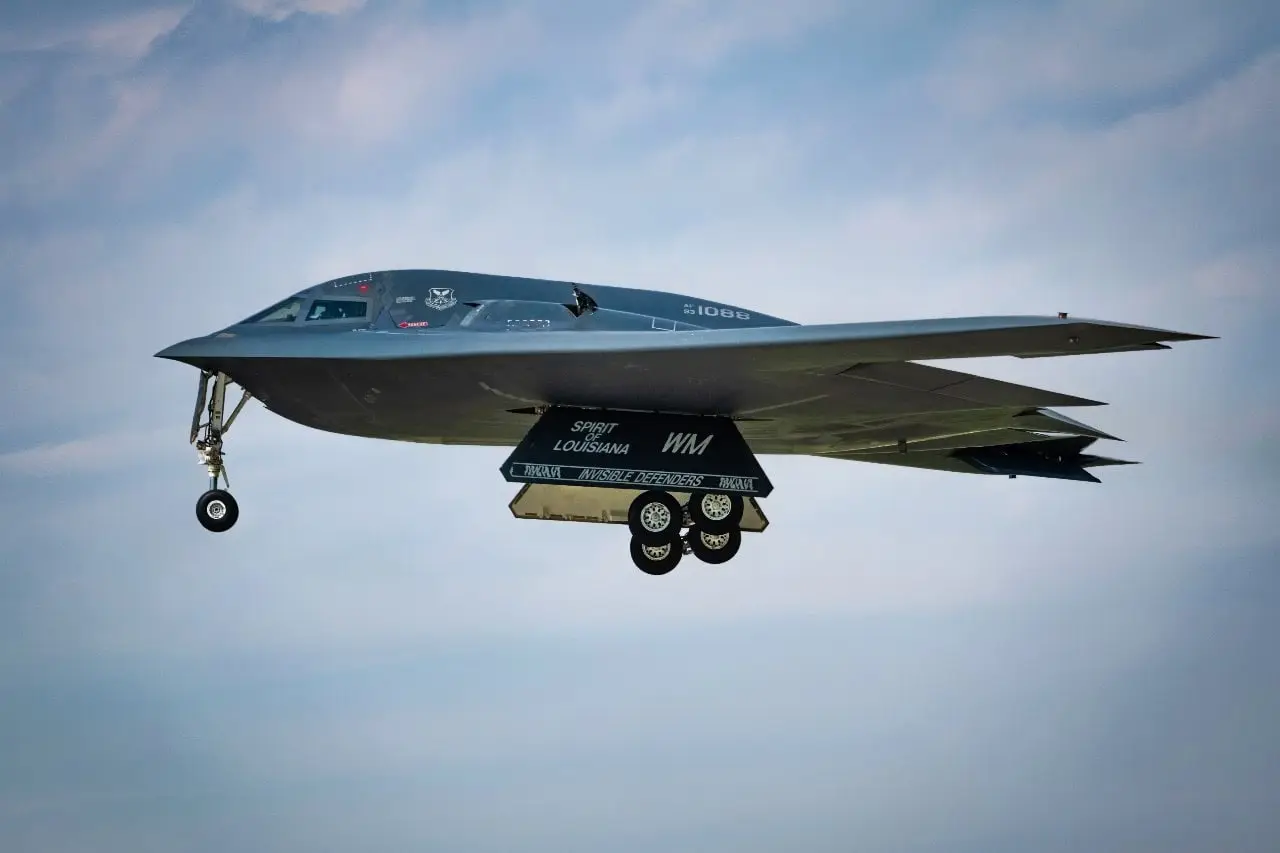
B-2 Radar-Absorbent Coating Needs Regular Replacement Costing Millions Annually
B-2's special stealth coating degrades from weather exposure and requires frequent replacement. Rain damages the coating necessitating protective hangar storage. Each B-2 costs approximately $3.4 million per month in maintenance according to defence sources. B-52 has no such coating requirements eliminating this major expense entirely.
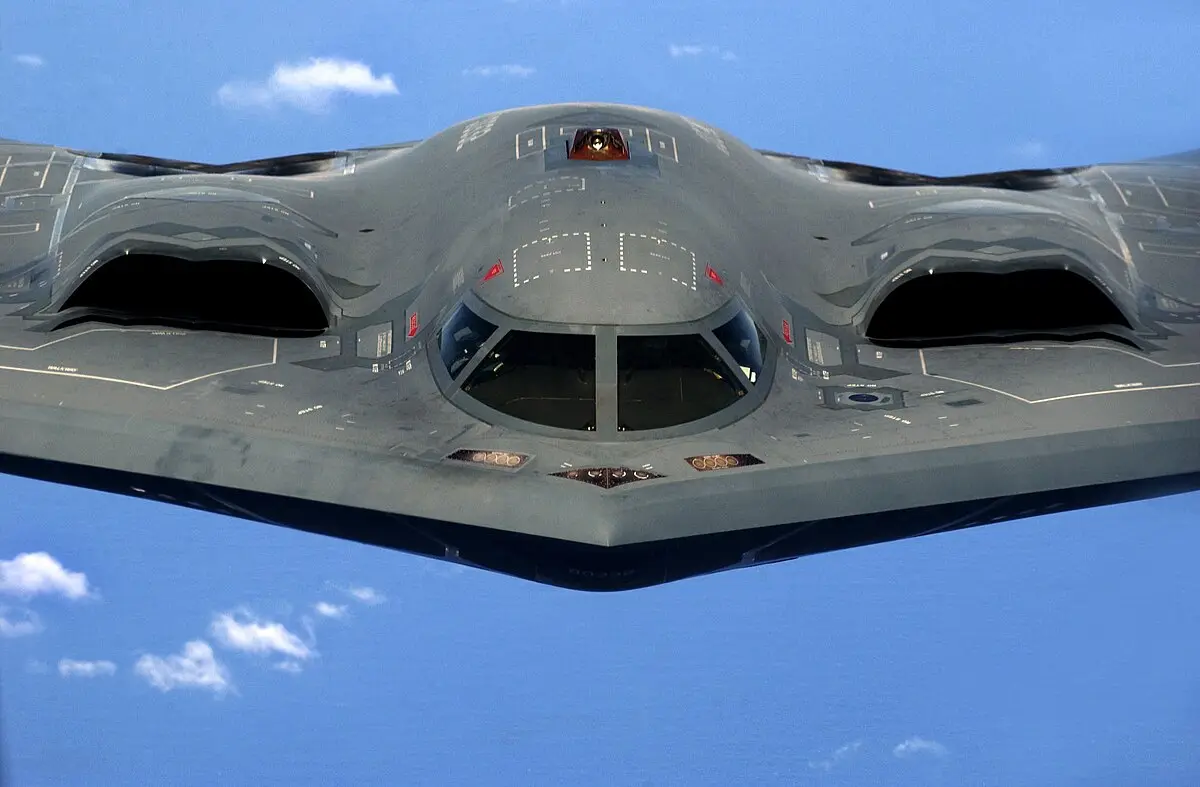
Each B-2 Needs $5 Million Climate-Controlled Hangars vs B-52's Standard Facilities
Every B-2 bomber requires a $5 million climate-controlled hangar maintaining precise temperature and humidity. These hangars protect stealth coatings from environmental damage. B-52 operates from standard military hangars costing far less to build and maintain. Operating costs spread these expensive facilities across tiny 21-aircraft B-2 fleet.
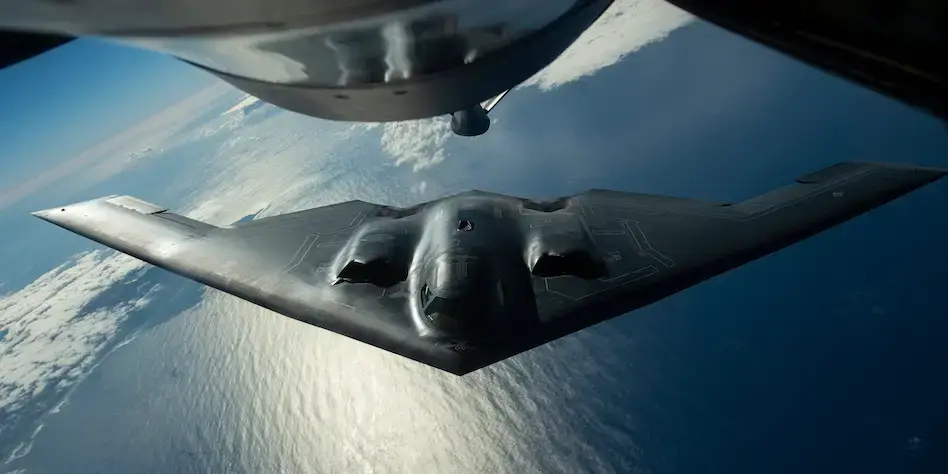
Only 21 B-2 Bombers Built vs 740 B-52s Spreading Costs Dramatically Different
USAF produced only 21 B-2 Spirits during entire Cold War production run. Over 740 B-52 Stratofortresses were manufactured starting 1950s. Massive B-52 production spread development costs across hundreds of aircraft. B-2's tiny production run concentrated all $44 billion programme costs across just 21 planes.
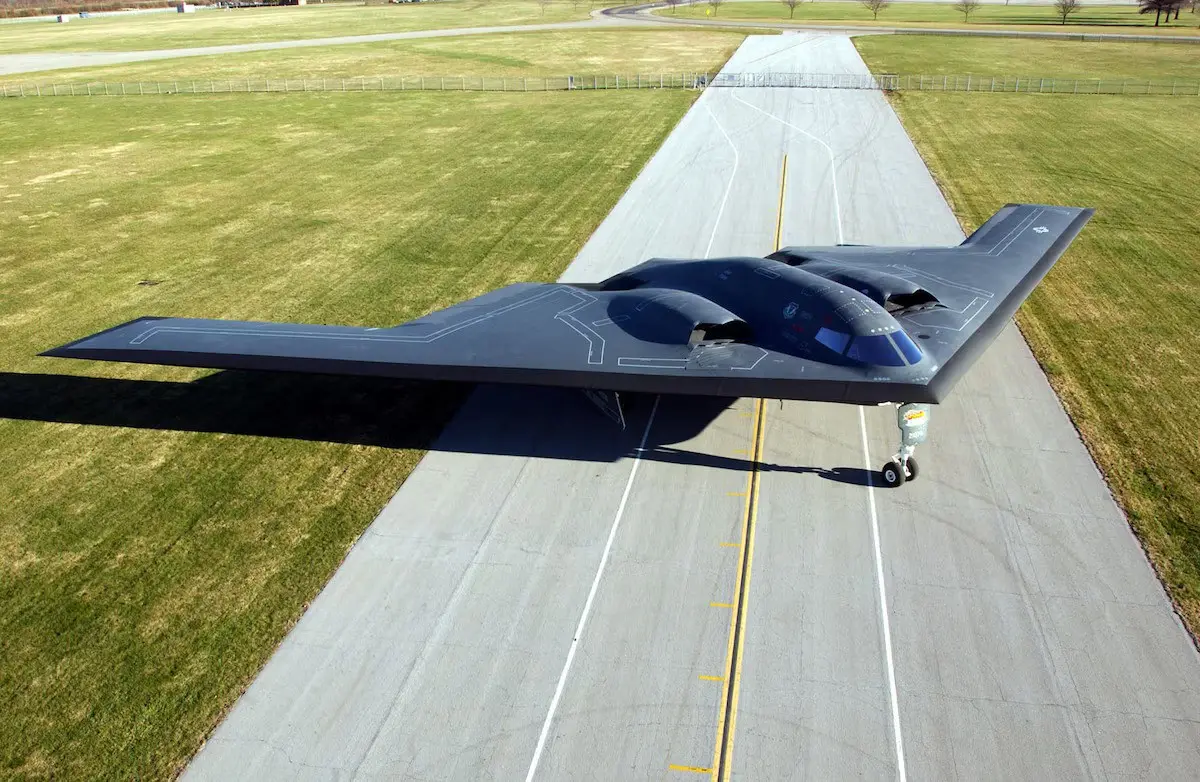
B-2 Total Programme Cost $44 Billion Equals $2.1 Billion Per Aircraft
Entire B-2 programme cost $44 billion (1997 dollars) for research, development and 21 aircraft production. This equals approximately $2.1 billion per aircraft - most expensive ever built. B-52 programme cost fraction despite producing 35 times more aircraft. Limited production prevented any economies of scale for B-2 programme.
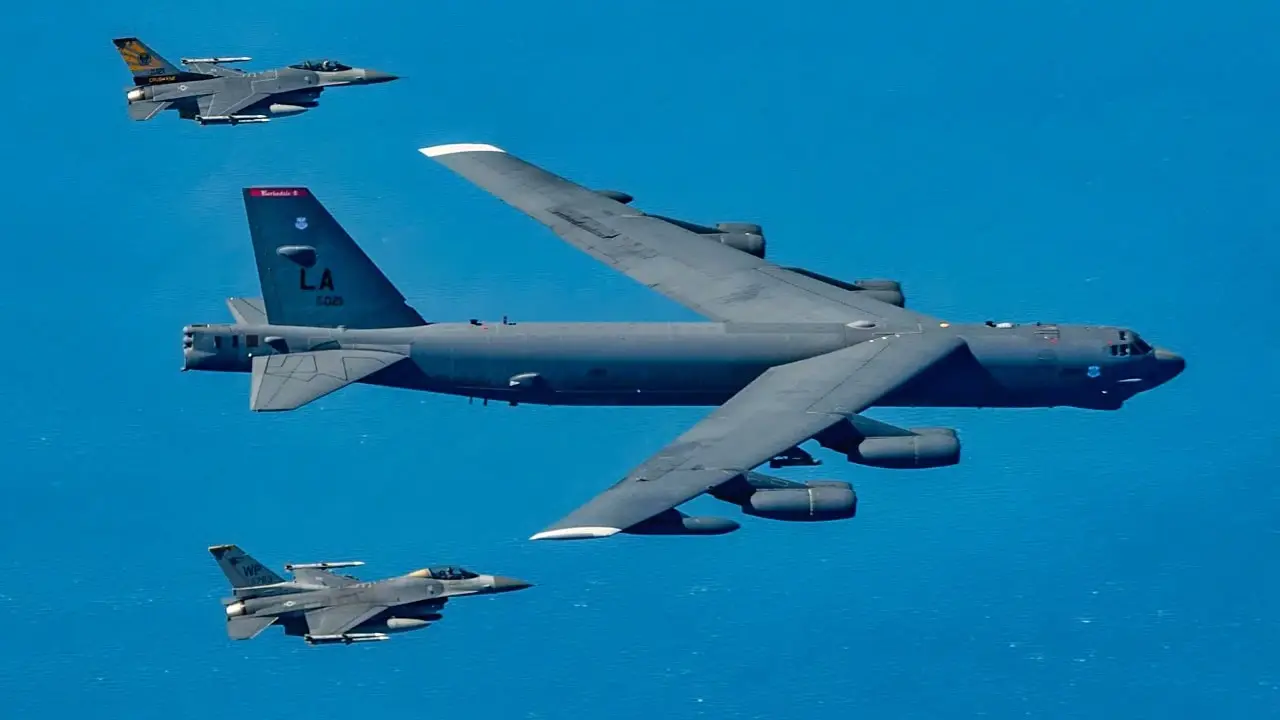
B-52's 70-Year Design Uses Mature Technology With Predictable Maintenance Costs
B-52 first flew 1955 gaining 70 years operational experience worldwide. Decades revealed exactly what works, what breaks and how to fix it efficiently. Spare parts supply chains well-established with optimized maintenance procedures. National Interest notes B-52 simplicity versus B-2 complexity reduces unexpected failures and engineering change orders.
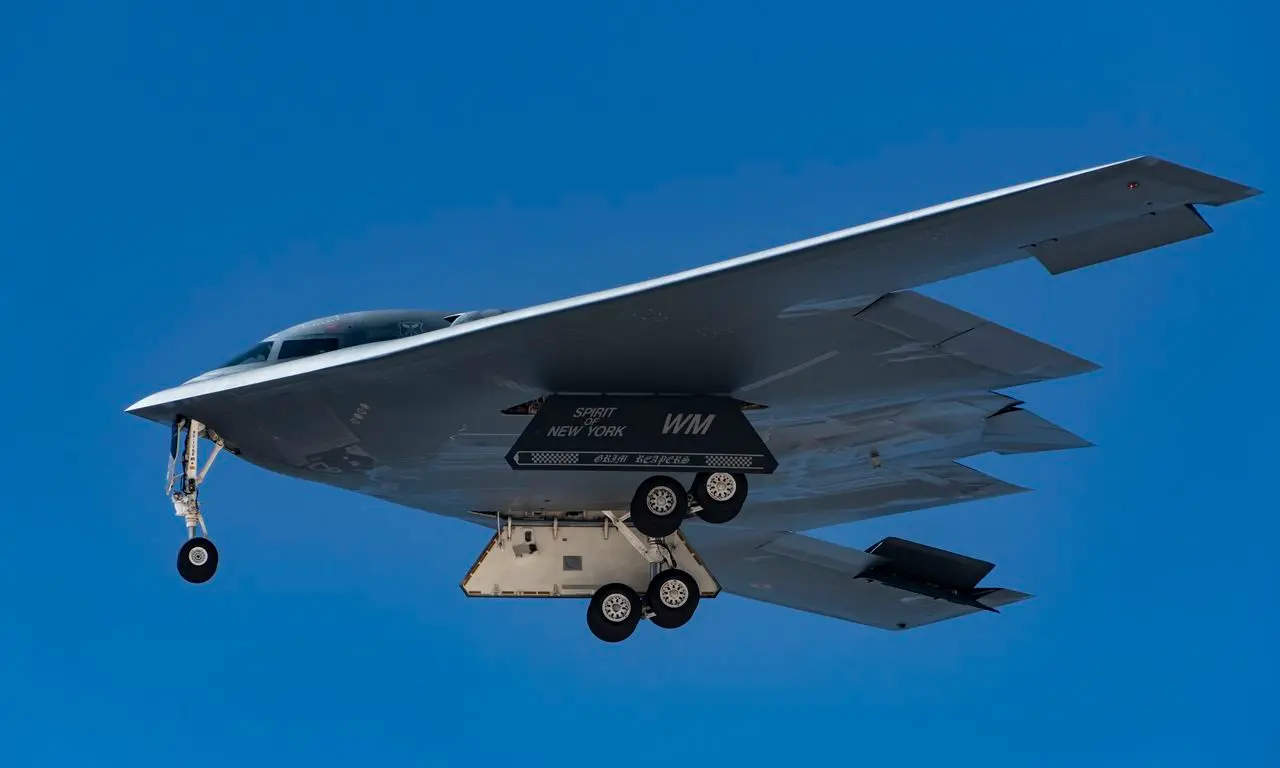
B-2 Terrain Radar Failed in Rain Requiring Years of Costly Fixes
B-2's advanced terrain-following radar initially confused rain for ground obstacles. This critical flaw rendered low-level flight impossible in wet weather. Years of development fixed issue but added significant costs. Complex stealth systems created unexpected interactions requiring constant updates unlike B-52's proven conventional systems.
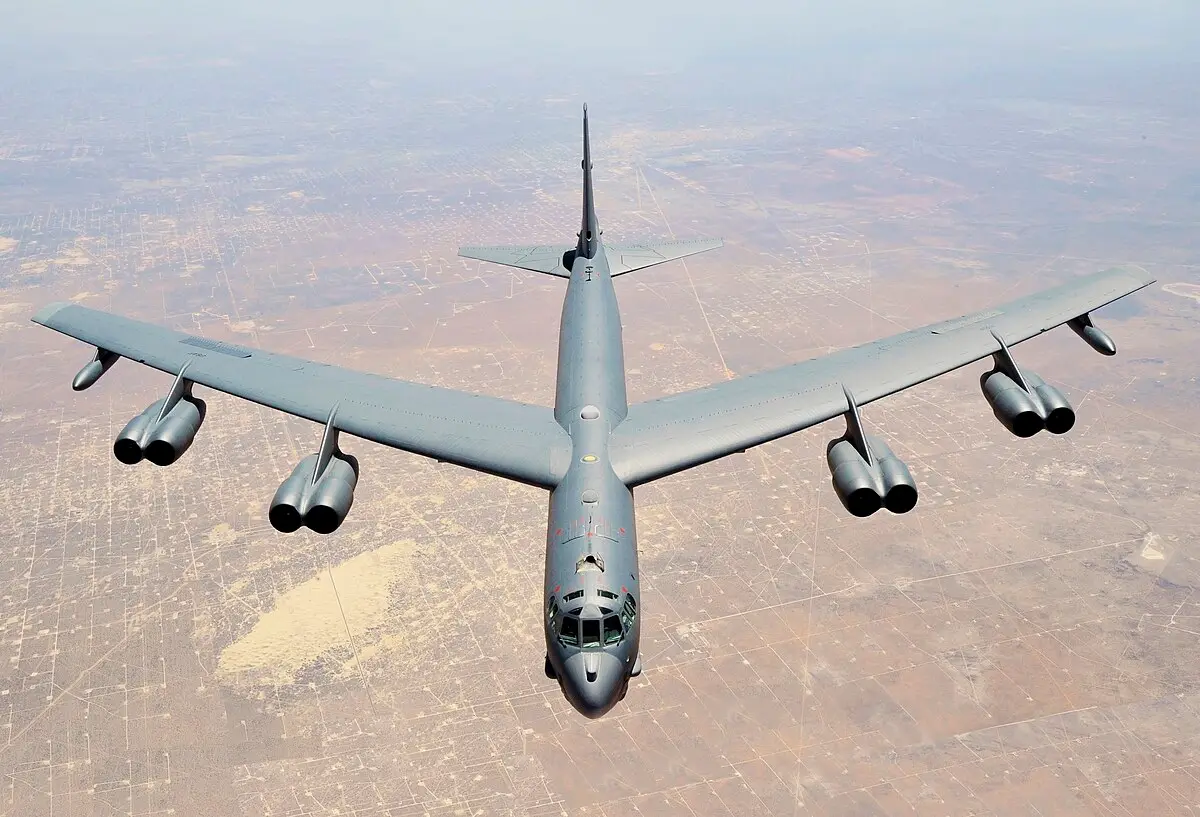
USAF Spending $48.6 Billion Modernizing B-52J Fleet to Serve Until 2060
US Air Force approved $48.6 billion B-52J modernization replacing 1960s engines with modern commercial engines. New engines reduce fuel burn by 20 per cent and maintenance requirements significantly. Defence News reports this extends B-52 service until 2060 - 105 years after first flight. Cost-effective upgrades prove older platforms remain viable economically.
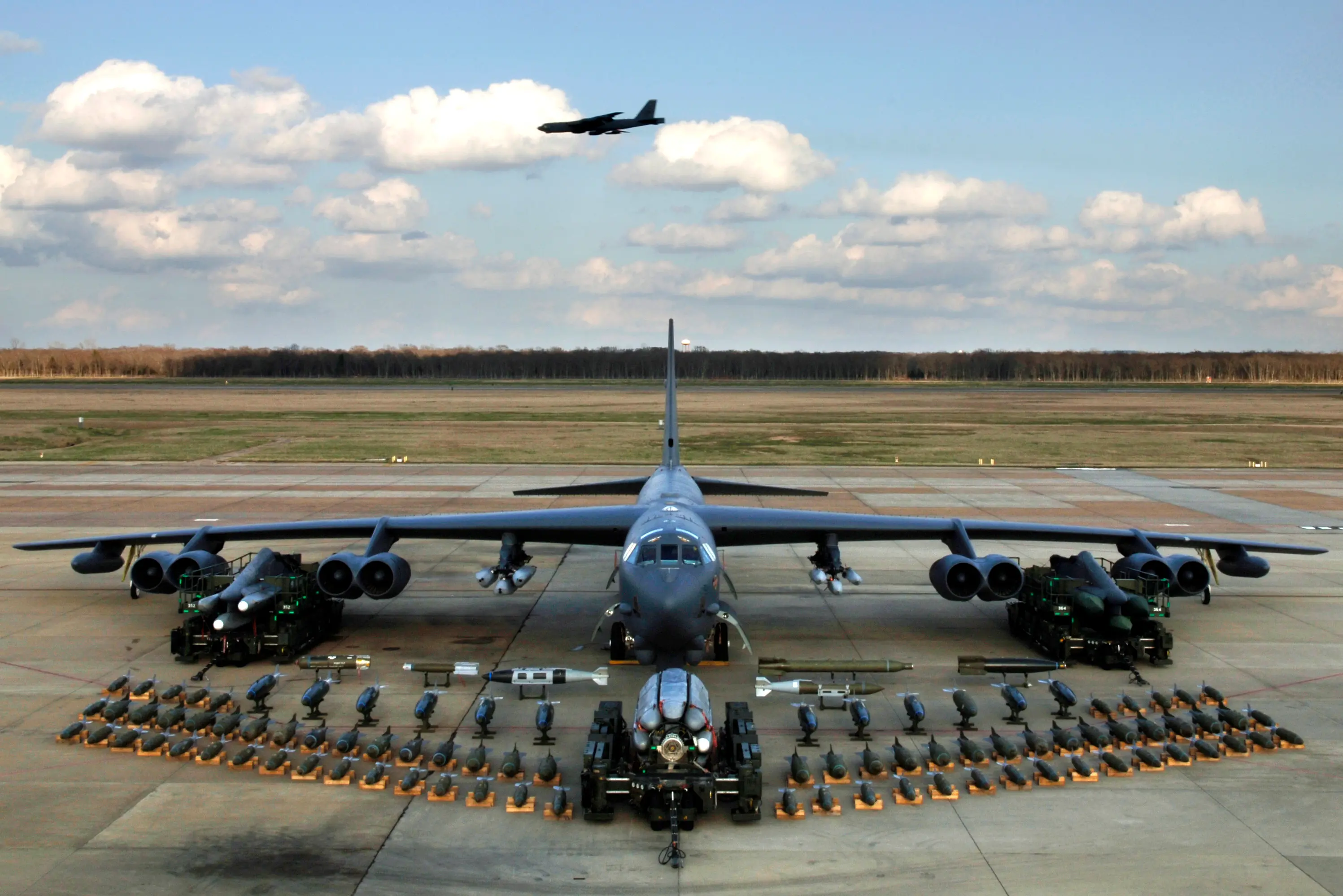
Both Bombers Show 50% Mission Capable Rates Despite Massive Cost Differences
B-52 and B-2 both maintain approximately 50 per cent mission-capable rates currently. B-52's lower costs don't guarantee higher availability due to airframe age. B-2's high costs don't deliver better readiness due to complex system failures. Aviation sources confirm operating cost alone doesn't determine actual combat availability for either aircraft.
)
)
)
)
)