Why Indian passport comes in four colours? Understanding the meaning behind each one

Together with the introduction of modern e-passports featuring biometric chips, this system ensures security, convenience, and smooth passage across borders, aligning India’s passport framework with global standards.
The Role of Passports in India
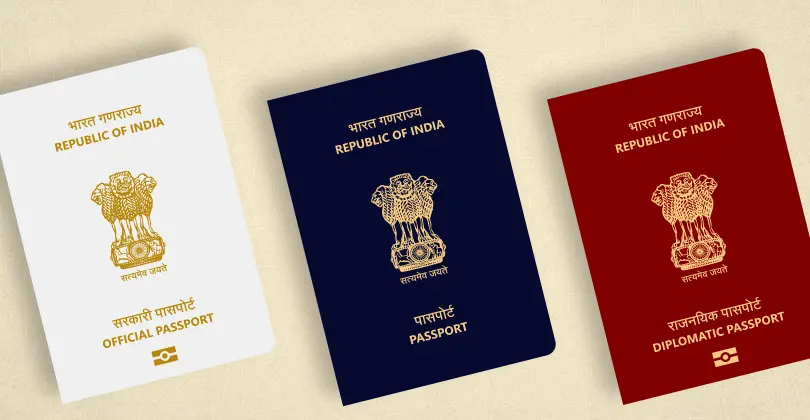
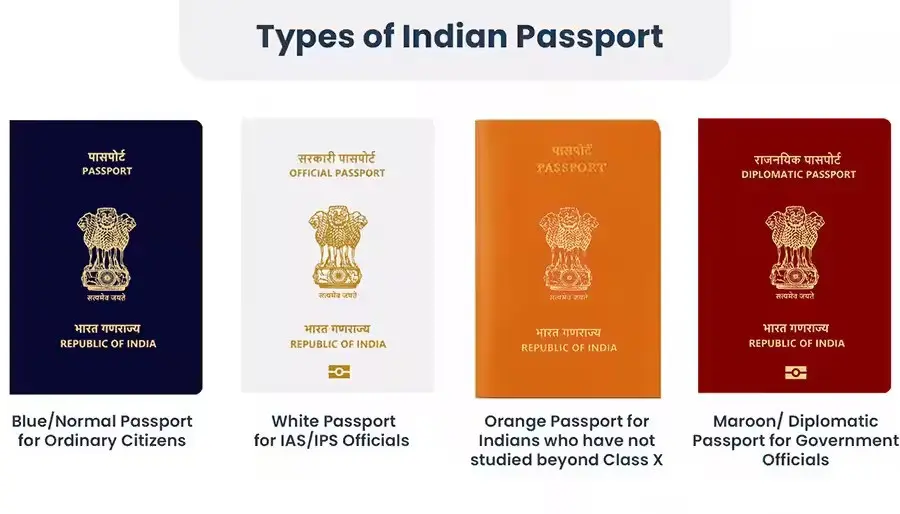
Passports are more than travel documents; they act as essential proof of identity for Indian citizens travelling abroad. India issues four different passport colours like blue, white, red, and orange, each representing the traveller’s category and purpose. This colour-coded system helps immigration officials quickly identify the nature of the journey, whether personal, official, or diplomatic.
Blue: The Ordinary Passport
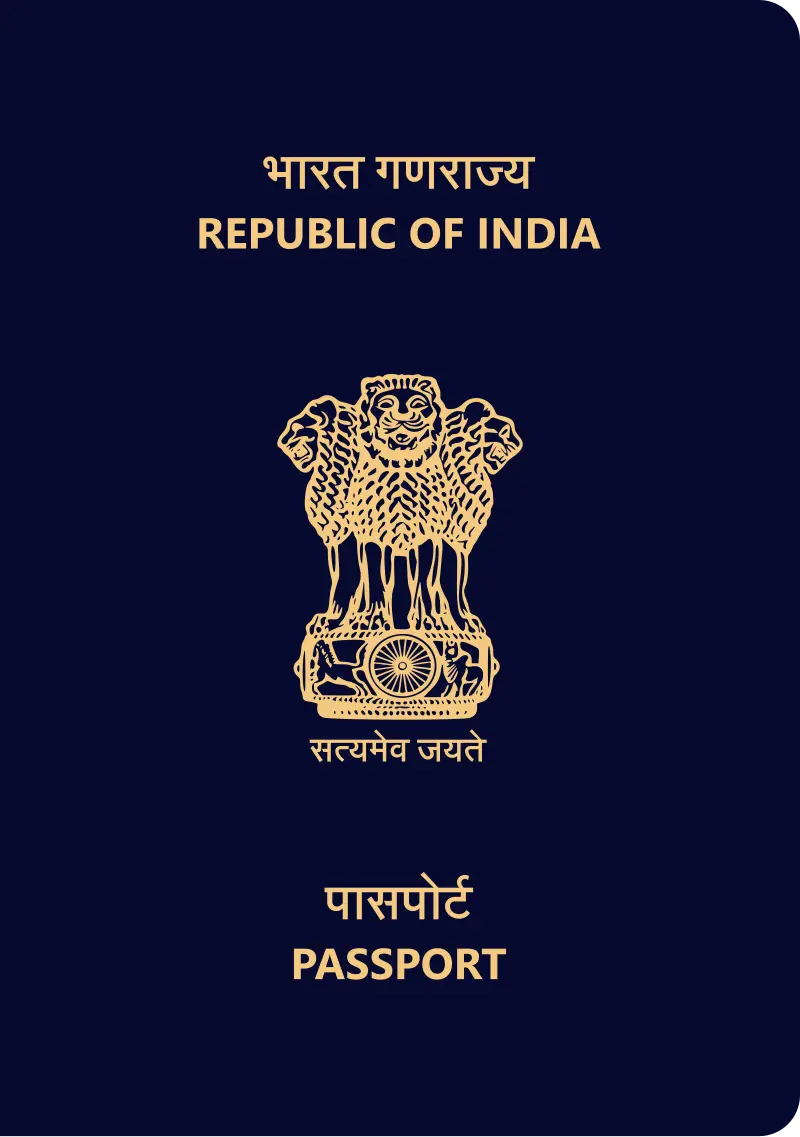
The blue passport, or the Ordinary Passport, is the most common in India and is carried by millions of citizens. It is used for personal, educational, business, and leisure travel across the world. Today, most blue passports are issued as e-passports, equipped with biometric chips to enhance security and speed up immigration checks. To apply, citizens must provide proof of birth, valid identification such as Aadhaar or PAN card, proof of residence, and nationality documents, ensuring the process is secure and reliable.
White: Passport for Government Officials
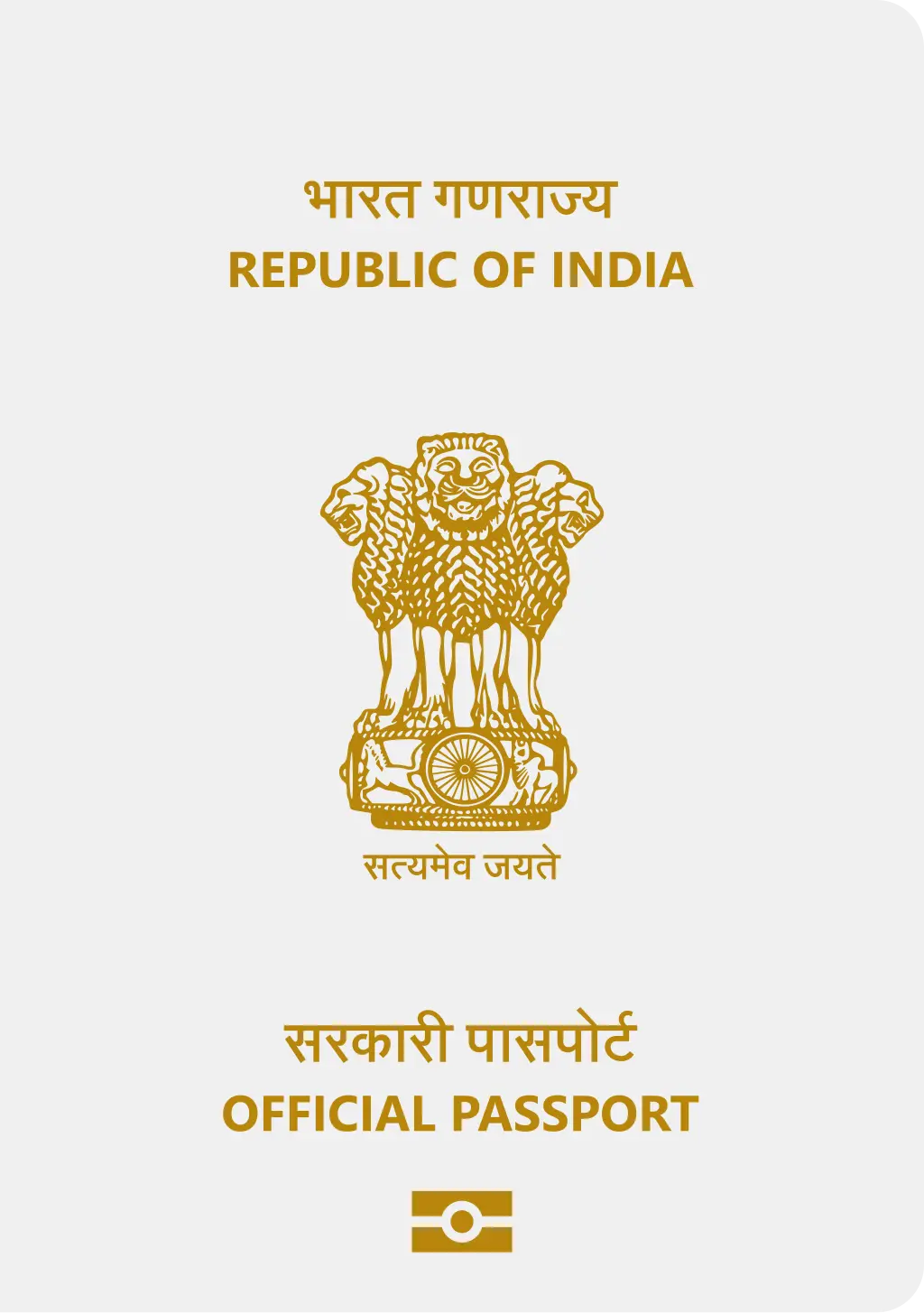
The white passport is reserved exclusively for government officials, civil servants, and members of the armed forces travelling on official assignments. The white colour signifies their official capacity and sometimes grants special treatment during international travel. Like the blue variant, it is also issued as an e-passport with tamper-proof technology. However, the application process is far stricter, requiring a government-issued ID, a duty certificate, departmental forwarding letter, and clearance from the Prime Minister’s Office (PMO).
Red: The Diplomatic Passport
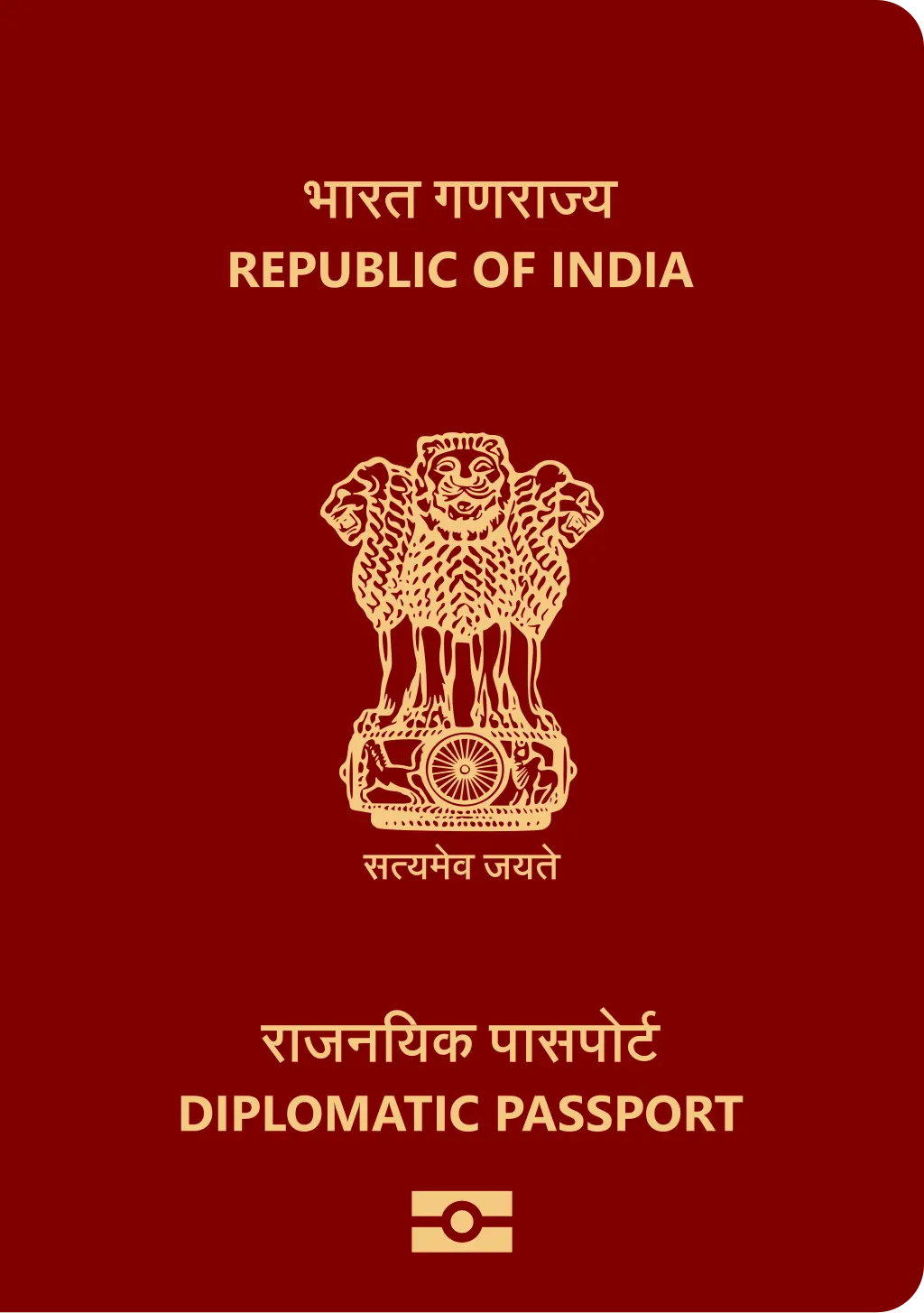
The red or maroon passport is held by diplomats, senior government representatives, and their families. Holders often enjoy diplomatic privileges such as visa-free entry into several countries and priority processing at immigration desks. These passports are also issued in the biometric e-passport format, increasing their global acceptance and security. Applications for a diplomatic passport undergo rigorous checks, including verification by official documents, duty certificates, and PMO authorisation, ensuring they are granted only to qualified individuals.
Orange: Emigration Check Required (ECR) Passport
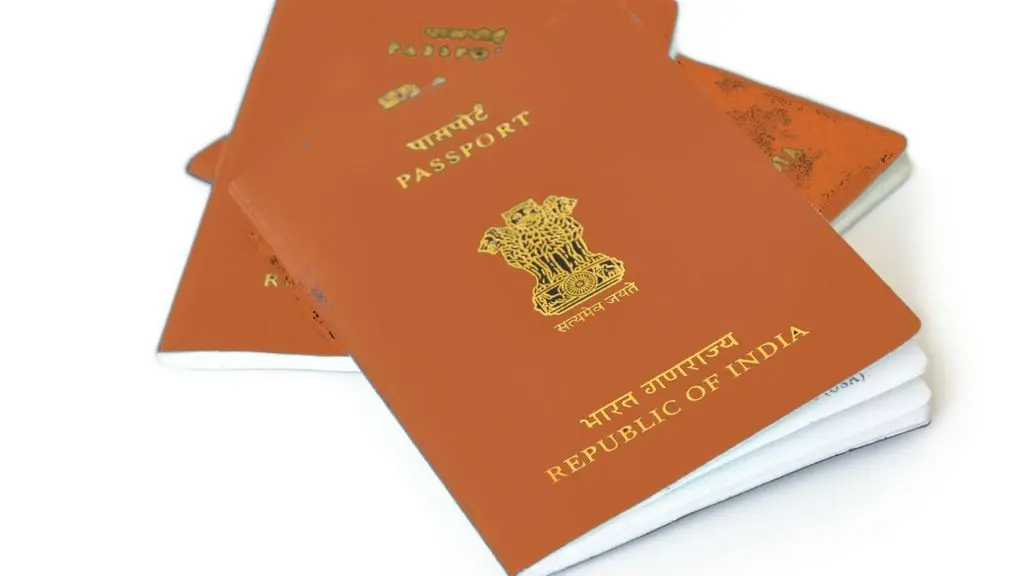
The orange passport is issued to Indian citizens categorised under Emigration Check Required (ECR) status. This group usually includes individuals who may not have completed a certain level of education and are travelling to specific countries for work. Holders of this passport must undergo additional emigration procedures before departure, offering an added layer of protection for workers travelling abroad for employment opportunities.
Why Passport Colours Matter
India’s colour-coded passport system is designed to ensure clarity and order in international travel. Blue is the most widely held for personal travel, white is for officials, red for diplomats, and orange for ECR travellers. Together with the introduction of modern e-passports featuring biometric chips, this system ensures security, convenience, and smooth passage across borders, aligning India’s passport framework with global standards.
)
)
)
)
)