Why India still imports 60% of LPG: Key reasons behind the current supply crunch

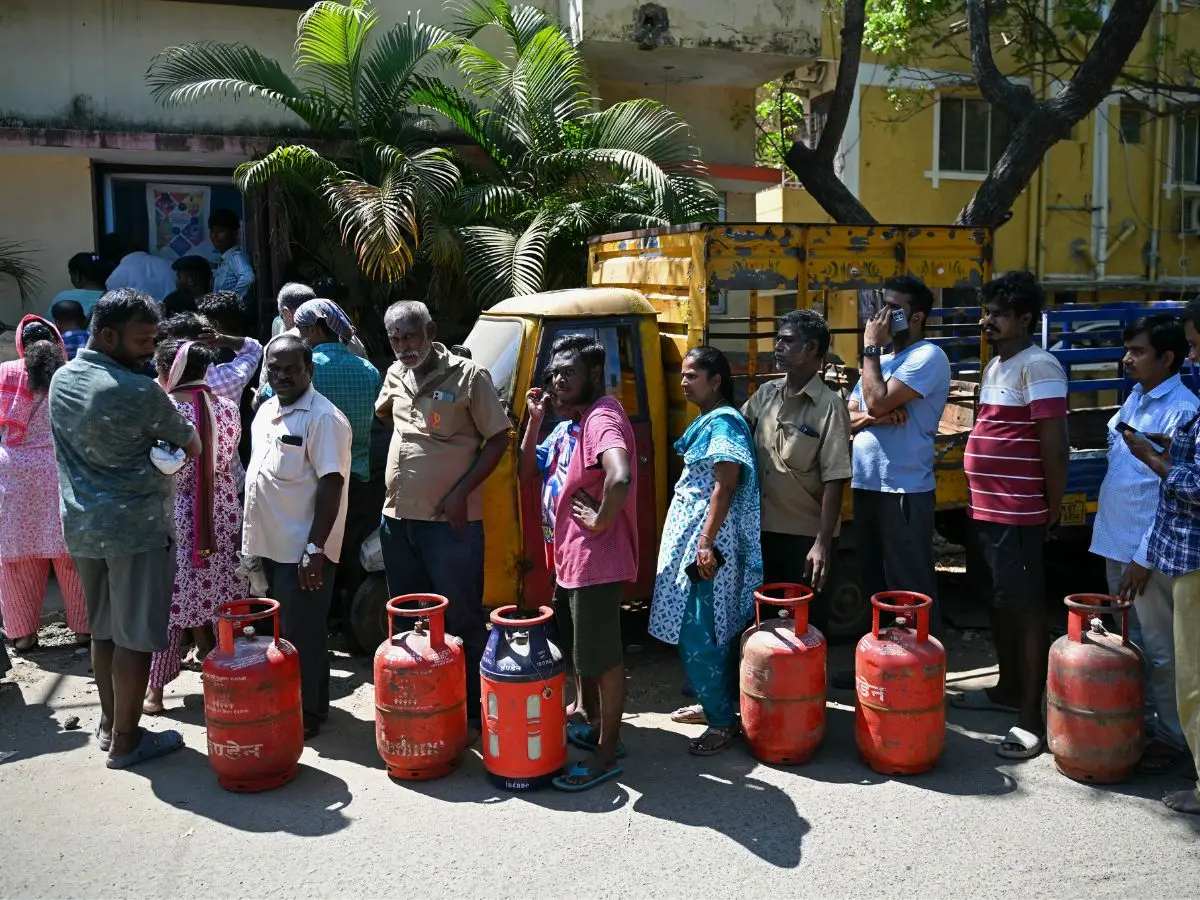
With that Strait of Hormuz affected by the war, the government has moved to stabilise domestic supply while urging consumers not to panic and to conserve energy wherever possible.
A supply shock during the West Asia conflict
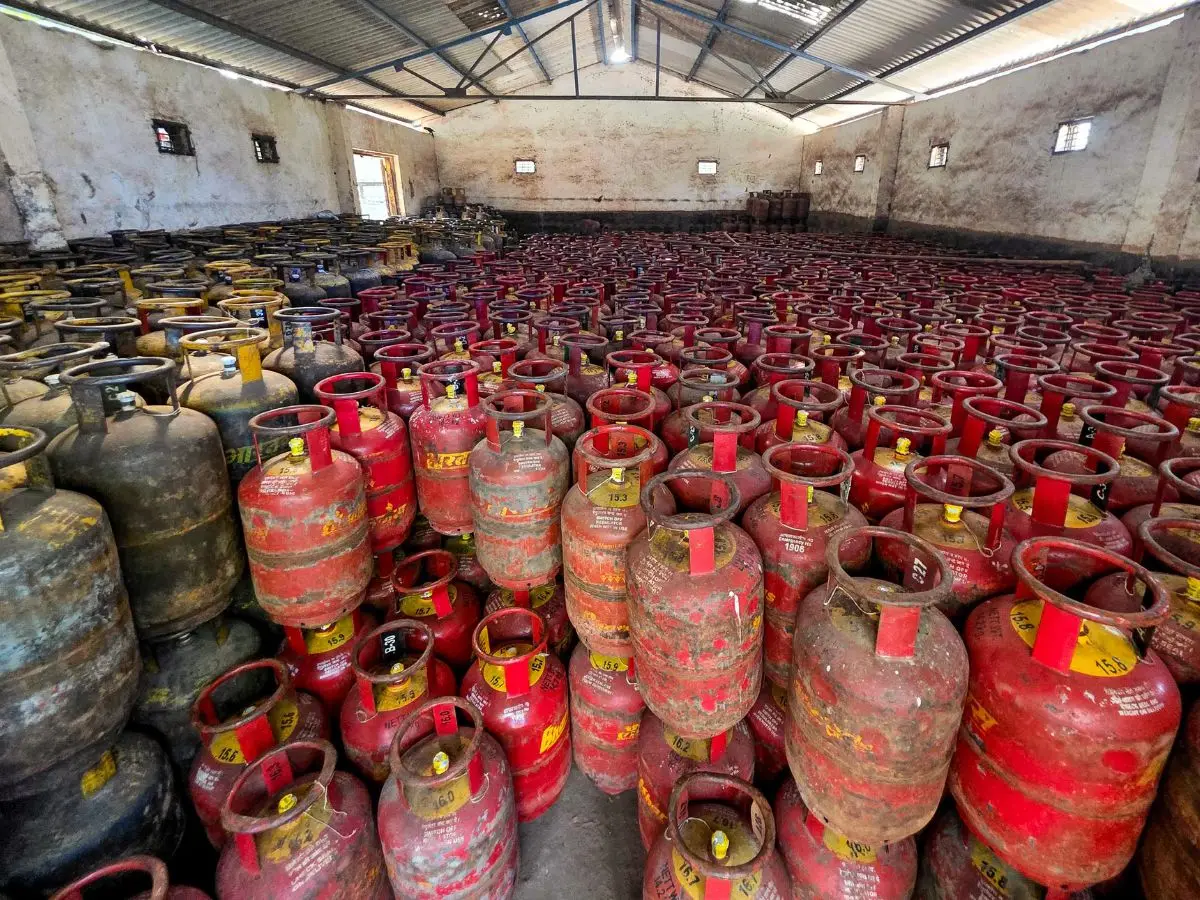
India’s cooking gas supply is under strain as the ongoing conflict in West Asia disrupts global energy flows. The country imports about 60 per cent of its liquefied petroleum gas (LPG) requirements, and roughly 90 per cent of those imports move through the Strait of Hormuz, one of the world’s most critical energy shipping routes. With that corridor affected by the war, the government has moved to stabilise domestic supply while urging consumers not to panic and to conserve energy wherever possible.
Emergency measures to boost domestic production
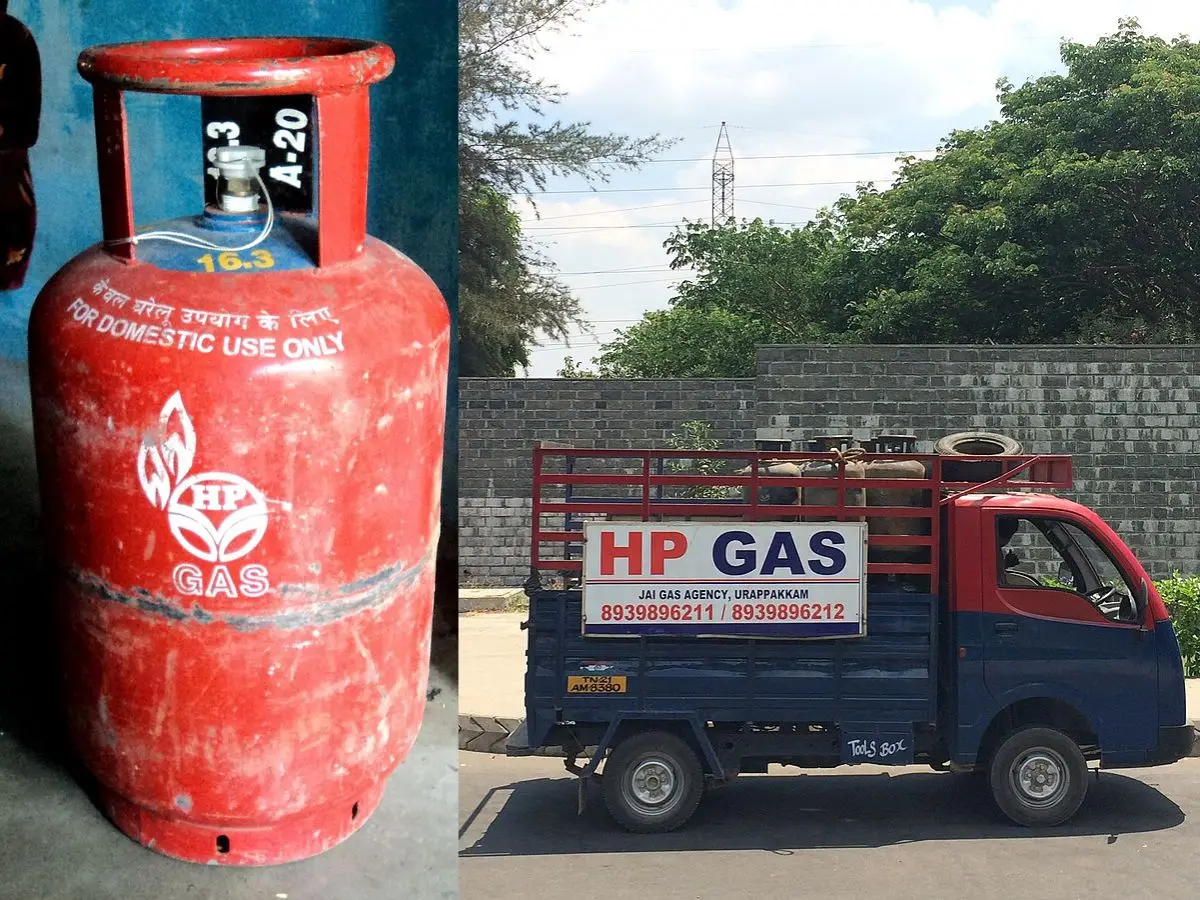
New Delhi has invoked emergency powers to increase LPG output at refineries. On March 8, 2026, the government directed refining and petrochemical complexes to maximise LPG production by diverting propane, butane, propylene and butenes streams into the LPG pool. According to officials, these measures have already increased domestic LPG production by around 25–28 per cent, with the entire output now being prioritised for household cooking gas. The order requires all such hydrocarbon streams to be channelled to the three public sector oil marketing companies.
Import dependence remains the core challenge
Despite these measures, India’s structural dependence on imports remains significant. Data from the Petroleum Planning and Analysis Cell show that in FY2024–25 the country produced about 12.8 million metric tonnes (MMT) of LPG, accounting for roughly 40 per cent of total consumption of 31.3 MMT. The remainder had to be sourced from overseas markets, making India the world’s second-largest LPG importer.
Supply routes under pressure
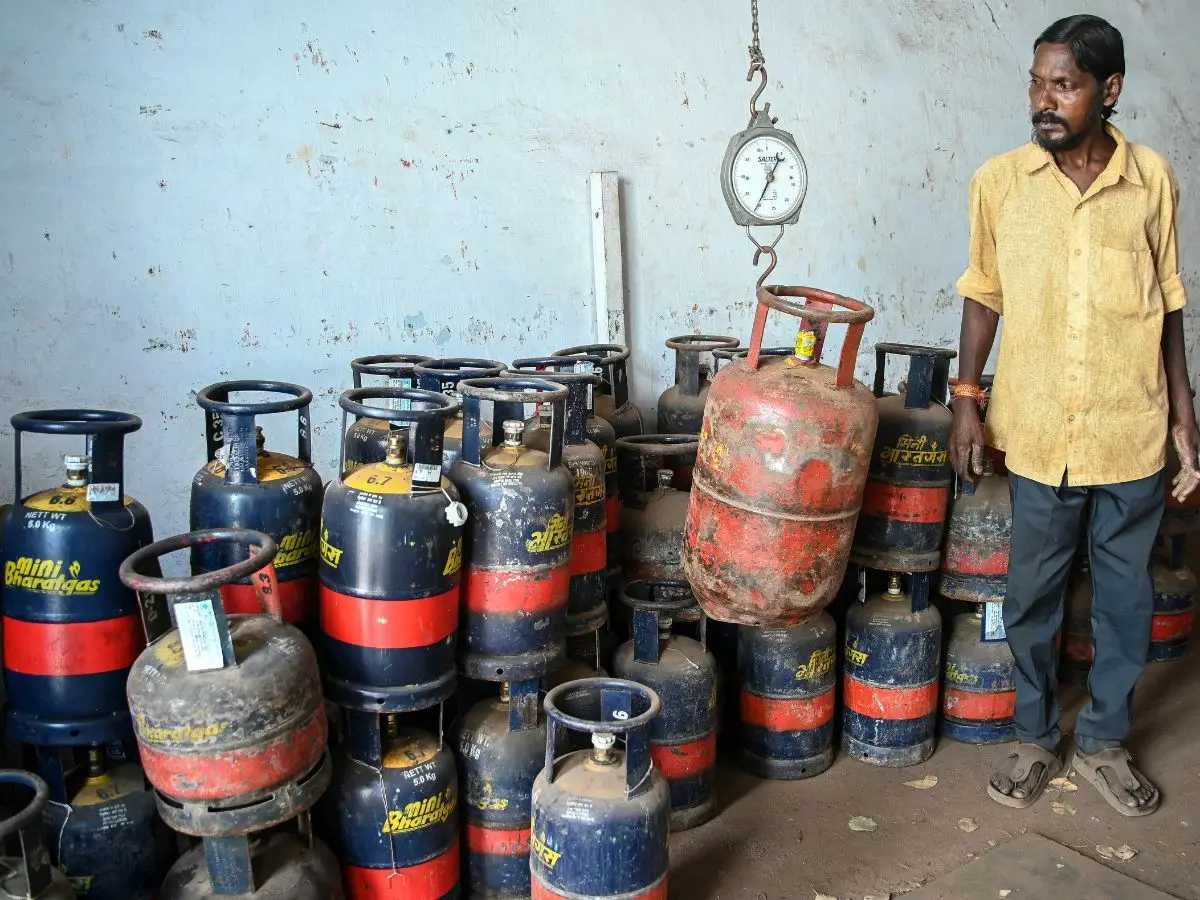
The present disruption highlights how heavily India relies on global supply chains. According to government officials cited by Reuters, India consumed 33.15 million metric tonnes of cooking gas last year, with imports meeting around 60 per cent of demand, and the majority sourced from the Middle East. Any disruption to shipping routes in the Gulf therefore quickly affects availability and prices in the domestic market.
Demand continues to rise across households
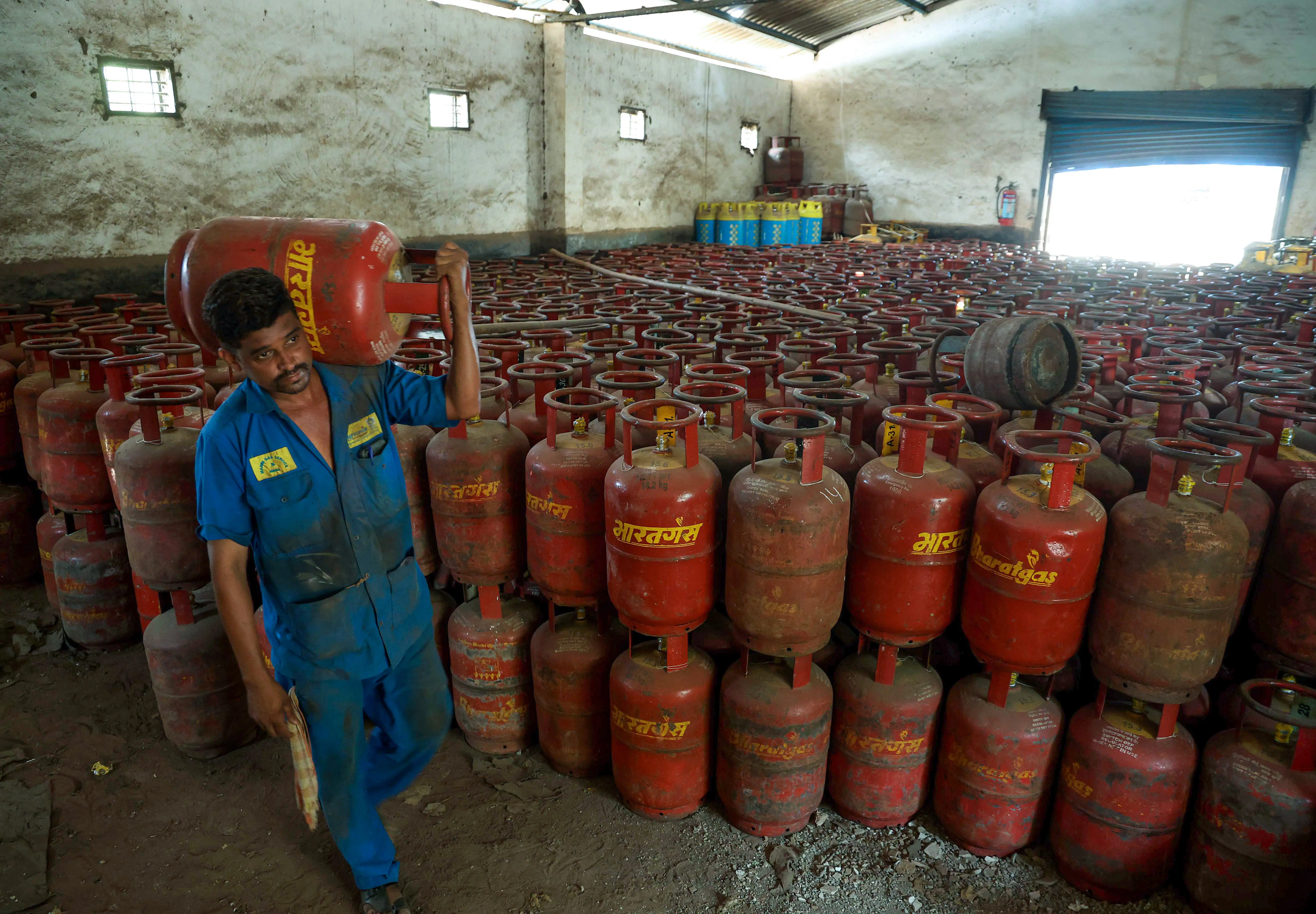
Another reason for the strain is the rapid expansion of LPG access in recent years. PPAC data show India now has over 33.2 crore active LPG connections, including more than 10 crore beneficiaries under the Pradhan Mantri Ujjwala Yojana. This expansion has significantly increased demand for cooking gas across both urban and rural households.
Steps to manage consumption and distribution
The government has also introduced measures to manage demand and prevent supply diversion. The minimum gap between LPG bookings has been increased from 21 to 25 days, while rural consumers face a 45-day booking cycle. In addition, the Delivery Authentication Code system is being expanded to cover about 90 per cent of consumers to curb diversion of cylinders at the distributor level.
)
)
)
)
)