Why India's BrahMos cruise missile costs around Rs 25-35 crore per unit?

India's BrahMos missile costs Rs 25-35 crore per unit due to advanced supersonic technology, extensive R&D investment, dual-role capabilities, and rigorous quality standards. Comparison with global missiles shows premium pricing justified by superior performance.
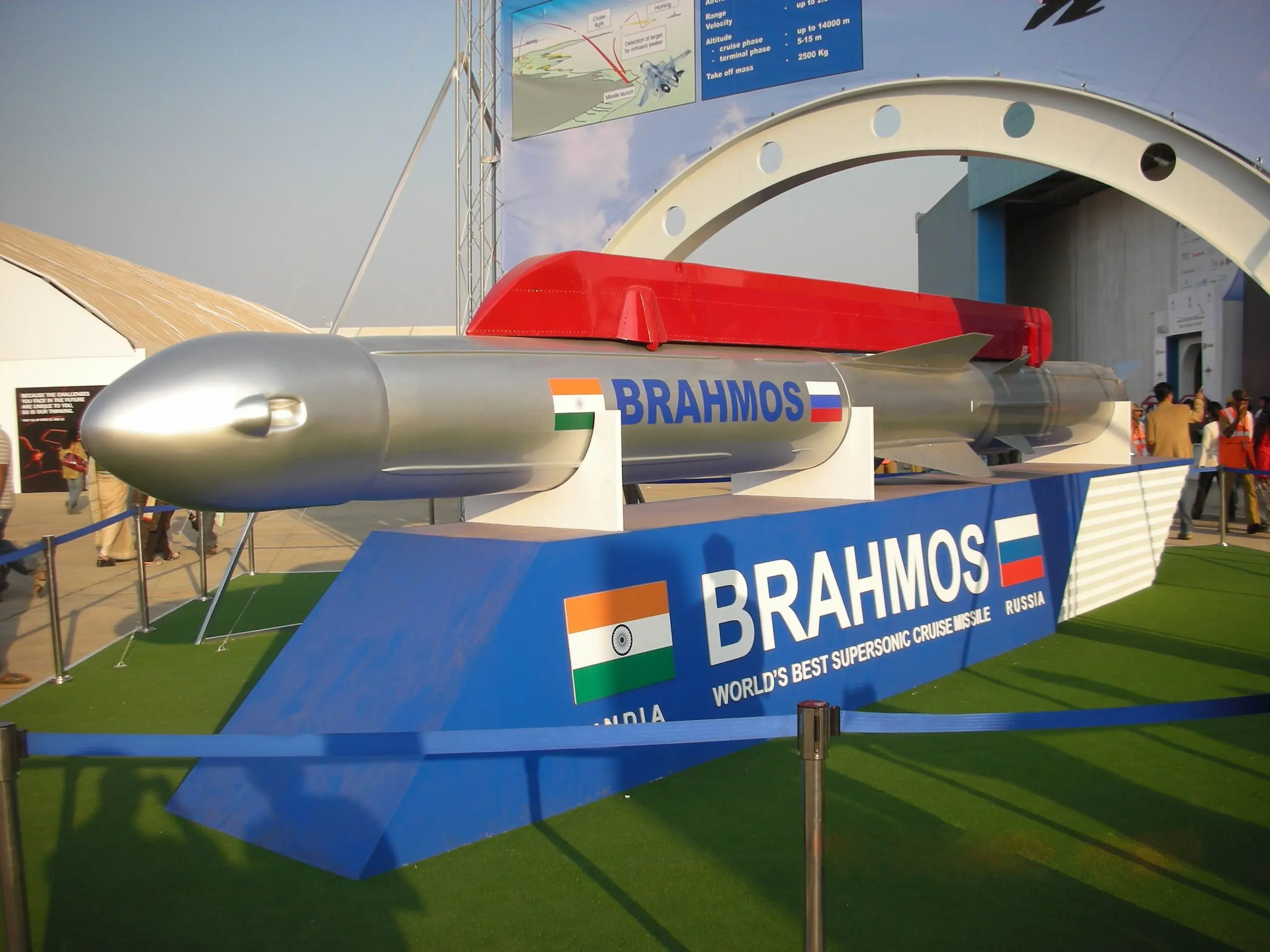
Rs 34 Crore BrahMos Missile Cost Explained
The BrahMos is a dual-role, air-breathing, ramjet-powered supersonic cruise missile jointly developed by India and Russia. Each unit costs approximately Rs 25-35 crore depending on the variant-with extended-range variants used by the Indian Navy reaching Rs 34 crore per missile, as revealed in official Defence Ministry documents from 2024. This makes BrahMos one of India's most expensive single weapons systems, yet it remains critical for national defence infrastructure across land, sea, and air operations.
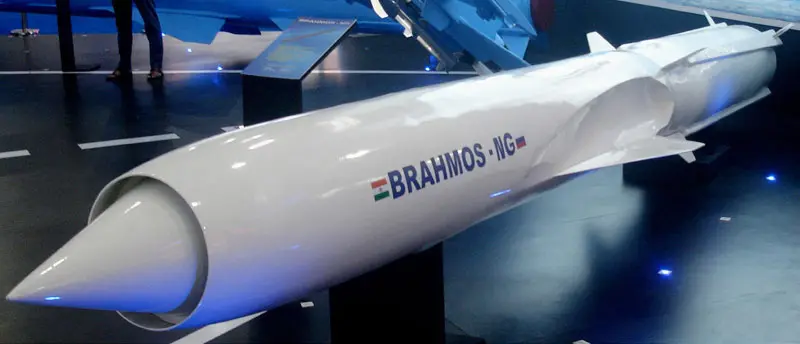
Rs 2,135 Crore R&D Investment Behind Every Missile
The BrahMos project was launched with an authorised capital of $250 million (approximately Rs 2,135 crore at conversion rates). India contributed 50.5 per cent while Russia contributed 49.5 per cent of total project costs over two decades. This massive developmental expense is distributed across the unit cost of every missile produced-meaning each Rs 34 crore missile includes a portion of the initial Rs 2,135 crore research investment made to create the technology.
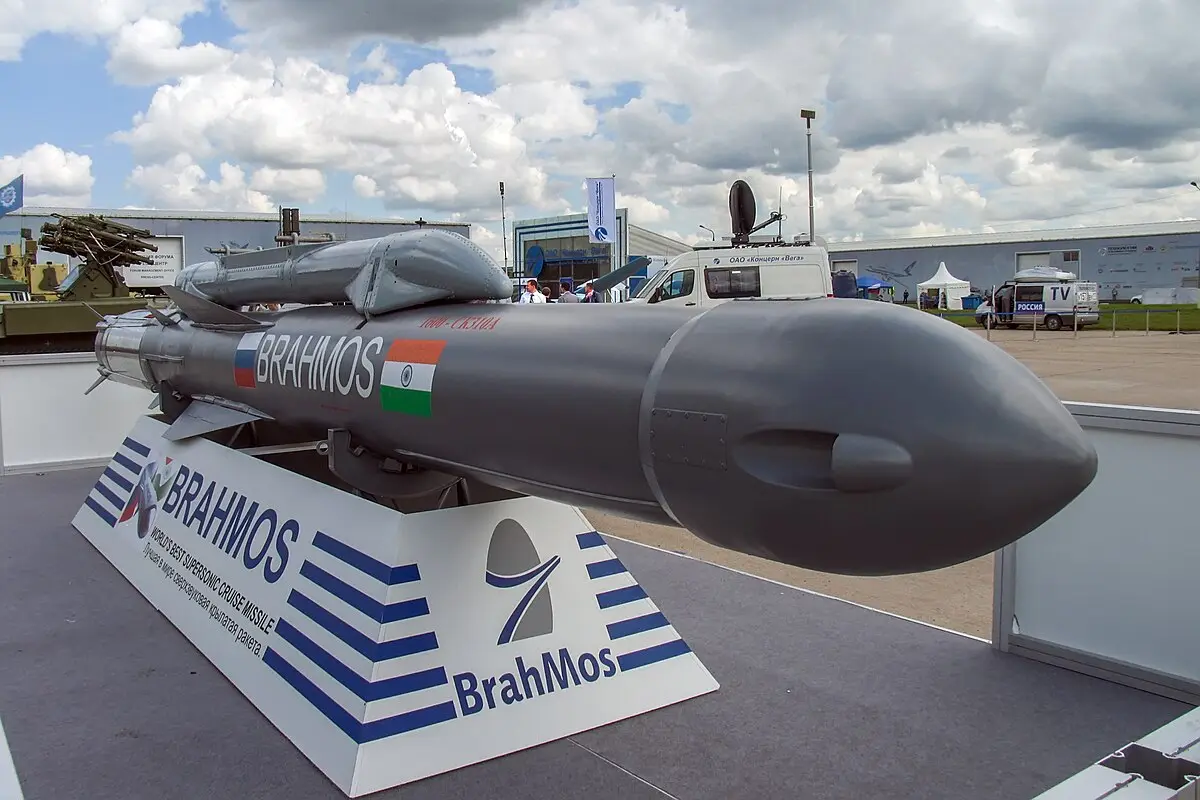
Rs 300 Crore Lucknow Factory Production Impact
India's new BrahMos production facility in Lucknow was constructed at a cost of Rs 300 crore on 80 hectares of land provided by Uttar Pradesh government. This state-of-the-art manufacturing unit produces 80-100 missiles annually, scaling to 150 units yearly for next-generation variants. The facility's construction, infrastructure, and operational overhead costs are factored directly into the per-unit price of each Rs 34 crore missile.
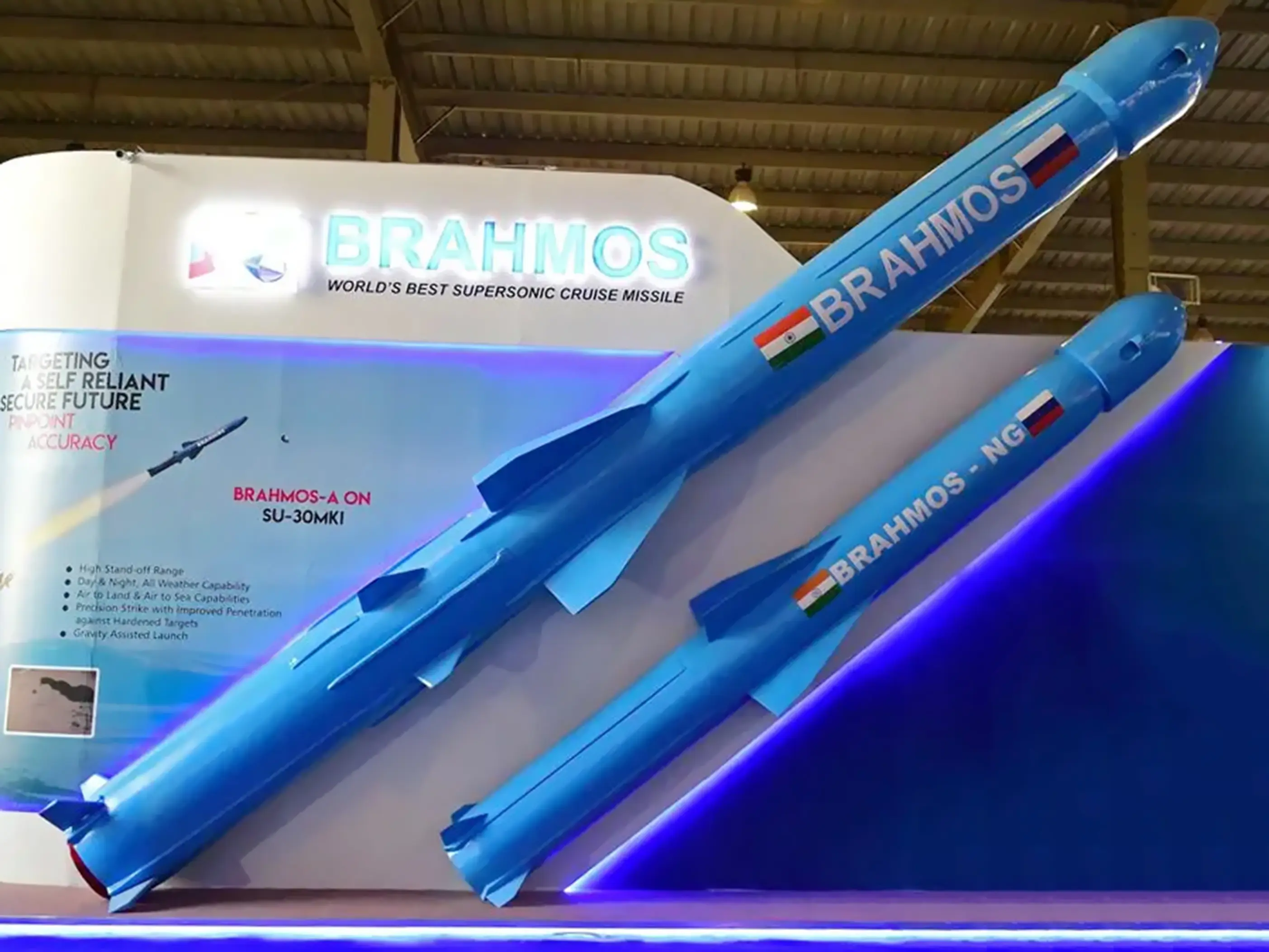
Mach 2.8 Supersonic Speed Technology Premium
The BrahMos travels at speeds of 2.8 Mach (three times the speed of sound, approximately 3,900 kilometres per hour), requiring advanced composite materials, aerodynamic design, and integrated guidance systems. Each missile contains thousands of precision-engineered components manufactured to extremely tight tolerances. The complexity of producing a ramjet engine functioning at supersonic speeds significantly increases manufacturing costs-justifying the Rs 30 crore unit price compared to subsonic missiles.
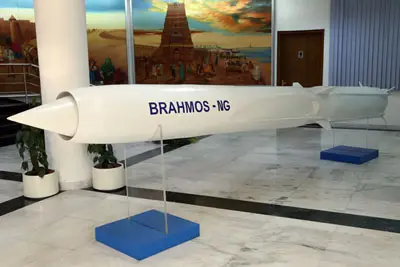
Rs 34 Crore Extended-Range vs Rs 25 Crore Standard Version
BrahMos missiles come in multiple cost variants. The basic anti-ship variant with 290 kilometres range costs approximately Rs 25-28 crore. The extended-range version reaching 450 kilometres-equipped on Navy destroyers like INS Visakhapatnam-costs Rs 34 crore per unit due to additional fuel capacity and enhanced ramjet propulsion mechanisms.
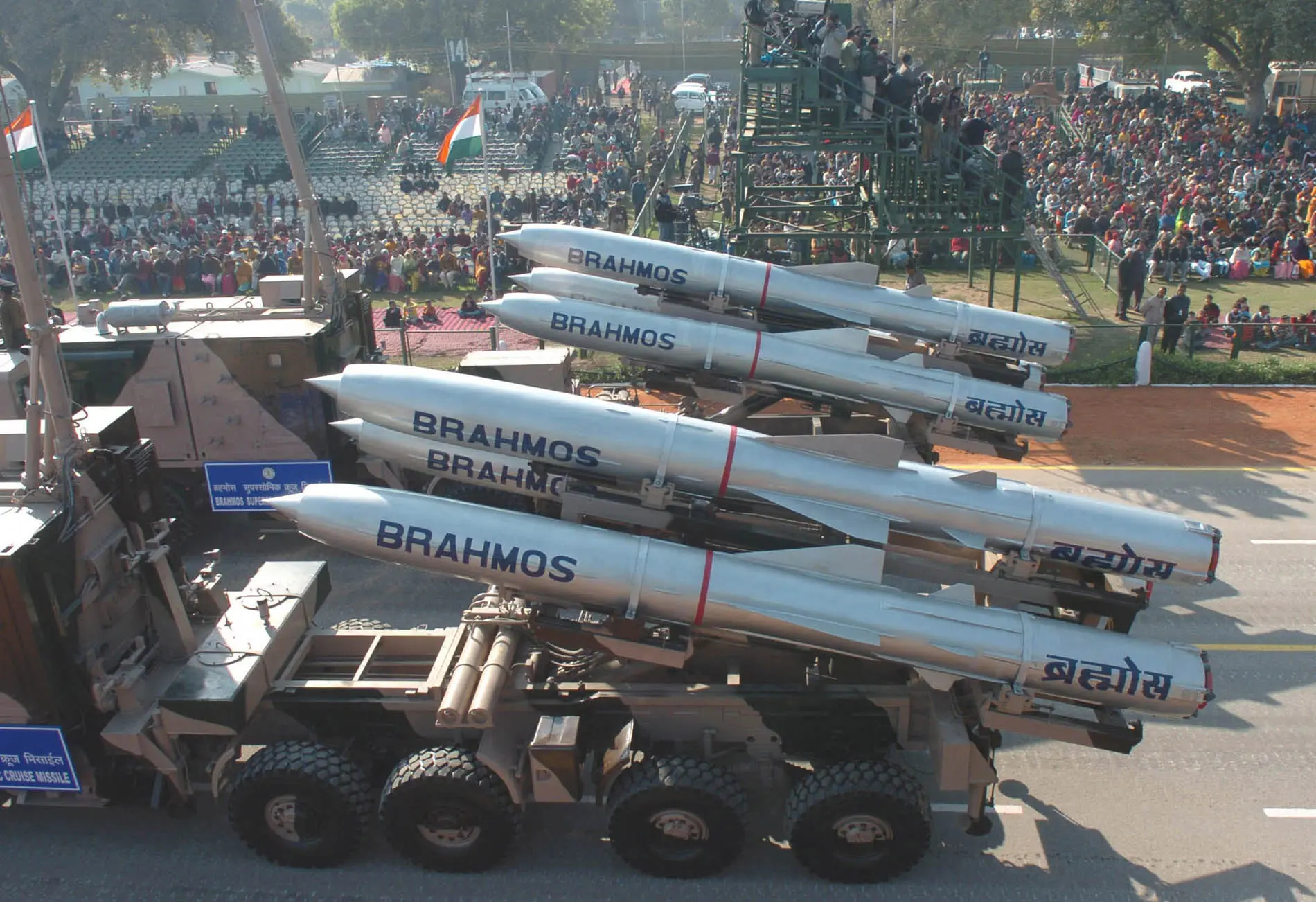
Dual-Role Land and Sea Targeting Complexity
The BrahMos uniquely strikes both land-based and maritime targets with identical platform compatibility, requiring integrated multi-target guidance systems and terrain mapping algorithms. Developing and testing dual-role capability across Army, Navy, and Air Force variants adds significant engineering costs. This sophisticated multi-domain integration contributes substantially to the Rs 34 crore unit cost.
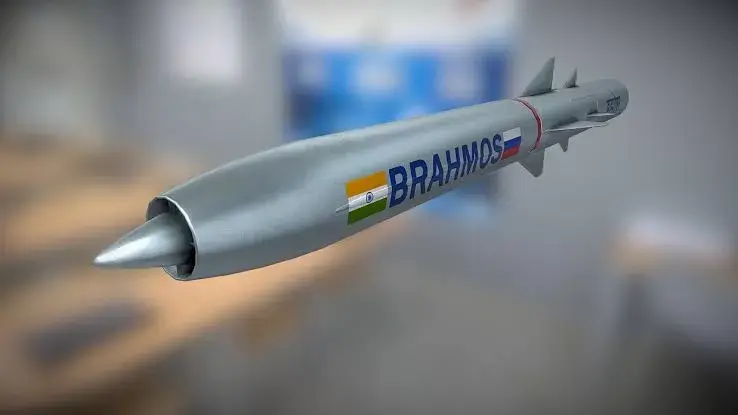
Rigorous Testing Adds 10-15% to Manufacturing Cost
Each BrahMos undergoes extensive pre-deployment testing and quality control validation-must function flawlessly in critical defence operations with zero tolerance for manufacturing defects. Multiple test flights, systems validation cycles, and performance verification procedures add 10-15 per cent to manufacturing costs. Every component is traceable and every assembly verified multiple times before deployment readiness.
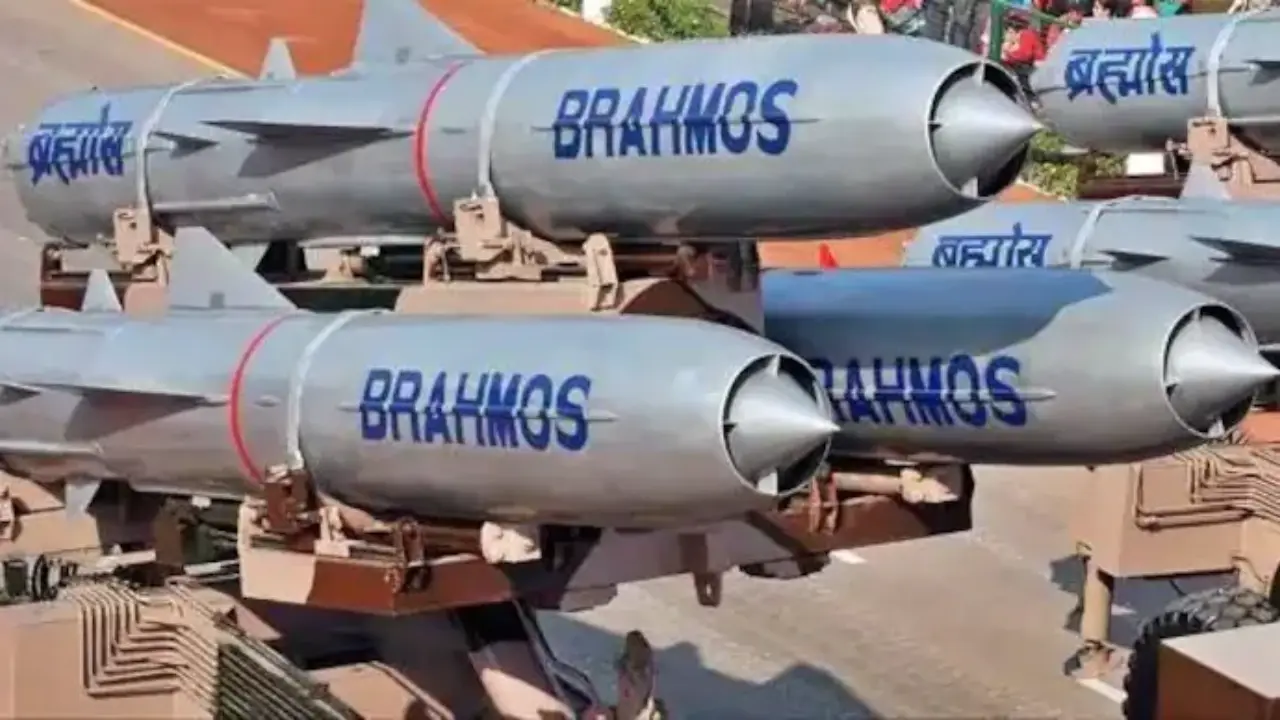
BrahMos Rs 34 Crore vs Tomahawk Rs 16 Crore Comparison
The US Tomahawk cruise missile costs approximately $2 million (Rs 16-17 crore), making BrahMos nearly double in price. BrahMos offers superior Mach 2.8 supersonic capabilities versus Tomahawk's subsonic Mach 0.65 speed, plus extended 450-kilometre range variants. Russian Kalibr missiles cost $1-1.5 million (Rs 8-12 crore) but lack comparable guidance precision.
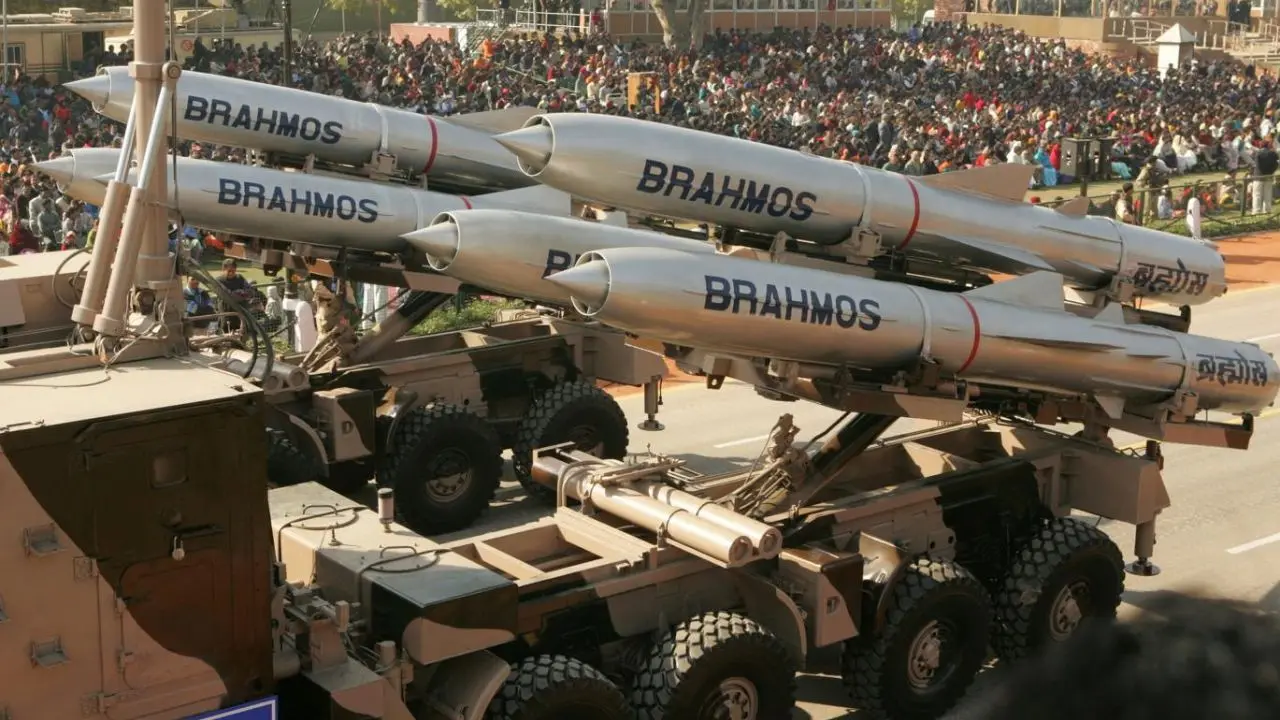
Rs 3,000 Crore Philippines Export Validates Price Tag
India signed defence agreements worth $375 million (approximately Rs 3,000 crore) with the Philippines for BrahMos missile supply. Additional export orders worth $450 million USD are in advanced negotiation stages with other Indo-Pacific nations. These export commitments validate the Rs 34 crore unit price through international defence market acceptance.
Production Scaling Could Reduce Cost by 10-15%
As Lucknow manufacturing facility increases output from current 100 units annually to 150 missiles yearly by 2027, unit costs are projected to decrease through economies of scale. Increased production volumes enable suppliers to reduce component costs and improve manufacturing efficiency. Individual unit costs could reduce from Rs 34 crore to approximately Rs 29-31 crore by 2028.
)
)
)
)
)