Why India needs K-5 nuclear missile for its Arihant-Class submarines?

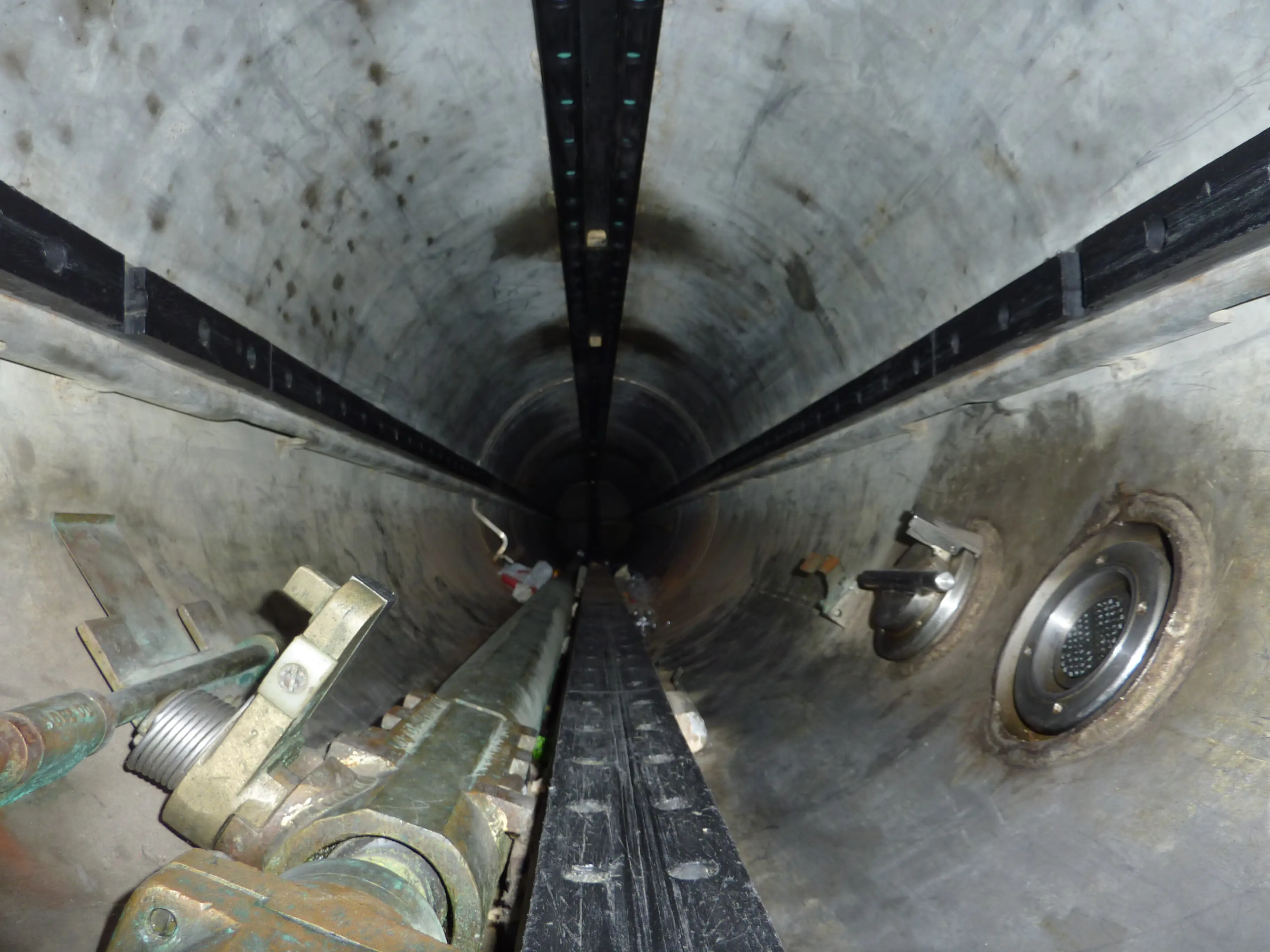
The first two Arihant-class submarines carry a limited number of missile tubes. Future units (S4, S4* and the S5 class) are expected to be larger with more vertical launch tubes.
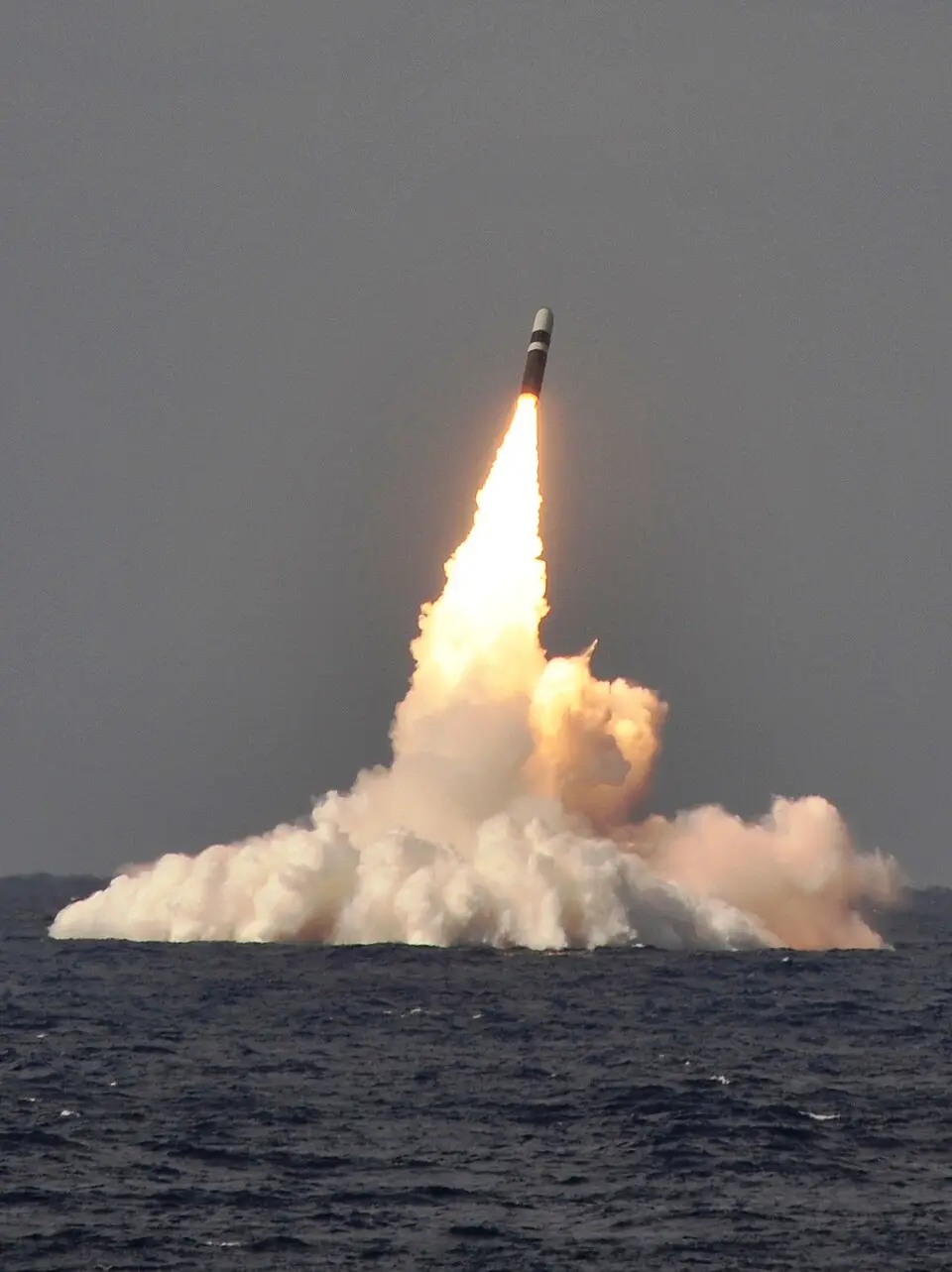
1. The K-5 Is Designed to Fill the Range Gap in India’s Sea-Based Deterrent
India currently fields the K-15 (750 km) and has tested the K-4 (3,500 km) SLBM for Arihant-class submarines. While K-15 is too short-range for strategic deterrence, K-4 still requires Indian submarines to sail closer to hostile coastlines. Open-source defence analyses suggest that the K-5, with a speculated 5,000–6,000 km range, would allow Indian SSBNs to strike strategic targets from the safety of the Indian Ocean without leaving protected waters. This increases survivability, the most crucial element of nuclear deterrence.
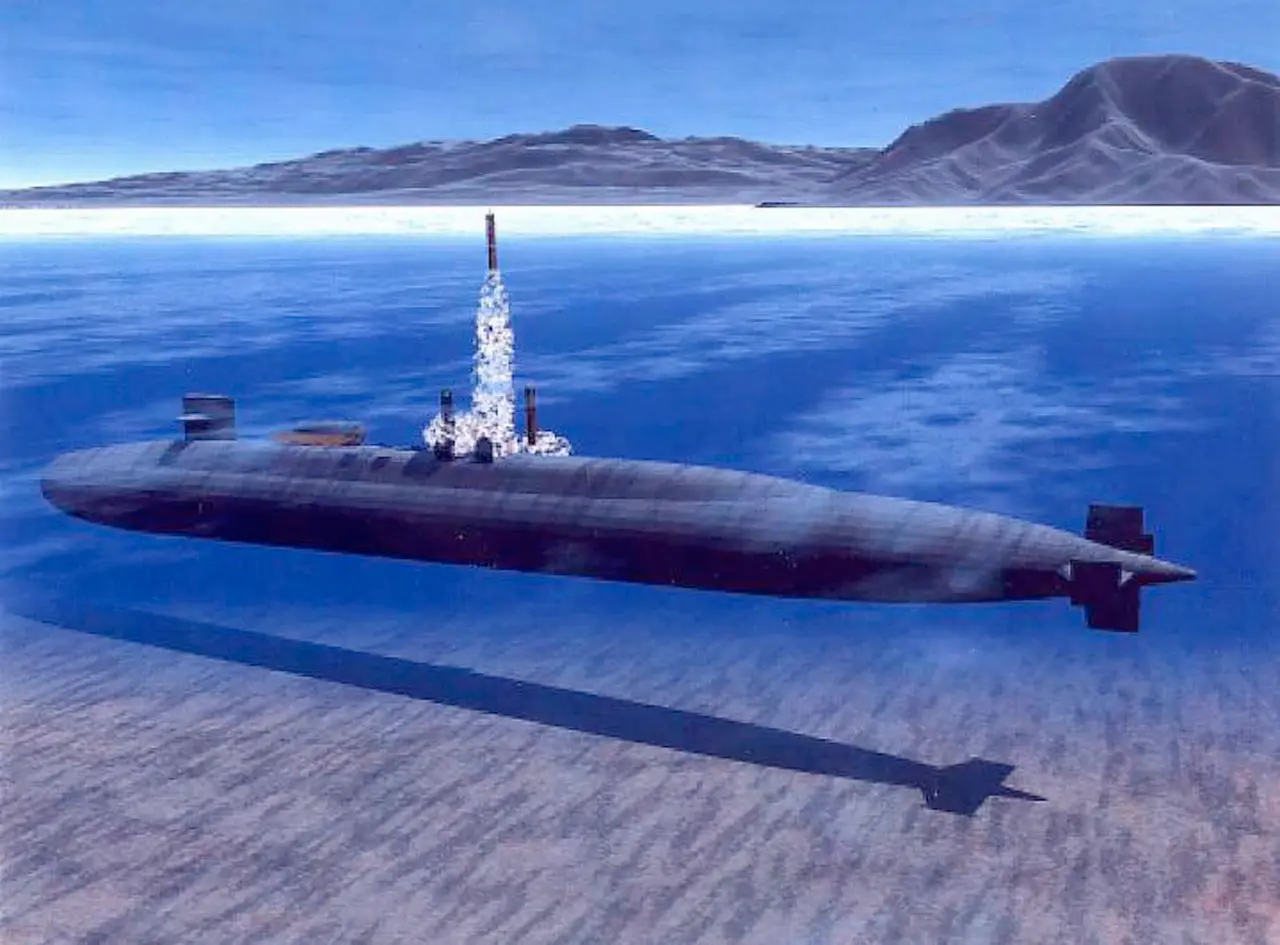
2. Longer-Range SLBMs Allow Submarines to Stay Hidden in Secure Patrol Zones
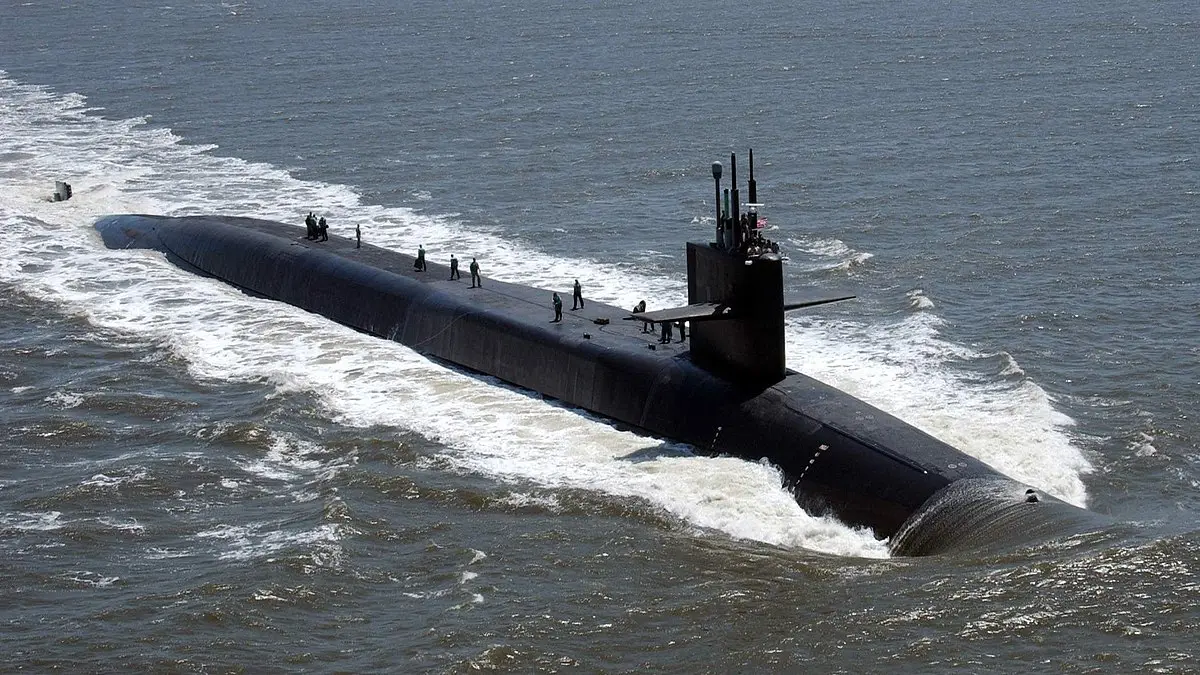
The Arihant-class SSBNs (INS Arihant, INS Arighat, and the upcoming larger S4/S4* units) operate best in deep, familiar waters where Indian naval assets can protect them. A missile like the K-5 eliminates the need to move closer to enemy shores, where anti-submarine aircraft, underwater sensors and surface fleets can threaten detection. SLBMs are effective only if submarines stay hidden; longer ranges preserve that stealth.
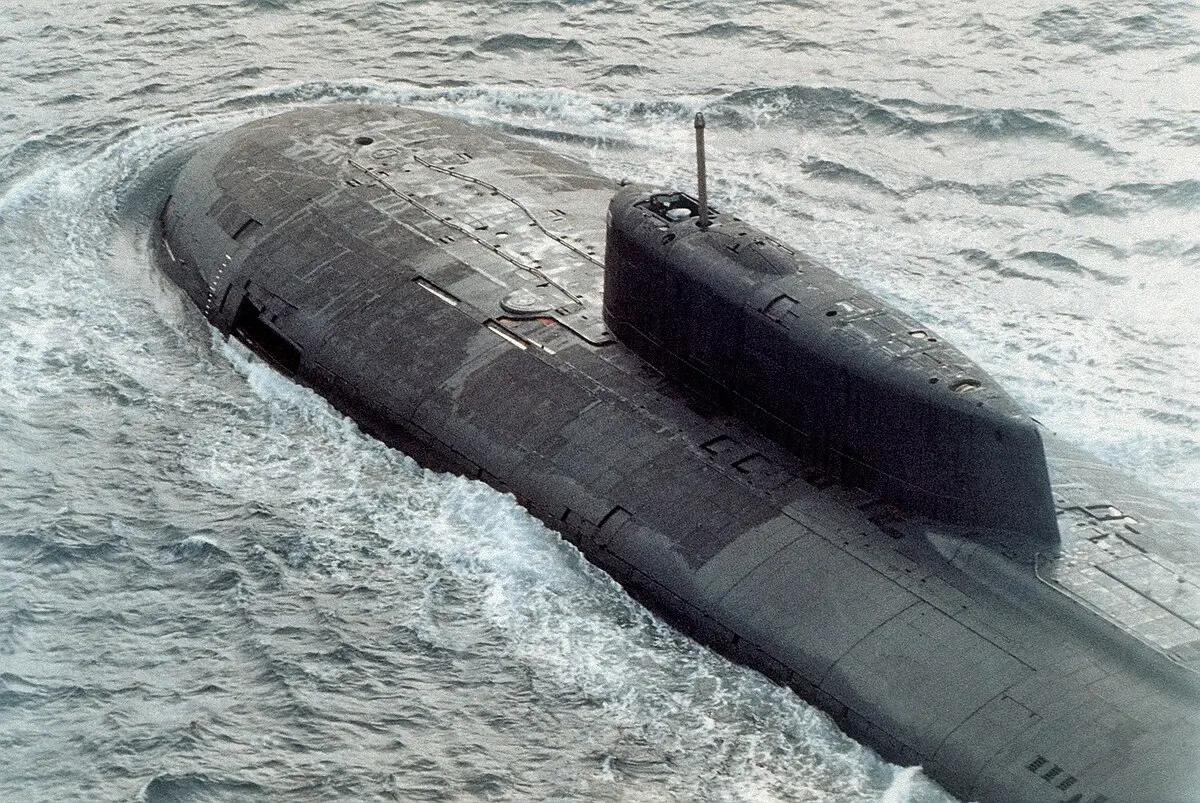
3. A Sea-Based Missile Is India’s Most Survivable Nuclear Option
India’s nuclear triad consists of land-based missiles, aircraft-delivered weapons, and submarine-launched ballistic missiles. Among these, SLBMs are the hardest for an adversary to track, target or destroy, because submarines move silently and unpredictably across vast ocean spaces. As India’s land-based assets become increasingly visible to satellites and drones, the K-5 would enhance the credibility of India’s second-strike capability, a pillar of its nuclear doctrine.
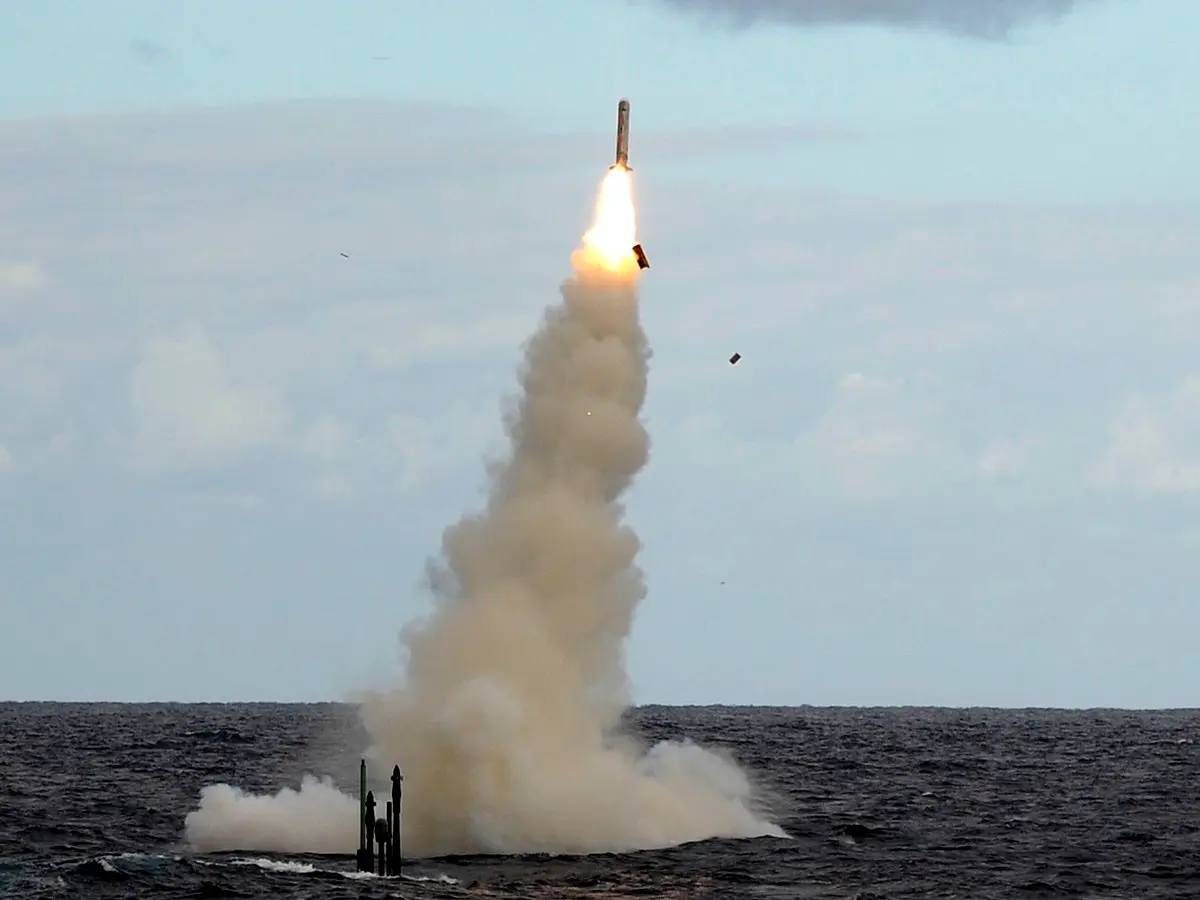
4. China’s Growing SLBM Capability Makes Range Even More Critical
China already deploys the JL-2 (~7,000 km) and is fielding more advanced JL-3 (>10,000 km) SLBMs on its Type-094 and Type-096 SSBNs. To maintain strategic balance in the Indo-Pacific, India requires an SLBM that can reach key Chinese military and industrial centres without the submarine leaving Indian waters. Open-source assessments indicate that only a 5,000+ km missile like the K-5 can achieve this coverage from the Bay of Bengal or southern Indian Ocean.
5. A Longer-Range SLBM Reduces Risks to Indian Submarines
If a submarine must close in on enemy territory to reach its targets, it increases the risk of detection by:
- Long-range maritime patrol aircraft,
- Anti-submarine helicopters,
- Underwater sensor networks,
- Hunter-killer submarines, and satellite-supported tracking systems.
- A 5,000–6,000 km missile allows an Arihant-class submarine to launch from much safer, deeper waters where detection is extremely unlikely. This ensures the survivability of both the crew and the deterrent.
6. The K-5 Strengthens India’s Evolving SSBN Fleet
The first two Arihant-class submarines carry a limited number of missile tubes. Future units (S4, S4* and the S5 class) are expected to be larger with more vertical launch tubes. A longer-range missile like K-5 would significantly upgrade the firepower of these submarines, making each patrol more meaningful and reducing the frequency with which SSBNs must leave harbour. This improves operational readiness and strategic stability.
7. K-5 Is a Natural Evolution in the K-Series Missile Family
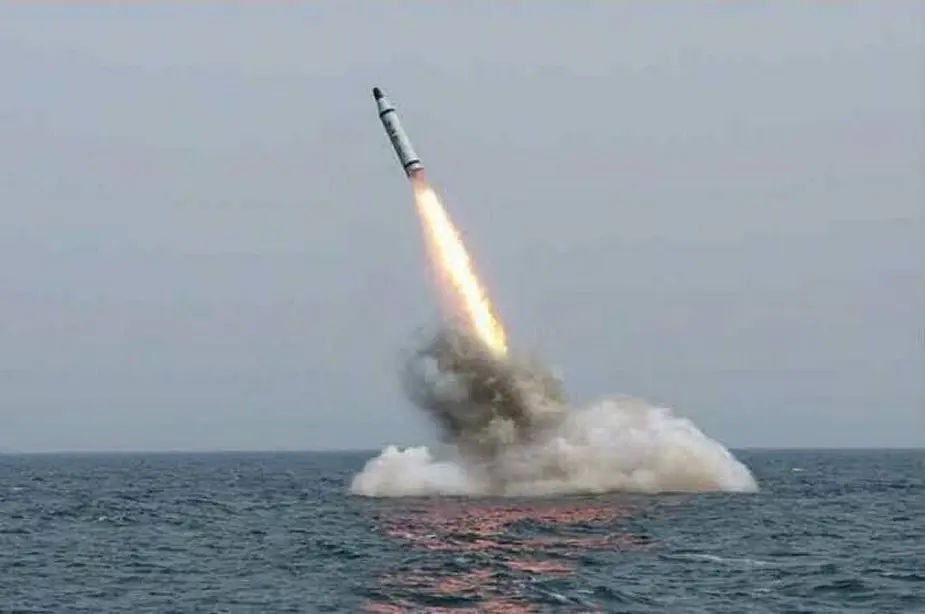
India’s DRDO has built a clear progression in submarine-launched missile capability:
K-15 (750 km) → short-range, tactical role
K-4 (~3,500 km) → intermediate-range deterrence
K-5 (expected 5,000+ km) → strategic range
K-6 (open-source mentions: 6,000–8,000 km) → future capability
The K-5 represents the transition from regional deterrence to continental-range deterrence, enabling India to protect its interests across the Indo-Pacific while staying aligned to its no-first-use doctrine.
Final Word
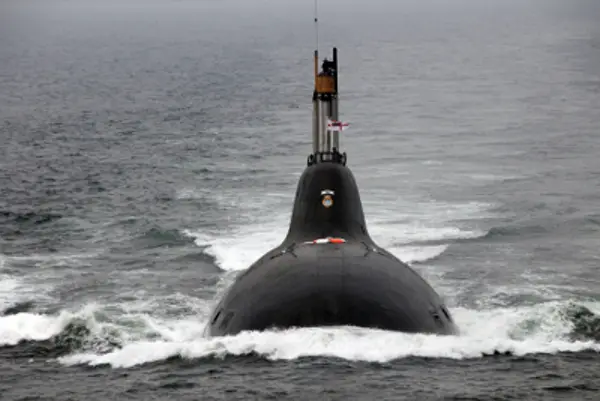
India needs the K-5 missile because range equals survivability, and survivability equals credible deterrence. With a longer-range SLBM on Arihant-class submarines, India can safeguard its second-strike capability, operate from secure ocean zones, and maintain strategic stability with regional nuclear powers, all without escalating or revealing sensitive operational details.
)
)
)
)
)