Why India isn't ready to unlock F-35 'Black Box' as Lockheed Martin confirms no talks currently exist

F-35 has appeared at Indian air shows (like Aero India 2025) as a display of US military technology, but there is no active deal to acquire the stealth fighter jets. There are several reasons why India has stayed away from them, including its “Black Box” Technology.
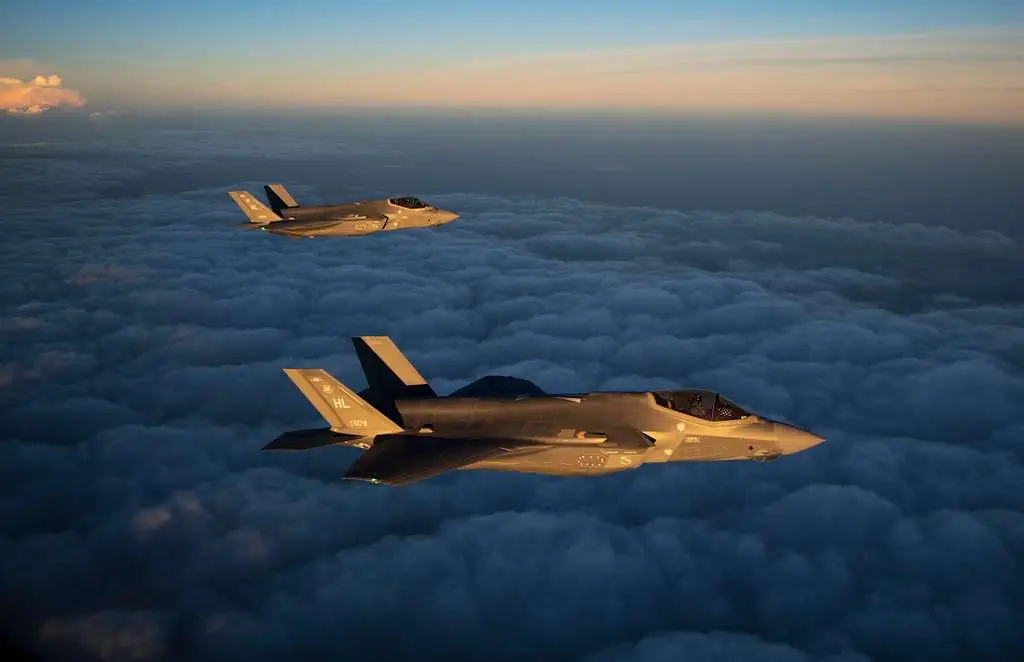
Lockheed Martin confirms no negotiations on F-35 Lightning II are underway with India
The potential sale of the F-35 Lightning II to India has once again gained spotlight following Lockheed Martin’s confirmation that no direct corporate negotiations are underway with New Delhi, Defence Security Asia reported. This lack of formal engagement shows that there is a persistent gap between the two nations, primarily because of a combination of strategic hesitation, strict technology safeguards, and a lingering lack of mutual trust.
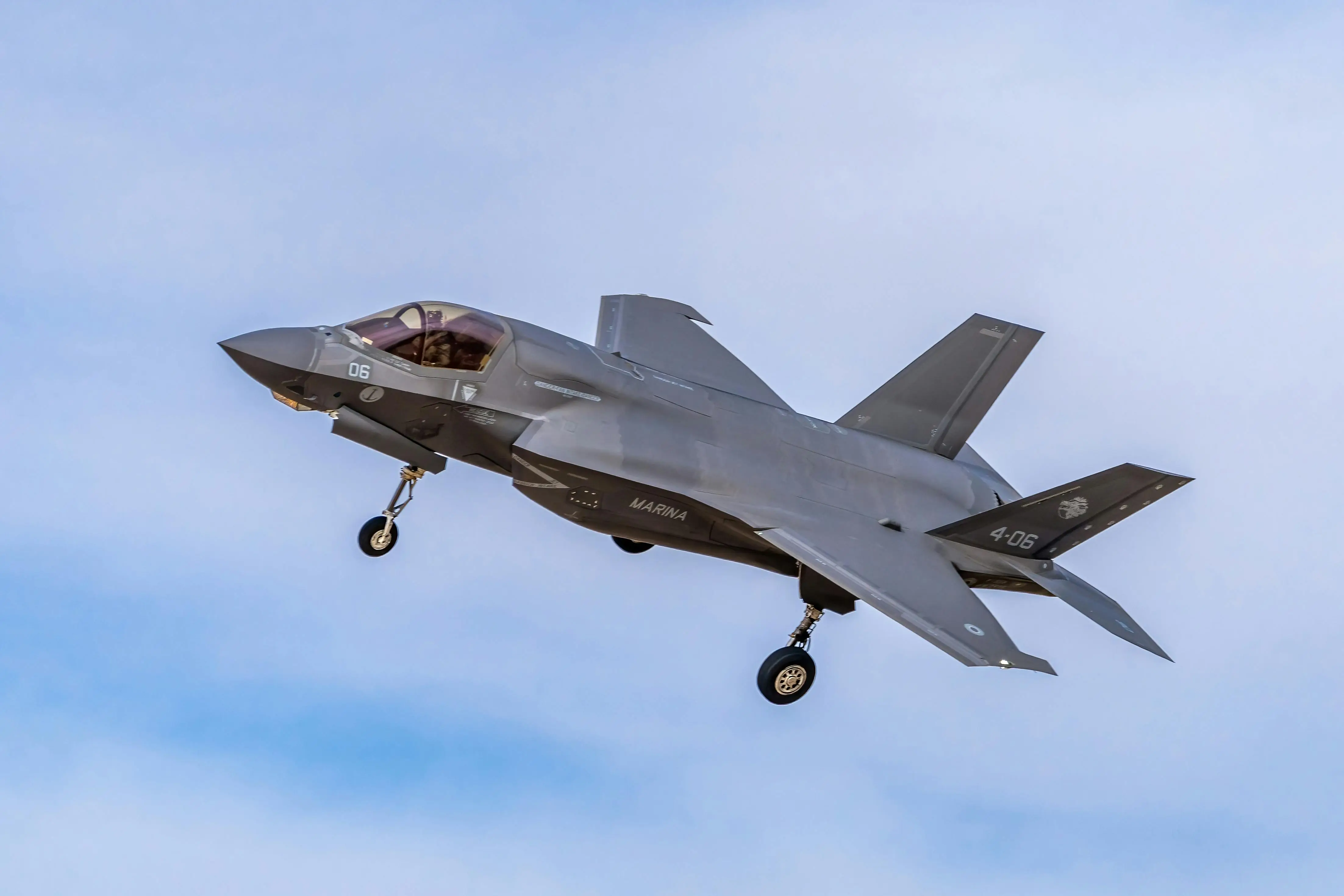
Government-to-government channels for potential sale of F-35
Lockheed Martin has officially redirected all inquiries regarding the potential sale of F-35 Lightning II stealth fighters to India towards government-to-government channels, effectively closing the door on direct corporate-level negotiations. It has been confirmed that any future Indian bid for the F-35 must proceed through the US Foreign Military Sales (FMS) framework. This means that there is no outright rejection on the matter, but it confirms that no active negotiations or technical briefings are going on between Lockheed Martin and India.
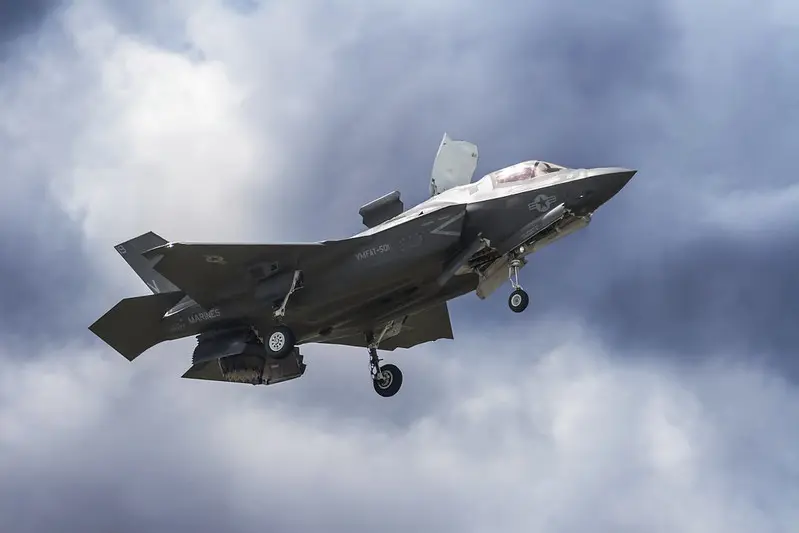
US exercises extreme technology controls over F-35
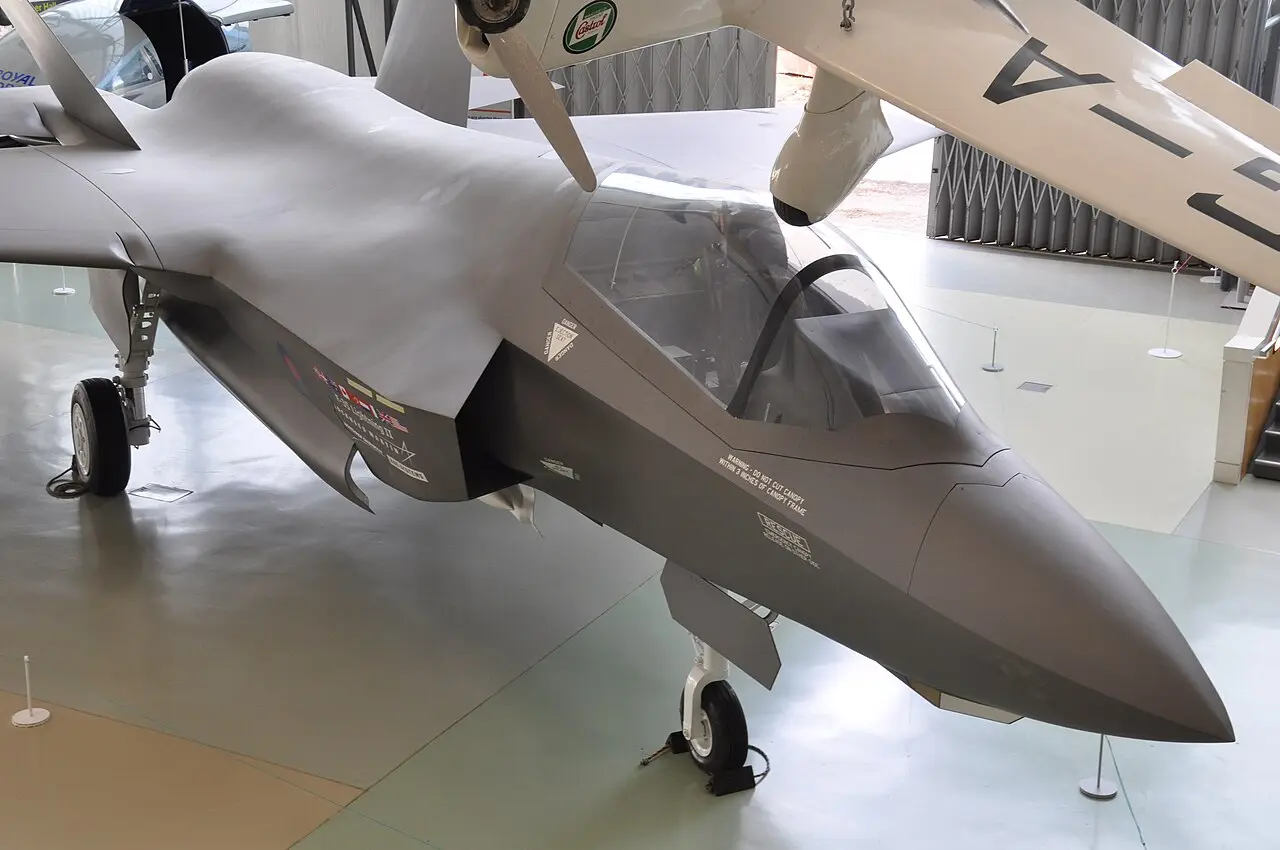
There is a clear restriction on sales channels for the F-35. Unlike older platforms like the F-16, the F-35 is subject to extreme technology controls. Lockheed Martin acts only as a contractor since the US Pentagon and State Department must first approve a formal "Letter of Request" before the company can even begin technical briefings.
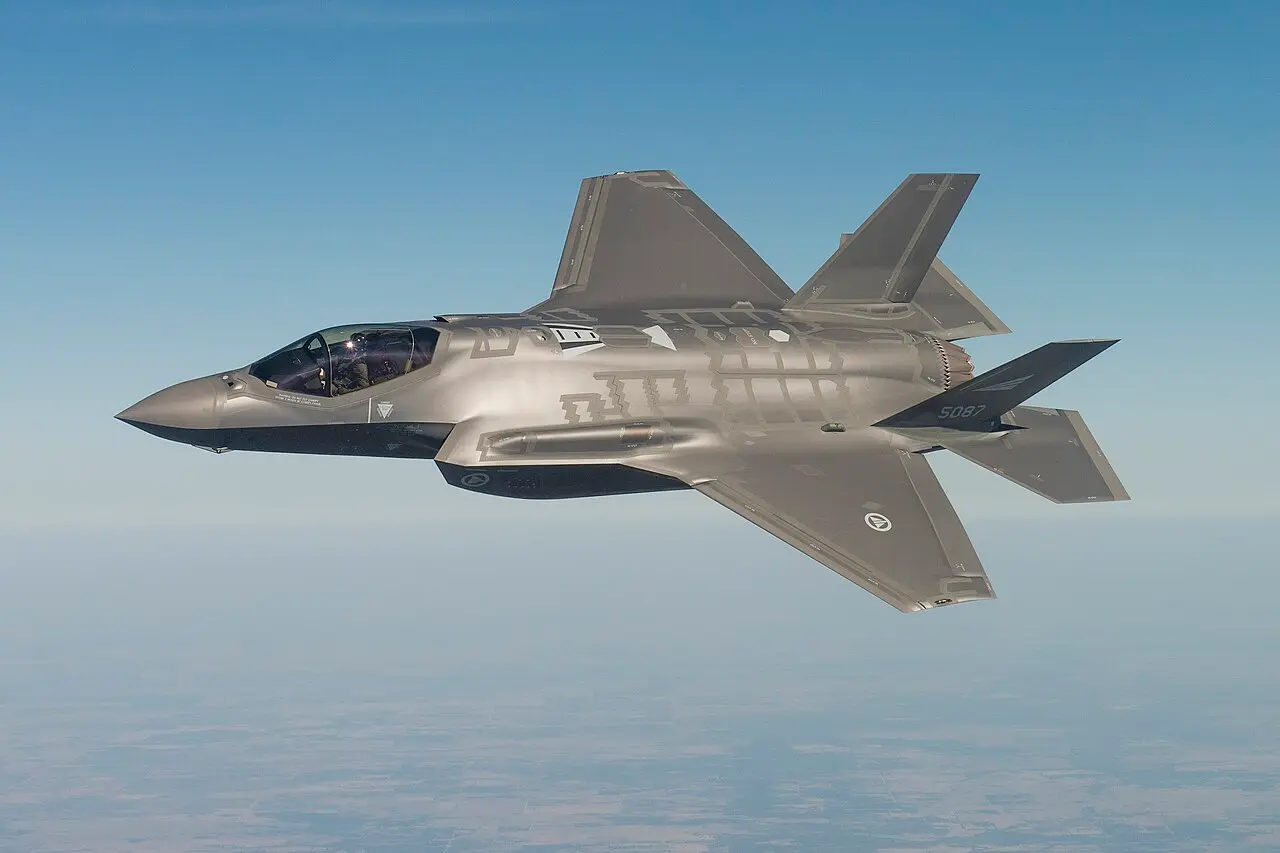
India’s Aatmanirbhar Bharat policy and Washington's tight restrictions on F-35 create misalignment
There is a strategic misalignment in the case of the F-35 fighter jets' sale to India. Washington is unwilling to relax the technology restrictions on its highly sensitive combat systems. The F-35 has stealth coatings, sensor-fusion software, and mission data files, all of which are highly classified. However, India’s Aatmanirbhar Bharat policy conflicts with the F-35's "black box" nature. New Delhi prioritises sovereignty, seeking access to source codes and domestic manufacturing.
Financial and operational challenges for F-35
There is also a problem of financial costs to operate the F-35. The aircraft's operating cost is approximately $36,000 per flight hour. So even a small fleet of 36 aircraft could cost India over $30 billion in lifecycle support. This could eat into the funds for India’s indigenous fighter programmes. Besides, New Delhi could also be concerned about the fact that the F-35 requires a permanent connection to US-managed digital networks (ALIS/ODIN) for maintenance and mission data. It could be used as political leverage or "off switches" during a conflict.
Russia’s Su-57E also has its challenges
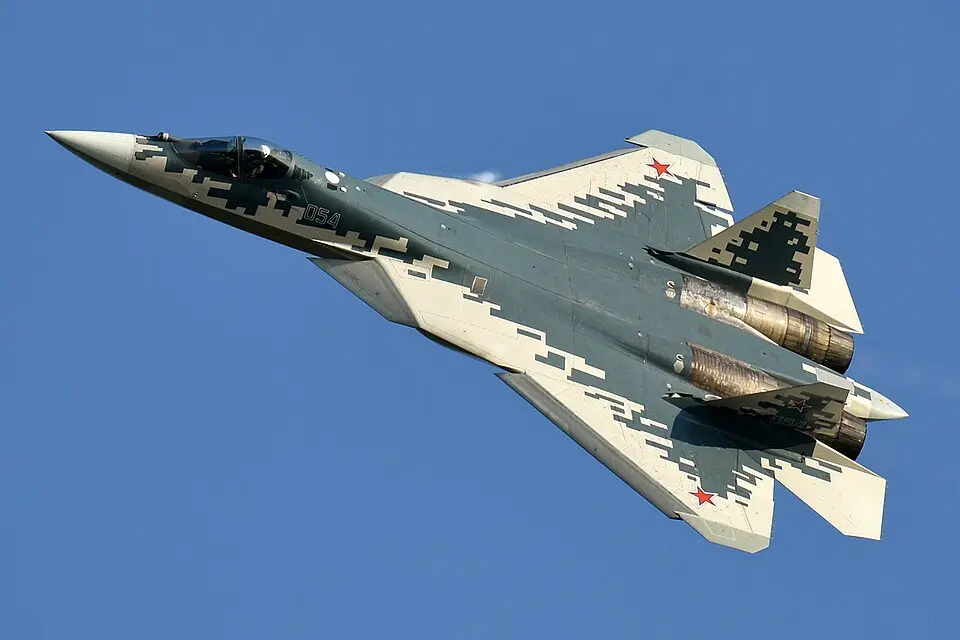
However, in early 2026, India showed an interest in Russia’s Su-57E. Moscow reportedly was willing to talk about deeper technology transfer, local assembly, and broad access to mission software architecture. But questions remained about the production quality, engine maturity, stealth performance, and Russia’s wartime industrial pressures. Hence, New Delhi is neither fully ready to commit towards Moscow’s fighter jets, nor accept Washington’s restrictive F-35 offer.
India focussed on AMCA, upgraded Su-30MKI, and Rafale and Tejas
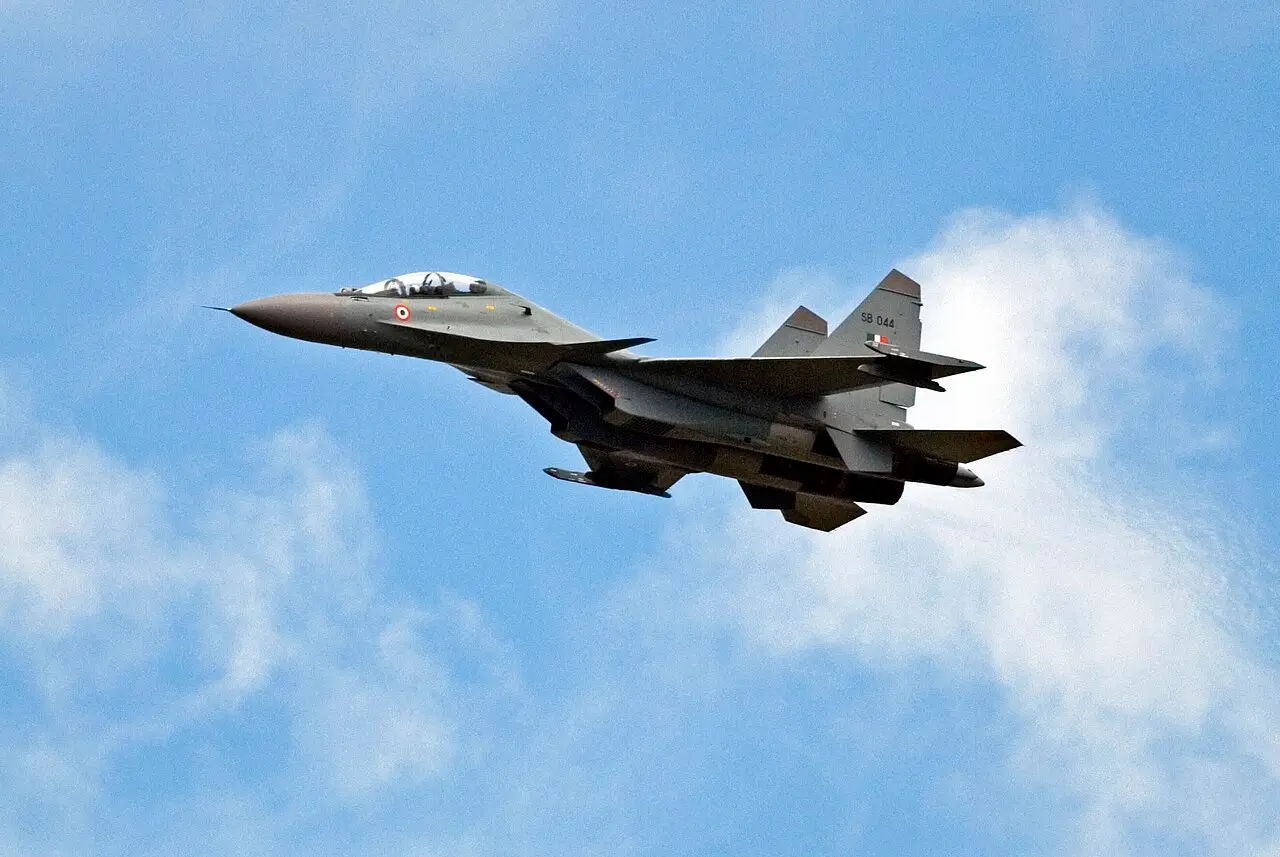
Even though the F-35 would strengthen India’s stealth penetration capability, New Delhi is reluctant to acquire them because of the aircraft’s broader political costs, which would be a burden. So instead of pursuing the F-35, India is currently focusing on AMCA, its indigenous 5th-generation fighter program, upgraded Su-30MKI, enhancing its existing Russian-made fleet, and Rafale/Tejas, and expanding its 4.5-generation capabilities.
)
)
)
)
)